
Penguin Breeding and Reproduction
Expert-defined terms from the Executive Certificate in Penguin Training Techniques course at Greenwich School of Business and Finance. Free to read, free to share, paired with a professional course.
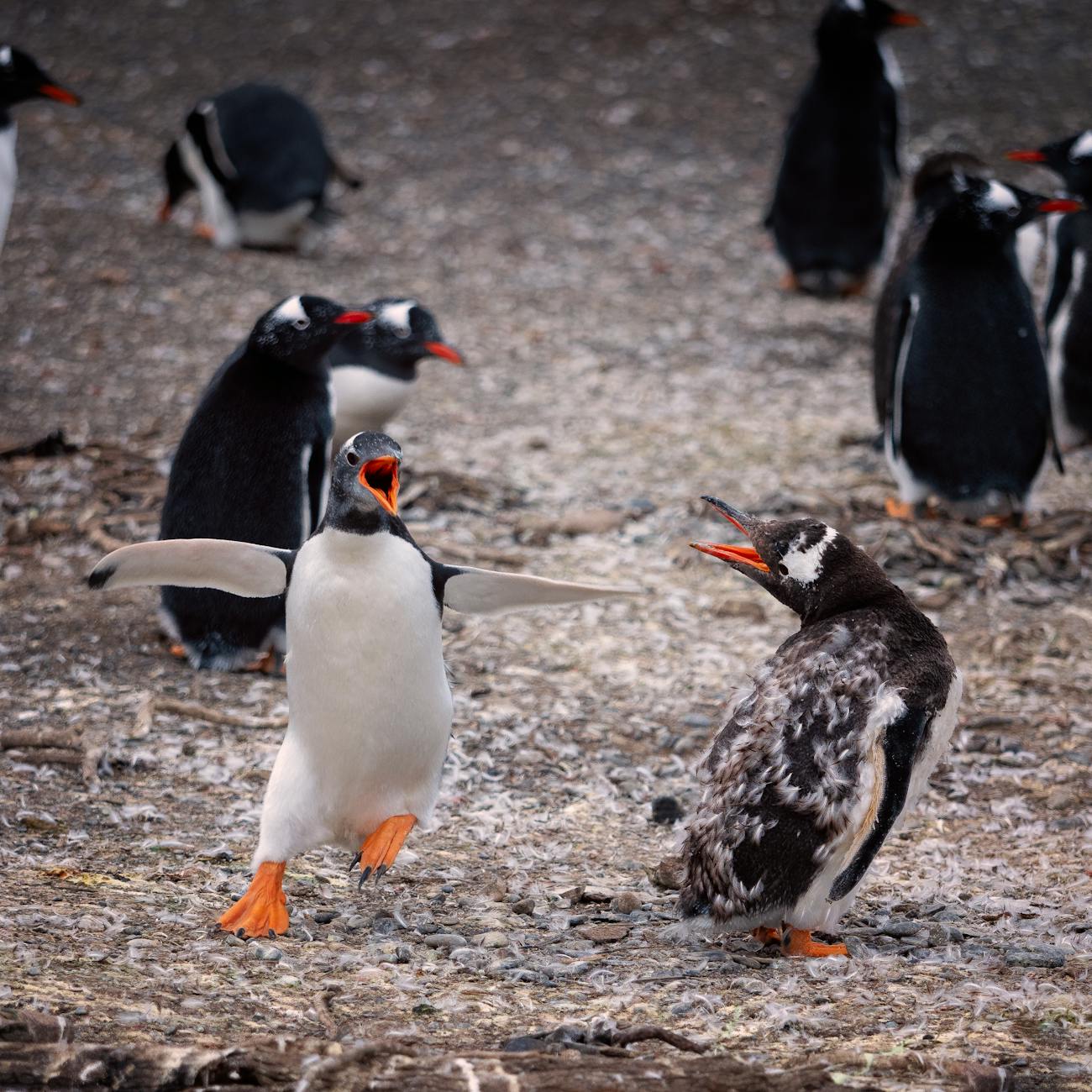
Penguin Breeding and Reproduction #
Penguin Breeding and Reproduction
Penguins are fascinating birds known for their unique breeding and reproductive… #
Understanding the intricacies of penguin breeding and reproduction is crucial for those involved in penguin training techniques. This glossary will cover key terms related to penguin breeding and reproduction, providing a comprehensive guide for the Executive Certificate in Penguin Training Techniques course.
1 #
Courtship
Courtship is the behavior exhibited by penguins to attract a mate and initiate t… #
This behavior includes displays, vocalizations, and rituals that vary among different penguin species. For example, male Adelie penguins often present pebbles to females as part of their courtship display.
2 #
Nesting
Nesting is the process of building a nest where penguins will lay their eggs and… #
Penguins use various materials such as rocks, sticks, and vegetation to construct their nests, depending on the species and habitat. Adequate nesting sites are essential for successful breeding and chick rearing.
3 #
Incubation
Incubation refers to the period during which penguins, typically the female, sit… #
The length of the incubation period varies among penguin species but is crucial for the development of the embryos inside the eggs. Adequate incubation ensures the survival of the offspring.
4 #
Chick Rearing
Chick rearing is the process of caring for and feeding the newly hatched chicks… #
Both parents are usually involved in feeding and protecting the chicks, taking turns to go out to sea to forage for food. The duration of chick rearing varies among penguin species and is essential for the survival of the offspring.
5 #
Fledging
Fledging is the stage in a penguin chick's development when it is ready to leave… #
The chick will gradually lose its downy feathers and develop adult plumage before venturing out to sea to hunt for food on its own. Fledging marks the end of the chick rearing phase.
6 #
Egg Candling
Egg candling is a technique used to determine the fertility and development stag… #
A bright light source is shone through the egg to reveal the contents inside, allowing researchers to assess the health of the embryo. Egg candling helps monitor the progress of the breeding season and identify any potential issues early on.
7 #
Brood Patch
The brood patch is a bare patch of skin on the underside of a penguin's abdomen… #
The blood vessels close to the surface of the skin increase heat transfer to the eggs, ensuring they remain at the optimal temperature for development. Both male and female penguins develop brood patches during the breeding season.
8 #
Chick Provisioning
Chick provisioning is the process of feeding the chicks with regurgitated food b… #
The parents forage at sea to catch fish, squid, or krill, which they bring back to the nest and regurgitate for the hungry chicks. Proper chick provisioning is vital for the growth and survival of the offspring.
9 #
Monogamy
Monogamy refers to the mating system in which a penguin pair forms a long #
term bond and remains faithful to each other throughout the breeding seasons. Many penguin species exhibit monogamous behavior, with both parents sharing the responsibilities of nesting, incubation, and chick rearing. Monogamy promotes stability and cooperation within penguin colonies.
10 #
Polygamy
Polygamy is the mating system in which a penguin may have multiple mates during… #
Some penguin species, such as the Emperor penguin, exhibit polygamous behavior, with males taking on multiple partners to maximize their reproductive success. Polygamy can lead to competition and conflict among individuals within a colony.
11 #
Precocial Chicks
Precocial chicks are born in an advanced state of development and are able to fe… #
Penguin chicks of precocial species, such as the King penguin, have downy feathers and are mobile soon after hatching, allowing them to follow their parents to forage for food. Precocial chicks have a higher chance of survival compared to altricial chicks.
12 #
Altricial Chicks
Altricial chicks are born in a helpless state and require extensive care and fee… #
Penguin chicks of altricial species, such as the Adele penguin, are born naked and blind, relying on their parents for warmth, protection, and food. Altricial chicks have a higher mortality rate compared to precocial chicks due to their dependency on parental care.
13 #
Breeding Colonies
Breeding colonies are dense aggregations of penguins that gather in specific loc… #
Penguins return to the same breeding colonies year after year, often occupying the same nesting sites. Breeding colonies provide safety in numbers, social interactions, and opportunities for mate selection within the population.
14 #
Egg Turning
Egg turning is the process of rotating the eggs within the nest to ensure unifor… #
Both male and female penguins take turns to carefully turn the eggs with their beaks or feet, preventing the embryos from sticking to the eggshell and promoting even development. Egg turning is essential for the health and viability of the embryos.
15 #
Creching
Creching is a behavior observed in some penguin species where chicks gather in g… #
Chicks huddle together for warmth and protection, reducing the risk of predation and improving their chances of survival. Creching allows chicks to socialize and learn from each other before becoming independent.
16 #
Artificial Incubation
Artificial incubation is a technique used in captive penguin breeding programs t… #
Eggs are placed in incubators set at the optimal temperature and humidity levels for development. Artificial incubation allows researchers to monitor the progress of the embryos closely and intervene if necessary to ensure successful hatching.
17 #
Genetic Diversity
Genetic diversity refers to the variation in genetic material within a populatio… #
Maintaining genetic diversity in captive penguin populations is crucial to prevent inbreeding and genetic disorders. Breeding programs aim to maximize genetic diversity by carefully selecting breeding pairs and managing genetic lineages.
18 #
Parental Care
Parental care encompasses the behaviors exhibited by penguin parents to ensure t… #
Both male and female penguins are involved in providing warmth, protection, and food for the chicks throughout the breeding season. Parental care plays a vital role in the growth and development of penguin chicks.
19 #
Nest Site Selection
Nest site selection is a critical decision made by penguins to choose a suitable… #
Factors such as proximity to the sea, protection from predators, and access to food sources influence nest site selection. Penguins often return to the same nest sites year after year, reinforcing their bond with the colony and ensuring breeding success.
20 #
Egg Size and Coloration
Egg size and coloration vary among penguin species and play a role in camouflage… #
Larger eggs contain more nutrients for the developing embryo, while colorful or patterned eggs may help parents identify their own eggs in a crowded nesting site. Egg size and coloration are key adaptations for successful breeding and incubation.
21 #
Synchrony of Breeding
Synchrony of breeding refers to the coordination of breeding activities within a… #
Synchrony of breeding enhances social interactions, reduces competition for resources, and increases the chances of survival for the offspring. Environmental cues such as daylight length and food availability influence the timing of breeding events.
22 #
Egg Hatching and Chick Development
Egg hatching marks the beginning of chick development, with the embryo breaking… #
Newly hatched chicks are vulnerable and rely on their parents for warmth, protection, and food. Chick development progresses through stages of growth, molting, and fledging until the chick becomes independent and ready to join the sea.
23 #
Hormonal Cycles
Hormonal cycles regulate penguin breeding behaviors, including courtship, nestin… #
Male and female penguins experience hormonal changes throughout the breeding season, triggering physiological responses such as egg production, incubation behavior, and parental care. Hormonal cycles are essential for reproductive success in penguins.
24 #
Mate Choice
Mate choice is the process by which penguins select their partners based on phys… #
Penguins may engage in courtship displays, vocalizations, and interactions to assess potential mates before forming long-term bonds. Mate choice influences breeding success, genetic diversity, and social dynamics within penguin colonies.
25 #
Environmental Factors
Environmental factors such as temperature, sea ice extent, food availability, an… #
Penguins are highly adapted to their specific habitats and must respond to changes in environmental conditions to ensure breeding success. Monitoring environmental factors is crucial for the conservation of penguin populations in the face of climate change and human disturbances.
26 #
Seasonal Breeding Patterns
Seasonal breeding patterns refer to the timing of breeding activities within a p… #
Penguins exhibit seasonal variations in courtship, egg laying, chick rearing, and molting, adapting their behaviors to the changing seasons. Seasonal breeding patterns ensure the survival of offspring in challenging environments.
27 #
Paternity Testing
Paternity testing is a genetic analysis carried out to determine the biological… #
By collecting DNA samples from adult penguins and chicks, researchers can identify the parentage of individuals and study mating patterns within the population. Paternity testing helps assess genetic diversity, reproductive success, and mate fidelity in penguin colonies.
28 #
Colony Dynamics
Colony dynamics refer to the interactions and behaviors exhibited by penguins wi… #
Penguins form complex social structures within colonies, with hierarchies, alliances, and cooperative behaviors influencing breeding success. Understanding colony dynamics is essential for managing captive penguin populations and promoting natural behaviors.
29 #
Artificial Insemination
Artificial insemination is a reproductive technique used in captive penguin bree… #
Male sperm is collected and introduced into the female's reproductive tract to fertilize the eggs artificially. Artificial insemination allows researchers to overcome reproductive challenges and maximize the genetic potential of penguin populations.
30 #
Climate Change Impacts
Climate change poses significant challenges to penguin breeding and reproduction… #
Penguins are sensitive to environmental changes and may face disruptions in their breeding cycles, chick survival rates, and population dynamics. Mitigating climate change impacts is crucial for the long-term conservation of penguin species worldwide.
In conclusion, penguin breeding and reproduction are complex processes influence… #
By understanding the key terms and concepts related to penguin breeding and reproduction, professionals in the field of penguin training techniques can enhance their knowledge and skills in managing and conserving these remarkable birds. The glossary provided in this course serves as a valuable resource for anyone seeking to deepen their understanding of penguin breeding and reproduction in both natural and captive settings.