
Lighting Techniques for Outdoor Filming
Expert-defined terms from the Masterclass Certificate in Extreme Sports Filming course at Greenwich School of Business and Finance. Free to read, free to share, paired with a professional course.
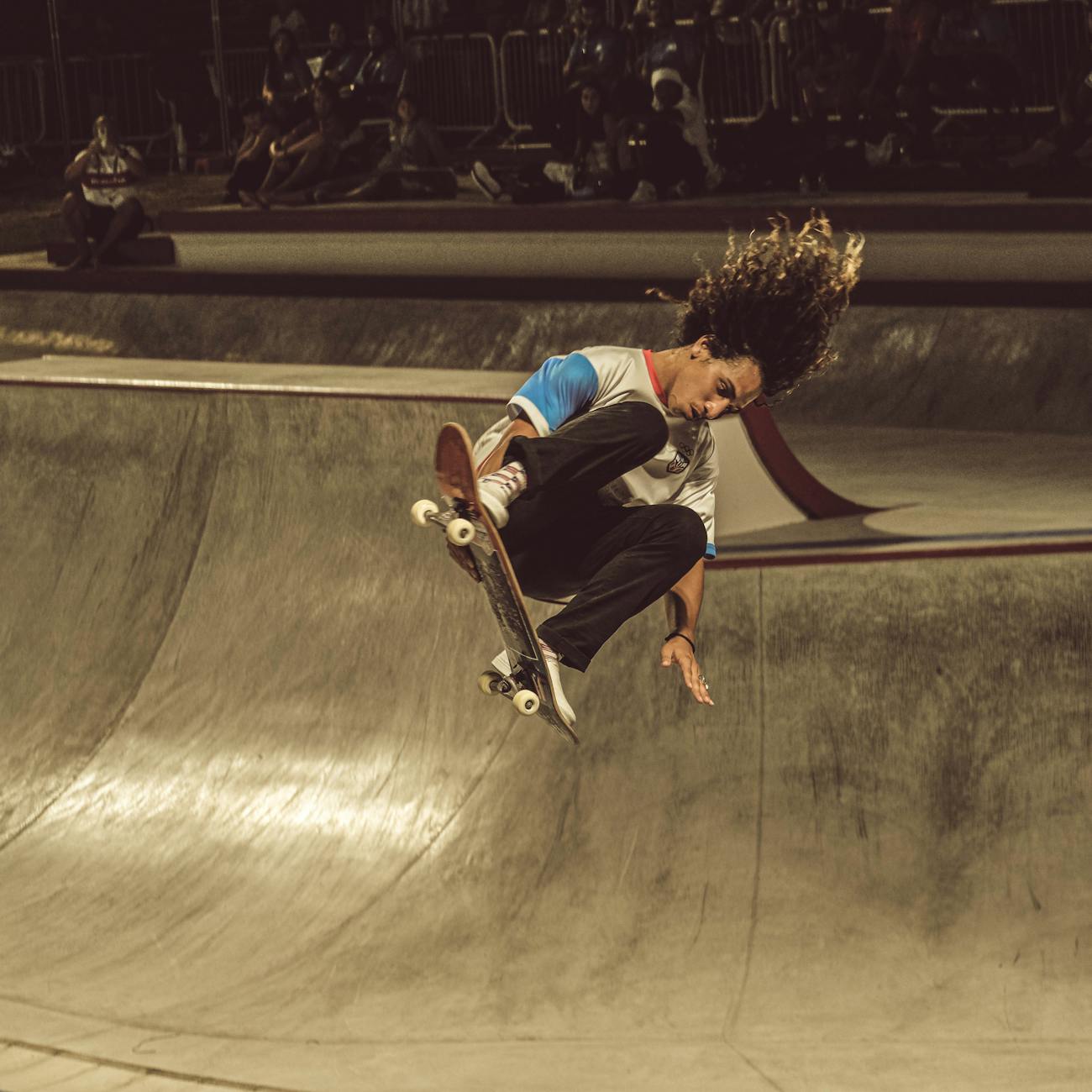
Lighting Techniques for Outdoor Filming #
Lighting Techniques for Outdoor Filming
Ambient Light #
Ambient light refers to the natural light present in a scene, such as sunlight o… #
When filming outdoors, ambient light can be used to illuminate the subjects and create a natural-looking environment.
Backlighting #
Backlighting is a lighting technique where the light source is positioned behind… #
This technique can create a halo effect around the subject, separating them from the background and adding depth to the shot.
Catchlight #
Catchlight refers to the reflection of a light source in a subject's eyes #
Adding catchlights to a subject's eyes can make them appear more alive and engaging on camera.
Diffusion #
Diffusion is a technique used to soften harsh light by passing it through a mate… #
This can create a more flattering and natural-looking light on the subject.
Exposure #
Exposure refers to the amount of light that reaches the camera sensor #
Proper exposure is crucial for achieving a well-balanced image, especially when filming outdoors where lighting conditions can change rapidly.
Fill Light #
Fill light is used to fill in shadows created by the main light source #
When filming outdoors, fill light can help balance the exposure and create a more even lighting on the subject.
Golden Hour #
Golden hour is the period of time shortly after sunrise or before sunset when th… #
This time of day is ideal for filming outdoors as the light is flattering and creates a warm, cinematic look.
High Key Lighting #
High key lighting is a lighting technique that involves using bright, even light… #
This technique is often used in outdoor filming to convey a sense of positivity and energy.
Key Light #
Key light is the primary light source used to illuminate the subject #
When filming outdoors, the key light is typically the sun or another powerful light source that provides the main illumination for the scene.
Low Key Lighting #
Low key lighting is a lighting technique that involves using dark, moody lightin… #
This technique can be effective for outdoor filming, especially in extreme sports scenarios where a sense of danger and excitement is desired.
Reflectors #
Reflectors are used to redirect light onto the subject and fill in shadows #
When filming outdoors, reflectors can be particularly useful for bouncing sunlight onto the subject and creating a more flattering light.
Rim Light #
Rim light is a technique where a light source is placed behind the subject to cr… #
This technique can help separate the subject from the background and add depth to the shot.
Soft Light #
Soft light is diffused, gentle light that creates soft shadows and smooth transi… #
When filming outdoors, soft light can be achieved by using diffusion materials or shooting during overcast conditions.
Three #
Point Lighting:
Three #
point lighting is a standard lighting setup that consists of a key light, fill light, and backlight. This technique is commonly used in outdoor filming to create a well-balanced and visually appealing image.
Underexposure #
Underexposure occurs when the image is too dark due to insufficient light reachi… #
When filming outdoors, underexposure can be a challenge, especially in high-contrast situations where the subject is in shadow.
White Balance #
White balance refers to the color temperature of the light in a scene #
Proper white balance is essential for achieving accurate colors in the final image, especially when filming outdoors where lighting conditions can vary.
Lighting Techniques for Outdoor Filming #
Lighting Techniques for Outdoor Filming
Outdoor filming presents unique challenges when it comes to lighting, as natural… #
To ensure high-quality footage, filmmakers need to employ various lighting techniques specifically tailored for outdoor settings. Here are some key terms related to lighting techniques for outdoor filming:
1. Ambient Light #
- Explanation: Ambient light refers to the existing light in a scene that… #
When filming outdoors, ambient light plays a crucial role in setting the overall tone and mood of the footage. Filmmakers often have to work with or modify ambient light to achieve the desired look.
2. Backlighting #
- Explanation: Backlighting is a lighting technique where the light sourc… #
This technique is commonly used in outdoor filming to separate the subject from the background and add depth to the image.
3. Color Temperature #
- Explanation: Color temperature refers to the warmth or coolness of ligh… #
Different times of the day and weather conditions can result in varying color temperatures outdoors. Filmmakers need to adjust their lighting equipment or camera settings to ensure accurate color representation in outdoor footage.
4. Diffusion #
- Explanation: Diffusion is the process of softening harsh light to creat… #
In outdoor filming, diffusion materials such as silks or scrims are often used to reduce the intensity of sunlight or artificial light sources.
5. Fill Light #
- Explanation: Fill light is used to fill in shadows created by the key l… #
In outdoor filming, fill light is essential to ensure that details are visible in both the highlights and shadows, especially in bright sunlight.
6. Golden Hour #
- Explanation: Golden hour refers to the period shortly after sunrise or… #
Filmmakers often capitalize on this natural lighting phenomenon for outdoor filming, as it can create a visually stunning and cinematic look.
7. High Key Lighting #
- Explanation: High key lighting is a lighting technique characterized by… #
This technique is commonly used in outdoor filming for scenes that require a cheerful or optimistic mood, such as sports events or outdoor celebrations.
8. Natural Light #
- Explanation: Natural light refers to the light that is present in a sce… #
Outdoor filming often relies on natural light to create a sense of authenticity and realism in the footage. Filmmakers must adapt to changing natural light conditions to achieve the desired look.
9. Overcast #
- Explanation: Overcast conditions occur when the sky is covered with clo… #
While overcast weather can limit harsh shadows in outdoor filming, filmmakers may need to adjust their exposure settings to prevent the footage from appearing dull or flat.
10. Silhouette #
- Explanation: A silhouette is a dark outline of a subject against a brig… #
This dramatic lighting effect is often used in outdoor filming to emphasize the shape and form of the subject without revealing fine details. Silhouettes can add visual interest and mystery to a scene.
11. Three #
Point Lighting:
- Explanation: Three-point lighting is a fundamental lighting setup that… #
This technique is versatile and widely used in outdoor filming to illuminate the subject effectively, create depth, and provide a professional look to the footage.
12. Underexposure #
- Explanation: Underexposure occurs when the footage is too dark due to i… #
In outdoor filming, underexposure can be a challenge, especially in low-light conditions or when shooting against bright backgrounds. Filmmakers need to adjust their camera settings or lighting to avoid underexposed footage.
13. Wide Shot #
- Explanation: A wide shot captures a broad view of the scene, showing th… #
In outdoor filming, wide shots are commonly used to establish the setting, provide context, and create a sense of scale. Lighting in wide shots plays a crucial role in highlighting the overall composition and atmosphere of the scene.
14. Xenon Light #
- Explanation: Xenon light is a type of artificial light source that emit… #
In outdoor filming, xenon lights are often used to supplement or mimic natural light, especially when shooting scenes that require consistent lighting conditions or when filming at night.
15. Zoom Lens #
- Explanation: A zoom lens allows filmmakers to change the focal length a… #
In outdoor filming, zoom lenses provide flexibility in capturing different perspectives and details, making them essential tools for capturing extreme sports action from a distance.
These lighting techniques for outdoor filming are essential for mastering the ar… #
By understanding and applying these techniques effectively, filmmakers can create visually stunning and immersive videos that bring the excitement and energy of extreme sports to life on screen.
**Outdoor Lighting Techniques for Filming** #
**Outdoor Lighting Techniques for Filming**
**Aerial Lighting** #
A technique where lighting equipment is mounted on drones or helicopters to illuminate a scene from above. This technique is commonly used in extreme sports filming to capture dynamic shots from unique angles.
**Backlighting** #
Placing a light source behind the subject to create a silhouette effect or to separate the subject from the background. Backlighting can add depth and dimension to outdoor shots, especially during sunrise or sunset.
**Catchlight** #
The reflection of a light source in a subject's eyes, adding a sparkle and life to the eyes. Catchlights are essential for outdoor filming to make the subject's eyes appear more engaging and expressive.
**Diffusion** #
The process of softening or spreading light to reduce harsh shadows and create a more natural-looking illumination. Diffusion materials such as silk or diffusion panels are commonly used in outdoor filming to achieve a softer and more flattering light on the subject.
**Exposure** #
The amount of light that reaches the camera sensor, affecting the brightness and clarity of the image. Proper exposure is crucial in outdoor filming to ensure that the image is not underexposed (too dark) or overexposed (too bright).
**Fill Light** #
Additional light used to fill in shadows created by the main light source. Fill lights are often used in outdoor filming to balance the exposure and create a more even lighting across the scene.
**Golden Hour** #
The period shortly after sunrise and before sunset when the sunlight is soft, warm, and ideal for outdoor filming. The golden hour provides a flattering light with long shadows, making it a popular time for capturing stunning outdoor shots.
**High #
Speed Sync**: A lighting technique that allows the camera to sync with the flash at shutter speeds faster than the camera's maximum flash sync speed. High-speed sync is essential for outdoor filming in bright conditions to freeze fast-moving subjects without overexposing the image.
**Key Light** #
The primary light source that illuminates the main subject in a scene. The key light sets the overall mood and direction of the lighting in outdoor filming, emphasizing the subject and creating depth in the image.
**Low #
Key Lighting**: A lighting technique that uses minimal light to create a dramatic and moody atmosphere. Low-key lighting is commonly used in outdoor filming to evoke emotions and add intensity to the visuals.
**Magic Hour** #
The period just before sunrise and after sunset when the light is soft, diffused, and magical for outdoor filming. Magic hour offers a unique quality of light with warm tones and long shadows, creating a dreamy and ethereal look in the visuals.
**Negative Fill** #
The technique of using a black surface to absorb light and create shadows in a scene. Negative fill is often used in outdoor filming to enhance contrast, add drama, and shape the subject by reducing unwanted reflections and stray light.
**Overhead Light** #
Light that comes from above the subject, simulating the natural lighting conditions in outdoor settings. Overhead light can create depth, texture, and dimension in outdoor shots, enhancing the overall visual appeal of the scene.
**Practical Light** #
Light sources that are visible within the frame, such as lamps, candles, or streetlights. Practical lights add realism and ambiance to outdoor filming, making the scene look more authentic and immersive.
**Rim Light** #
A technique where a light source is placed behind the subject to create a thin outline of light around the edges, separating the subject from the background. Rim light adds depth and definition to the subject in outdoor shots, making them stand out in the frame.
**Silhouette** #
A dark outline of a subject against a bright background, created by backlighting or strong contrast lighting. Silhouettes are often used in outdoor filming to convey shape, form, and emotion without revealing the details of the subject.
**Three #
Point Lighting**: A standard lighting setup consisting of a key light, fill light, and backlight. Three-point lighting is commonly used in outdoor filming to illuminate the subject, balance the exposure, and create depth in the scene.
**Underexposure** #
The condition where the image is too dark due to insufficient light reaching the camera sensor. Underexposure can result in loss of detail, poor image quality, and lack of visibility in outdoor filming, requiring adjustments to the exposure settings.
**Vignetting** #
The darkening or fading of the corners or edges of an image, caused by lens limitations or improper lighting. Vignetting can affect the overall composition and visual appeal of outdoor shots, requiring correction in post-production to achieve a balanced look.
**Wide #
Angle Lighting**: A lighting technique that uses wide-angle lights to cover a broad area or scene in outdoor filming. Wide-angle lighting is ideal for capturing expansive landscapes, action sequences, or group shots with even illumination across the frame.
**Xenon Light** #
A type of high-intensity discharge (HID) light commonly used in outdoor filming for its bright, daylight-balanced output. Xenon lights provide powerful illumination for capturing fast-paced action, extreme sports, and dynamic scenes in challenging outdoor environments.
**Zoom Burst** #
A creative lighting technique where the zoom lens is zoomed in or out during a long exposure, creating a burst effect that adds energy and movement to the image. Zoom bursts are popular in outdoor filming to convey speed, excitement, and visual impact in still photos or videos.