
Team Building and Conflict Resolution
Expert-defined terms from the Professional Certificate in Leadership for Detective Commander of Serious Commercial Crime Investigation course at Greenwich School of Business and Finance. Free to read, free to share, paired with a professional course.
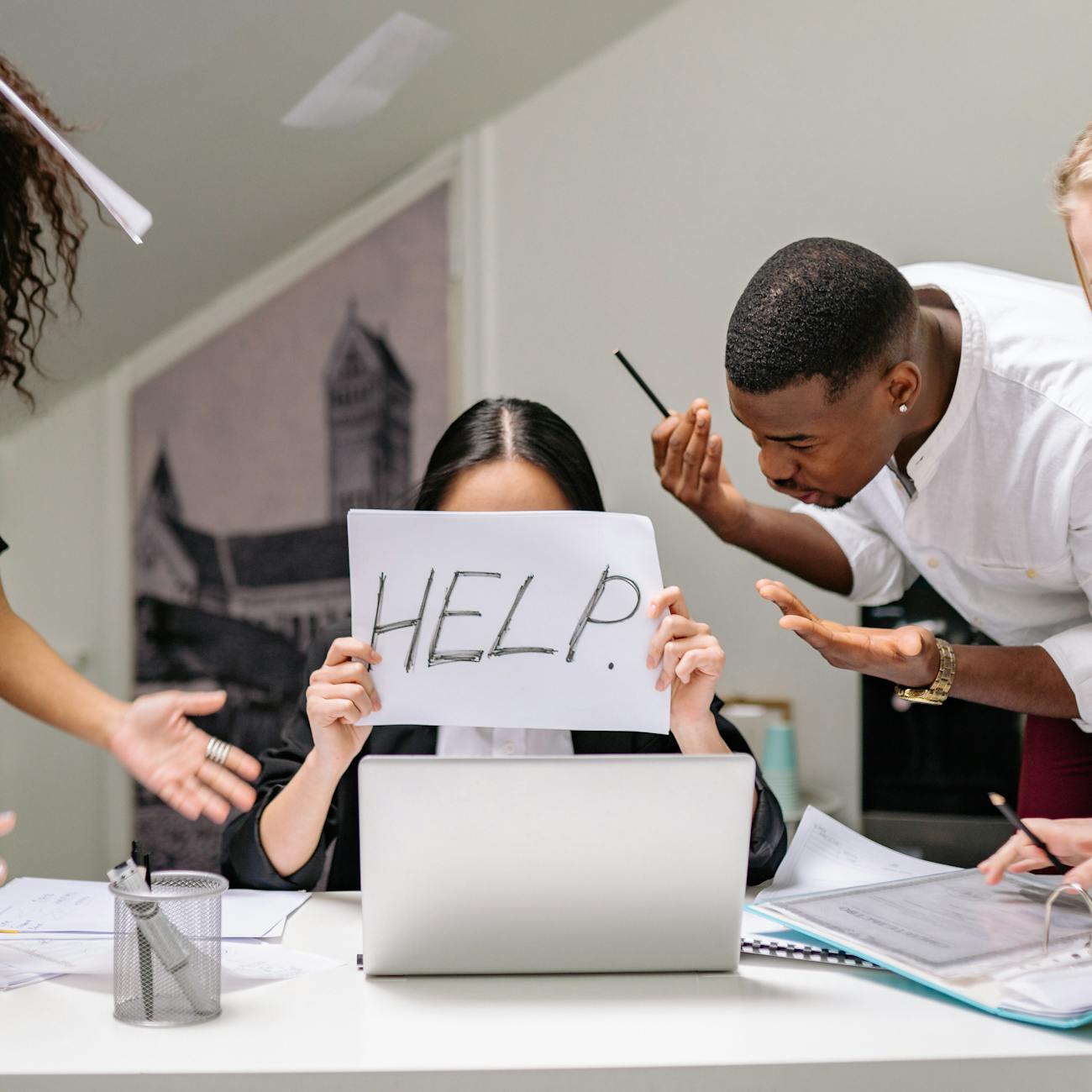
Team Building #
Team building is the process of creating a strong and cohesive team that works t… #
This involves developing relationships among team members, fostering collaboration, and enhancing communication. Team building activities can range from icebreakers and trust exercises to problem-solving challenges and team bonding outings. The goal of team building is to improve team dynamics, boost morale, increase productivity, and ultimately achieve success as a collective unit.
Conflict Resolution #
Conflict resolution is the process of addressing and resolving disagreements or… #
This involves identifying the source of the conflict, facilitating communication between parties, and finding a mutually beneficial solution. Conflict resolution techniques can include negotiation, mediation, and compromise. The goal of conflict resolution is to restore harmony, improve relationships, and prevent future conflicts from arising.
Active Listening #
Active listening is a communication technique where the listener fully concentra… #
It involves paying attention to verbal and nonverbal cues, asking clarifying questions, and providing feedback to the speaker. Active listening is essential for effective communication, building trust, and resolving conflicts within a team.
Brainstorming #
Brainstorming is a creative technique used to generate ideas, solve problems, an… #
Participants share their thoughts and suggestions freely without judgment or criticism. The goal of brainstorming is to encourage innovative thinking, spark creativity, and explore a wide range of possibilities. Brainstorming sessions can be structured or unstructured and often involve collaboration and open communication.
Collaboration #
Collaboration is the act of working together with others to achieve a common goa… #
It involves sharing ideas, resources, and responsibilities to accomplish tasks more effectively than working alone. Collaboration requires communication, cooperation, and coordination among team members. The benefits of collaboration include increased productivity, creativity, and synergy within a team.
Communication #
Communication is the exchange of information, ideas, thoughts, and feelings betw… #
Effective communication is essential for building relationships, sharing knowledge, and achieving common objectives within a team. Communication can take various forms, including verbal, nonverbal, written, and visual. Clear, open, and timely communication is critical for successful team building and conflict resolution.
Compromise #
Compromise is a conflict resolution strategy where both parties make concessions… #
It involves finding a middle ground that satisfies the needs and interests of all individuals involved. Compromise requires flexibility, empathy, and willingness to collaborate. By compromising, teams can resolve conflicts, maintain relationships, and move forward with a shared understanding.
Decision #
Making:
Decision #
making is the process of choosing a course of action from multiple alternatives to achieve a specific goal. Effective decision-making involves evaluating options, considering consequences, and reaching a consensus within a team. Decision-making can be democratic, autocratic, or participative depending on the leadership style and situation. By making informed decisions, teams can solve problems, allocate resources, and achieve desired outcomes.
Empathy #
Feedback #
Feedback is information provided to individuals or teams about their performance… #
It can be positive, negative, or constructive and is intended to help recipients improve and grow. Feedback should be specific, timely, and actionable to be effective. Giving and receiving feedback is crucial for continuous learning, development, and improvement within a team.
Leadership #
Leadership is the ability to inspire, influence, and guide others towards a comm… #
Effective leaders motivate, empower, and support their team members to achieve success. Leadership styles can vary from autocratic to democratic to transformational, depending on the situation and individuals involved. Strong leadership is essential for team building, conflict resolution, and overall team performance.
Mediation #
Mediation is a conflict resolution process where a neutral third party helps fac… #
The mediator assists in identifying issues, exploring options, and reaching a mutually acceptable resolution. Mediation is a voluntary and confidential process that allows individuals to express their concerns and work towards a peaceful solution. Mediators play a critical role in resolving conflicts and restoring harmony within a team.
Problem #
Solving:
Problem #
solving is the process of identifying, analyzing, and resolving issues or challenges within a team. It involves defining the problem, brainstorming solutions, evaluating alternatives, and implementing a plan of action. Problem-solving requires critical thinking, creativity, and collaboration among team members. By effectively solving problems, teams can overcome obstacles, improve processes, and achieve their goals.
Resilience #
Resilience is the ability to bounce back, adapt, and recover from setbacks, chal… #
It involves maintaining a positive attitude, staying focused, and persevering in the face of adversity. Resilient individuals and teams can withstand stress, overcome obstacles, and continue to grow and succeed. Building resilience is essential for team members to navigate change, handle conflicts, and thrive in dynamic environments.
Team Dynamics #
Team dynamics refer to the patterns of interaction, communication, and relations… #
It includes how individuals collaborate, communicate, and work together towards a common goal. Team dynamics can be influenced by personality types, leadership styles, and group norms. Understanding and managing team dynamics is critical for effective team building, conflict resolution, and overall team performance.
Trust #
Trust is the belief or confidence in the reliability, integrity, and abilities o… #
It is essential for building strong relationships, fostering collaboration, and achieving success within a team. Trust can be earned through consistent behavior, open communication, and mutual respect. Building and maintaining trust among team members is crucial for effective team building, conflict resolution, and overall team cohesion.
Virtual Teams #
Virtual teams are groups of individuals who work together remotely from differen… #
Virtual teams can be geographically dispersed, culturally diverse, and operate across different time zones. Managing virtual teams requires strong communication skills, technology proficiency, and cultural sensitivity. Building trust, fostering relationships, and resolving conflicts in virtual teams can present unique challenges compared to traditional face-to-face teams.