
Flavor Profiles in Tea
Expert-defined terms from the Advanced Skill Certificate in Tea Blending course at Greenwich School of Business and Finance. Free to read, free to share, paired with a professional course.
Flavor Profiles in Tea #
Flavor Profiles in Tea
Flavor profiles in tea refer to the specific taste characteristics of a tea that… #
Understanding flavor profiles is essential for tea blending as it helps tea blenders create unique and balanced blends that appeal to different preferences.
Key Factors Influencing Flavor Profiles #
Key Factors Influencing Flavor Profiles
Some key factors that influence the flavor profiles of tea include: #
Some key factors that influence the flavor profiles of tea include:
1. Tea Type #
Different types of tea, such as black, green, oolong, white, and herbal, have distinct flavor profiles. For example, black teas are often bold and malty, while green teas tend to be grassy and vegetal.
2. Origin #
The region where the tea is grown plays a significant role in determining its flavor profile. For instance, Darjeeling tea from India is known for its muscatel flavor, while Japanese green teas have a seaweed-like umami taste.
3. Processing #
The way tea leaves are processed, including withering, rolling, oxidation, and firing, affects the flavor profile of the tea. For example, heavily oxidized teas like black tea have a richer flavor compared to lightly oxidized teas like green tea.
4. Brewing Technique #
Factors such as water temperature, brewing time, and tea-to-water ratio can impact the flavor profile of tea. For instance, brewing green tea at a higher temperature can result in a bitter taste, while brewing it at a lower temperature brings out its delicate flavors.
Common Flavor Profiles in Tea #
Common Flavor Profiles in Tea
1. Grassy #
A flavor profile commonly associated with green teas, characterized by a fresh, vegetal taste reminiscent of freshly cut grass.
2. Floral #
Often found in oolong and white teas, this flavor profile features floral notes such as jasmine, rose, or orchid, giving the tea a fragrant and aromatic quality.
3. Malty #
Common in black teas like Assam and Ceylon, this flavor profile is rich, robust, and sometimes accompanied by a sweetness akin to malted barley.
4. Earthy #
Found in aged teas like pu-erh, this flavor profile is deep, musty, and sometimes described as reminiscent of damp earth or forest floor.
5. Brisk #
Typically associated with high-quality black teas, this flavor profile is brisk, lively, and often accompanied by a pleasant astringency.
6. Umami #
A savory flavor profile commonly found in Japanese green teas like matcha and sencha, characterized by a rich, brothy taste similar to seaweed or soy sauce.
7. Fruity #
Present in teas like Darjeeling and some oolongs, this flavor profile features fruity notes such as peach, apricot, or citrus, adding a juicy and refreshing quality to the tea.
8. Spicy #
Common in chai blends and certain herbal teas, this flavor profile includes spices like cinnamon, ginger, cardamom, and cloves, creating a warm and aromatic taste.
Creating Balanced Flavor Profiles #
Creating Balanced Flavor Profiles
When blending teas to create a balanced flavor profile, tea blenders need to con… #
When blending teas to create a balanced flavor profile, tea blenders need to consider the following factors:
1. Base Tea #
Selecting a high-quality base tea that forms the foundation of the blend is crucial for achieving a well-rounded flavor profile.
2. Complementary Ingredients #
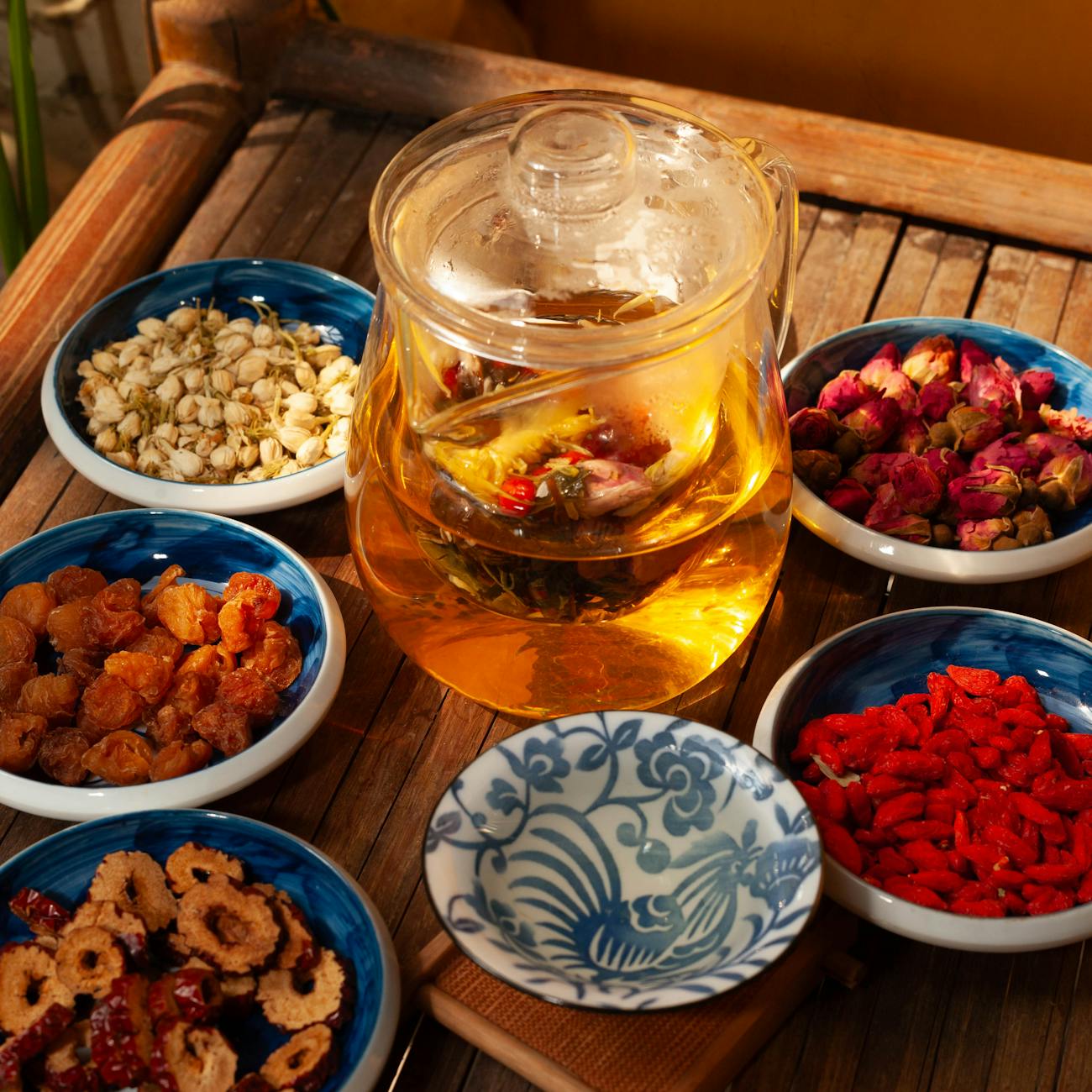
Adding complementary ingredients such as herbs, spices, fruits, or flowers can enhance the flavor profile and create complexity.
3. Proportions #
Balancing the proportions of different ingredients in the blend is essential to ensure that no single flavor dominates the profile.
4. Brewing Parameters #
Providing brewing instructions that specify the optimal water temperature, steeping time, and tea-to-water ratio can help consumers experience the intended flavor profile.
Challenges in Tea Blending #
Challenges in Tea Blending
Tea blending can present several challenges when trying to achieve desired flavo… #
Tea blending can present several challenges when trying to achieve desired flavor profiles:
1. Consistency #
Maintaining consistency in flavor profiles across different batches of tea blends can be challenging due to variations in tea leaves, processing, and environmental factors.
2. Ingredient Quality #
Ensuring the quality of ingredients used in the blend is essential to achieve the desired flavor profile and prevent off-flavors.
3. Complexity #
Balancing multiple flavors in a blend to create a harmonious and nuanced flavor profile requires skill and experimentation.
4. Market Trends #
Keeping up with evolving consumer preferences and market trends to create innovative flavor profiles that appeal to changing tastes can be a challenge for tea blenders.
Examples of Tea Blends with Unique Flavor Profiles #
Examples of Tea Blends with Unique Flavor Profiles
1. Earl Grey #
A classic blend of black tea flavored with bergamot oil, Earl Grey has a citrusy and floral flavor profile that is both aromatic and refreshing.
2. Chamomile Lavender #
A soothing herbal blend of chamomile and lavender flowers, this tea has a delicate, floral flavor profile that is calming and fragrant.
3. Matcha Chai #
Combining Japanese matcha green tea with traditional chai spices like cinnamon, ginger, and cardamom, this blend has a bold and spicy flavor profile with a hint of umami.
4. Rose Oolong #
A blend of oolong tea with rose petals, this tea has a sweet and floral flavor profile that is elegant and aromatic.
5. Minty Moroccan Mint #
A refreshing blend of green tea and peppermint leaves, this tea has a cool, minty flavor profile that is invigorating and revitalizing.
Overall, understanding flavor profiles in tea is essential for tea blenders to c… #
By considering key factors that influence flavor profiles, experimenting with different ingredients, and addressing challenges in tea blending, tea blenders can create innovative and balanced blends that delight tea enthusiasts around the world.