
Machine Learning Algorithms in Law Enforcement
Expert-defined terms from the Professional Certificate in AI for Law Enforcement course at Greenwich School of Business and Finance. Free to read, free to share, paired with a professional course.
Machine Learning Algorithms in Law Enforcement #
Machine Learning Algorithms in Law Enforcement
Machine learning algorithms in law enforcement refer to the use of artificial in… #
These algorithms analyze large datasets to extract valuable insights, detect trends, and enhance the efficiency and effectiveness of law enforcement operations. By leveraging historical data, machine learning algorithms can assist law enforcement agencies in solving crimes, preventing criminal activities, and improving public safety.
Specific Terms #
1. **Supervised Learning #
** A type of machine learning algorithm where the model is trained on labeled data, with input features and corresponding output labels provided. The algorithm learns to map input data to the correct output during training and can make predictions on new, unseen data based on this learned mapping.
2. **Unsupervised Learning #
** A type of machine learning algorithm where the model is trained on unlabeled data, without specific output labels provided. The algorithm learns to identify patterns, structures, and relationships in the data without guidance, making it useful for clustering, anomaly detection, and dimensionality reduction tasks.
3. **Reinforcement Learning #
** A type of machine learning algorithm where an agent learns to make sequential decisions by interacting with an environment and receiving rewards or penalties based on its actions. The agent aims to maximize cumulative rewards over time by learning optimal strategies through trial and error.
4. **Deep Learning #
** A subset of machine learning that uses artificial neural networks with multiple layers (deep architectures) to learn complex patterns and representations from data. Deep learning algorithms are particularly effective for tasks such as image recognition, natural language processing, and speech recognition.
5. **Anomaly Detection #
** A machine learning technique used to identify outliers, deviations, or anomalies in data that do not conform to expected patterns. In law enforcement, anomaly detection algorithms can help detect unusual activities or behaviors that may indicate criminal behavior or threats.
6. **Predictive Policing #
** The use of machine learning algorithms to forecast where and when crimes are likely to occur based on historical crime data, environmental factors, and social demographics. Predictive policing aims to optimize resource allocation and prevent crime through targeted interventions in high-risk areas.
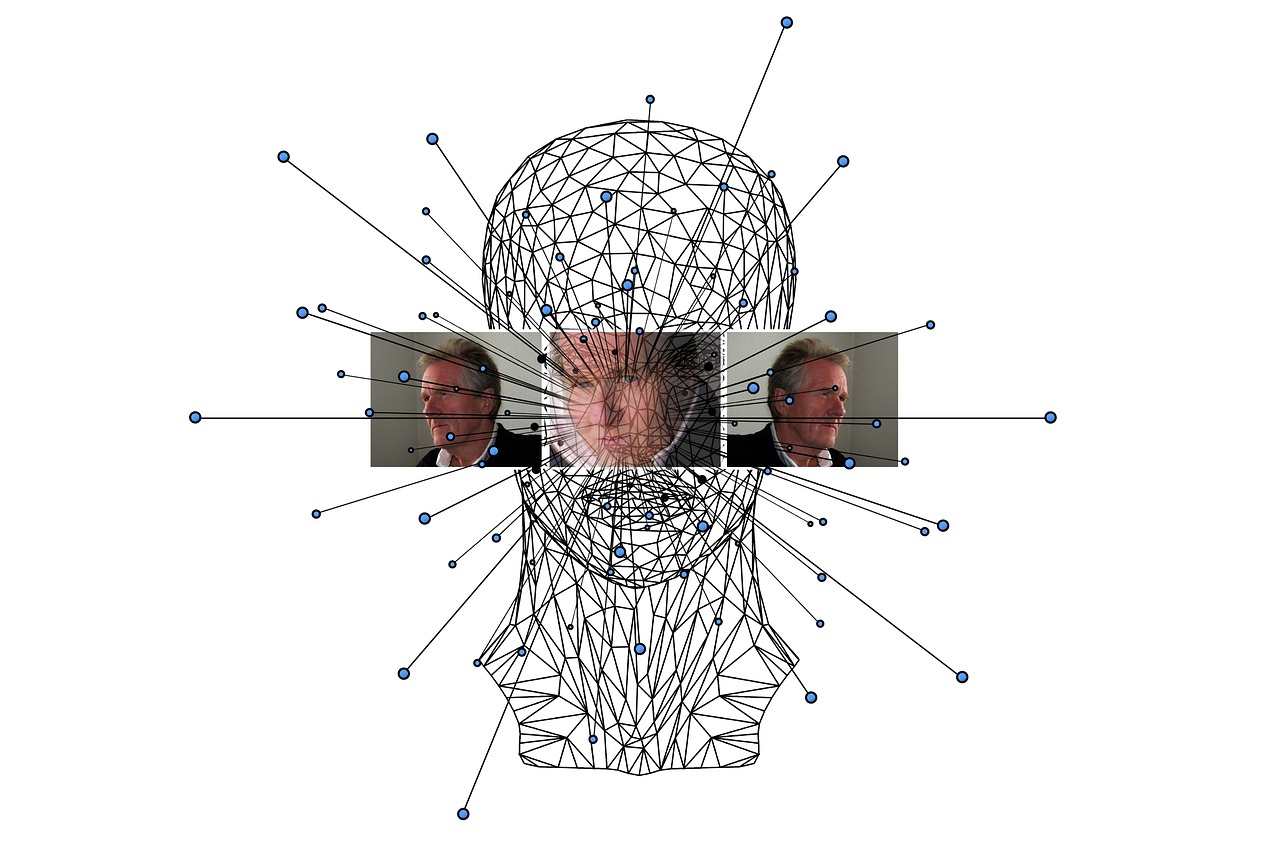
7. **Facial Recognition #
** A biometric technology that uses machine learning algorithms to identify or verify individuals based on their facial features. In law enforcement, facial recognition systems can be used for suspect identification, missing person searches, and access control.
8. **Natural Language Processing (NLP) #
** A subfield of artificial intelligence that focuses on the interaction between computers and human language. NLP techniques, including sentiment analysis, text classification, and entity recognition, can be applied in law enforcement for analyzing written or spoken communications.
9. **Criminal Profiling #
** A behavioral analysis technique used in law enforcement to create profiles of potential suspects based on crime scene evidence, witness testimonies, and psychological theories. Machine learning algorithms can assist in developing accurate criminal profiles by analyzing patterns and correlations in criminal behavior.
10. **Sentiment Analysis #
** A natural language processing technique used to determine the sentiment or opinion expressed in text data. In law enforcement, sentiment analysis can be applied to social media posts, emails, or other communications to gauge public opinion, detect threats, or identify potential risks.
1. *Data Mining #
* The process of extracting patterns, trends, and insights from large datasets using various statistical and machine learning techniques. Data mining is used in law enforcement to uncover hidden relationships, identify crime patterns, and support investigative efforts.
2. *Pattern Recognition #
* The task of identifying regularities or patterns in data through machine learning algorithms. Pattern recognition techniques, such as clustering, classification, and regression, are used in law enforcement for recognizing criminal behaviors, predicting crime trends, and identifying suspects.
3. *Biometric Identification #
* The use of unique physical or behavioral characteristics, such as fingerprints, iris scans, or voice patterns, to identify individuals. Biometric identification technologies can enhance security measures in law enforcement and help in accurate identification of suspects or criminals.
4. *Algorithm Bias #
* The presence of systematic errors or unfairness in machine learning algorithms due to biased training data, flawed assumptions, or human prejudices. Algorithm bias can lead to discriminatory outcomes in law enforcement applications, affecting decision-making processes and potentially infringing on civil rights.
5. *Data Privacy #
* The protection of personal information and sensitive data from unauthorized access, use, or disclosure. Data privacy concerns arise in law enforcement when collecting, storing, and analyzing large amounts of data for crime prevention or investigation purposes, necessitating compliance with privacy regulations and ethical standards.
6. *Ethical AI #
* The development and deployment of artificial intelligence systems that adhere to ethical principles, respect human rights, and prioritize societal well-being. Ethical considerations are crucial in the use of machine learning algorithms in law enforcement to ensure transparency, accountability, and fairness in decision-making processes.
7. *Predictive Analytics #
* The practice of using statistical algorithms and machine learning techniques to analyze historical data and make predictions about future events or trends. Predictive analytics can support law enforcement agencies in identifying crime hotspots, allocating resources efficiently, and preventing criminal activities proactively.
8. *Algorithm Transparency #
* The degree to which machine learning algorithms are explainable, interpretable, and accountable in their decision-making processes. Algorithm transparency is essential in law enforcement to build trust, validate outcomes, and ensure that automated systems comply with legal standards and ethical norms.
9. *Data Bias #
* The presence of skewed or unrepresentative data in machine learning models, leading to inaccurate predictions or unfair treatment of certain groups. Data bias can have serious implications in law enforcement applications, affecting risk assessments, suspect identification, and judicial decisions.
10. *Algorithmic Accountability #
* The responsibility of designers, developers, and users of machine learning algorithms to ensure that automated systems are fair, reliable, and free from bias. Algorithmic accountability is crucial in law enforcement to mitigate potential risks, address algorithmic errors, and uphold the principles of justice and equality.
Explanation of Machine Learning Algorithms in Law Enforcement #
Machine learning algorithms play a critical role in modern law enforcement pract… #
These algorithms analyze vast amounts of structured and unstructured data, including crime records, suspect profiles, witness statements, and social media posts, to identify patterns, trends, and anomalies that may be indicative of criminal activities.
By using supervised, unsupervised, and reinforcement learning techniques, law en… #
For example, predictive policing models can analyze historical crime data to forecast where and when crimes are likely to occur, allowing police departments to deploy officers proactively in high-risk areas and deter criminal activities.
Facial recognition technologies powered by deep learning algorithms can aid in s… #
Natural language processing tools can analyze text data from various sources, including crime reports, social media feeds, and suspect communications, to extract valuable insights, sentiment analysis, and entity recognition for investigative purposes.
However, the use of machine learning algorithms in law enforcement is not withou… #
Algorithm bias, data privacy concerns, ethical dilemmas, and algorithmic transparency issues may arise when deploying AI systems in policing activities. It is essential for law enforcement agencies to address these challenges proactively, establish clear guidelines for algorithmic accountability, and ensure that automated systems comply with legal regulations and ethical standards.
In conclusion, machine learning algorithms have the potential to transform law e… #
By harnessing the power of AI technologies responsibly and ethically, law enforcement agencies can leverage data-driven insights to combat criminal activities, protect communities, and uphold the principles of justice and fairness in society.