
Micronutrients and ADHD
Expert-defined terms from the Postgraduate Certificate in ADHD Nutrition course at Greenwich School of Business and Finance. Free to read, free to share, paired with a professional course.
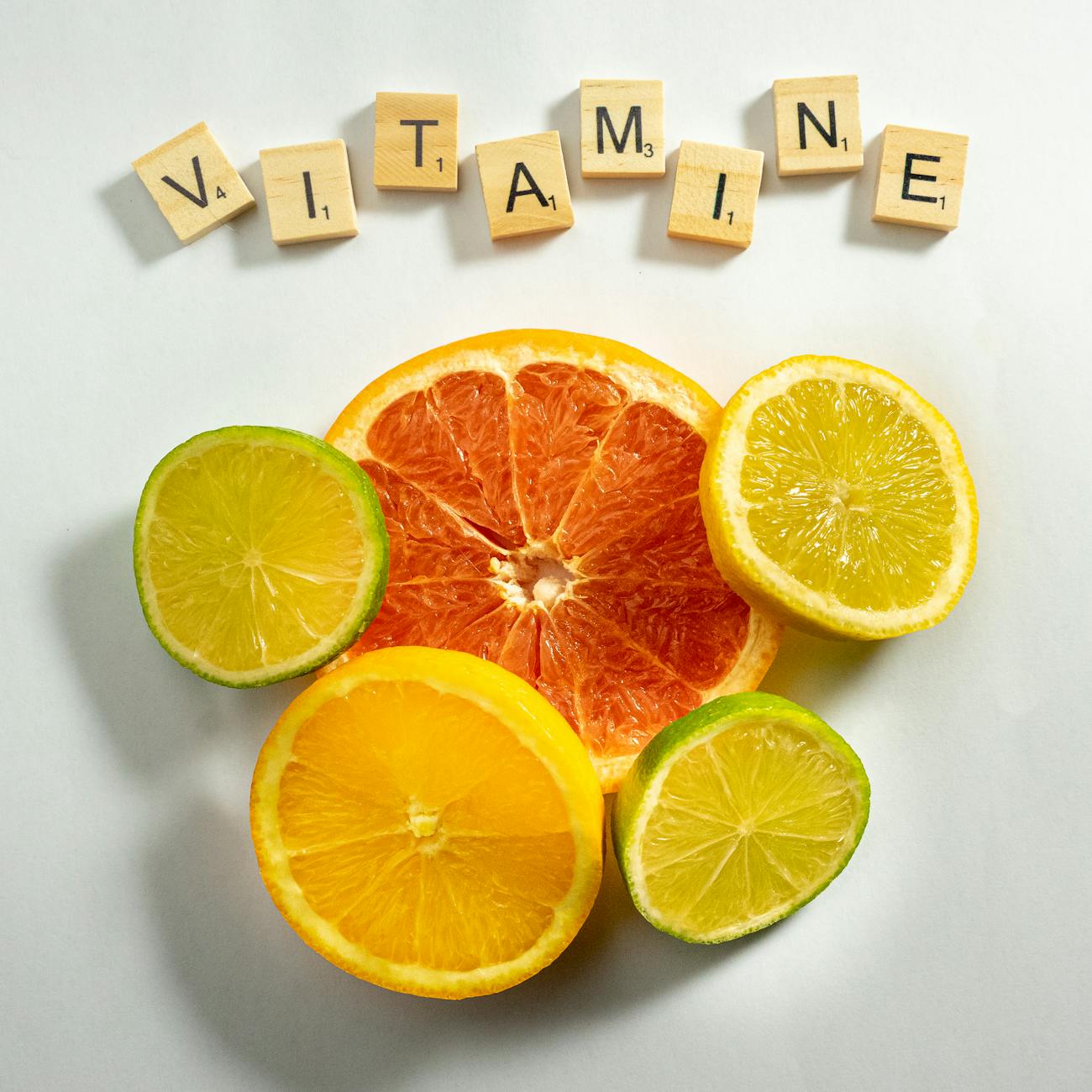
Micronutrients #
Micronutrients
Micronutrients are essential nutrients that the body requires in small amounts f… #
These include vitamins, minerals, and trace elements. Micronutrients play a crucial role in various bodily processes, such as metabolism, energy production, immune function, and cell growth. They are not produced by the body and must be obtained from the diet. Deficiencies in micronutrients can lead to a range of health issues, including cognitive impairments, weakened immune system, and developmental delays.
ADHD (Attention #
Deficit/Hyperactivity Disorder)
ADHD is a neurodevelopmental disorder characterized by persistent patterns of in… #
It is commonly diagnosed in childhood but can persist into adulthood. Individuals with ADHD may have difficulty focusing, organizing tasks, following through on instructions, and controlling impulses. ADHD can impact academic performance, social relationships, and overall quality of life. Treatment often involves a combination of medication, therapy, and lifestyle modifications.
Nutrition #
Nutrition
Nutrition refers to the process of obtaining and consuming food to meet the body… #
A balanced diet that includes a variety of nutrients is essential for optimal physical and mental well-being. Proper nutrition can help prevent chronic diseases, support immune function, and improve cognitive function. Nutrient-dense foods such as fruits, vegetables, whole grains, lean proteins, and healthy fats are key components of a healthy diet.
Postgraduate Certificate in ADHD Nutrition #
Postgraduate Certificate in ADHD Nutrition
The Postgraduate Certificate in ADHD Nutrition is an advanced academic program f… #
This certificate program is designed for healthcare professionals, educators, and individuals interested in gaining specialized knowledge in the role of diet and micronutrients in managing ADHD symptoms. The curriculum typically covers topics such as the impact of diet on behavior, cognitive function, and mood in individuals with ADHD. Students learn about micronutrient deficiencies, dietary interventions, and evidence-based strategies for optimizing nutrition to support individuals with ADHD.
Dietary Interventions #
Dietary Interventions
Dietary interventions refer to changes in eating habits and food choices aimed a… #
In the context of ADHD, dietary interventions focus on optimizing nutrient intake to support brain function, cognitive performance, and behavioral regulation. These interventions may involve increasing the consumption of foods rich in essential micronutrients such as omega-3 fatty acids, iron, zinc, magnesium, and vitamins B and D. Dietary modifications may also include reducing the intake of processed foods, artificial additives, and sugar, which have been linked to worsening ADHD symptoms in some individuals.
Behavioral Regulation #
Behavioral Regulation
Behavioral regulation refers to the ability to control and modulate one's though… #
In individuals with ADHD, deficits in behavioral regulation can manifest as impulsivity, hyperactivity, inattention, and poor self-control. Behavioral regulation is essential for goal-directed behavior, social interactions, and academic performance. Strategies to improve behavioral regulation in individuals with ADHD may include cognitive-behavioral therapy, mindfulness practices, and environmental modifications to reduce distractions and impulsive behaviors.
Cognitive Function #
Cognitive Function
Cognitive function encompasses a range of mental processes involved in acquiring… #
These processes include attention, memory, language, executive function, and problem-solving skills. Individuals with ADHD may experience difficulties in various aspects of cognitive function, such as sustained attention, working memory, cognitive flexibility, and inhibition. Optimizing cognitive function through nutrition, lifestyle modifications, and cognitive training can help individuals with ADHD improve academic performance, social interactions, and overall quality of life.
Omega #
3 Fatty Acids
Omega #
3 fatty acids are essential polyunsaturated fats that play a crucial role in brain function, cardiovascular health, and inflammation regulation. The three main types of omega-3 fatty acids are alpha-linolenic acid (ALA), eicosapentaenoic acid (EPA), and docosahexaenoic acid (DHA). These fatty acids are found in fatty fish, flaxseeds, chia seeds, walnuts, and algae. Research suggests that omega-3 fatty acids, particularly EPA and DHA, may have beneficial effects on cognitive function, mood regulation, and behavior in individuals with ADHD. Supplementing with omega-3 fatty acids may help improve attention, impulsivity, and hyperactivity in some individuals with ADHD.
Iron #
Iron
Iron is an essential mineral that plays a vital role in oxygen transport, energy… #
Iron deficiency is common worldwide and can lead to anemia, fatigue, weakness, and cognitive impairments. In children and adolescents with ADHD, iron deficiency has been associated with increased hyperactivity and inattention. Adequate iron intake is important for optimal brain development and neurotransmitter function. Iron-rich foods include red meat, poultry, fish, legumes, fortified cereals, and dark leafy greens. Supplementing with iron may be beneficial for individuals with ADHD who have iron deficiency.
Zinc #
Zinc
Zinc is a trace mineral that is involved in immune function, wound healing, DNA… #
Zinc deficiency can impair attention, memory, and learning abilities. In children with ADHD, low zinc levels have been linked to increased hyperactivity and impulsivity. Foods rich in zinc include oysters, red meat, poultry, nuts, seeds, and legumes. Supplementing with zinc may help improve cognitive function and behavior in individuals with ADHD who have zinc deficiency. It is important to note that excessive zinc intake can be harmful and should be monitored by a healthcare professional.
Magnesium #
Magnesium
Magnesium is an essential mineral that is involved in over 300 enzymatic reactio… #
Magnesium deficiency has been associated with ADHD symptoms such as inattention, hyperactivity, and impulsivity. Foods rich in magnesium include nuts, seeds, whole grains, leafy greens, and legumes. Supplementing with magnesium may help improve cognitive function, mood stability, and sleep quality in individuals with ADHD. It is important to consult a healthcare provider before starting magnesium supplementation, as excessive intake can cause adverse effects.
Vitamins B #
Vitamins B
The B vitamins are a group of water #
soluble vitamins that play essential roles in energy metabolism, neurotransmitter synthesis, and red blood cell production. Several B vitamins, including B6, B9 (folate), and B12, have been studied for their potential benefits in individuals with ADHD. Deficiencies in these vitamins have been linked to cognitive impairments, mood disturbances, and behavioral problems. Foods rich in B vitamins include whole grains, legumes, leafy greens, meat, fish, and dairy products. Supplementing with B vitamins, particularly B6 and B12, may help improve attention, memory, and mood regulation in individuals with ADHD.
Vitamin D #
Vitamin D
Vitamin D is a fat #
soluble vitamin that plays a crucial role in bone health, immune function, and mood regulation. Vitamin D deficiency has been associated with cognitive impairments, depression, and fatigue. In individuals with ADHD, low vitamin D levels have been linked to increased hyperactivity and impulsivity. Sunlight exposure is a primary source of vitamin D, and dietary sources include fatty fish, fortified dairy products, and mushrooms. Supplementing with vitamin D may help improve cognitive function and behavior in individuals with ADHD who have vitamin D deficiency. It is important to monitor vitamin D levels and consult a healthcare provider before starting supplementation.
Processed Foods #
Processed Foods
Processed foods are foods that have been altered from their natural state throug… #
These foods are often high in refined sugars, unhealthy fats, salt, and artificial ingredients. Consuming a diet high in processed foods has been linked to various health issues, including obesity, cardiovascular disease, and cognitive impairments. In individuals with ADHD, processed foods may exacerbate symptoms such as hyperactivity, impulsivity, and inattention. Limiting the intake of processed foods and opting for whole, nutrient-dense foods can support optimal brain function and overall health in individuals with ADHD.
Artificial Additives #
Artificial Additives
Artificial additives are synthetic substances added to food and beverages to enh… #
Common artificial additives include artificial colors, flavors, preservatives, and sweeteners. Some studies suggest that certain artificial additives, such as artificial colors and preservatives, may worsen ADHD symptoms in sensitive individuals. These additives have been linked to hyperactivity, impulsivity, and inattention in children with ADHD. Avoiding foods and drinks containing artificial additives may help reduce behavioral issues and improve focus in individuals with ADHD. Reading food labels and choosing products without artificial additives can support a healthy diet for individuals with ADHD.
Sugar #
Sugar
Sugar is a simple carbohydrate found naturally in fruits, vegetables, and dairy… #
Excessive sugar consumption has been associated with various health problems, including obesity, type 2 diabetes, and cognitive impairments. In individuals with ADHD, high sugar intake may contribute to hyperactivity, impulsivity, and inattention. Consuming sugary foods and drinks can lead to fluctuations in blood sugar levels and energy crashes, affecting mood and behavior. Limiting the consumption of added sugars and opting for whole foods can help stabilize blood sugar levels and support optimal brain function in individuals with ADHD.
Cognitive #
Behavioral Therapy
Cognitive #
behavioral therapy (CBT) is a type of psychotherapy that focuses on identifying and changing negative thought patterns and behaviors. CBT is commonly used to treat various mental health conditions, including anxiety, depression, and ADHD. In individuals with ADHD, CBT can help improve executive function, impulse control, time management, and social skills. CBT techniques may include cognitive restructuring, behavior tracking, problem-solving skills, and stress management strategies. CBT can be effective in combination with other ADHD treatments, such as medication and lifestyle modifications, to help individuals with ADHD manage symptoms and improve overall functioning.
Mindfulness Practices #
Mindfulness Practices
Mindfulness practices involve cultivating present #
moment awareness and non-judgmental acceptance of thoughts, emotions, and sensations. Mindfulness techniques, such as meditation, deep breathing, and body scan exercises, can help individuals with ADHD improve focus, impulse control, emotional regulation, and stress management. Mindfulness practices promote self-awareness, resilience, and relaxation, which can be beneficial for individuals with ADHD who struggle with inattention, hyperactivity, and impulsivity. Incorporating mindfulness into daily routines can support overall well-being and cognitive function in individuals with ADHD.
Environmental Modifications #
Environmental Modifications
Environmental modifications refer to changes in the physical environment to crea… #
These modifications can help reduce distractions, promote organization, and facilitate task completion. In educational settings, environmental modifications may include seating arrangements, visual schedules, noise reduction strategies, and sensory accommodations. At home, environmental modifications may involve creating a quiet study area, implementing routines, and using visual cues to aid in daily tasks. By optimizing the environment, individuals with ADHD can improve focus, productivity, and self-regulation.
Evidence #
Based Strategies
Evidence #
based strategies are interventions and approaches that have been scientifically proven to be effective based on research and clinical studies. In the context of ADHD nutrition, evidence-based strategies aim to optimize diet and nutrient intake to support cognitive function, behavior, and overall well-being in individuals with ADHD. These strategies may include specific dietary recommendations, nutrient supplementation, lifestyle modifications, and behavioral interventions. By utilizing evidence-based strategies, healthcare professionals, educators, and individuals with ADHD can make informed decisions about nutrition and lifestyle choices to manage symptoms and improve outcomes.
Optimizing Nutrition #
Optimizing Nutrition
Optimizing nutrition involves making intentional choices to support overall heal… #
In the context of ADHD, optimizing nutrition focuses on consuming nutrient-dense foods that provide essential vitamins, minerals, and antioxidants for brain function, cognitive performance, and behavioral regulation. This may include increasing the intake of fruits, vegetables, whole grains, lean proteins, healthy fats, and water, while limiting the consumption of processed foods, sugar, artificial additives, and unhealthy fats. By optimizing nutrition, individuals with ADHD can enhance focus, energy levels, mood stability, and overall quality of life.
Challenges #
Challenges
Examples #
Examples
Examples of ADHD nutrition interventions may include incorporating omega #
3-rich foods such as salmon, chia seeds, and walnuts into meals, increasing the consumption of iron-rich foods like lean beef, lentils, and spinach, adding magnesium-rich foods such as almonds, pumpkin seeds, and whole grains to snacks, including B vitamin sources like fortified cereals, poultry, and leafy greens in the diet, and optimizing vitamin D intake through sunlight exposure and dietary sources like fortified milk and yogurt. These examples demonstrate how nutrient-rich foods can be incorporated into daily meals and snacks to support cognitive function, behavior, and overall health in individuals with ADHD.
Practical Applications #
Practical Applications
Practical applications of ADHD nutrition may involve working with a registered d… #
These practical applications can help individuals with ADHD make sustainable changes to their diet and lifestyle to improve symptoms and overall well-being.
Conclusion #
Conclusion
In conclusion, understanding the role of micronutrients in ADHD nutrition is ess… #
Micronutrients such as omega-3 fatty acids, iron, zinc, magnesium, vitamins B, and D play key roles in brain development, neurotransmitter function, and cognitive performance. By incorporating nutrient-rich foods, avoiding processed foods and artificial additives, and implementing evidence-based strategies such as cognitive-behavioral therapy and mindfulness practices, individuals with ADHD can support optimal brain function, behavior regulation, and quality of life. Addressing challenges, providing examples, and applying practical strategies can help individuals with ADHD and their caregivers make informed decisions about nutrition and lifestyle choices to manage symptoms and thrive.