
Ergonomics and Physical Demands in Filming (United Kingdom)
Expert-defined terms from the Graduate Certificate in Health and Safety Management for Film Productions (United Kingdom) course at Greenwich School of Business and Finance. Free to read, free to share, paired with a professional course.
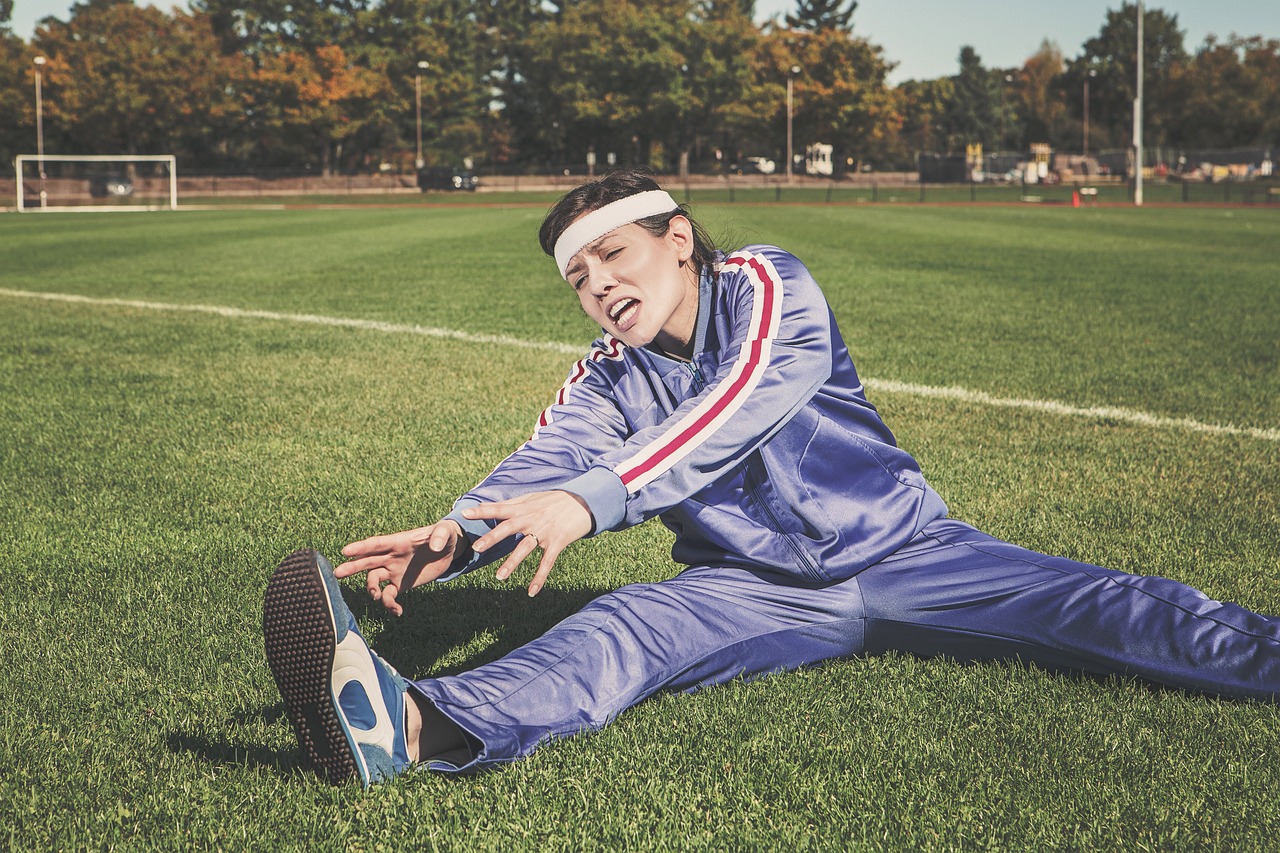
Acute Musculoskeletal Injury #
Acute Musculoskeletal Injury
A sudden injury to muscles, tendons, ligaments, or nerves caused by a single eve… #
Example: a camera operator bruises a shoulder while repositioning a dolly. The challenge is rapid assessment and immediate first‑aid provision on set.
Actuator #
Actuator
A device that converts energy into motion, often used in rigging or automated ca… #
Proper ergonomic placement reduces operator fatigue. Example: a pneumatic winch that moves a crane arm; operators must be trained to avoid over‑reaching.
Adjustable Workstation #
Adjustable Workstation
A filming workstation whose height and angle can be altered to suit different us… #
Enables crew to maintain neutral postures during prolonged editing or script‑supervision. Challenges include ensuring stability and quick re‑configuration between shots.
Anthropometric Data #
Anthropometric Data
Statistical information on human body dimensions used to design equipment and se… #
UK film productions reference the HSE’s “Design for Health and Safety” tables. Inadequate data can lead to poorly sized props that increase strain.
Back‑Support Harness #
Back‑Support Harness
A wearable device that distributes load across the torso and hips, reducing spin… #
Practical use on set includes securing lighting rigs. Challenges involve ensuring correct fit and not restricting movement.
Biomechanics #
Biomechanics
The study of forces acting on the body during movement #
Applied to stunt coordination to minimize joint loading. Example: analyzing a jump stunt to adjust take‑off angles. Complexity arises when translating lab data to unpredictable set environments.
Body Mechanics #
Body Mechanics
The principles of moving the body safely, using joints and muscles efficiently #
Crew training includes keeping loads close to the centre of gravity. Errors often occur under time pressure, leading to lower‑back injuries.
Camera Crane #
Camera Crane
A tall, articulated arm used to achieve high or sweeping shots #
Operators must be trained in safe operating heights and load limits. Ergonomic concerns include the height of control consoles and the need for anti‑fatigue mats on the platform.
Camera Dolly #
Camera Dolly
A wheeled platform that moves the camera along a track #
Manual pushing can cause repetitive strain in the shoulders and back. Solutions involve motorised dollies or using lever‑assist handles to reduce exertion.
Carrying Capacity #
Carrying Capacity
The maximum safe weight an individual can transport without undue risk #
UK guidelines suggest 25 kg for most crew, with exceptions for trained personnel. Over‑loading leads to fatigue and higher injury rates.
Centric Load #
Centric Load
The point where the weight of an object is evenly distributed #
Positioning heavy lights near the centric load of a tripod improves stability and reduces the need for excessive counter‑balancing, lessening operator strain.
Chill‑Out Area #
Chill‑Out Area
A designated space where crew can relax, stretch, and hydrate between takes #
Providing ergonomic seating and temperature control supports recovery from physical demands. Lack of such areas can increase cumulative fatigue.
Co‑ordination of Stunts #
Co‑ordination of Stunts
Planning and executing complex physical actions to ensure safety and visual impa… #
Requires detailed risk assessments and ergonomic considerations to prevent excessive force on performers’ joints.
Cold‑Weather Gear #
Cold‑Weather Gear
Protective apparel designed for low temperatures, maintaining dexterity while pr… #
Ergonomic fit is crucial; overly bulky garments can impede movement and increase accident risk on set.
Control Console #
Control Console
The panel from which a camera or crane is operated #
Adjustable height and tilt reduce neck strain. Poorly placed controls may cause repetitive wrist motions, leading to tendonitis.
Core Stability #
Core Stability
The ability of the trunk muscles to maintain posture during dynamic tasks #
Essential for crew members who lift or carry equipment. Training programmes focusing on core endurance can lower injury incidence.
Counter‑Balancing #
Counter‑Balancing
Adding weight opposite a load to maintain equilibrium, commonly used with boom a… #
Correct counter‑balancing reduces the effort needed by operators, decreasing shoulder and elbow strain.
Crew Fatigue Management #
Crew Fatigue Management
Strategies to monitor and mitigate fatigue among film personnel #
Includes rotating heavy‑lifting duties and enforcing statutory rest periods. Failure to manage fatigue raises the likelihood of mishandling equipment.
Crew Welfare Officer #
Crew Welfare Officer
A designated individual responsible for monitoring physical risk factors on set #
They liaise with production managers to implement ergonomic interventions, such as providing lifting aids.
Cutting Room #
Cutting Room
A space where footage is assembled; often involves long periods of sitting #
Ergonomic chairs with lumbar support and adjustable monitors help prevent musculoskeletal disorders among editors.
Daily Exposure Limit (DEL) #
Daily Exposure Limit (DEL)
The maximum amount of a physical hazard a worker may encounter in a day #
For manual handling, the HSE recommends limiting repetitive lifts to under 500 kg per shift. Exceeding DEL increases injury risk.
De‑risking Assessment #
De‑risking Assessment
A systematic review of tasks to identify ergonomic hazards and propose controls #
Conducted before physically demanding shoots, it may recommend using dollies instead of hand‑carrying heavy rigs.
Ergonomic Hazard #
Ergonomic Hazard
Any factor in the work environment that can cause musculoskeletal strain #
Examples include low‑height tables or prolonged standing on hard surfaces. Identifying these hazards is the first step toward mitigation.
Ergonomic Intervention #
Ergonomic Intervention
A measure taken to reduce ergonomic risk, such as installing adjustable platform… #
Effectiveness depends on correct implementation and crew compliance.
Ergonomic Risk Assessment (ERA) #
Ergonomic Risk Assessment (ERA)
A formal process to evaluate the likelihood and severity of musculoskeletal inju… #
Uses tools like the Rapid Upper Limb Assessment (RULA) to score tasks. Results guide prioritisation of corrective actions.
Exoskeleton #
Exoskeleton
A mechanical framework worn on the body to augment strength and reduce load on j… #
Emerging on UK sets for heavy‑lifting crews, but cost and fit‑issues remain challenges.
Fatigue Monitoring #
Fatigue Monitoring
Techniques to gauge physical tiredness, ranging from subjective check‑lists to b… #
Early detection allows supervisors to intervene before accidents occur.
Force‑Multiplying Device #
Force‑Multiplying Device
Equipment that reduces the effort needed to move heavy loads #
A common example is a block and tackle system for rigging lights. Proper training ensures users do not exceed the device’s rated capacity.
Forward Bend #
Forward Bend
A posture where the torso leans forward, increasing load on lumbar discs #
Repeated forward bends when setting up lighting can cause chronic back pain. Use of tall stools or platforms mitigates this risk.
Freed‑Limb Technique #
Freed‑Limb Technique
A method of analyzing how a worker uses their arms and legs during a task to ide… #
Adjustments can streamline workflow and reduce muscular strain.
Grip Strength #
Grip Strength
The force generated by the hand muscles, important for handling equipment such a… #
Regular testing can identify workers at risk of over‑exertion and guide training programmes.
Ground‑Level Set #
Ground‑Level Set
A filming area where props and equipment are placed at floor height #
While convenient, it often requires crew to crouch or kneel, leading to knee and hip discomfort. Introducing low‑profile platforms can improve posture.
Health and Safety Executive (HSE) #
Health and Safety Executive (HSE)
The UK body that enforces occupational health and safety law #
Provides specific guidance on ergonomics for the film industry, including the “Construction (Design and Management) Regulations” which apply to set construction.
Heavy‑Lift Crew #
Heavy‑Lift Crew
Specialised personnel trained to move loads exceeding standard manual‑handling l… #
They use mechanical aids and follow strict safety protocols to prevent musculoskeletal injuries.
Hip‑Flexor Strain #
Hip‑Flexor Strain
An injury to the muscles that raise the thigh, often occurring when climbing lad… #
Proper warm‑up and use of step‑ladders can reduce incidence.
Horizontal Reach #
Horizontal Reach
The distance a worker can comfortably extend their arm while standing #
Workstations should be designed so most tasks fall within a 0.5‑meter reach to minimise shoulder strain.
Industrial Ergonomics #
Industrial Ergonomics
The application of ergonomic principles to industrial settings, including film s… #
Focuses on designing tools, tasks, and environments that fit the worker’s capabilities.
Job Rotation #
Job Rotation
A scheduling practice that alternates workers between different duties to avoid… #
On a busy shoot, crew may rotate between lighting, camera, and grip duties to distribute physical load.
Knuckle‑Protective Gloves #
Knuckle‑Protective Gloves
Gloves with reinforced padding to shield the fingers during set construction #
While improving safety, they must be fitted correctly to maintain dexterity for fine‑motor tasks.
Load‑Securing Device #
Load‑Securing Device
Equipment used to fasten loads to vehicles or rigs, preventing shifting during t… #
Proper use reduces the need for manual adjustments on set, limiting awkward postures.
Load‑Sharing Platform #
Load‑Sharing Platform
A communal surface that distributes weight among several workers, often used for… #
Encourages coordinated movement, reducing individual strain.
Lower Back Pain (LBP) #
Lower Back Pain (LBP)
A common complaint among crew handling heavy equipment #
Prevention includes proper lifting technique, use of mechanical aids, and regular stretching breaks.
Manual Handling Training #
Manual Handling Training
Instruction that teaches workers how to move loads safely, covering assessment,… #
Mandatory for all crew members who may be required to lift or carry items.
Mechanical Aid #
Mechanical Aid
Any device that assists a worker in moving or positioning objects, reducing phys… #
Examples include motorised dollies and pneumatic lifts. Selection should match the load’s weight and dimensions.
Mobility Assessment #
Mobility Assessment
An evaluation of a worker’s ability to move through various positions required o… #
Findings inform task allocation and ergonomic adjustments.
Motorised Dolly #
Motorised Dolly
A powered camera platform that moves along a track with minimal manual input #
Reduces repetitive strain on operators and provides consistent motion for the shot.
Musculoskeletal Disorder (MSD) #
Musculoskeletal Disorder (MSD)
Neck Strain #
Neck Strain
Pain arising from sustained upward gaze, common when monitoring monitors placed… #
Adjustable monitor stands and frequent micro‑breaks alleviate the problem.
Occupational Hygiene #
Occupational Hygiene
The practice of controlling workplace hazards to protect health #
In ergonomics, it includes monitoring repetitive motion exposures and implementing controls.
Over‑head Work #
Over‑head Work
Any activity performed above shoulder height, increasing shoulder and back load #
Use of extendable ladders with safety rails and mechanical lifts can reduce the need for manual over‑head work.
Personal Protective Equipment (PPE) #
Personal Protective Equipment (PPE)
Equipment worn to minimise exposure to hazards #
In ergonomic contexts, PPE may include supportive footwear and back braces, chosen to complement rather than hinder movement.
Physical Demand Analysis (PDA) #
Physical Demand Analysis (PDA)
A systematic review of the forces, repetitions, and postures required for a spec… #
Results guide the selection of appropriate ergonomic interventions.
Postural Alignment #
Postural Alignment
The arrangement of body parts in a balanced position that minimises strain #
Training crew to maintain alignment while setting up lighting reduces cumulative injury risk.
Power‑Tool Vibration #
Power‑Tool Vibration
Mechanical oscillations transmitted to the user’s hands during operation of dril… #
Limits are set by the HSE; anti‑vibration gloves and tool maintenance help control exposure.
Pre‑Shift Warm‑Up #
Pre‑Shift Warm‑Up
A brief routine of movements designed to increase blood flow and joint mobility… #
Encouraged by many production companies to lower strain incidents.
Protective Footwear #
Protective Footwear
Shoes that guard against impact and provide stable footing on set surfaces #
Ergonomic design includes cushioning to reduce fatigue during long standing periods.
Push‑Pull Load #
Push‑Pull Load
A load that must be moved by applying force in a straight line #
Proper technique recommends keeping the load close to the body and using leg muscles rather than the back.
Quick‑Release Harness #
Quick‑Release Harness
A harness that can be detached rapidly in an emergency #
While essential for fall protection, it must be designed to allow easy movement when not in use.
Repetitive Motion Injury (RMI) #
Repetitive Motion Injury (RMI)
An injury resulting from repeated execution of the same movement, such as operat… #
Mitigation includes task rotation and ergonomic controller design.
Risk Matrix #
Risk Matrix
A visual tool to prioritise hazards based on likelihood and severity #
In ergonomics, it helps decide which tasks need immediate intervention.
Rod‑Clamp #
Rod‑Clamp
A device that secures a rod or pole, allowing hands‑free support #
Used to stabilise lighting rigs, reducing the need for continuous manual holding.
Safety Briefing #
Safety Briefing
A short meeting before work begins to discuss specific risks, including ergonomi… #
Reinforces correct lifting techniques and reminds crew of available aids.
Set‑Up Ergonomics #
Set‑Up Ergonomics
The practice of arranging equipment and stations to minimise unnecessary movemen… #
A well‑planned set reduces walking distances and awkward reaches.
Shoulder Impingement #
Shoulder Impingement
Pain caused by compression of shoulder structures during repeated elevation #
Prevented by limiting overhead tasks and using mechanical lifts for high placement.
Side‑Load Carry #
Side‑Load Carry
Carrying a load that is not centred on the body, leading to lateral spine stress #
Training emphasises shifting the load to the centre or using a trolley.
Sit‑Stand Workstation #
Sit‑Stand Workstation
A workstation that can be used while seated or standing, encouraging movement an… #
Often employed in editing suites.
Spinal Alignment #
Spinal Alignment
Maintaining the natural curves of the spine while seated or standing #
Chairs with adjustable lumbar support help preserve alignment during long editing sessions.
Staggered Breaks #
Staggered Breaks
A system where crew members take breaks at different times to ensure continuous… #
Reduces cumulative fatigue across the team.
Static Load #
Static Load
A weight that remains in a fixed position for an extended period, such as a ligh… #
Proper support prevents sagging and reduces strain on handlers.
Standard Operating Procedure (SOP) #
Standard Operating Procedure (SOP)
A documented set of instructions for performing a task safely #
SOPs for rigging include step‑by‑step ergonomic checks before lifting.
Stroboscopic Lighting #
Stroboscopic Lighting
Lights that flash at high frequency, which can cause visual fatigue for operator… #
Proper shielding and timing reduce adverse effects.
Stunt Performer Conditioning #
Stunt Performer Conditioning
A regimen of strength, flexibility, and cardiovascular training tailored to the… #
Conditioning lowers the risk of musculoskeletal injury during high‑impact scenes.
Structural Load #
Structural Load
The weight a set structure must support, such as walls or platforms #
Engineers calculate load to ensure safety and avoid over‑stress that could cause collapse.
Task Analysis #
Task Analysis
Breaking down a job into its component steps to identify hazardous movements #
In film, this might involve analysing the sequence of moving a camera crane from storage to position.
Thermal Comfort #
Thermal Comfort
The state of satisfaction with the surrounding temperature #
On hot outdoor shoots, heat stress can compound physical fatigue; cooling vests and shade structures help maintain comfort.
Torque Wrench #
Torque Wrench
A tool that applies a specific rotational force, used for securing bolts on rigg… #
Using a torque wrench prevents over‑tightening, which could otherwise require excessive force to loosen later.
Track‑Mounted Dolly #
Track‑Mounted Dolly
A dolly that runs on a fixed track, providing stable movement #
Motorised versions reduce manual pushing, thereby lessening shoulder and arm strain.
Tripping Hazard #
Tripping Hazard
Any obstacle that could cause a crew member to stumble, such as loose power cord… #
Proper cable routing and floor markings mitigate this ergonomic risk.
Upper Limb Assessment #
Upper Limb Assessment
An evaluation focusing on the arms, wrists, and hands to detect strain risk #
Scores guide modifications like adjusting control heights or providing supportive braces.
Upright Posture #
Upright Posture
Maintaining the spine’s natural curves while standing #
Encouraged through the use of anti‑fatigue mats and regular micro‑breaks during long standing periods.
Vehicle‑Mounted Crane #
Vehicle‑Mounted Crane
A crane affixed to a vehicle for rapid relocation #
Operators must be trained to handle the added vibration and reach, which can affect ergonomic load distribution.
Vibration‑Dampening Gloves #
Vibration‑Dampening Gloves
Gloves designed to reduce the transmission of tool vibration to the hand, loweri… #
Must be fitted correctly to preserve grip.
Walking Distance #
Walking Distance
The length crew members travel between tasks #
Minimising walking distance through strategic placement of equipment reduces cumulative fatigue.
Weight‑Distribution Platform #
Weight‑Distribution Platform
A platform that spreads a load evenly across its surface, such as a rolling trol… #
Helps prevent localized pressure points on the back.
A subset of MSDs directly linked to workplace activities #
In film, common WRMSDs include rotator‑cuff injuries from repetitive camera handling.
Workplace Ergonomics Audit #
Workplace Ergonomics Audit
A systematic review of a set’s ergonomic conditions, often conducted by a health… #
Findings are used to develop corrective action plans.
Work‑Station Height #
Work‑Station Height
The vertical position of a work surface relative to the user #
Ideal height allows elbows to rest at a 90‑degree angle while typing or operating controls. Adjustability accommodates different users.
Wrist‑Support Brace #
Wrist‑Support Brace
A brace that stabilises the wrist during repetitive tasks, such as operating a c… #
Must be worn loosely enough to allow movement while providing support.