
Breathing Techniques for Seamless Knitting
Expert-defined terms from the Masterclass Certificate in Mindful Knitting for Emotional Healing course at Greenwich School of Business and Finance. Free to read, free to share, paired with a professional course.
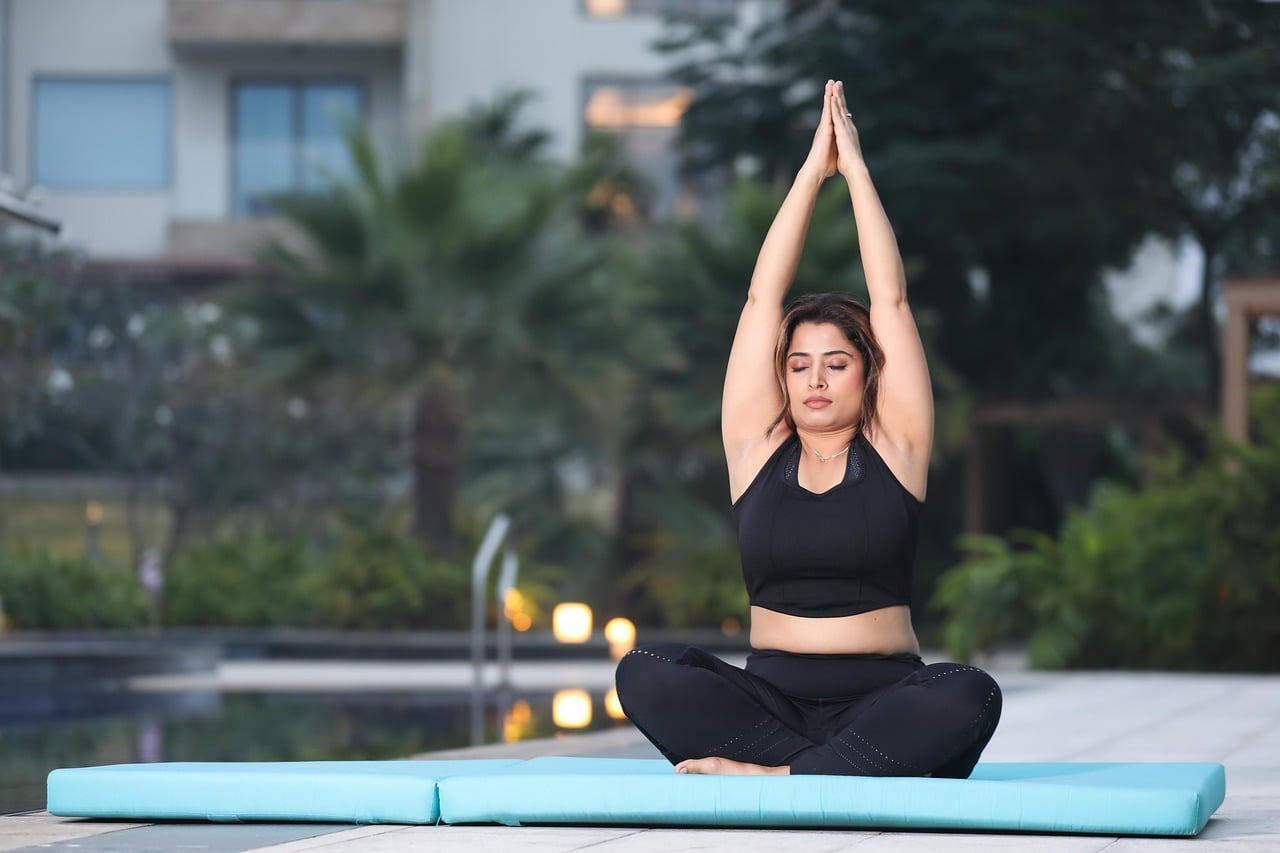
Abdominal Breathing – A foundational technique that engages the diaphragm… #
Related terms: diaphragmatic breathing, belly breath. Example: while casting on, place one hand on the abdomen and feel the expansion. Practical application: enhances relaxation and steadies stitch tension. Challenge: beginners may default to shallow chest breaths, requiring conscious redirection.
Anchor Breath – A brief, intentional inhalation used to reset focus after… #
Related terms: reset breath, grounding inhale. Example: after dropping a stitch, take a slow deep breath before correcting. Practical application: reduces frustration and maintains rhythmic flow. Challenge: remembering to pause without breaking momentum.
Breath Awareness – The mindful observation of inhalation and exhalation p… #
Related terms: breath monitoring, conscious breathing. Example: notice the rhythm of breath aligning with the knit-purl sequence. Practical application: cultivates present‑moment awareness, supporting emotional regulation. Challenge: mind wandering can disrupt both breathing and stitch consistency.
Breath Counting – A technique where the knitter counts each breath up to… #
Related terms: breath tally, numeric breathing. Example: count “one” on the first knit stitch of a row, “two” on the next, and so forth. Practical application: strengthens concentration and stabilizes pulse. Challenge: maintaining accurate count while managing complex patterns.
Breath Cycle – The complete sequence of inhalation, pause, exhalation, an… #
Related terms: breathing rhythm, respiratory loop. Example: inhale while pulling the yarn, pause briefly, exhale while turning the work, pause before the next row. Practical application: creates a soothing cadence that mirrors the knitting process. Challenge: adapting the cycle to varying stitch speeds.
Breath Depth – The volume of air moved during each inhalation, ranging fr… #
Related terms: lung capacity, breath volume. Example: a full breath fills the lower ribs, supporting a calm mindset during intricate cable work. Practical application: deeper breaths increase oxygenation, reducing tension in hands. Challenge: over‑breathing can cause dizziness if not moderated.
Breath Integration – The seamless blending of breathing patterns with kni… #
Related terms: holistic breathing, synchronized respiration. Example: integrate a slow exhale with the motion of pulling yarn through a stitch. Practical application: promotes fluid motion and reduces repetitive strain. Challenge: requires practice to achieve automatic coordination.
Breath Sync – Aligning the tempo of breathing with the tempo of knitting,… #
Related terms: synchronized breathing, rhythm matching. Example: match a 4‑second inhale to four knit stitches, then a 4‑second exhale to the next four. Practical application: steadies heart rate and enhances focus. Challenge: differing stitch speeds may disrupt synchronization.
Calm Inhale – A deliberate, gentle inhalation aimed at inducing tranquili… #
Related terms: soothing breath, relaxation inhale. Example: pause, close eyes, and draw in air through the nose for three counts. Practical application: prepares the mind for mindful knitting. Challenge: may be overlooked when starting a project hastily.
Chest Breathing – A technique primarily using the upper ribcage, often re… #
Related terms: thoracic breathing, superficial breathing. Example: many beginners default to chest breathing while concentrating on a pattern. Practical application: can be useful for quick bursts of energy. Challenge: tends to increase tension and reduce oxygen efficiency, less ideal for prolonged knitting.
Clear Breath – A visualization practice where the knitter imagines inhali… #
Related terms: mental cleansing, breath visualization. Example: picture a bright light entering with each inhale, carrying away doubts with each exhale. Practical application: supports emotional healing during challenging projects. Challenge: requires strong imaginative focus, which can be difficult for some learners.
Coherent Breathing – Maintaining a steady rate of about five breaths per… #
Related terms: resonant breathing, heart‑rate variability breathing. Example: inhale for six seconds, exhale for six seconds while knitting a simple garter stitch. Practical application: enhances calmness and reduces anxiety linked to yarn mishaps. Challenge: sustaining the rate during fast‑paced knitting can feel restrictive.
Counting Breath – Similar to breath counting but emphasizes the breath it… #
Related terms: breath tally, mindful count. Example: silently count “one” on each inhale, “two” on each exhale, returning to “one” after reaching ten. Practical application: anchors attention away from mistakes. Challenge: may interfere with complex stitch timing if not balanced.
Deep Relaxation Breath – A prolonged exhale aimed at releasing muscular t… #
Related terms: release breath, tension‑free exhale. Example: after completing a row, exhale slowly through pursed lips, feeling the shoulders drop. Practical application: prevents repetitive‑strain injuries. Challenge: forgetting to incorporate this breath during long knitting sessions.
Diaphragmatic Expansion – The process of fully engaging the diaphragm to… #
Related terms: abdominal breathing, lung expansion. Example: place a hand on the lower ribs and feel them expand during inhalation. Practical application: improves oxygen flow to the brain, aiding concentration on pattern reading. Challenge: requires consistent practice to become automatic.
Focused Exhale – An intentional release of breath that coincides with a s… #
Related terms: release breath, intentional exhale. Example: exhale as you rotate the needles, allowing the breath to cue the motion. Practical application: creates a cue‑response loop that steadies hand movements. Challenge: may feel forced if the knitter rushes.
Guided Breath Meditation – A short meditation that uses verbal cues to di… #
Related terms: breath script, meditation cue. Example: “Inhale as you pull the yarn, exhale as you slip the stitch.” Practical application: integrates mindfulness into the start of each session. Challenge: requires a recorded guide or a partner to lead.
Hand‑Lung Connection – The awareness that hand movements influence breath… #
Related terms: proprioceptive breathing, kinesthetic breath. Example: notice how a tight grip on needles shortens the inhale. Practical application: loosening the grip naturally deepens the breath, reducing stress. Challenge: recognizing this subtle feedback loop takes time.
Inhale Pause – A brief hold after inhalation, often used to create space… #
Related terms: breath hold, retention pause. Example: after a deep inhale, pause for a count of two before beginning a lace column. Practical application: allows the knitter to assess the stitch before committing. Challenge: holding breath too long can cause dizziness.
Integrative Breathwork – A series of breathing exercises combined with kn… #
Related terms: comprehensive breathing, whole‑body breath. Example: start with abdominal breathing, transition to coherent breathing while knitting, finish with deep relaxation breath. Practical application: supports emotional healing throughout a project. Challenge: requires planning and discipline to follow the sequence.
Journaling Breath – Using breath as a cue to pause and jot down thoughts… #
Related terms: reflective inhale, pause breath. Example: after ten rows, inhale, then write a brief note on emotions felt. Practical application: tracks emotional shifts and patterns. Challenge: may interrupt flow if overused.
Knit‑Breath Pairing – Assigning a specific breath phase to each knit or p… #
Related terms: stitch‑breath mapping, breath‑stitch association. Example: inhale on every knit, exhale on every purl. Practical application: reinforces pattern memory and steadies rhythm. Challenge: complex patterns may break the simple pairing, requiring adaptation.
Lengthened Exhale – Extending the duration of the exhalation to promote r… #
Related terms: slow release, prolonged exhale. Example: exhale for eight counts while sliding the yarn through a stitch. Practical application: lowers heart rate, easing anxiety during intricate work. Challenge: may feel unnatural when the knitter is eager to finish a row quickly.
Mindful Breath Loop – A cyclical practice of breathing, knitting, and ref… #
Related terms: breath‑knit‑reflect cycle, continuous mindfulness. Example: inhale while pulling yarn, knit a stitch, pause to notice sensations, then exhale. Practical application: integrates continuous self‑check, aiding emotional healing. Challenge: maintaining the loop amidst distractions.
Natural Breath Rhythm – The innate breathing pattern that occurs without… #
Related terms: baseline respiration, spontaneous breath. Example: notice how rapid breathing spikes when a mistake occurs. Practical application: identifying deviations helps the knitter return to a calm state. Challenge: recognizing the shift requires self‑awareness.
Open Chest Breath – A breathing style that expands the upper ribcage, pro… #
Related terms: thoracic expansion, spacious breathing. Example: lift the shoulders slightly and inhale, feeling the ribs open. Practical application: counters feelings of confinement that may arise during long sessions. Challenge: may inadvertently increase tension if shoulders are raised too high.
Patience Pause Breath – A deliberate breath taken when frustration builds… #
Related terms: calming inhale, frustration breath. Example: after a dropped stitch, inhale slowly, hold, then exhale before re‑knitting. Practical application: prevents impulsive errors and cultivates emotional resilience. Challenge: remembering to use it in the heat of the moment.
Quiet Breath – A subtle, almost silent inhalation and exhalation used in… #
Related terms: soft breath, silent inhale. Example: during a knitting circle, participants take quiet breaths together before sharing. Practical application: fosters collective calm and shared intention. Challenge: may be overlooked in noisy environments.
Relaxation Breath – A simple technique of inhaling through the nose and e… #
Related terms: calming exhale, soothing breath. Example: inhale for three counts, exhale slowly for six counts while knitting a simple stitch. Practical application: reduces stress hormones, supporting emotional healing. Challenge: maintaining the ratio during fast knitting.
Reverse Breathing – Inhaling while contracting the abdomen and exhaling w… #
Related terms: paradoxical breathing, energizing breath. Example: during a challenging cable pattern, use reverse breathing to stay focused. Practical application: boosts mental acuity for complex sections. Challenge: can feel uncomfortable and may increase tension if not practiced correctly.
Sequential Breath – Aligning each breath with a specific step in a knitti… #
Related terms: stepwise breathing, stage breath. Example: inhale while casting on, exhale while knitting the first row, inhale while binding off. Practical application: creates a structured framework that supports concentration. Challenge: complex projects may require flexible sequencing.
Spiral Breath – A breathing pattern that follows the natural spiral of a… #
Related terms: circular breathing, coil breath. Example: inhale as the needle rotates clockwise, exhale as it rotates counter‑clockwise. Practical application: integrates breath with the physical motion of circular knitting. Challenge: may be difficult for beginners unfamiliar with needle rotation.
Steady Inhale – Maintaining a consistent, unhurried inhalation throughout… #
Related terms: even breath, uniform inhale. Example: keep each inhale at a four‑second count regardless of stitch speed. Practical application: stabilizes heart rate and reduces anxiety. Challenge: can feel restrictive when speed varies.
Stress‑Release Breath – A focused exhalation technique used to discharge… #
Related terms: tension breath, release exhale. Example: after fixing a dropped stitch, exhale sharply through the teeth, feeling the stress exit the body. Practical application: prevents accumulation of frustration. Challenge: may become a habitual sigh if overused.
Syncopated Breathing – Deliberately offsetting breath timing from stitch… #
Related terms: off‑beat breath, rhythm variation. Example: inhale on the first knit, exhale on the third, creating a two‑beat breathing pattern against four‑beat stitch pattern. Practical application: adds creative flow and can inspire new design ideas. Challenge: requires heightened coordination.
Transitional Breath – A short breath taken when moving from one knitting… #
Related terms: phase breath, shift inhale. Example: pause, inhale deeply before beginning the weaving stage. Practical application: signals mental shift and promotes presence. Challenge: may be skipped if the transition feels routine.
Unbroken Breath – Keeping the breath continuous without pauses, fostering… #
Related terms: continuous breathing, flow breath. Example: maintain a soft, even breath while working a large shawl, allowing the breath to merge with the repetitive motion. Practical application: deepens mindfulness and can enhance creative flow. Challenge: maintaining continuity during intense concentration.
Wave Breath – A breathing pattern that mimics the rise and fall of ocean… #
Related terms: tide breath, rhythmic inhale. Example: inhale slowly as the wave climbs, exhale gradually as the wave recedes, synchronizing with the motion of knitting a ribbed pattern. Practical application: soothing for anxiety‑prone knitters. Challenge: may be too slow for fast‑pace projects.
Yarn‑Breath Coordination – The intentional linking of breath phases with… #
Related terms: yarn sync, breath‑yarn alignment. Example: inhale while pulling the yarn from the ball, exhale while sliding it through the needle. Practical application: reduces hand fatigue and encourages fluid motion. Challenge: requires conscious effort until the pattern becomes automatic.