
Introduction to Drones and AI Technologies
Introduction to Drones and AI Technologies
Introduction to Drones and AI Technologies
Drones have become increasingly popular in recent years due to their versatility and ability to perform tasks that were previously impossible or expensive. When combined with Artificial Intelligence (AI) technologies, drones can achieve even greater levels of efficiency, autonomy, and effectiveness. In this course, we will explore the intersection of drones and AI, looking at how these technologies work together to revolutionize various industries and applications.
Key Terms and Vocabulary
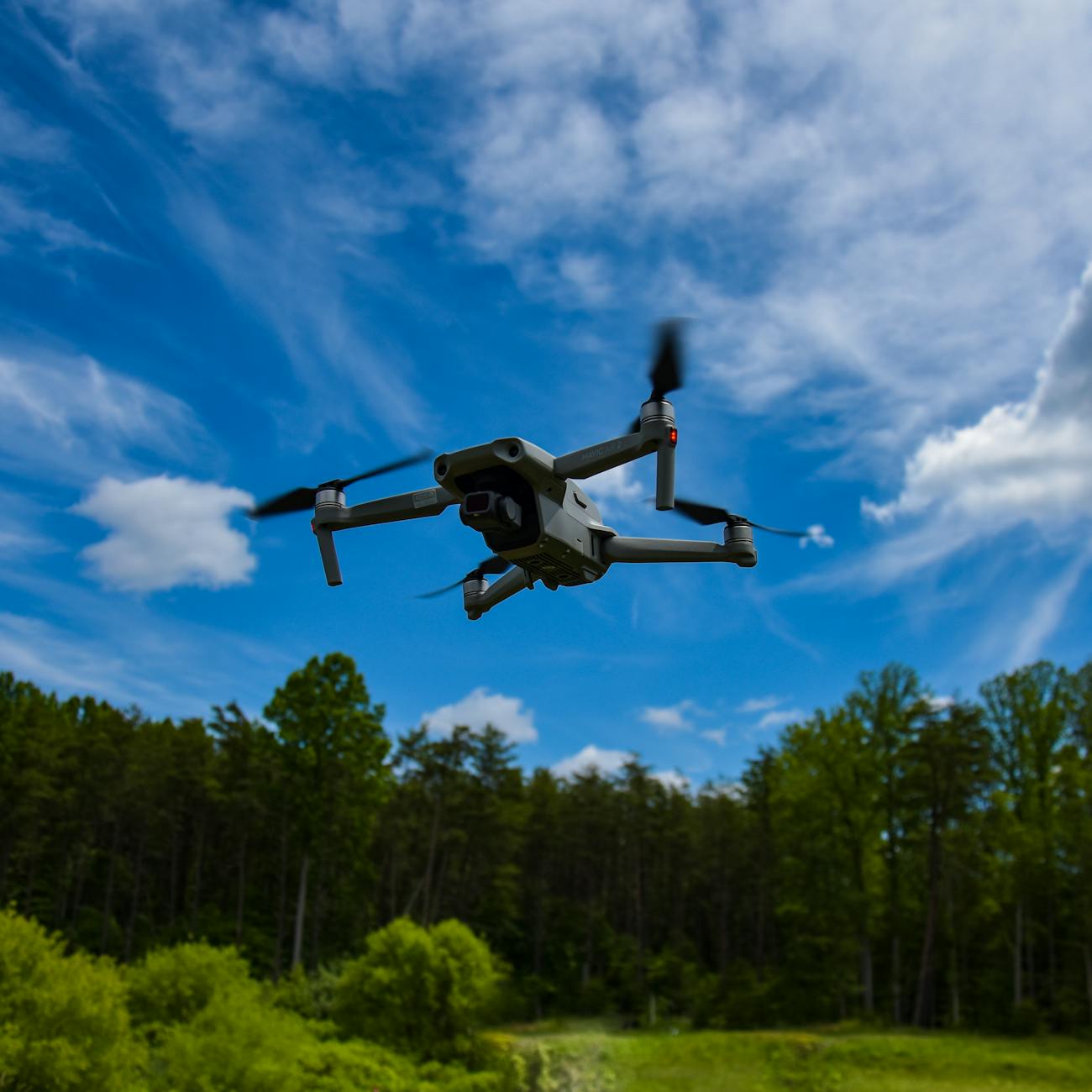
1. Drone (Unmanned Aerial Vehicle - UAV): A drone, also known as an Unmanned Aerial Vehicle (UAV), is an aircraft without a human pilot on board. Drones can be remotely controlled or fly autonomously through pre-programmed flight paths.
2. Artificial Intelligence (AI): AI refers to the simulation of human intelligence processes by machines, especially computer systems. AI technologies enable drones to make decisions, learn from experience, and perform tasks that typically require human intelligence.
3. Machine Learning (ML): Machine Learning is a subset of AI that enables machines to learn and improve from experience without being explicitly programmed. ML algorithms are used in drones to analyze data, detect patterns, and make predictions.
4. Computer Vision: Computer Vision is a field of AI that enables machines to interpret and understand visual information from the real world. Drones use computer vision algorithms to identify objects, navigate obstacles, and perform tasks like aerial mapping and surveillance.
5. LiDAR (Light Detection and Ranging): LiDAR is a remote sensing technology that uses light pulses to measure distances to objects on the ground. Drones equipped with LiDAR sensors can create detailed 3D maps, detect terrain elevation, and conduct environmental monitoring.
6. GPS (Global Positioning System): GPS is a satellite-based navigation system that provides location and time information to users anywhere on Earth. Drones rely on GPS technology for precise positioning, navigation, and waypoint following during flight missions.
7. Autonomous Flight: Autonomous Flight refers to the ability of a drone to operate and navigate without direct human control. AI algorithms enable drones to fly autonomously, make decisions in real-time, and respond to changing environmental conditions.
8. Object Detection: Object Detection is a computer vision technique that involves locating and classifying objects within an image or video. Drones use object detection algorithms to identify people, vehicles, buildings, and other objects of interest during surveillance or search-and-rescue missions.
9. Neural Networks: Neural Networks are a type of AI model inspired by the human brain's structure and function. Drones employ neural networks for tasks like image recognition, speech processing, and decision-making based on complex data inputs.
10. Deep Learning: Deep Learning is a subset of ML that uses neural networks with multiple layers to extract high-level abstractions from raw data. Drones leverage deep learning algorithms for tasks like image classification, anomaly detection, and autonomous navigation.
11. Swarm Intelligence: Swarm Intelligence is a collective behavior exhibited by groups of autonomous agents, such as drones, that interact with each other to achieve a common goal. Swarm intelligence algorithms enable drones to collaborate, communicate, and coordinate their actions in a decentralized manner.
12. Edge Computing: Edge Computing is a distributed computing paradigm that brings data processing closer to the data source, such as drones in the field. Drones use edge computing to analyze data locally, reduce latency, and make real-time decisions without relying on cloud servers.
13. Remote Sensing: Remote Sensing is the science of acquiring information about the Earth's surface from a distance, typically using sensors on satellites or drones. Drones equipped with remote sensing technologies can collect data on vegetation health, land cover, and environmental changes.
14. Payload: Payload refers to the equipment or sensors carried by a drone to perform specific tasks or collect data. Common drone payloads include cameras, LiDAR sensors, thermal imagers, multispectral sensors, and payload delivery systems.
15. Waypoint: A Waypoint is a predetermined location or point in space that a drone is programmed to fly to during a mission. Waypoints are used to define flight paths, survey areas, and conduct aerial inspections with precision.
16. Collision Avoidance: Collision Avoidance is a safety feature that helps drones detect and avoid obstacles in their flight path. AI-powered collision avoidance systems use sensors, cameras, and algorithms to identify potential hazards and navigate around them to prevent accidents.
17. Autonomous Navigation: Autonomous Navigation enables drones to plan and execute flight missions without human intervention. AI algorithms for autonomous navigation allow drones to follow predefined routes, avoid obstacles, and land safely even in complex environments.
18. Drone Swarm: A Drone Swarm is a group of drones that work together in a coordinated manner to accomplish tasks that would be challenging or impossible for a single drone. AI technologies enable drone swarms to perform synchronized movements, form patterns, and collaborate on complex missions.
19. Precision Agriculture: Precision Agriculture is a farming practice that uses drones and AI technologies to optimize crop management, monitor soil health, and increase agricultural productivity. Drones equipped with multispectral sensors can capture detailed imagery to help farmers make data-driven decisions.
20. Search and Rescue: Search and Rescue operations use drones equipped with AI capabilities to locate missing persons, assess disaster-affected areas, and deliver supplies to remote locations. Drones with thermal cameras and AI algorithms can detect heat signatures and identify survivors in emergency situations.
21. Delivery Drones: Delivery Drones are unmanned aerial vehicles used to transport goods and packages from one location to another. AI technologies enable delivery drones to plan efficient routes, avoid obstacles, and drop off deliveries with precision, making them ideal for last-mile logistics.
22. Environmental Monitoring: Environmental Monitoring involves using drones equipped with sensors and AI algorithms to collect data on air quality, water pollution, wildlife populations, and habitat changes. Drones play a crucial role in monitoring and protecting the environment in a cost-effective and efficient manner.
23. Challenges and Future Trends
While the integration of drones and AI technologies offers numerous benefits and opportunities, there are also challenges and considerations that need to be addressed for widespread adoption and success. Some of the key challenges include:
1. Regulatory Compliance: The use of drones for commercial purposes is subject to regulations and restrictions imposed by aviation authorities. Ensuring compliance with safety standards, privacy laws, and airspace regulations is essential for the legal operation of drones.
2. Data Security and Privacy: Drones collect vast amounts of data during flight missions, raising concerns about data security, privacy, and unauthorized access. Safeguarding sensitive information, encrypting data transmissions, and implementing secure communication protocols are critical for protecting drone data.
3. Interoperability: Integrating drones with AI technologies requires compatibility and interoperability between different hardware and software components. Standardizing communication protocols, data formats, and interfaces is necessary to ensure seamless integration and collaboration among drones and AI systems.
4. Energy Efficiency: Drones powered by batteries have limited flight endurance and payload capacity, posing challenges for long-duration missions and heavy payload operations. Improving energy efficiency, optimizing flight algorithms, and developing lightweight materials are essential for enhancing drone performance and autonomy.
5. Reliability and Redundancy: Drones operating in complex environments must be reliable, resilient, and capable of recovering from system failures or malfunctions. Implementing redundancy in critical systems, conducting regular maintenance, and performing risk assessments are essential for ensuring the safety and reliability of drone operations.
6. Ethical and Social Implications: The use of drones and AI technologies raises ethical concerns related to privacy invasion, data misuse, and algorithm biases. Addressing ethical dilemmas, promoting transparency, and engaging stakeholders in ethical discussions are essential for fostering responsible and socially acceptable drone deployments.
7. Future Trends: Despite the challenges, the future of drones and AI technologies is promising, with several trends shaping the industry's evolution:
- 5G Connectivity: The rollout of 5G networks will enable faster data transmission, lower latency, and improved connectivity for drones operating in urban areas and crowded environments. - Edge AI Processing: Edge AI processing will enable drones to perform real-time data analysis, decision-making, and autonomous navigation locally, without relying on cloud servers. - Swarm Robotics: Advances in swarm robotics will allow drone swarms to perform complex tasks collaboratively, such as disaster response, environmental monitoring, and infrastructure inspection. - AI Chipsets: Specialized AI chipsets and processors will enhance the computing power and efficiency of drones, enabling faster data processing, improved autonomy, and advanced AI applications. - Regulatory Frameworks: Developing clear regulatory frameworks and standards for drones and AI technologies will facilitate safe, responsible, and scalable deployment in various industries and applications.
In conclusion, the integration of drones and AI technologies represents a significant advancement in the fields of robotics, automation, and data analytics. By leveraging the power of AI algorithms, drones can perform a wide range of tasks efficiently, autonomously, and cost-effectively. Understanding the key terms and vocabulary related to drones and AI technologies is essential for professionals working in industries such as agriculture, logistics, environmental monitoring, and public safety. As technology continues to evolve, staying informed about the latest trends, challenges, and opportunities in the drone and AI ecosystem will be crucial for driving innovation and unlocking new possibilities for the future.
Key takeaways
- In this course, we will explore the intersection of drones and AI, looking at how these technologies work together to revolutionize various industries and applications.
- Drone (Unmanned Aerial Vehicle - UAV): A drone, also known as an Unmanned Aerial Vehicle (UAV), is an aircraft without a human pilot on board.
- Artificial Intelligence (AI): AI refers to the simulation of human intelligence processes by machines, especially computer systems.
- Machine Learning (ML): Machine Learning is a subset of AI that enables machines to learn and improve from experience without being explicitly programmed.
- Computer Vision: Computer Vision is a field of AI that enables machines to interpret and understand visual information from the real world.
- LiDAR (Light Detection and Ranging): LiDAR is a remote sensing technology that uses light pulses to measure distances to objects on the ground.
- GPS (Global Positioning System): GPS is a satellite-based navigation system that provides location and time information to users anywhere on Earth.