
Psychosocial Aspects Of Skin Conditions
Psychosocial aspects of skin conditions refer to the interplay between psychological processes and social environments that influence the experience, management, and outcomes of dermatologic diseases. Understanding the specialized vocabular…
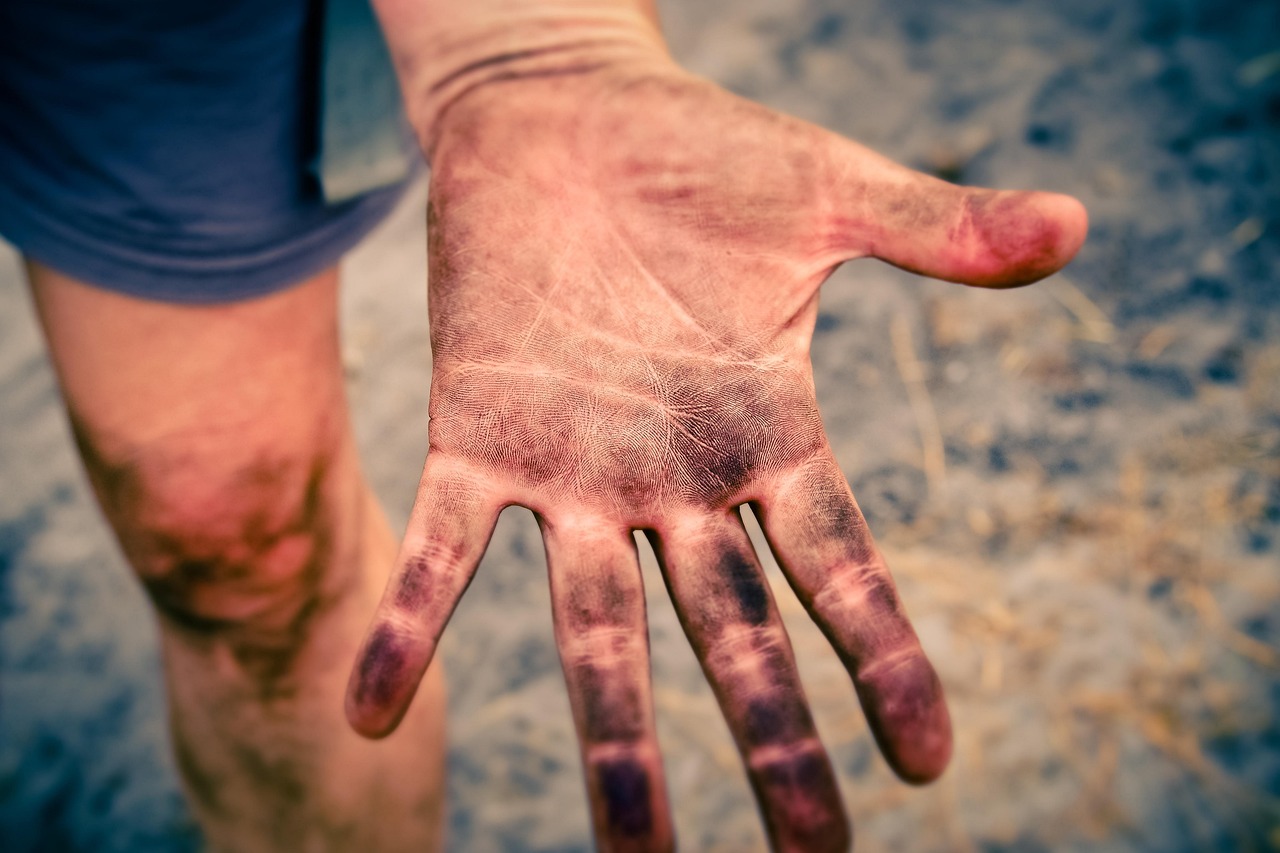
Psychosocial aspects of skin conditions refer to the interplay between psychological processes and social environments that influence the experience, management, and outcomes of dermatologic diseases. Understanding the specialized vocabulary in this domain equips clinicians, researchers, and students to communicate precisely, assess patients holistically, and design interventions that address both mind and body.
Stigma is the devaluing social label attached to individuals who display visible skin lesions. Stigmatization can be *internal* (self‑directed) or *external* (societal). For example, a teenager with severe acne may avoid school activities because peers label the condition as “unclean,” leading to social withdrawal. Recognizing stigma enables clinicians to validate patients’ feelings and incorporate anti‑stigma strategies, such as peer support groups and public education campaigns.
Self‑esteem denotes a person’s overall sense of personal worth. Skin disorders that alter appearance often precipitate a decline in self‑esteem. A patient with vitiligo may report feeling “less attractive” and thus experience reduced confidence in interpersonal relationships. Interventions that bolster self‑esteem—cognitive restructuring, positive affirmations, and skill‑building workshops—are essential components of comprehensive care.
Body image is the mental representation and emotional attitude toward one’s own physical appearance. In dermatology, body image disturbances are common, especially in conditions that affect visible areas such as the face, hands, or scalp. A woman with alopecia may perceive her hair loss as a loss of femininity, influencing her willingness to engage in social situations. Assessing body image through validated scales (e.G., Body Image Disturbance Questionnaire) informs targeted psychotherapy or cosmetic counseling.
Quality of life (QoL) captures the broad impact of disease on daily functioning, emotional wellbeing, and social participation. Dermatologic QoL is often measured with disease‑specific tools such as the Dermatology Life Quality Index (DLQI) or the Skindex‑29. A patient with chronic eczema who scores 18 on the DLQI indicates a “very large effect” on life, prompting clinicians to prioritize both symptom control and psychosocial support.
Health‑related quality of life (HRQoL) narrows the focus to health dimensions, including physical symptoms, mental health, and social roles. HRQoL instruments integrate physical and psychological domains, providing a nuanced picture of disease burden. For instance, an HRQoL assessment may reveal that itch severity, rather than lesion extent, drives functional impairment, guiding treatment toward antipruritic strategies.
Psychodermatology is the interdisciplinary field that examines the bidirectional relationship between skin and mind. It encompasses conditions where psychological factors exacerbate dermatologic disease (e.G., Stress‑induced psoriasis flares) and skin diseases that produce psychiatric symptoms (e.G., Pruritus‑induced anxiety). Professionals in psychodermatology often collaborate with psychologists, psychiatrists, and social workers to deliver integrated care.
Illness perception reflects a patient’s beliefs about the cause, timeline, controllability, and consequences of their skin condition. A person who attributes psoriasis to “genetic destiny” may feel helpless, whereas one who views it as “stress‑responsive” may engage more actively in stress‑reduction techniques. The Illness Perception Questionnaire (IPQ) can quantify these beliefs, facilitating personalized education.
Coping strategies are the mental and behavioral efforts employed to manage disease‑related stress. Adaptive coping includes problem‑solving, seeking social support, and relaxation techniques. Maladaptive coping may involve denial, substance misuse, or catastrophizing. For example, a patient with severe rosacea who uses alcohol to “relax” may inadvertently aggravate flushing, illustrating the need for coping skill training.
Health belief model (HBM) provides a framework for understanding how personal beliefs influence health behaviors. In dermatology, perceived susceptibility (e.G., Believing that sun exposure will worsen melasma) and perceived benefits (e.G., Confidence that sunscreen will improve lesions) predict adherence to preventive measures. Tailoring education to modify these beliefs enhances treatment compliance.
Adherence (or compliance) denotes the extent to which patients follow prescribed therapeutic regimens. Skin conditions often require long‑term topical applications, which can be burdensome. Non‑adherence rates for atopic dermatitis may exceed 50 %, driven by factors such as forgetfulness, fear of side effects, or perceived inefficacy. Strategies to improve adherence include simplifying regimens, using reminder systems, and addressing misconceptions.
Stress is a physiological and psychological response to perceived threats or demands. Chronic stress activates the hypothalamic‑pituitary‑adrenal (HPA) axis, releasing cortisol, which can alter skin barrier function and immune responses. Studies show that patients reporting high perceived stress have more frequent flares of conditions like psoriasis and eczema. Stress‑management interventions—mindfulness, biofeedback, and cognitive‑behavioral therapy—are therefore integral to disease control.
Anxiety refers to excessive worry, tension, and physiological arousal. In skin disease, anxiety may stem from fear of visible lesions, social judgment, or disease unpredictability. A common presentation is “social anxiety disorder” in individuals with facial acne, leading them to avoid public speaking or dating. Screening tools such as the Generalized Anxiety Disorder‑7 (GAD‑7) help identify clinically significant anxiety for referral.
Depression is characterized by persistent low mood, loss of interest, and functional impairment. Dermatologic patients have higher prevalence rates of depression compared to the general population; for instance, up to 30 % of patients with chronic urticaria meet criteria for major depressive disorder. Depression can diminish treatment motivation, creating a vicious cycle of worsening skin and mood. Integrated care models that include mood assessments and psychotherapy improve outcomes.
Psychoneuroimmunology (PNI) studies the interactions among psychological processes, the nervous system, and immune function. In skin disease, PNI explains how emotional stress can modulate cytokine production, influencing inflammation in conditions such as atopic dermatitis. Understanding PNI informs the development of interventions that target both neural pathways (e.G., Relaxation training) and immune mechanisms (e.G., Anti‑inflammatory medication).
Itch‑scratch cycle describes the self‑reinforcing loop where pruritus leads to scratching, which damages the skin barrier, releasing inflammatory mediators that intensify itch. This cycle is central to chronic pruritic disorders like lichen planus. Psychological factors—attention to itch, catastrophizing thoughts—can amplify the cycle. Behavioral interventions that teach “itch control” strategies (e.G., Distraction, cool compresses) are essential adjuncts to pharmacotherapy.
Placebo effect is the beneficial health outcome resulting from a patient’s expectation of improvement, rather than from an active therapeutic ingredient. In dermatology trials, placebo responses can be substantial, especially for subjective symptoms like itch. Recognizing the placebo effect underscores the importance of clinician communication, empathy, and positive framing to harness therapeutic expectations ethically.
Nocebo effect is the counterpart, where negative expectations generate adverse outcomes. A patient warned that a topical steroid may cause skin thinning may experience perceived thinning even when the medication is inert. Minimizing nocebo responses involves balanced information delivery, avoiding overly alarming language while still providing necessary risk disclosures.
Health literacy denotes the ability to obtain, process, and understand basic health information needed to make appropriate decisions. Low health literacy is linked to poorer disease knowledge, reduced adherence, and worse HRQoL in skin disease populations. Clinicians can improve health literacy by using plain language, visual aids, and teach‑back techniques during consultations.
Cultural competence is the capacity of healthcare providers to deliver services that are respectful of and responsive to diverse cultural health beliefs and practices. Certain cultures view skin conditions through spiritual or moral lenses, influencing treatment acceptance. For example, some patients may prefer herbal remedies for eczema; acknowledging these preferences while providing evidence‑based guidance fosters trust.
Gender differences in psychosocial impact are notable. Women often experience greater body‑image distress related to facial acne, while men may report higher stigma associated with scalp disorders like alopecia. Hormonal fluctuations also influence disease course, as seen with premenstrual flare‑ups of eczema. Tailoring psychosocial interventions to gender‑specific concerns enhances relevance.
Age‑related issues affect psychosocial experience. Children with atopic dermatitis may face bullying, leading to school absenteeism. Adolescents are particularly sensitive to peer perception, making acne a major source of distress. Older adults with chronic leg ulcers may confront isolation due to limited mobility. Age‑appropriate counseling, school‑based programs, and home‑care support are crucial.
Comorbidity refers to the coexistence of additional medical or psychiatric conditions. Skin diseases frequently co‑occur with anxiety, depression, or sleep disorders. For instance, patients with severe psoriasis have higher rates of metabolic syndrome, which can compound psychosocial stress. Comprehensive assessment must screen for comorbidities to guide holistic treatment planning.
Social support encompasses emotional, informational, and instrumental assistance received from family, friends, and community networks. Robust social support buffers stress and improves adherence. A patient with vitiligo who participates in an online support forum may experience reduced isolation, leading to better coping and treatment outcomes. Clinicians should assess support structures and facilitate connections when needed.
Patient‑centered communication emphasizes active listening, empathy, and shared decision‑making. Using open‑ended questions (“How does your eczema affect your daily life?”) Invites patients to express concerns beyond physical symptoms. Documented improvements in treatment adherence and satisfaction are linked to patient‑centered approaches, underscoring their importance in psychosocial care.
Stigmatization coping strategies include *disclosure management* (choosing when and to whom to reveal the condition), *social comparison* (identifying role models with similar skin issues), and *advocacy* (participating in awareness campaigns). A young adult with rosacea may join a “Rosacea Awareness” group, finding empowerment through collective action.
Illness identity is the degree to which a disease becomes incorporated into a person’s self‑concept. High illness identity may lead to “sick role” adoption, where the individual perceives themselves primarily as a patient, potentially limiting engagement in normal activities. Therapeutic goals often include reshaping illness identity toward a balanced sense of self.
Resilience refers to the capacity to adapt positively despite adversity. In dermatology, resilient patients maintain functional life despite chronic lesions. Interventions that nurture resilience—strength‑based counseling, goal‑setting, and fostering mastery experiences—have been shown to improve QoL scores independent of disease severity.
Stigmatizing language includes terms that convey blame or moral judgment, such as “dirty skin” or “self‑inflicted.” Using neutral language (“skin inflammation”) reduces internalized stigma and promotes therapeutic alliance. Training programs for clinicians highlight the impact of word choice on patient self‑esteem.
Psychiatric comorbidity screening tools such as the Patient Health Questionnaire‑9 (PHQ‑9) for depression and the GAD‑7 for anxiety are valuable in dermatology clinics. Routine administration allows early identification of mood disorders, facilitating timely referral to mental health professionals.
Behavioral activation is a therapeutic technique that encourages engagement in rewarding activities to counteract depressive withdrawal. A patient with severe psoriasis who has stopped exercising due to embarrassment can be guided to join a low‑impact exercise class, gradually rebuilding confidence and physical health.
Mindfulness‑based stress reduction (MBSR) involves meditation, body scanning, and yoga to cultivate non‑judgmental awareness of sensations. Randomized trials demonstrate that MBSR reduces itch intensity and improves QoL in patients with chronic urticaria, highlighting its applicability in psychodermatology.
Cognitive‑behavioral therapy (CBT) targets maladaptive thoughts and behaviors. In acne, CBT may address catastrophizing thoughts (“Everyone will think I’m dirty”) and replace them with realistic appraisals, reducing social anxiety. CBT is also effective for managing the itch‑scratch cycle by altering attentional focus.
Acceptance and commitment therapy (ACT) emphasizes psychological flexibility, encouraging patients to accept skin symptoms while committing to valued actions. ACT has shown promise in reducing distress among patients with vitiligo, who often struggle with loss of pigment and associated identity concerns.
Social media influence shapes perceptions of skin health. While platforms can provide supportive communities, they also propagate unrealistic beauty standards that exacerbate body‑image dissatisfaction. Clinicians should discuss media literacy with patients, helping them critically evaluate online content.
Teledermatology expands access to care, especially for patients in remote areas. However, virtual visits may limit assessment of psychosocial cues such as non‑verbal affect. Incorporating structured psychosocial questionnaires into telehealth platforms mitigates this limitation.
Patient‑reported outcome measures (PROMs) capture the patient’s perspective on symptoms, functioning, and wellbeing. PROMs like the Skindex‑16 are essential for tracking psychosocial changes over time and evaluating intervention efficacy.
Therapeutic alliance describes the collaborative bond between clinician and patient. A strong alliance predicts better adherence, lower dropout rates, and improved psychosocial outcomes. Techniques to strengthen alliance include expressing empathy, validating emotions, and co‑creating treatment goals.
Stigma reduction interventions may involve educational workshops for healthcare staff, community awareness campaigns, and policy advocacy to protect individuals with disfiguring skin diseases from discrimination. Evidence shows that such programs decrease public prejudice and improve patient self‑esteem.
Trauma‑informed care acknowledges that some patients may have histories of physical or emotional trauma that influence their response to skin disease. A trauma‑sensitive approach avoids triggering language, provides a sense of safety, and offers options for control (e.G., Selecting treatment sites).
Self‑management education empowers patients to monitor symptoms, adhere to treatment, and implement lifestyle modifications. Structured programs often include modules on stress reduction, skin‑care routines, and coping skills, resulting in measurable improvements in HRQoL.
Psychosocial assessment tools include the Dermatology Life Quality Index (DLQI), Skindex, and the Hospital Anxiety and Depression Scale (HADS). Incorporating these tools into routine visits creates a systematic method for detecting psychosocial distress.
Illness trajectory refers to the expected course and phases of a disease (e.G., Onset, flare, remission). Understanding the trajectory helps patients anticipate changes, reducing uncertainty and anxiety. Clinicians can provide anticipatory guidance, such as “You may experience increased itch during seasonal changes.”
Health‑related stigma is distinct from general stigma; it specifically relates to perceptions of contagion, personal responsibility, or moral failure associated with a condition. For example, patients with contagious viral warts may be avoided due to erroneous beliefs about spread. Addressing health‑related stigma involves factual education and empathy.
Psychosocial risk factors are variables that increase vulnerability to adverse mental health outcomes. Common risk factors in skin disease include severe disease severity, visible lesions on socially salient areas, low socioeconomic status, and limited social support. Identifying these factors guides targeted interventions.
Protective psychosocial factors mitigate risk and promote wellbeing. Examples include strong family cohesion, high self‑efficacy, positive coping styles, and access to mental health resources. Clinicians should assess for these strengths and incorporate them into care plans.
Stigma internalization occurs when patients adopt society’s negative beliefs, leading to shame and self‑isolation. Internalized stigma correlates with higher depressive symptoms and poorer treatment outcomes. Interventions such as narrative therapy can help patients externalize and challenge these beliefs.
Psychological flexibility is the ability to adapt thoughts and behaviors in alignment with values, despite emotional discomfort. This concept underlies ACT and is linked to better adaptation to chronic skin conditions. Training in mindfulness and acceptance enhances flexibility.
Health behavior change models (e.G., Transtheoretical Model, Theory of Planned Behavior) provide frameworks for guiding patients through stages of change—from precontemplation to maintenance—when adopting new skin‑care routines or lifestyle modifications.
Dermatologic surgery anxiety is a specific fear associated with procedures such as laser therapy or excision. Pre‑procedure counseling, exposure techniques, and relaxation training can reduce anxiety and improve procedural cooperation.
Patient empowerment involves fostering autonomy, knowledge, and confidence in managing one’s condition. Empowered patients are more likely to engage in self‑monitoring, adhere to treatment, and seek psychosocial support when needed.
Therapeutic storytelling leverages narratives of individuals who have successfully managed skin conditions to inspire hope and provide coping scripts. Stories can be shared via support groups, podcasts, or clinic pamphlets.
Social determinants of health (SDOH) impact access to dermatologic care and psychosocial resources. Factors such as housing instability, transportation barriers, and limited health insurance can exacerbate disease burden. Addressing SDOH may involve referrals to community resources, sliding‑scale clinics, or patient navigation services.
Psychosocial intervention fidelity ensures that therapeutic techniques are delivered as intended. Fidelity monitoring (e.G., Session checklists, supervisor review) is crucial for research validity and clinical effectiveness.
Outcome evaluation for psychosocial programs includes pre‑ and post‑intervention measures of QoL, anxiety, depression, and coping efficacy. Longitudinal follow‑up determines sustainability of benefits.
Multidisciplinary team (MDT) collaboration brings together dermatologists, psychologists, nurses, social workers, and pharmacists. Regular MDT meetings facilitate comprehensive care planning, ensuring that psychosocial concerns are addressed alongside medical treatment.
Clinical case formulation integrates biological, psychological, and social factors to create a personalized understanding of a patient’s presentation. For instance, a case of severe atopic dermatitis may be conceptualized as: Genetic predisposition + barrier dysfunction + high stress + limited social support = frequent flares and depressive symptoms.
Ethical considerations in psychosocial care include confidentiality, informed consent for mental‑health screening, and cultural sensitivity. Clinicians must balance respect for patient autonomy with the duty to intervene when severe distress or suicidal ideation is detected.
Resource allocation challenges arise when psychosocial services are limited. Prioritization may be based on severity of psychosocial distress, risk of self‑harm, or impact on treatment adherence. Tele‑psychiatry and group interventions can extend reach in resource‑constrained settings.
Stigma measurement tools such as the Stigma Scale for Chronic Illness (SSCI) quantify perceived and experienced stigma, providing data to track changes over time and evaluate the impact of anti‑stigma initiatives.
Psychosocial research methodology includes qualitative approaches (interviews, focus groups) to explore patient narratives, and quantitative designs (cross‑sectional surveys, randomized trials) to test intervention efficacy. Mixed‑methods designs offer comprehensive insights.
Implementation science examines how evidence‑based psychosocial interventions can be integrated into routine dermatology practice. Barriers such as time constraints, lack of training, and reimbursement issues are addressed through workflow redesign, staff education, and policy advocacy.
Health policy implications involve advocating for insurance coverage of mental‑health services linked to dermatologic care, recognizing the cost‑effectiveness of integrated approaches that reduce hospitalizations and improve productivity.
Patient advocacy empowers individuals to voice needs, influence service design, and participate in research. Patient advocacy groups often produce educational materials, lobby for legislative change, and host community events.
Professional self‑care for clinicians is essential to prevent burnout, especially when managing emotionally demanding cases like disfiguring skin cancers. Strategies include supervision, peer support, and mindfulness practices.
Future directions in psychosocial dermatology anticipate digital therapeutics (apps delivering CBT for itch), virtual reality exposure for procedural anxiety, and precision psychosomatics using biomarkers to predict stress‑related flare risk.
By mastering this terminology, learners will be equipped to assess, communicate, and intervene effectively in the complex psychosocial landscape that accompanies skin disease. The nuanced understanding of each concept, coupled with practical examples and awareness of implementation challenges, forms the foundation for competent, compassionate, and evidence‑informed practice in psychodermatology.
Key takeaways
- Understanding the specialized vocabulary in this domain equips clinicians, researchers, and students to communicate precisely, assess patients holistically, and design interventions that address both mind and body.
- Recognizing stigma enables clinicians to validate patients’ feelings and incorporate anti‑stigma strategies, such as peer support groups and public education campaigns.
- Interventions that bolster self‑esteem—cognitive restructuring, positive affirmations, and skill‑building workshops—are essential components of comprehensive care.
- In dermatology, body image disturbances are common, especially in conditions that affect visible areas such as the face, hands, or scalp.
- A patient with chronic eczema who scores 18 on the DLQI indicates a “very large effect” on life, prompting clinicians to prioritize both symptom control and psychosocial support.
- For instance, an HRQoL assessment may reveal that itch severity, rather than lesion extent, drives functional impairment, guiding treatment toward antipruritic strategies.
- Professionals in psychodermatology often collaborate with psychologists, psychiatrists, and social workers to deliver integrated care.