
Conservation Facility Planning
Conservation is the overarching practice of preserving cultural heritage objects for present and future generations. It involves a combination of scientific analysis, ethical decision‑making, and hands‑on treatment. In the context of museum…
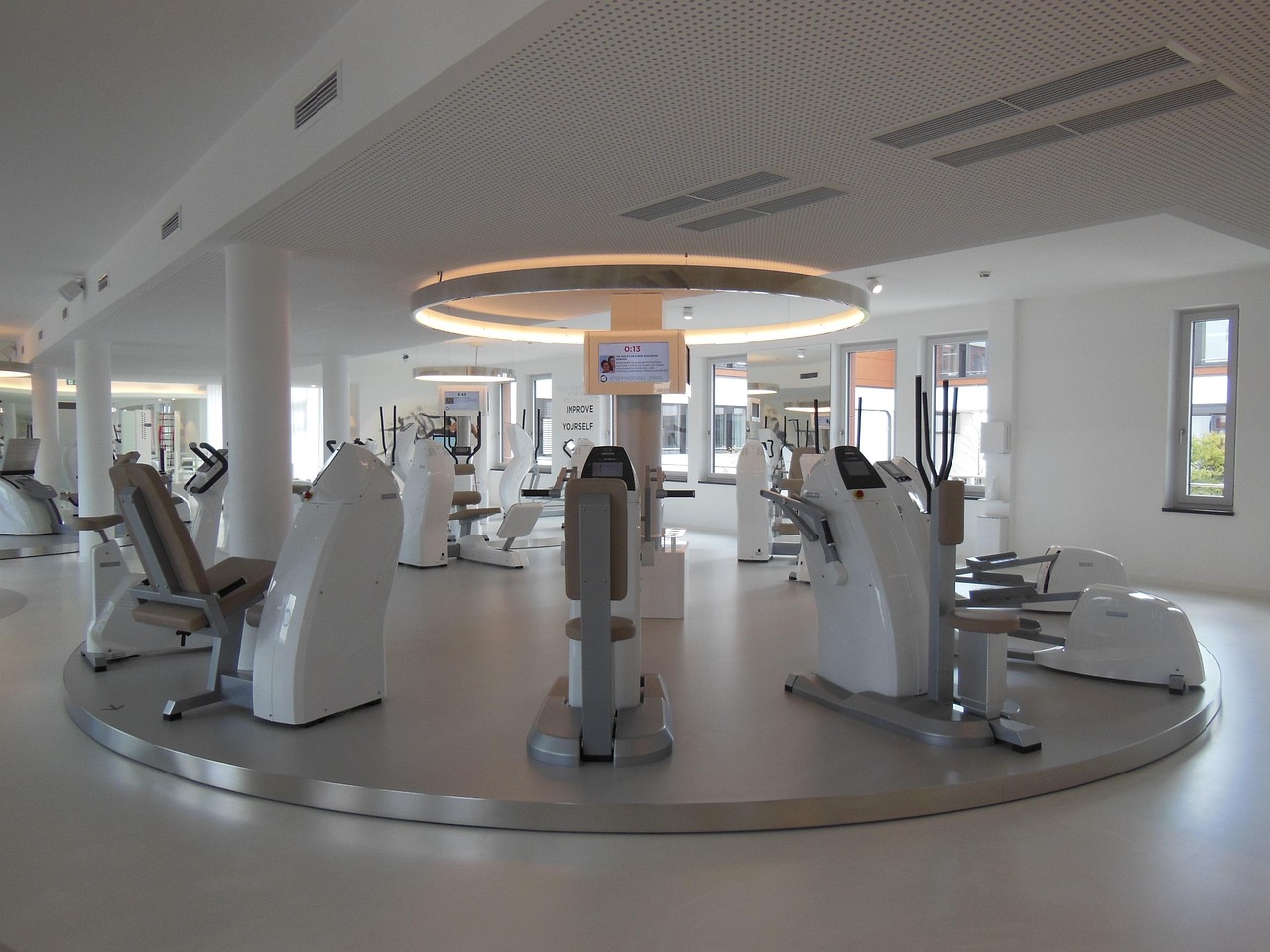
Conservation is the overarching practice of preserving cultural heritage objects for present and future generations. It involves a combination of scientific analysis, ethical decision‑making, and hands‑on treatment. In the context of museum facilities, conservation is not limited to the laboratory; it extends to the building envelope, climate control, security, and visitor management. For example, a museum housing a 19th‑century oil painting must consider not only the pigment stability but also the temperature fluctuations caused by a poorly insulated roof. The challenge lies in aligning the physical protection of objects with the aesthetic and educational missions of the institution.
Preventive Conservation refers to actions taken to minimize the risk of deterioration before damage occurs. This proactive approach includes controlling temperature, humidity, light, pollutants, and pests. An illustration of preventive conservation is the installation of UV‑filtering glazing on exhibition windows to reduce light‑induced fading of textiles. The difficulty often arises from budget constraints, as implementing comprehensive environmental controls can be costly, especially for historic buildings with limited retrofit options.
Environmental Monitoring is the systematic collection of data on climate variables such as temperature, relative humidity, light levels, and pollutant concentrations. Sensors placed throughout galleries and storage areas feed real‑time information to a Building Management System (BMS). A practical application might involve setting an alarm to trigger when humidity exceeds 55 % in a paper archive. Challenges include sensor calibration drift, data overload, and the need for staff training to interpret trends correctly.
HVAC (Heating, Ventilation, and Air‑Conditioning) systems are the mechanical heart of climate control in a museum. They regulate temperature, humidity, and air exchange, creating a stable microclimate for collections. For instance, a variable‑air‑volume (VAV) system can respond to fluctuating occupancy loads in a gallery, maintaining a constant 20 °C temperature. The primary challenge is balancing precise environmental control with energy efficiency; oversized systems waste power, while undersized units may fail to meet conservation standards.
Temperature stability is crucial because many organic materials expand or contract with thermal changes, leading to stress cracks or warping. A common guideline for mixed collections is to maintain a temperature of 18–22 °C with fluctuations no greater than ±2 °C over 24 hours. In a historic building lacking insulation, achieving this stability may require supplemental heating panels, which can introduce uneven temperature gradients and complicate airflow patterns.
Relative Humidity (RH) measures the amount of water vapor in the air relative to the maximum it can hold at a given temperature. For most paper, parchment, and wood objects, an RH range of 45–55 % is recommended, with changes limited to ±5 % over a 24‑hour period. A case study: a museum in a coastal city installed a dehumidification unit to combat high ambient RH, but the system caused condensation on the interior walls because the building envelope lacked a proper vapor barrier. This illustrates the importance of integrating environmental controls with the building fabric.
Light Exposure is quantified in lux‑hours or foot‑candles‑hours, representing the cumulative amount of light energy an object receives. Sensitive materials such as dyes, pigments, and photographs are vulnerable to photochemical degradation. A practical rule of thumb is to limit light levels to 50 lux for illuminated manuscripts and 150 lux for oil paintings. The challenge is often negotiating exhibition design that satisfies curatorial lighting ambitions while respecting conservation limits.
UV Radiation (ultraviolet) comprises wavelengths below 400 nm that can cause irreversible damage to organic compounds. UV filters on glazing, acrylic display cases, and museum lighting fixtures are common mitigation strategies. For example, installing low‑emissivity (low‑E) glass can reduce UV transmission by over 99 %. The difficulty lies in maintaining visual clarity for visitors while achieving the required protection levels.
Microclimate refers to the localized environment surrounding an object or display case, which may differ from the room‑wide conditions. Controlled microclimates are often created within sealed display cases using silica gel desiccants or active humidification systems. An example: a rare vellum manuscript stored in a sealed wooden cabinet with a built‑in humidistat maintains an RH of 50 % regardless of room fluctuations. However, microclimate management demands careful monitoring to avoid condensation inside the enclosure, which can cause mold growth.
Integrated Pest Management (IPM) is a comprehensive approach to preventing pest infestations that could damage collections. It includes regular inspection, trapping, environmental modification, and, when necessary, targeted chemical treatment. A museum may deploy pheromone traps in storage corridors to monitor for carpet beetles that feed on wool textiles. The main challenge is balancing the need for chemical control with the health of staff and visitors, requiring strict adherence to safety protocols.
Risk Assessment is the systematic evaluation of potential threats to collections, ranging from environmental fluctuations to human error. The process involves identifying hazards, estimating the probability of occurrence, and assessing the severity of impact. For instance, a risk assessment might reveal that a flood‑prone basement storage area poses a high risk to paper archives, prompting relocation to a higher floor. The difficulty often lies in quantifying intangible risks such as vandalism or accidental mishandling.
Disaster Planning encompasses the development of procedures to protect and recover collections in the event of emergencies such as fire, flood, or earthquake. A disaster plan typically includes evacuation routes, emergency contact lists, and salvage priorities. An example: a museum creates a tiered salvage plan, designating “priority 1” objects (e.g., rare manuscripts) for immediate rescue, while “priority 2” items (e.g., bulk storage) may be stabilized later. Challenges include maintaining up‑to‑date plans, training staff, and securing funding for emergency supplies.
Collection Care is the day‑to‑day management of objects, including handling, packing, transport, and storage. It relies on standardized procedures, proper equipment, and trained personnel. A practical application is the use of padded, acid‑free crates for shipping paintings, which reduces mechanical shock and prevents chemical migration. The challenge is ensuring consistency across different departments and external contractors, especially when dealing with traveling exhibitions.
Facility Layout determines how spaces are organized for exhibition, storage, conservation labs, and visitor circulation. Efficient layout minimizes the distance objects travel between storage and display, reducing handling risk. For example, locating the conservation lab adjacent to the storage area allows quick access to items needing treatment. Constraints such as historic floor plans, structural columns, and accessibility requirements often complicate optimal layout design.
Storage Enclosures are containers that protect objects from environmental fluctuations, dust, and physical damage. Common types include archival boxes, polyester film sleeves, and custom‑built cabinets. A museum might use polyethylene bags with a nitrogen flush to store sensitive photographic prints, preventing oxidation. The challenge is selecting enclosures that are both protective and reversible, adhering to conservation ethics that discourage permanent alteration of objects.
Acid‑Free Materials are paper, board, and packaging products that contain less than 30 mg kg⁻¹ of acid, preventing acid migration that can degrade cellulose‑based objects. Using acid‑free folders for archival documents extends their lifespan by decades. The difficulty arises when legacy collections are already stored in acidic containers; transitioning to acid‑free materials requires a coordinated repackaging program and careful inventory management.
Conservation Lab is a dedicated space equipped for scientific analysis, treatment, and documentation of objects. It typically includes workbenches, fume hoods, microscopes, and controlled lighting. A practical example is a lab with a temperature‑controlled drying chamber for consolidating flaking paint on a canvas. Challenges include ensuring the lab’s environmental conditions do not adversely affect nearby exhibition spaces, and complying with health and safety regulations for chemical use.
Conservation Treatment involves the physical or chemical intervention to stabilize or restore an object. Treatments range from surface cleaning to structural reinforcement. For instance, a conservator may apply a reversible consolidant to a cracked terracotta sculpture. The principal challenge is balancing the desire for aesthetic improvement with the principle of minimal intervention, ensuring that any treatment can be undone if future technologies offer better solutions.
Climate Control is the broader term encompassing temperature, humidity, and air quality management. It is often achieved through integrated HVAC, dehumidification, and filtration systems. A museum might employ a zoned climate control strategy, where galleries with delicate textiles receive tighter humidity regulation than spaces displaying metal artifacts. The challenge is coordinating multiple subsystems to avoid conflicts, such as a humidifier raising RH in one zone while a dehumidifier simultaneously lowers it in an adjacent zone.
Energy Efficiency is a critical consideration in facility planning, especially as museums strive to reduce operating costs and environmental footprints. Strategies include high‑efficiency chillers, variable‑frequency drives, and demand‑controlled ventilation. An example: installing a heat recovery ventilator captures waste heat from exhaust air and uses it to pre‑heat incoming fresh air, lowering heating demand. The challenge is that high‑efficiency equipment often requires higher upfront capital, and retrofitting older structures can be technically complex.
Sustainable Design incorporates environmentally responsible practices throughout the building lifecycle. It includes material selection, water conservation, and renewable energy integration. A museum may incorporate photovoltaic panels on a roof addition to offset electricity consumption for climate control. The difficulty lies in reconciling sustainability goals with strict conservation standards; for instance, solar panels can increase roof temperature, potentially affecting interior RH unless mitigated.
Building Envelope refers to the outer shell of the museum, including walls, roof, windows, and doors. Its performance determines the rate of heat loss, moisture ingress, and air leakage. A well‑insulated envelope reduces the load on HVAC systems, contributing to stable interior conditions. A practical challenge is that many heritage museums have historic façades that cannot be altered without compromising architectural integrity, requiring creative solutions such as interior insulation that does not affect interior aesthetics.
Insulation materials reduce thermal transfer between interior and exterior spaces. Common options include mineral wool, expanded polystyrene, and aerogel blankets. For a museum in a cold climate, adding interior wall insulation can help maintain a steady 20 °C temperature with less heating. However, improper installation can trap moisture, leading to condensation within wall cavities and eventual mold growth, which threatens both the building and the collections.
Vapor Barrier is a material that resists the diffusion of water vapor, preventing condensation within building assemblies. Polyethylene sheets are often used in new construction. In a museum, a vapor barrier must be placed on the warm side of insulation to avoid trapping moisture against the interior finishes. The challenge is ensuring continuity of the barrier across joints and penetrations, as even small gaps can become sources of moisture accumulation.
Air Exchange is the process of replacing indoor air with outdoor air, essential for diluting indoor pollutants and maintaining oxygen levels. Museums typically aim for a controlled exchange rate of 0.5–1 air changes per hour. A museum located near a busy roadway might increase exchange rates during periods of high outdoor pollutant concentrations, using high‑efficiency filters to protect collections. Balancing adequate ventilation with the desire to limit pollutant ingress is a constant design tension.
Filtration removes particulate matter and gaseous contaminants from the air supply. HEPA (High‑Efficiency Particulate Air) filters capture 99.97 % of particles down to 0.3 µm, protecting sensitive objects from dust and spores. For example, a conservation lab may employ a dedicated HEPA filtration unit to maintain a clean environment for delicate textile work. The downside is that HEPA filters increase pressure drop, requiring more powerful fans and higher energy consumption.
HEPA Filters are a specific class of high‑efficiency filters used in critical environments. Their performance must be regularly verified through pressure differential measurements. An installation example: a museum’s exhibition hall uses a series of HEPA filters in the return air duct to capture dust before it recirculates. The challenge lies in maintaining filter integrity; over‑loading without timely replacement can reduce airflow and cause temperature spikes.
Air Quality encompasses both particulate and gaseous pollutants such as sulfur dioxide, nitrogen oxides, and volatile organic compounds (VOCs). These agents can accelerate corrosion of metals, discoloration of pigments, and degradation of paper. A museum may install activated carbon filters to adsorb VOCs from the supply air. Monitoring air quality requires sophisticated analyzers, and the challenge is interpreting data to determine whether observed pollutant levels pose a genuine risk to collections.
Pollutant Sources include indoor emitters like adhesives, paints, cleaning agents, and outdoor contributors such as traffic emissions and industrial activity. Identifying sources enables targeted mitigation. For instance, a museum discovered that a newly installed epoxy floor emitted high levels of VOCs, prompting a switch to low‑emission flooring. The difficulty often lies in tracing diffuse sources, especially when multiple materials contribute simultaneously.
Off‑gassing describes the release of gases from materials over time. New construction materials, furniture, and display case components can emit acids and solvents that threaten objects. A case study: a museum replaced wooden display cases with powder‑coated metal ones, only to find that the coating off‑gassed acetic acid, damaging nearby paper. Mitigation strategies include using low‑off‑gas materials, pre‑conditioning new items, and allowing adequate aeration before installation.
Material Compatibility ensures that objects, enclosures, and building components do not chemically interact adversely. For example, metal brackets used to support a marble sculpture must be stainless steel or coated to avoid galvanic corrosion. The challenge is that compatibility assessments often require laboratory testing, extending project timelines and budgets.
Structural Stability refers to the ability of a building or display structure to bear loads without excessive deformation. Load‑bearing capacity calculations must account for the weight of heavy objects, such as bronze statues or large paintings. A museum may reinforce floor joists beneath a grand exhibition hall to support a new sculpture weighing several tons. The difficulty is that reinforcing historic structures must respect original fabric and may require complex engineering solutions.
Load‑Bearing Capacity is the maximum load a floor, wall, or support element can safely sustain. Determining this capacity involves reviewing structural drawings, material properties, and safety factors. For example, a museum planning to install a 5‑ton marble column must verify that the existing floor can handle the additional load without exceeding design limits. When capacity is insufficient, engineers may add supplementary steel beams or distribute the load across a broader area.
Seismic Design addresses the need to protect collections and occupants from earthquake forces. Strategies include base isolation, shear walls, and flexible mounting systems for display cases. A museum in a high‑seismic zone may install shock‑absorbing mounts beneath delicate glass displays to reduce transmission of ground motion. The challenge is integrating seismic upgrades into historic buildings without compromising architectural authenticity.
Fire Protection encompasses detection, suppression, and compartmentalization measures designed to prevent fire spread and limit damage. Smoke detectors, sprinkler systems, and fire‑resistant walls are standard components. For instance, a museum may install a pre‑action sprinkler system that only releases water after a separate detection event, reducing the risk of accidental discharge onto artworks. Balancing fire safety with conservation concerns (e.g., water damage from sprinklers) is a persistent design dilemma.
Fire Suppression Systems are active mechanisms that extinguish fires, such as sprinklers, inert gas systems, or foam dispensers. A museum with valuable electronic archives might opt for an inert gas system that floods the space with nitrogen, avoiding water damage. However, inert gas systems are expensive to install and maintain, and they require precise sealing to be effective.
Sprinkler Systems are the most common fire suppression method, delivering water under pressure to control flames. The design can be tailored to museum needs by using mist‑type sprinklers that emit fine droplets, reducing water volume while still achieving fire suppression. The challenge is ensuring that sprinkler discharge does not cause unacceptable water exposure to objects, which may necess
Clean Rooms are controlled environments with low particulate counts, often required for conservation labs handling fragile or chemically sensitive objects. ISO Class 7 or better clean rooms may be specified for textile stabilization work. Maintaining a clean room demands strict protocols, including gowning procedures, airlock entry, and regular filter replacement. The difficulty is that clean rooms increase operational costs and require dedicated space, which may be limited in older museums.
Controlled Access limits who can enter sensitive areas, reducing the risk of accidental damage or theft. Access control systems may use card readers, biometric scanners, or keypad locks. A museum might restrict entry to the storage vault to senior conservators and authorized staff only. Managing access rights, maintaining logs, and training personnel on security policies present ongoing administrative challenges.
Security Systems include alarm sensors, motion detectors, and video surveillance to protect collections from theft and vandalism. Integration with the BMS allows real‑time alerts and coordinated responses. For example, a motion sensor triggered in a gallery after hours can automatically activate a silent alarm and notify local law enforcement. The challenge is preventing false alarms caused by environmental fluctuations, such as HVAC vibrations that may be mistaken for intrusion.
Alarm Systems provide audible or silent warnings of unauthorized entry or emergencies. Silent alarms are preferred in museums to avoid startling visitors during a potential theft, while audible alarms may be used for fire or flood alerts. Installation must consider acoustic impact on exhibition spaces; a loud alarm could damage sound‑sensitive installations. Managing alarm thresholds and ensuring regular testing are essential to maintain reliability.
CCTV (Closed‑Circuit Television) offers continuous visual monitoring of exhibition and storage areas. High‑resolution cameras can capture fine details, aiding in post‑incident analysis. A museum may position cameras to cover blind spots near a valuable sculpture, providing deterrence and evidence if an incident occurs. The challenge is balancing surveillance coverage with privacy concerns for staff and visitors, as well as ensuring sufficient storage for video archives.
Visitor Flow describes the movement patterns of guests through exhibition spaces. Effective flow design reduces congestion, minimizes accidental contact with objects, and enhances the visitor experience. Wayfinding signage, barrier ropes, and strategic placement of entry points guide traffic. A museum may use crowd‑simulation software to model peak visitor numbers and adjust gallery widths accordingly. Challenges include accommodating spikes during special exhibitions while preserving a calm environment for delicate objects.
Accessibility ensures that museum spaces are usable by people with disabilities, complying with legal standards such as the Americans with Disabilities Act (ADA). Features include ramps, tactile signage, and accessible restrooms. For conservation facilities, accessibility may involve designing lift‑accessible storage racks for conservators with mobility impairments. The difficulty is integrating accessibility upgrades into historic structures without compromising heritage values.
ADA Compliance is a legal requirement in many jurisdictions, mandating barrier‑free access. Compliance may require modifications to door widths, ramp gradients, and restroom fixtures. An example: a museum retrofits an entrance with a hydraulic lift to meet ADA standards while preserving the original façade. The challenge is that retrofits can be costly and may need approvals from heritage preservation authorities.
Environmental Impact Assessment (EIA) evaluates the potential effects of a museum project on the surrounding ecosystem. It considers factors such as energy consumption, emissions, waste generation, and water usage. Conducting an EIA before constructing a new wing helps identify mitigation measures, such as incorporating green roofs to reduce stormwater runoff. The difficulty lies in gathering accurate baseline data and reconciling mitigation strategies with conservation priorities.
Lifecycle Cost Analysis (LCCA) compares the total cost of ownership for different design options over their expected service life. It includes initial capital, operation, maintenance, and disposal costs. A museum might use LCCA to decide between a high‑efficiency chiller with higher upfront cost versus a standard unit with lower initial expense but higher energy bills. The challenge is accurately projecting future energy prices and maintenance needs, which can be uncertain.
Preventive Maintenance is a scheduled program of inspections, cleaning, and servicing to keep building systems operating within design parameters. Regular filter replacement, coil cleaning, and sensor calibration are examples. A museum may adopt a quarterly preventive maintenance schedule for its HVAC system to avoid unexpected failures that could jeopardize collection climate. The difficulty is allocating sufficient staff time and budget to perform maintenance consistently.
Calibration ensures that measurement devices such as temperature probes, hygrometers, and light meters provide accurate readings. Calibration should be performed against certified standards at regular intervals. For instance, a museum may send its humidity sensors to an accredited laboratory for calibration annually. Inadequate calibration can lead to erroneous data, causing the BMS to make inappropriate adjustments that may harm objects.
Sensor Calibration specifically refers to the adjustment of individual sensors to match known reference values. Modern BMS platforms often include self‑diagnostic features that flag sensors deviating beyond tolerance limits. A practical application is the automatic calibration reminder generated when a temperature sensor drifts by more than 0.5 °C from the benchmark. Challenges include managing a large inventory of sensors and ensuring that calibration records are properly documented.
Data Logging involves recording environmental parameters over time for analysis and trend identification. Continuous data logging enables museums to detect gradual shifts, such as a slow rise in RH during summer months. An example: a museum stores five years of temperature data in a secure server, allowing conservators to correlate climate trends with observed pigment fading. The challenge is handling large data sets, ensuring data integrity, and providing staff with the skills to interpret the information meaningfully.
Building Management System (BMS) is a computerized platform that monitors and controls HVAC, lighting, security, and fire protection systems. It integrates sensor inputs, alarms, and automation routines to maintain optimal conditions. A museum may program the BMS to lower lighting levels automatically when natural daylight exceeds a set threshold, thus protecting light‑sensitive objects while saving energy. The difficulty lies in configuring the system to respect both conservation requirements and operational flexibility, often necessitating interdisciplinary collaboration.
Redundancy refers to the inclusion of backup components or systems to ensure continuous operation in case of failure. Redundant HVAC units, power supplies, and data storage are common in museums. For example, a museum may install a secondary chiller that activates automatically if the primary unit malfunctions, preventing temperature excursions that could damage collections. The challenge is balancing redundancy costs with risk tolerance, especially for institutions with limited budgets.
Backup Power systems, such as generators or uninterruptible power supplies (UPS), provide electricity during outages. Critical climate control and security equipment must remain powered to avoid loss of environmental stability and protection. A museum might connect its BMS to a UPS that supplies power for at least 30 minutes, allowing a generator to start and take over. The difficulty is ensuring that backup power sources are regularly tested and that fuel supplies are maintained.
UPS (Uninterruptible Power Supply) delivers immediate power to essential equipment when utility power fails, bridging the gap until generators engage. UPS units also protect sensitive electronics from voltage spikes. A conservation lab may rely on UPS to keep microscopes and analytical instruments running during brief outages, preventing data loss. The challenge is sizing UPS capacity correctly; undersized units may not sustain critical loads long enough for safe shutdown.
Emergency Power encompasses both UPS and generator solutions, forming a comprehensive strategy to maintain essential services. Emergency power plans should identify priority loads, such as climate control for high‑value collections, security systems, and fire detection. An example: a museum’s emergency power plan designates the humidity control system for the rare books vault as a top priority, ensuring it receives power before less critical lighting circuits. The difficulty is coordinating with local utility providers and complying with fire codes that may limit generator placement.
Conservation Ethics guide the professional conduct of conservators, emphasizing principles such as minimal intervention, reversibility, and respect for the object's original materials. Facility planning must reflect these ethics by avoiding irreversible alterations to historic structures. For instance, installing a permanent mechanical ventilation duct through a heritage wall may conflict with ethical standards, prompting the search for less invasive alternatives. The challenge is reconciling ethical imperatives with practical constraints like space limitations.
Code of Ethics is a formal document, often published by professional organizations, outlining responsibilities to objects, institutions, and the public. Museums adopt these codes to ensure consistent decision‑making. A museum might reference the International Council of Museums (ICOM) code when drafting its conservation policy, reinforcing commitment to ethical stewardship. The difficulty is translating broad ethical statements into concrete operational procedures that staff can follow daily.
Documentation involves recording the condition, treatment, and environmental history of each object. Accurate documentation supports future research, facilitates provenance verification, and aids in risk assessment. A museum may use a digital collection management system to store high‑resolution images, condition reports, and climate data linked to each artifact. The challenge is maintaining consistent documentation standards across departments and ensuring long‑term digital preservation of records.
Condition Reporting is the systematic description of an object's current state, noting any deterioration, damage, or previous interventions. Condition reports are essential for monitoring changes over time. For example, a conservator may note that a silk tapestry exhibits slight discoloration in the lower left quadrant, establishing a baseline for future comparison. Challenges include achieving uniform terminology, training staff to recognize subtle signs of decay, and allocating time for thorough inspections.
Integrated Facility Management (IFM) combines building operations, maintenance, security, and conservation functions into a unified framework. IFM promotes coordination among engineers, conservators, and administrators, reducing duplication and improving response times. A museum may adopt an IFM software platform that schedules HVAC maintenance, tracks pest trap data, and logs security incidents in a single dashboard. The difficulty is ensuring that the platform accommodates the specialized needs of museum environments, which differ from typical commercial facilities.
Stakeholder Engagement involves consulting and involving all parties with an interest in the museum’s facilities, including curators, conservators, donors, visitors, and regulatory agencies. Engaging stakeholders early in the planning process can surface hidden requirements, such as a donor’s request for a specific display environment for a loaned collection. The challenge is balancing divergent priorities, managing expectations, and maintaining transparent communication throughout the project lifecycle.
Funding Sources for museum facility projects include government grants, private donations, endowments, and revenue from ticket sales. Identifying appropriate funding streams is critical for project feasibility. For instance, a museum may apply for a preservation grant from a cultural heritage agency to finance the installation of a climate‑control system. The difficulty lies in aligning grant criteria with project goals, preparing compelling proposals, and meeting strict reporting obligations.
Grant Writing is the process of crafting proposals to secure external funding. Successful grant writing requires clear articulation of needs, objectives, budgets, and anticipated outcomes. A museum’s grant application might describe how a new HVAC system will extend the lifespan of its fragile textile collection by 30 %. The challenge is competing for limited funds, adhering to strict formatting guidelines, and providing measurable metrics that satisfy funders.
Cost‑Benefit Analysis compares the monetary and non‑monetary advantages of a proposed investment against its costs. In museum facilities, this analysis may weigh the expense of installing a high‑efficiency dehumidifier against the projected reduction in paper deterioration rates. A practical example: a cost‑benefit study shows that every $10,000 spent on improved humidity control saves $50,000 in future conservation treatment. The difficulty is quantifying intangible benefits, such as enhanced visitor experience or preservation of cultural heritage.
Project Management encompasses the planning, execution, monitoring, and closure of facility projects. Core components include scope definition, schedule development, resource allocation, and risk mitigation. A museum undertaking a wing renovation will develop a detailed project charter, assign a project manager, and establish a governance structure. Challenges include coordinating multiple contractors, managing change orders, and ensuring that construction activities do not jeopardize ongoing collections care.
Gantt Chart is a visual tool that displays project tasks over time, illustrating dependencies and critical milestones. Museums often use Gantt charts to track the sequencing of HVAC installation, wall construction, and exhibit installation. For example, a Gantt chart may show that the fire suppression system must be completed before the final paint coating can be applied. The challenge is maintaining the chart’s accuracy as unforeseen delays, such as supply chain disruptions, arise.
Critical Path identifies the sequence of tasks that determines the shortest possible project duration. Delays on the critical path directly extend the overall timeline. In a museum renovation, the critical path might involve structural reinforcement, followed by HVAC ductwork, then environmental testing. Understanding the critical path enables managers to allocate resources strategically. The difficulty is that changes to non‑critical tasks can inadvertently become critical if they affect dependencies.
Procurement covers the acquisition of goods and services needed for facility projects, from mechanical equipment to specialized conservation materials. A museum may issue a request for proposals (RFP) for a custom climate‑control system designed to operate within tight humidity tolerances. The procurement process must ensure compliance with legal regulations, ethical standards, and quality expectations. Challenges include vetting vendors for heritage‑sensitive experience and negotiating favorable contract terms.
Vendor Qualification assesses the competence, reliability, and track record of potential suppliers. Museums often require vendors to demonstrate experience with museum‑grade HVAC, fire protection, or conservation‑grade materials. A qualification checklist may include references from other cultural institutions, certifications, and proof of compliance with relevant standards. The difficulty is that the pool of qualified vendors may be limited, leading to longer lead times and higher costs.
Sustainable Materials are those sourced responsibly, have low environmental impact, and often contain recycled content. In museum construction, sustainable materials might include reclaimed wood for display case interiors or low‑VOC paints for wall finishes. Selecting sustainable options supports broader institutional goals of environmental stewardship. Challenges include verifying certifications, ensuring material performance meets conservation standards, and reconciling sustainability with heritage authenticity.
Recycled Content indicates the proportion of a material that originates from post‑consumer or post‑industrial waste. For example, a museum could specify that insulation boards contain at least 30 % recycled fibers. Incorporating recycled content reduces landfill waste and resource extraction. The challenge is that recycled materials may have variable properties, requiring additional testing to confirm suitability for climate‑controlled environments.
Green Building practices aim to minimize ecological footprints through energy efficiency, water conservation, and healthy indoor environments. Museums can pursue green building certifications such as LEED (Leadership in Energy and Environmental Design). A green museum might incorporate rainwater harvesting to supply non‑potable water for landscaping, thereby reducing municipal demand. The difficulty lies in integrating green strategies without compromising the strict environmental controls needed for collections.
LEED Certification provides a recognized framework for evaluating a building’s sustainability performance across categories like energy use, materials, and indoor environmental quality. Achieving LEED Gold or Platinum status can enhance a museum’s public image and attract funding. The certification process requires documentation, performance testing, and third‑party verification. Challenges include meeting the stringent energy targets while maintaining the precise climate conditions demanded by sensitive artifacts.
Energy Modeling uses computer simulations to predict a building’s energy consumption under various scenarios. Museums employ energy modeling to optimize HVAC sizing, evaluate insulation upgrades, and assess the impact of daylighting strategies. An example: a museum’s energy model shows that adding a high‑performance glazing system reduces heating loads by 15 % while maintaining acceptable light levels for an adjacent gallery. The difficulty is ensuring that model assumptions accurately reflect real‑world operation, especially when collections impose non‑standard environmental setpoints.
Thermal Mass refers to a material’s ability to absorb, store, and release heat, helping to moderate indoor temperature swings. Incorporating thermal mass, such as concrete floors, can stabilize temperature in museums with limited HVAC capacity. However, high thermal mass can also delay the response of climate control systems, making it harder to quickly correct deviations. Designers must balance thermal inertia with the need for rapid environmental adjustments.
Renewable Energy sources, such as solar photovoltaic panels or geothermal heat pumps, can supply part of a museum’s power demand. A museum may install a solar array to offset electricity used by lighting and HVAC, reducing carbon emissions. The challenge is that renewable generation is variable; integrating it with the museum’s critical climate‑control loads requires careful system design, possibly including battery storage to smooth out fluctuations.
Water Conservation measures reduce the consumption of potable water, which is particularly relevant for museums with extensive landscaping, restrooms, and fire‑suppression systems. Low‑flow fixtures, rainwater harvesting, and grey‑water recycling are common strategies. For example, a museum could use reclaimed water for its irrigation system, preserving municipal water for essential functions. The difficulty is ensuring that water‑saving technologies do not compromise fire‑safety requirements, which often demand a reliable supply of clean water.
Indoor Air Quality (IAQ) standards address the presence of pollutants, allergens, and odors that can affect both human occupants and collections. IAQ management may involve source control (e.g., selecting low‑emission furnishings), ventilation strategies, and filtration upgrades. A museum might conduct IAQ testing after installing new carpeting to verify that VOC levels remain below critical thresholds for metal artifacts. The challenge is that IAQ monitoring must be continuous, as indoor pollutant sources can appear unexpectedly.
Acoustic Control is essential in museums that host audio‑based installations or require quiet environments for research. Acoustic panels, sound‑absorbing ceilings, and vibration isolation can reduce noise transmission. A conservation lab may install floating floors to prevent vibrations from nearby construction activities affecting delicate microscopy work. The difficulty lies in integrating acoustic treatments without compromising fire rating or altering historic interior aesthetics.
Vibration Management addresses the impact of mechanical vibrations on sensitive objects, particularly scientific instruments, delicate paintings, and historic glass. Isolation pads, resilient mounts, and dedicated foundations can mitigate vibrations from HVAC equipment or nearby traffic. For instance, a museum housing a historic astronomical telescope may place the instrument on a vibration‑isolated slab to preserve alignment. Challenges include accurately measuring vibration frequencies and amplitudes, and designing isolation systems that do not interfere with other building functions.
Fire‑Resistant Materials are used to construct walls, doors, and ceilings that can withstand fire exposure for a specified duration, protecting both occupants and collections. Materials such as gypsum board with fire‑rating additives or intumescent coatings can be applied to heritage structures where fire safety upgrades are required. The challenge is ensuring that fire‑resistant treatments do not emit harmful gases that could degrade artifacts, necessitating careful material selection and testing.
Smoke Control systems manage the movement of smoke during a fire, preventing it from reaching collection spaces and aiding evacuation. Smoke curtains, pressurization fans, and dedicated exhaust ducts are common components. A museum may install a smoke‑control system that automatically closes fire doors and directs smoke away from the rare books vault. The difficulty is integrating smoke control with existing HVAC ductwork without compromising climate stability during normal operation.
Emergency Evacuation Plans outline procedures for safely removing visitors, staff, and, when feasible, objects during an emergency. Plans include designated assembly points, signage, and staff roles. A museum may conduct regular fire drills to test the effectiveness of evacuation routes, adjusting plans based on observed bottlenecks. The challenge is that moving large or fragile objects during an evacuation can be risky; therefore, prioritization and training are essential.
Risk Mitigation Strategies are proactive measures designed to lower the probability or impact of identified hazards. Strategies may
Key takeaways
- For example, a museum housing a 19th‑century oil painting must consider not only the pigment stability but also the temperature fluctuations caused by a poorly insulated roof.
- The difficulty often arises from budget constraints, as implementing comprehensive environmental controls can be costly, especially for historic buildings with limited retrofit options.
- Environmental Monitoring is the systematic collection of data on climate variables such as temperature, relative humidity, light levels, and pollutant concentrations.
- The primary challenge is balancing precise environmental control with energy efficiency; oversized systems waste power, while undersized units may fail to meet conservation standards.
- In a historic building lacking insulation, achieving this stability may require supplemental heating panels, which can introduce uneven temperature gradients and complicate airflow patterns.
- A case study: a museum in a coastal city installed a dehumidification unit to combat high ambient RH, but the system caused condensation on the interior walls because the building envelope lacked a proper vapor barrier.
- Light Exposure is quantified in lux‑hours or foot‑candles‑hours, representing the cumulative amount of light energy an object receives.