
Blockchain for Renewable Energy Solutions
Blockchain technology is revolutionizing various industries, including the renewable energy sector. By providing a secure, transparent, and decentralized platform for transactions, blockchain can optimize energy trading, increase efficiency…
Blockchain technology is revolutionizing various industries, including the renewable energy sector. By providing a secure, transparent, and decentralized platform for transactions, blockchain can optimize energy trading, increase efficiency, and promote sustainability. In this course, we will explore key terms and concepts related to blockchain for renewable energy solutions.
Blockchain: Blockchain is a distributed ledger technology that enables the secure recording of transactions across a network of computers. Each block contains a list of transactions, and once verified, it is added to the chain in a chronological order. This decentralized system eliminates the need for intermediaries and ensures transparency and immutability.
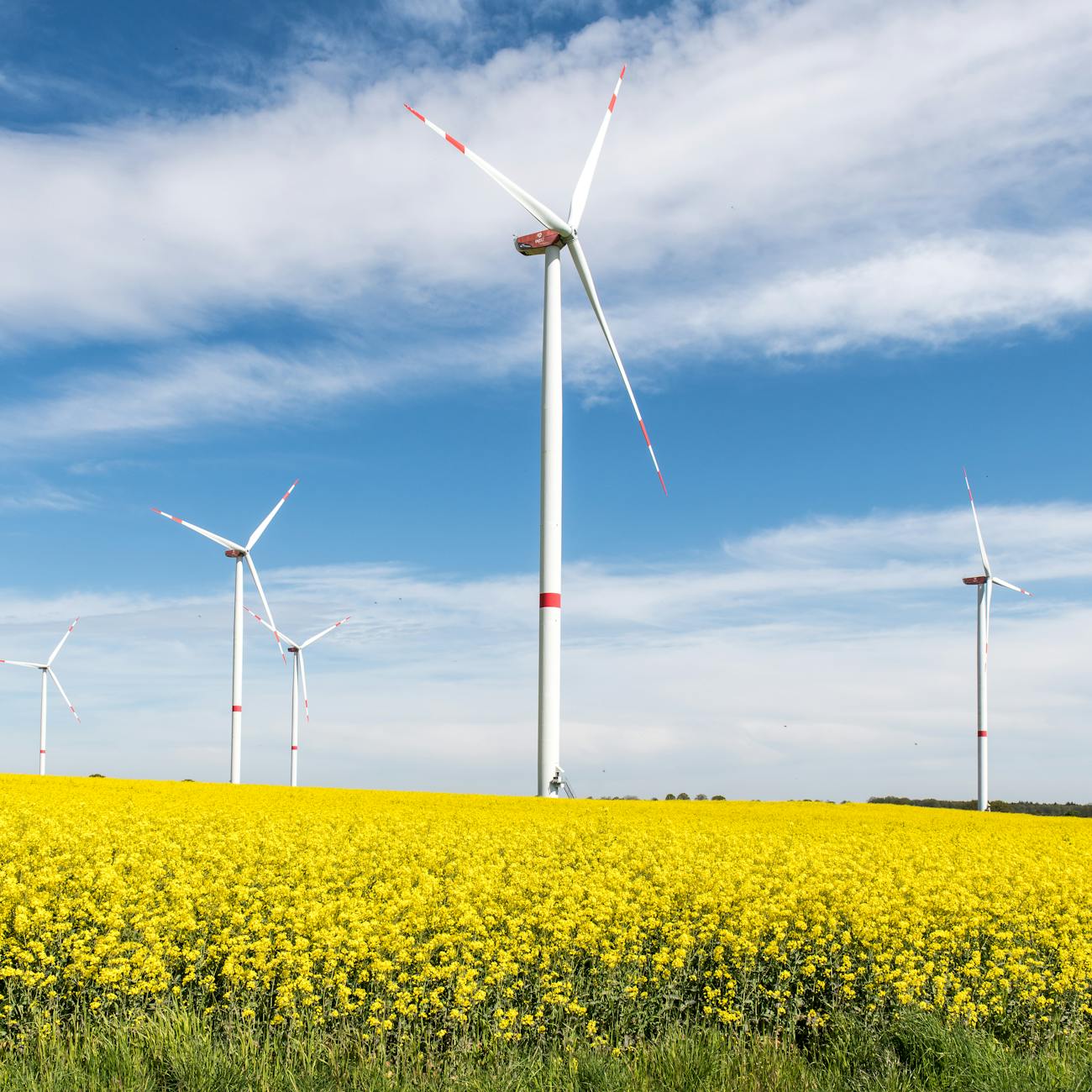
Renewable Energy: Renewable energy is generated from natural resources that are constantly replenished, such as sunlight, wind, and water. Unlike fossil fuels, renewable energy sources are sustainable and environmentally friendly. Examples of renewable energy technologies include solar panels, wind turbines, and hydroelectric power plants.
Smart Contracts: Smart contracts are self-executing contracts with the terms of the agreement directly written into code. These contracts automatically enforce the terms and conditions, eliminating the need for intermediaries. In the renewable energy sector, smart contracts can facilitate peer-to-peer energy trading and automate payments between producers and consumers.
Decentralized Energy Trading: Decentralized energy trading allows consumers to buy and sell energy directly with each other, bypassing traditional energy suppliers. Blockchain technology enables secure and transparent peer-to-peer transactions, reducing costs and increasing efficiency. Consumers can choose where they source their energy from and support renewable energy producers.
Tokenization: Tokenization involves converting real-world assets, such as renewable energy certificates or energy credits, into digital tokens on a blockchain. These tokens represent ownership or value and can be traded or exchanged on a decentralized platform. Tokenization enables fractional ownership of assets and increases liquidity in the renewable energy market.
Proof of Origin: Proof of origin verifies the source of renewable energy generation and ensures its authenticity. Blockchain technology can track the production and consumption of renewable energy in real-time, providing a transparent and auditable record of energy transactions. Proof of origin certificates can be issued on the blockchain to guarantee the renewable nature of energy sources.
Peer-to-Peer Energy Trading: Peer-to-peer energy trading allows individual consumers to buy and sell excess energy directly with each other. Blockchain technology facilitates secure and automated transactions, enabling consumers to monetize their renewable energy production and support a decentralized energy market. Peer-to-peer trading can reduce energy costs and promote renewable energy adoption.
Energy Traceability: Energy traceability involves tracking the production, distribution, and consumption of energy from renewable sources. Blockchain technology provides a transparent and immutable record of energy transactions, allowing stakeholders to trace the origin of energy and verify its sustainability. Energy traceability enhances accountability and promotes renewable energy investments.
Decentralized Energy Management: Decentralized energy management uses blockchain technology to optimize energy distribution and consumption in a decentralized network. By integrating smart meters, IoT devices, and blockchain platforms, energy systems can dynamically adjust supply and demand, improve grid stability, and reduce energy waste. Decentralized energy management enhances system resilience and efficiency.
Renewable Energy Certificates: Renewable energy certificates (RECs) represent the environmental attributes of renewable energy generation. Each REC certifies the production of a certain amount of renewable energy and can be traded or sold separately from the physical energy. Blockchain technology can tokenize RECs, enabling transparent tracking and trading of renewable energy credits.
Grid Integration: Grid integration refers to the integration of renewable energy sources into the existing energy grid. Blockchain technology can facilitate real-time data sharing and coordination between renewable energy producers, consumers, and grid operators. By enabling secure and efficient grid integration, blockchain can support the transition to a more renewable energy-centric grid.
Energy Microgrids: Energy microgrids are localized energy systems that can operate independently or in connection with the main grid. Blockchain technology can enable peer-to-peer energy trading within microgrids, allowing participants to buy and sell energy locally. Energy microgrids enhance energy resilience, promote renewable energy adoption, and support community-based energy initiatives.
Energy Token Economy: The energy token economy refers to the use of digital tokens to incentivize renewable energy production and consumption. Tokens can represent energy credits, rewards for sustainable practices, or voting rights in energy communities. By creating a token economy on the blockchain, stakeholders can promote renewable energy adoption and reward sustainable behaviors.
Energy Prosumers: Energy prosumers are individuals or organizations that both produce and consume energy. Prosumers can generate electricity from renewable sources, such as solar panels or wind turbines, and sell excess energy to other consumers. Blockchain technology enables prosumers to participate in peer-to-peer energy trading and monetize their renewable energy production.
Regulatory Compliance: Regulatory compliance refers to adherence to laws, regulations, and standards governing the renewable energy sector. Blockchain technology can enhance regulatory compliance by providing transparent and auditable records of energy transactions. Smart contracts can automate compliance processes and ensure that all stakeholders meet legal requirements in energy trading.
Carbon Offsetting: Carbon offsetting involves compensating for carbon emissions by investing in renewable energy projects or carbon reduction initiatives. Blockchain technology can tokenize carbon credits and enable transparent trading of emission reductions. By leveraging blockchain for carbon offsetting, organizations can track their environmental impact and support sustainable development goals.
Data Privacy and Security: Data privacy and security are critical considerations in blockchain-based renewable energy solutions. Blockchain technology uses cryptographic techniques to secure data and protect user privacy. Private and permissioned blockchains can restrict access to sensitive information, while encryption protocols can safeguard data integrity and confidentiality.
Interoperability: Interoperability refers to the ability of different blockchain platforms and systems to communicate and exchange data seamlessly. In the renewable energy sector, interoperability is essential for integrating diverse energy systems, devices, and applications. Standards such as the Energy Web Foundation's open-source protocols promote interoperability in blockchain-based energy solutions.
Scalability: Scalability is the capacity of a blockchain network to handle increasing transaction volumes and user activity. In the context of renewable energy solutions, scalability is crucial for supporting a growing number of energy producers, consumers, and transactions. Layer 2 solutions, such as sidechains or state channels, can enhance blockchain scalability and performance.
Energy Transition: The energy transition refers to the global shift from fossil fuels to renewable energy sources. Blockchain technology plays a vital role in accelerating the energy transition by enabling peer-to-peer energy trading, transparent energy transactions, and decentralized energy management. By supporting renewable energy solutions, blockchain contributes to a more sustainable and resilient energy system.
Challenges and Opportunities: Implementing blockchain for renewable energy solutions presents various challenges and opportunities. Challenges include regulatory uncertainty, interoperability issues, scalability limitations, and data privacy concerns. However, blockchain also offers opportunities to enhance energy traceability, promote decentralized energy trading, and accelerate the transition to renewable energy.
In conclusion, blockchain technology has the potential to transform the renewable energy sector by enabling secure, transparent, and decentralized energy solutions. By leveraging blockchain for peer-to-peer energy trading, smart contracts, and tokenization, stakeholders can optimize energy transactions, promote sustainability, and support the transition to a more renewable energy-centric grid. Understanding key terms and concepts related to blockchain for renewable energy solutions is essential for navigating the complex and evolving landscape of blockchain technology in the environmental sustainability sector.
Key takeaways
- By providing a secure, transparent, and decentralized platform for transactions, blockchain can optimize energy trading, increase efficiency, and promote sustainability.
- Blockchain: Blockchain is a distributed ledger technology that enables the secure recording of transactions across a network of computers.
- Renewable Energy: Renewable energy is generated from natural resources that are constantly replenished, such as sunlight, wind, and water.
- In the renewable energy sector, smart contracts can facilitate peer-to-peer energy trading and automate payments between producers and consumers.
- Decentralized Energy Trading: Decentralized energy trading allows consumers to buy and sell energy directly with each other, bypassing traditional energy suppliers.
- Tokenization: Tokenization involves converting real-world assets, such as renewable energy certificates or energy credits, into digital tokens on a blockchain.
- Blockchain technology can track the production and consumption of renewable energy in real-time, providing a transparent and auditable record of energy transactions.