
Primate Conservation and Ethics
Primate Conservation and Ethics
Primate Conservation and Ethics
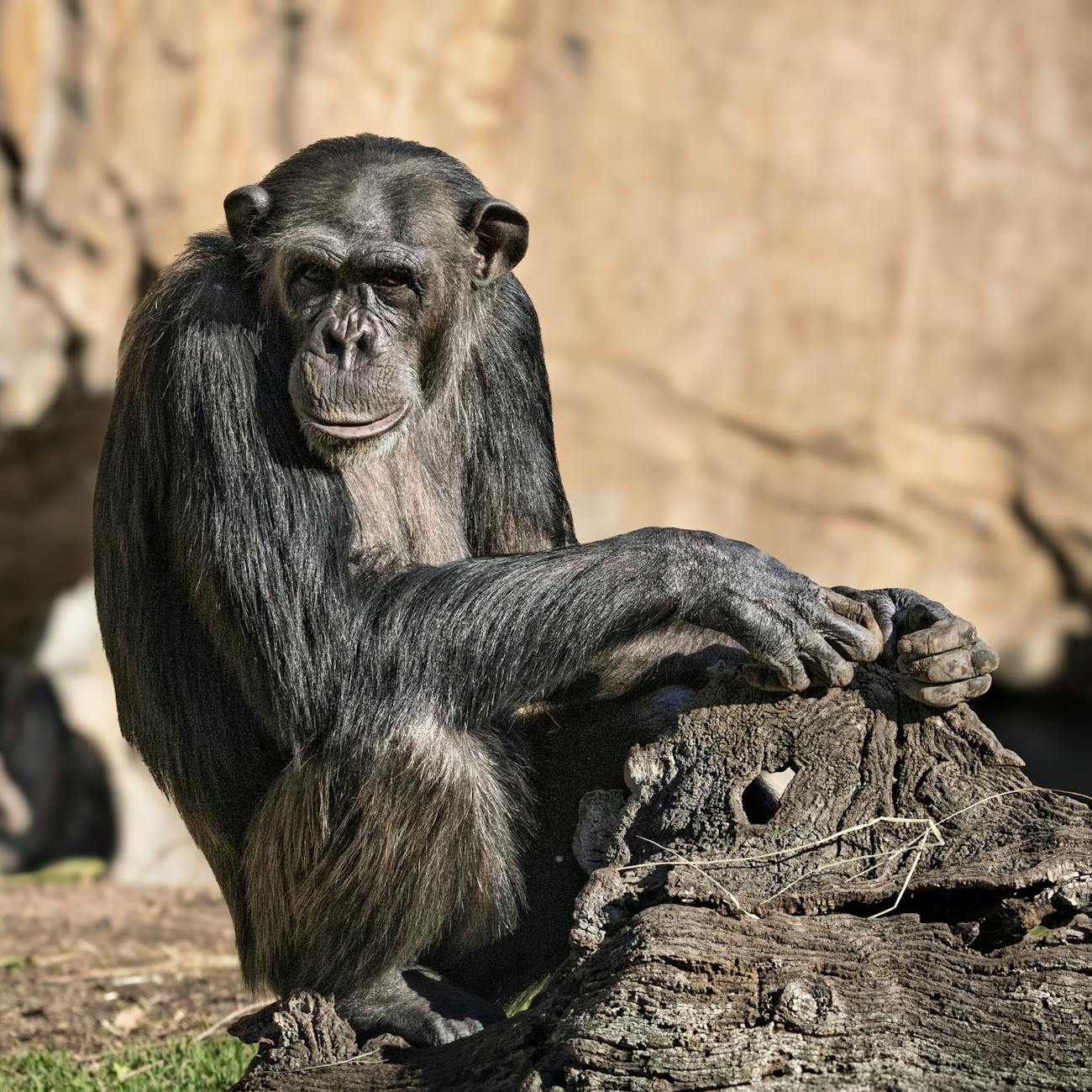
Primate conservation and ethics are crucial components of understanding and protecting the world's primate populations. This advanced certificate course in Primate Psychology delves into the complexities of primate behavior, cognition, and welfare, emphasizing the importance of conservation efforts and ethical considerations in studying and working with primates.
Primate Conservation
Primate conservation refers to the efforts aimed at protecting and preserving primate species and their habitats. Primates are facing numerous threats, including habitat loss, deforestation, poaching, and climate change, which have led to a decline in their populations worldwide. Conservation initiatives focus on mitigating these threats and ensuring the long-term survival of primates in the wild.
One of the key strategies in primate conservation is habitat preservation. By protecting the natural habitats of primates, conservationists can safeguard the resources necessary for their survival, such as food, water, and shelter. National parks, wildlife reserves, and protected areas are established to create safe havens for primates and other wildlife.
Another important aspect of primate conservation is the promotion of sustainable practices. Sustainable development aims to meet the needs of the present without compromising the ability of future generations to meet their own needs. By promoting sustainable agriculture, forestry, and tourism, conservationists can reduce the impact of human activities on primate habitats.
Conservation breeding programs also play a vital role in saving endangered primate species from extinction. These programs involve breeding individuals in captivity with the goal of reintroducing them into the wild or maintaining a genetically diverse population as a safeguard against extinction. Zoos, sanctuaries, and research facilities participate in these programs to support the conservation of endangered primates.
Challenges in primate conservation include human-wildlife conflict, illegal wildlife trade, and lack of funding and resources. Conservationists must work collaboratively with local communities, governments, and NGOs to address these challenges and implement effective conservation strategies. Public awareness and education are also essential in garnering support for primate conservation efforts.
Primate Ethics
Primate ethics encompasses the moral considerations and ethical principles involved in studying, researching, and working with primates. As sentient beings with cognitive abilities and emotional capacities, primates deserve ethical treatment and respect in all interactions and research endeavors.
One of the key ethical principles in primate research is the principle of non-maleficence, which emphasizes the obligation to do no harm to primates. Researchers and practitioners must ensure the well-being and welfare of primates in their care, minimizing any potential harm or distress associated with research procedures or interventions.
The principle of beneficence underscores the responsibility to promote the welfare and best interests of primates. This includes providing appropriate housing, enrichment, and veterinary care to ensure the physical and psychological well-being of primates. Researchers should prioritize the welfare of primates over scientific goals or personal interests.
Informed consent is another crucial ethical consideration in primate research. Primates cannot provide consent in the same way humans do, but researchers must obtain ethical approval from institutional review boards and ensure that research protocols adhere to ethical guidelines and regulations. Any research involving primates should be conducted with transparency, accountability, and respect for their autonomy.
Respect for autonomy is essential in primate research and care. Primates have individual preferences, behaviors, and social structures that should be respected and considered in research settings. Researchers should strive to understand and accommodate the needs and preferences of primates to promote their well-being and quality of life.
Challenges in primate ethics include balancing scientific advancement with ethical considerations, addressing conflicts of interest, and ensuring the ethical treatment of primates in research and conservation practices. Ethical guidelines, regulations, and oversight mechanisms are essential in upholding ethical standards and promoting responsible conduct in primate-related activities.
Key Terms and Vocabulary
1. Biodiversity: The variety of life forms on Earth, including genes, species, and ecosystems. Biodiversity is essential for ecosystem functioning and resilience, providing numerous benefits to humans and wildlife.
2. Endangered Species: Species that are at risk of extinction due to declining populations, habitat loss, or other threats. Endangered species are prioritized for conservation efforts to prevent their extinction.
3. Habitat Fragmentation: The division of large, continuous habitats into smaller, isolated fragments due to human activities such as deforestation, urbanization, and agriculture. Habitat fragmentation can disrupt wildlife populations and lead to genetic isolation.
4. Keystone Species: Species that have a disproportionately large impact on their ecosystem relative to their abundance. Keystone species play critical roles in maintaining ecosystem balance and stability.
5. Primate Behavior: The study of the behavior patterns, social interactions, and cognitive abilities of primates. Primate behavior encompasses a wide range of behaviors, including foraging, communication, mating, and parenting.
6. Primate Cognition: The mental processes and abilities of primates, including perception, memory, problem-solving, and social learning. Studying primate cognition provides insights into their intelligence and adaptive behaviors.
7. Primate Welfare: The well-being and quality of life of primates in captivity or the wild. Primate welfare involves meeting their physical, psychological, and social needs to ensure their health and happiness.
8. Social Structure: The organization of individuals within a primate group or society, including dominance hierarchies, kinship relationships, and social roles. Social structure influences social behavior and interactions among group members.
9. Species Conservation: The protection and management of species to prevent their extinction and promote their recovery. Species conservation involves habitat preservation, captive breeding, and population monitoring to ensure the survival of endangered species.
10. Sustainable Development: Development that meets the needs of the present without compromising the ability of future generations to meet their own needs. Sustainable development aims to balance environmental, social, and economic considerations for long-term sustainability.
11. Wildlife Trade: The illegal or unsustainable trade of wildlife and wildlife products, including live animals, skins, and body parts. Wildlife trade poses a significant threat to biodiversity and endangered species worldwide.
12. Zoological Institution: Facilities such as zoos, aquariums, and wildlife parks that house and exhibit animals for public education, research, and conservation purposes. Zoological institutions play a crucial role in species conservation and public awareness of wildlife issues.
13. Anthropogenic Impact: The impact of human activities on the environment, ecosystems, and wildlife. Anthropogenic impacts include habitat destruction, pollution, climate change, and overexploitation of natural resources.
14. Conservation Genetics: The application of genetic principles and techniques to the conservation and management of wildlife populations. Conservation genetics helps assess genetic diversity, population structure, and relatedness among individuals for effective conservation strategies.
15. Ecological Restoration: The process of restoring degraded ecosystems to their original or natural state through habitat restoration, reforestation, and reintroduction of native species. Ecological restoration aims to improve ecosystem health and biodiversity.
16. Global Biodiversity Hotspot: Regions of high biodiversity and species endemism that are under threat from human activities and environmental changes. Global biodiversity hotspots are prioritized for conservation due to their unique and irreplaceable biodiversity.
17. Non-invasive Research: Research methods that do not require physical contact or harm to animals, such as behavioral observations, remote monitoring, and genetic analysis. Non-invasive research minimizes the impact on animal welfare and behavior.
18. Primate Enrichment: Environmental enhancements and stimuli provided to captive primates to promote natural behaviors, cognitive stimulation, and physical activity. Primate enrichment improves the welfare and well-being of captive primates.
19. Primate Rehabilitation: The process of preparing rescued or confiscated primates for release back into the wild. Primate rehabilitation involves physical and behavioral conditioning to ensure the survival and adaptation of primates in their natural habitat.
20. Species Survival Plan: Cooperative breeding programs managed by zoos and aquariums to maintain genetically diverse populations of endangered species. Species survival plans aim to prevent inbreeding and ensure the long-term survival of captive populations.
Key takeaways
- Primate conservation and ethics are crucial components of understanding and protecting the world's primate populations.
- Primates are facing numerous threats, including habitat loss, deforestation, poaching, and climate change, which have led to a decline in their populations worldwide.
- By protecting the natural habitats of primates, conservationists can safeguard the resources necessary for their survival, such as food, water, and shelter.
- Sustainable development aims to meet the needs of the present without compromising the ability of future generations to meet their own needs.
- These programs involve breeding individuals in captivity with the goal of reintroducing them into the wild or maintaining a genetically diverse population as a safeguard against extinction.
- Conservationists must work collaboratively with local communities, governments, and NGOs to address these challenges and implement effective conservation strategies.
- As sentient beings with cognitive abilities and emotional capacities, primates deserve ethical treatment and respect in all interactions and research endeavors.