
Introduction to Geriatric Nursing
Introduction to Geriatric Nursing: Geriatric nursing is a specialized field of nursing that focuses on the care of older adults. This area of nursing requires a unique set of skills and knowledge to address the complex needs of the elderly …
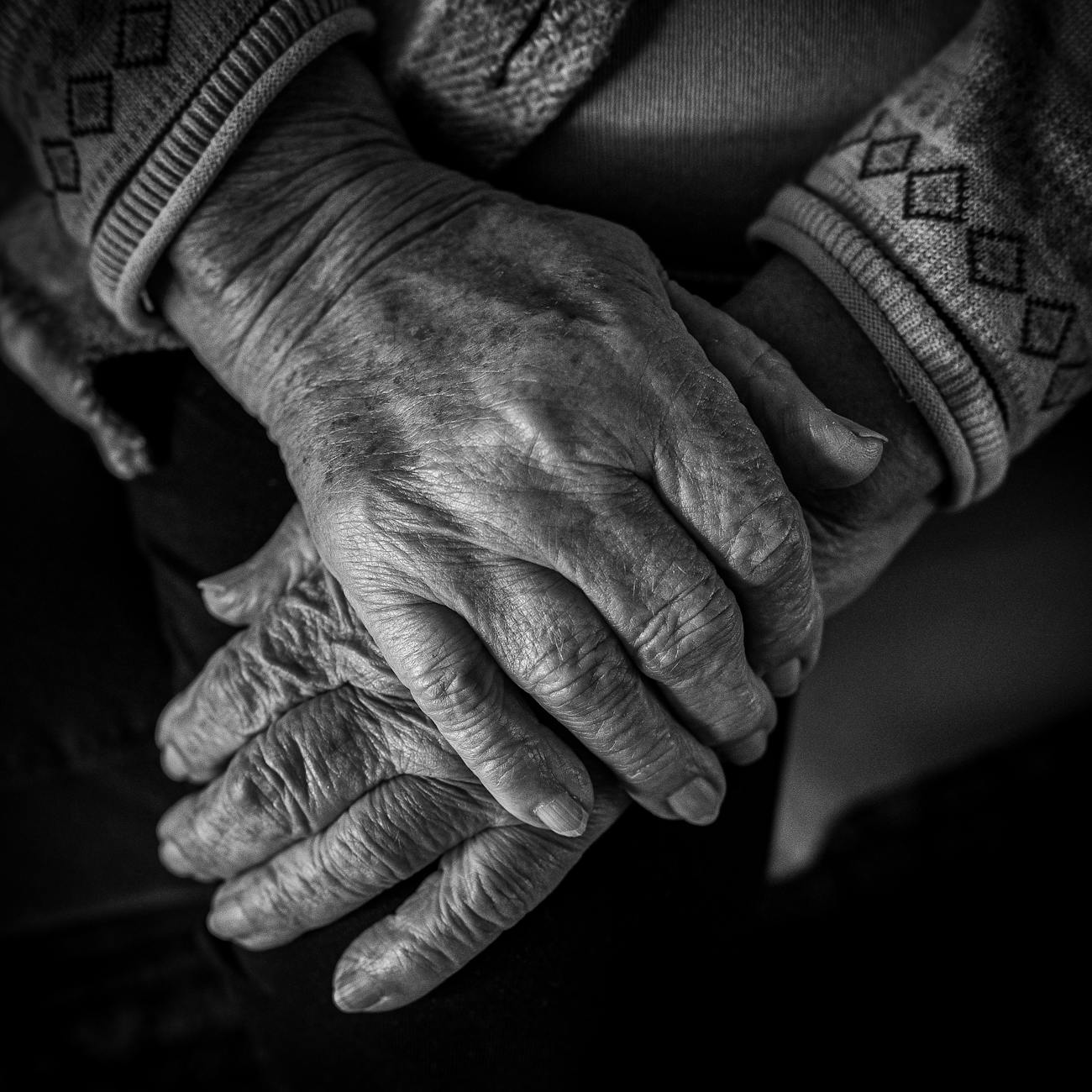
Introduction to Geriatric Nursing: Geriatric nursing is a specialized field of nursing that focuses on the care of older adults. This area of nursing requires a unique set of skills and knowledge to address the complex needs of the elderly population. As the population continues to age, the demand for geriatric nurses is increasing. This course is designed to provide an overview of key concepts and principles in geriatric nursing to prepare nurses to effectively care for older adults.
Key Terms and Vocabulary: 1. Gerontology: Gerontology is the study of aging and the elderly population. It encompasses the physical, mental, and social aspects of aging and provides a foundation for understanding the unique needs of older adults. 2. Geriatrics: Geriatrics is the branch of medicine that focuses on the health and care of older adults. It involves the prevention, diagnosis, and treatment of age-related conditions and diseases. 3. Activities of Daily Living (ADLs): ADLs refer to the basic self-care tasks that individuals perform on a daily basis, such as bathing, dressing, eating, toileting, and transferring. Assessing a patient's ability to perform ADLs is essential in determining their level of independence. 4. Instrumental Activities of Daily Living (IADLs): IADLs are more complex activities that support independent living, such as managing finances, preparing meals, shopping, and using transportation. Assessing a patient's ability to perform IADLs helps determine their functional status. 5. Cognitive Impairment: Cognitive impairment refers to a decline in cognitive function, including memory loss, confusion, and difficulty with reasoning and problem-solving. Common causes of cognitive impairment in older adults include dementia and delirium. 6. Delirium: Delirium is a sudden and fluctuating change in mental status characterized by confusion, disorientation, and inattention. It is often caused by underlying medical conditions, medications, or environmental factors. 7. Dementia: Dementia is a progressive decline in cognitive function that interferes with daily activities. Common types of dementia include Alzheimer's disease, vascular dementia, and Lewy body dementia. 8. Falls: Falls are a significant health concern for older adults and can lead to serious injuries, such as fractures and head trauma. Preventing falls through risk assessment and interventions is essential in geriatric nursing care. 9. Polypharmacy: Polypharmacy refers to the use of multiple medications by an individual. Older adults are at increased risk of polypharmacy due to the management of multiple chronic conditions. Managing medications and monitoring for adverse drug reactions are critical in geriatric nursing practice. 10. Pressure Ulcers: Pressure ulcers, also known as bedsores, are areas of skin damage caused by prolonged pressure on the skin. Older adults with limited mobility are at high risk for pressure ulcers, making skin assessments and preventive measures essential in geriatric nursing care. 11. Advance Care Planning: Advance care planning involves discussions between patients, families, and healthcare providers about end-of-life care preferences. This process ensures that a patient's wishes are known and respected in the event of decision-making incapacity. 12. Palliative Care: Palliative care focuses on providing relief from the symptoms and stress of a serious illness, with the goal of improving quality of life for patients and their families. It is an essential component of holistic care for older adults with advanced disease. 13. Hospice Care: Hospice care is a type of palliative care that is specifically designed for patients with a terminal illness who have a prognosis of six months or less to live. Hospice care emphasizes comfort and dignity at the end of life. 14. Geriatric Syndromes: Geriatric syndromes are conditions that are common in older adults and often involve multiple contributing factors. Examples of geriatric syndromes include frailty, incontinence, and functional decline. 15. Fall Risk Assessment: Fall risk assessment is a systematic process of identifying factors that increase a patient's risk of falling. Assessment tools, such as the Morse Fall Scale and the Hendrich II Fall Risk Model, are used to evaluate fall risk in older adults. 16. Medication Reconciliation: Medication reconciliation is the process of creating a comprehensive and accurate list of a patient's medications and comparing it to the current medication regimen. This practice helps prevent medication errors and adverse drug reactions in older adults. 17. Depression Screening: Depression screening involves assessing older adults for symptoms of depression, such as persistent sadness, loss of interest, and changes in sleep and appetite. Screening tools, such as the Geriatric Depression Scale, can help identify depression in older adults. 18. Functional Assessment: Functional assessment evaluates a patient's ability to perform daily activities and tasks. Functional status can impact an older adult's quality of life and independence, making comprehensive assessment essential in geriatric nursing care. 19. Health Promotion: Health promotion involves strategies to enhance the well-being and quality of life of older adults. Examples of health promotion activities include exercise programs, nutrition education, and preventive screenings. 20. End-of-Life Care: End-of-life care focuses on providing comfort and support to patients who are nearing the end of life. It involves symptom management, psychosocial support, and communication with patients and families about care preferences.
Practical Applications: 1. When caring for older adults, nurses should prioritize safety and fall prevention by conducting fall risk assessments, implementing interventions such as bed alarms and non-slip socks, and educating patients on fall prevention strategies. 2. Nurses can support patients with cognitive impairment by using communication techniques that are clear and simple, providing memory aids, and creating a calm and structured environment to reduce confusion and agitation. 3. Medication reconciliation is essential in preventing adverse drug events in older adults. Nurses should review a patient's medication list at each encounter, reconcile discrepancies, and educate patients on proper medication administration. 4. Palliative care and hospice care play a crucial role in supporting older adults with advanced illness. Nurses can advocate for patients' comfort and dignity, provide symptom management, and facilitate discussions about end-of-life preferences. 5. Health promotion activities, such as exercise programs and nutrition education, can improve the overall health and well-being of older adults. Nurses can collaborate with interdisciplinary teams to develop tailored health promotion plans for older adult patients.
Challenges: 1. Geriatric nursing presents unique challenges, such as managing complex chronic conditions, addressing cognitive impairment, and navigating end-of-life care decisions with patients and families. 2. Polypharmacy and medication management can be challenging in older adults due to the increased risk of adverse drug reactions and drug interactions. Nurses must ensure medication safety through vigilant monitoring and patient education. 3. Balancing the autonomy and safety of older adult patients can be a challenge in geriatric nursing practice. Nurses must collaborate with patients and families to make care decisions that promote independence while ensuring patient safety. 4. Addressing the psychosocial needs of older adults, such as loneliness and social isolation, can be challenging for nurses. Building rapport, providing emotional support, and connecting patients to community resources are important aspects of holistic care. 5. End-of-life care discussions can be emotionally challenging for both patients and healthcare providers. Nurses must approach these conversations with sensitivity, empathy, and cultural competence to support patients and families through the end-of-life process.
Key takeaways
- This course is designed to provide an overview of key concepts and principles in geriatric nursing to prepare nurses to effectively care for older adults.
- Instrumental Activities of Daily Living (IADLs): IADLs are more complex activities that support independent living, such as managing finances, preparing meals, shopping, and using transportation.
- When caring for older adults, nurses should prioritize safety and fall prevention by conducting fall risk assessments, implementing interventions such as bed alarms and non-slip socks, and educating patients on fall prevention strategies.
- Geriatric nursing presents unique challenges, such as managing complex chronic conditions, addressing cognitive impairment, and navigating end-of-life care decisions with patients and families.