
Contract Law for Hoteliers
Contract law forms the backbone of every transaction in the hospitality sector, from a simple room reservation to a complex franchise agreement. Understanding the terminology that underpins this area of law enables hoteliers to draft clear …
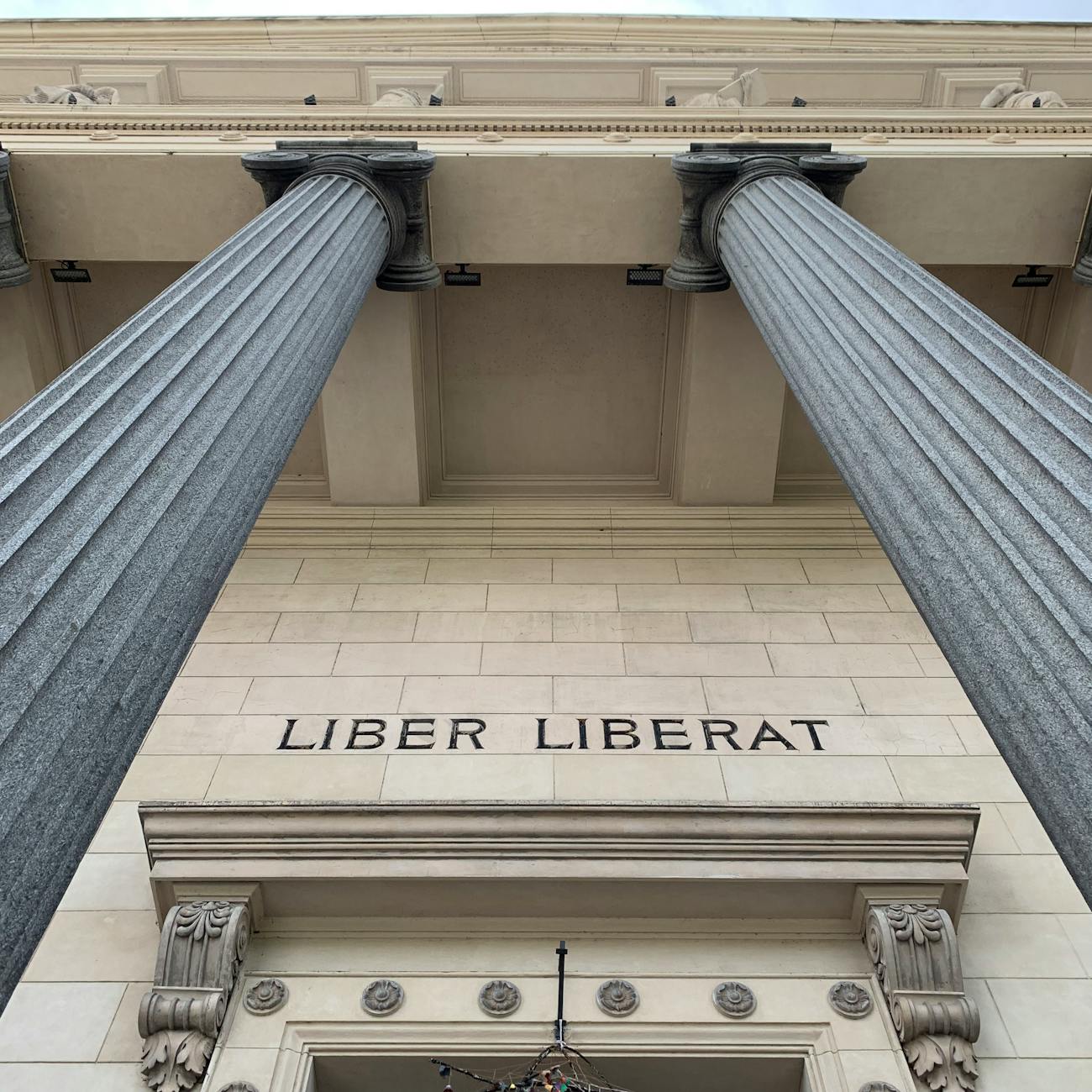
Contract law forms the backbone of every transaction in the hospitality sector, from a simple room reservation to a complex franchise agreement. Understanding the terminology that underpins this area of law enables hoteliers to draft clear contracts, negotiate favorable terms, and manage disputes effectively. The following exposition covers the essential vocabulary, illustrated with hotel‑specific examples and practical guidance for everyday use.
Offer is the first step in any contract formation. In a hotel context an offer may appear as a published rate on a website, a quotation for a conference venue, or an email confirming availability for a group booking. The offer must be clear, definite and communicated to the other party. For instance, a hotel email stating “We can provide 150 rooms for your event from 10 May to 12 May at $120 per night, inclusive of breakfast” constitutes an offer because it specifies quantity, dates, price and the services included.
Acceptance is the unconditional assent to the terms of the offer. Acceptance can be expressed verbally, in writing, or through conduct such as signing a reservation form or making a deposit payment. The key is that the acceptance must mirror the offer without variation; any change creates a counter‑offer. If a client replies, “We accept the rate but would like to add a gala dinner,” the original offer is rejected and a new offer emerges, which the hotel must then accept or reject.
Consideration refers to something of value exchanged between the parties. In hotel contracts the consideration is typically the payment of the room rate, conference fees, or other charges, while the hotel provides accommodation, catering, and related services. Even a nominal amount, such as a token deposit, satisfies the requirement for consideration, provided it is not merely a gratuitous promise.
Capacity denotes the legal ability of a party to enter into a contract. Most hotels and corporate clients have full capacity, but certain situations—such as contracts signed by minors, persons under guardianship, or entities lacking proper corporate authority—may be voidable. A hotel manager must verify that the person signing a bulk booking agreement on behalf of a company holds the appropriate authority, typically documented in a board resolution or a power of attorney.
Legality requires that the contract’s purpose be lawful. A hotel cannot lawfully agree to host illegal activities, such as unlicensed gambling or drug distribution. Contracts that contravene public policy, such as agreements to discriminate against guests, are void. The hotel’s compliance officer should review any special event contracts to ensure they do not breach statutes or regulations.
Intention to create legal relations distinguishes commercial agreements from social or domestic arrangements. In the hospitality industry, the presumption is that parties intend to be legally bound, especially where money changes hands. A casual conversation about a “friendly discount” without a written record may be treated as non‑binding, but a written reservation confirmation typically demonstrates the requisite intention.
Contractual terms are divided into conditions, warranties and innominate terms. A condition is a fundamental term whose breach allows the innocent party to terminate the contract and claim damages. For a hotel, a condition might be the guarantee that the rooms will be clean and safe. A warranty is a less essential term; breach gives rise only to damages. An example is a promise that the minibar will be stocked with a specific brand of snacks—if not fulfilled, the guest may be compensated but cannot void the entire reservation. Innominate terms are those whose classification depends on the seriousness of the breach; a delayed check‑in might be treated as a breach of an innominate term, with the remedy determined by the impact on the guest’s overall stay.
Force majeure clauses allocate risk for events beyond the parties’ control, such as natural disasters, epidemics, or government actions. A hotel contract may state that “neither party shall be liable for failure to perform due to acts of God, war, or pandemic.” During the COVID‑19 crisis many hotels invoked force majeure to suspend obligations, but courts examined whether the clause covered the specific health emergency and whether the parties had taken reasonable mitigation steps. The clause’s wording must be precise; vague references to “unforeseeable circumstances” may be insufficient to excuse performance.
Frustration occurs when an unforeseen event renders performance impossible or radically different from what was contemplated. Unlike force majeure, frustration is a doctrine applied by the court, not a contractual provision. If a hotel’s building is destroyed by an earthquake after a contract is signed, the contract may be frustrated, discharging both parties from further obligations. However, mere inconvenience, such as a temporary power outage, usually does not meet the high threshold for frustration.
Assignment involves the transfer of contractual rights to a third party. A hotel may assign the right to receive payment for a conference venue to a catering company that will provide the meals. The assignor remains liable for performance unless a release is obtained. Assignment of obligations, on the other hand, is generally prohibited without consent; a hotel cannot simply transfer its duty to provide rooms to another hotel without the guest’s agreement.
Novation is the substitution of a new contract for an existing one, with the consent of all original parties. If a hotel decides to sell its management contract to a third‑party operator, the original contract is novated, extinguishing the old obligations and creating a new set of duties. Novation differs from assignment because it replaces both rights and duties and requires the assent of the other contracting party.
Delegation pertains to the transfer of duties without transferring rights. A hotel may delegate housekeeping responsibilities to an external cleaning service. Delegation does not relieve the hotel of liability for defective performance; the hotel remains ultimately responsible to the guest.
Privity is the principle that only parties to a contract can enforce its terms. In the hotel industry, third‑party beneficiaries such as travel agents may have limited rights unless the contract expressly grants them enforceable benefits. Modern statutes in many jurisdictions have relaxed privity for consumer contracts, allowing guests to sue the hotel directly even if they booked through an online platform.
Third‑party rights arise when a contract confers a benefit on a non‑signatory. A hotel loyalty program may promise members a complimentary upgrade; the member, though not a party to the underlying room‑sale contract, can enforce the upgrade right because the program terms create a direct contractual relationship between the hotel and the loyalty member.
Indemnity clauses allocate risk by requiring one party to compensate the other for specified losses. A hotel may require a corporate client to indemnify the hotel against claims arising from the client’s use of the conference facilities, such as injuries to attendees. The indemnity should be narrowly drafted to avoid overly broad exposure, and it must not contravene public policy.
Guarantee is a promise by a third party to fulfil the obligations of the primary obligor if that obligor defaults. A parent company may guarantee the payment obligations of a subsidiary that has booked a large block of rooms for a convention. The guarantee creates a secondary liability, which is enforceable if the primary debtor fails to pay.
Escrow arrangements involve placing funds or assets with a neutral third party until contractual conditions are satisfied. In hotel development projects, a buyer may deposit a portion of the purchase price into escrow, releasing the funds only when the developer supplies a certificate of occupancy. This mechanism protects both parties against premature performance.
Confidentiality provisions protect proprietary information exchanged during negotiations or performance. A hotel may require a catering contractor to keep menu designs and pricing confidential. Breach of confidentiality can lead to injunctions or damages, depending on the severity of the disclosure.
Non‑disclosure agreement (NDA) is a specific type of confidentiality clause, often executed as a separate document before detailed negotiations begin. An NDA may be used when a hotel shares future development plans with a potential investor. The NDA should define the “confidential information,” the duration of the obligation, and the remedies for breach.
Arbitration clauses designate a private dispute‑resolution forum, usually preferred in commercial hospitality contracts to avoid lengthy court proceedings. A hotel chain may include an arbitration clause stating that any dispute arising from the franchise agreement shall be resolved by the International Chamber of Commerce. Parties must be aware that arbitration can be costly and that the award is generally final, limiting the ability to appeal.
Jurisdiction determines which court has authority to hear a dispute. A hotel operating in multiple countries may include a jurisdiction clause specifying that any litigation will be heard in the courts of the hotel’s head office location. This clause provides certainty but may be challenged if the chosen forum is deemed unfair or inconvenient for the other party.
Governing law identifies the legal system that will interpret the contract. A hotel management contract signed in Dubai but performed in Spain might stipulate that “the contract is governed by the laws of England and Wales.” The governing law clause is crucial because it affects the interpretation of terms, the enforceability of penalties, and the remedies available.
Termination clause outlines the circumstances under which a contract may be ended early. Common triggers include material breach, mutual agreement, or the occurrence of a force majeure event. In a group booking agreement, the hotel may reserve the right to terminate if the group fails to meet a minimum occupancy threshold by a specified date.
Liquidated damages are pre‑agreed sums payable on breach, intended to estimate the loss that would be difficult to quantify. A hotel reservation policy may state that “cancellation after 48 hours will incur a charge of 50 % of the total booking value.” To be enforceable, the liquidated damages must be a genuine pre‑estimate of loss and not a penalty. Courts scrutinize such clauses, especially where the actual loss may be substantially lower than the stipulated amount.
Penalty clause imposes a punitive payment for breach, exceeding the anticipated loss. In many jurisdictions, penalties are unenforceable, and the court will replace them with a reasonable sum. Hotels should therefore draft liquidated damages provisions rather than penalties, ensuring the amount reflects a realistic projection of the hotel’s loss from a late cancellation.
Standard form contracts are pre‑printed agreements used for routine transactions, such as room reservations, banquet bookings, or online travel agency (OTA) agreements. While convenient, standard forms may contain terms that are unfavorable to the hotel, such as excessive cancellation fees for guests or unilateral amendment rights for the OTA. Hoteliers should review and, where possible, negotiate these terms to balance risk.
Hotel management agreement is a comprehensive contract whereby a hotel owner engages a professional management company to operate the property. Key terms include the management fee (often a percentage of gross revenue), performance standards, reporting obligations, and the duration of the agreement. The management agreement also sets out the owner’s responsibilities, such as capital expenditures and insurance. Understanding each provision helps the owner monitor the manager’s compliance and protect the investment.
Franchise agreement grants the franchisee the right to use the hotel brand, systems, and marketing in exchange for fees and adherence to brand standards. Critical vocabulary includes “royalty fee,” “marketing contribution,” “brand standards compliance,” and “territorial exclusivity.” The franchise agreement typically contains audit rights for the franchisor, allowing inspection of the franchisee’s financial records to verify royalty payments.
Reservation contract is the agreement formed when a guest books a room, either directly with the hotel or through an OTA. The contract becomes enforceable once the hotel confirms availability and the guest provides a payment method. Key terms include the rate, check‑in and check‑out times, cancellation policy, and any ancillary services (e.G., Parking, Wi‑Fi). The reservation contract is usually a consumer contract, meaning consumer protection statutes may apply, limiting the hotel’s ability to impose harsh penalty clauses.
Group booking agreement governs the reservation of multiple rooms for a single client, such as a corporate retreat or wedding party. This type of contract often includes a “minimum guarantee” clause, requiring the client to commit to a certain number of rooms or revenue. It may also contain “cut‑off dates” for adjusting room counts, and “attrition penalties” if the final occupancy falls below the agreed level. Hoteliers must track these dates carefully to avoid revenue leakage.
Cancellation policy outlines the financial consequences of a guest terminating a reservation. Effective policies balance the hotel’s need to protect revenue against the guest’s desire for flexibility. The policy may differentiate between “free cancellation” periods, “partial refunds,” and “no‑show” charges. Clear communication of the policy at the time of booking reduces disputes and improves guest satisfaction.
Overbooking is a strategic practice where hotels accept more reservations than available rooms, anticipating a proportion of cancellations or no‑shows. Overbooking clauses typically allow the hotel to “relocate” guests to an alternative property of comparable standard. However, the hotel must provide reasonable compensation for inconvenience, and the practice must be conducted in good faith. Legal challenges arise when the alternative accommodation is inferior or when the guest suffers additional expenses.
Hardship clause provides a mechanism for renegotiating contract terms when unforeseen circumstances substantially increase the cost of performance for one party. Unlike force majeure, which excuses performance, hardship seeks to preserve the contract by adjusting the price or scope. In a long‑term supply contract for linens, a sudden surge in raw material costs may trigger the hardship clause, allowing the supplier to request a price increase.
Performance refers to the fulfillment of contractual obligations. In hotel contracts, performance may be “partial” (e.G., Providing rooms but not meals) or “complete.” The doctrine of substantial performance holds that if a party has completed the essential elements of the contract, the other party must pay the contract price, subject to deductions for any minor defects. For example, a hotel that delivers a banquet hall with a minor technical glitch may be deemed to have substantially performed, and the client would owe the agreed price minus a reasonable amount for remedial work.
Remedies are the legal solutions available when a contract is breached. The primary remedy is damages, which aim to place the injured party in the position they would have occupied had the contract been performed. Hotels may claim damages for loss of revenue, additional marketing costs, or reputational harm. In some cases, a hotel may seek specific performance, compelling the other party to fulfill a unique obligation, such as delivering a bespoke décor package. Courts rarely order specific performance for personal services, but they may do so for the delivery of unique goods or property.
Injunction is an equitable remedy that restrains a party from acting in a way that would breach the contract. A hotel may obtain an injunction to prevent a former employee from using confidential marketing strategies with a competitor. The injunction must be tailored to the specific prohibited conduct and supported by evidence that monetary damages would be insufficient.
Mitigation obliges the injured party to take reasonable steps to reduce the loss caused by the breach. If a conference organizer cancels a large event, the hotel must attempt to re‑rent the venue space to another client, rather than simply claiming the full lost revenue. Failure to mitigate can reduce the damages recoverable.
Notice provisions dictate how parties must communicate certain events, such as a breach, termination, or a claim for damages. The contract will specify the acceptable methods (e.G., Registered mail, email) and the time frames within which notice must be given. Proper notice is essential; an untimely or improperly served notice can render a termination ineffective.
Time is of the essence clause emphasizes that punctual performance is a fundamental requirement. In hotel contracts, deadlines for payment of deposits, delivery of equipment, or completion of renovations may be so critical that any delay constitutes a breach. The clause strengthens the hotel’s position when seeking remedies for late performance.
Entire agreement clause states that the written contract represents the complete understanding between the parties, superseding any prior discussions or oral promises. This clause protects the hotel from claims based on alleged side agreements not captured in the document. However, the clause does not shield the hotel from misrepresentations made during negotiations, which may be actionable under fraud or misrepresentation statutes.
Severability ensures that if any provision is found to be illegal or unenforceable, the remainder of the contract remains valid. A hotel may include a severability clause to preserve the enforceability of the core obligations even if a particular penalty provision is struck down.
Assignment of rights vs. delegation of duties is a distinction that often causes confusion. While the hotel may assign the right to receive payment for a wedding banquet to a catering partner, it cannot delegate the duty to provide the banquet hall without guest consent. Understanding this difference helps avoid inadvertent breach of contract.
Waiver is the intentional relinquishment of a contractual right. If a hotel accepts a late payment without protest, it may be deemed to have waived the right to enforce the original payment deadline. Waiver must be clear and documented; otherwise, the hotel may still enforce the original term.
Estoppel prevents a party from denying a fact that the other party has relied upon to its detriment. For instance, if a hotel publicly advertises a “no‑cancellation fee” policy and a guest relies on that promise, the hotel may be estopped from later imposing a cancellation charge.
Good faith and fair dealing is an implied covenant in many jurisdictions, requiring parties to act honestly and not undermine the contract’s purpose. In a hotel‑tour operator agreement, the tour operator must market the hotel in a manner that does not disparage its reputation, and the hotel must provide the services promised without hidden fees.
Conflicts of interest arise when a party has a personal interest that could affect its performance under the contract. A hotel employee who owns a competing boutique may need to disclose the interest, especially if the employee is involved in procurement decisions. Contracts often contain conflict‑of‑interest clauses requiring disclosure and, where appropriate, recusal.
Statute of limitations sets the time limit within which a claim must be brought. For breach of contract actions, the limitation period varies by jurisdiction but is commonly three to six years. Hotels must be mindful of these deadlines to preserve their rights, especially when dealing with long‑term service contracts.
Force majeure vs. Frustration is a nuanced distinction. Force majeure is a contractual provision that, if triggered, excuses performance according to the language of the clause. Frustration is a common‑law doctrine applied when performance becomes impossible or fundamentally different, regardless of contractual language. A hotel should draft both a robust force majeure clause and be aware of how frustration might apply in unexpected situations.
Counter‑offer occurs when the offeree proposes new terms instead of accepting the original offer. The original offer is terminated, and a new offer is created. For example, a client may reply to a hotel’s rate proposal with a lower price; the hotel must then decide whether to accept the counter‑offer or reject it and make a new offer.
Electronic contract formation has become commonplace with online bookings. The legal validity of electronic signatures and click‑through agreements is supported by statutes such as the Electronic Transactions Act. Hotels must ensure that the process captures clear assent—typically through a “I agree” button—and that the terms are accessible for review before the guest finalizes the booking.
Deposit is a sum paid in advance to secure performance. In hotel contracts, a deposit may be required for group bookings, large events, or long‑stay reservations. The deposit may be refundable or non‑refundable, depending on the cancellation policy. The contract should specify the conditions under which the deposit will be retained or returned.
Retention is a portion of the contract price held back to guarantee satisfactory completion of certain obligations, commonly used in construction or renovation contracts for hotel properties. The retention is released after a defect liability period, ensuring the contractor corrects any deficiencies.
Performance bond is a guarantee issued by a bank or insurer that the contractor will fulfill its obligations. Hotels may require a performance bond from contractors renovating guest rooms, providing financial security if the contractor fails to complete the work on time or to the required standard.
Indemnity vs. Limitation of liability clauses often appear together. An indemnity obliges one party to cover losses caused by the other, while a limitation clause caps the amount recoverable. In a catering contract, the hotel may limit its liability to the value of the contract, while the caterer indemnifies the hotel against third‑party injury claims arising from food handling.
Confidentiality breach can trigger both contractual and equitable remedies. If a competitor obtains a hotel’s strategic pricing through a former employee’s disclosure, the hotel may seek an injunction to prevent further use of the information and claim damages for the loss of competitive advantage.
Non‑compete clause restricts a party from engaging in competing activities for a specified period and geographic area. In a hotel management agreement, the former manager may be barred from managing a rival hotel within a certain radius for a defined term. Non‑compete clauses must be reasonable in scope and duration to be enforceable.
Choice of law is distinct from jurisdiction; it determines which substantive legal rules apply, while jurisdiction determines which court hears the case. A hotel may select English law for its contracts, even when the performance occurs in a different country, to benefit from the predictability of English contract principles.
Automatic renewal clauses allow a contract to extend for successive periods unless notice is given. Hotels often embed automatic renewal in management agreements to avoid service interruptions. However, the renewal notice period must be reasonable, and the clause must be clearly disclosed to avoid claims of unfair contract terms.
Force majeure event classification typically includes categories such as natural disasters, war, terrorism, labor disputes, and governmental actions. Each category may have specific triggering conditions, such as a minimum duration of disruption. Hoteliers should tailor the classification to the risk profile of their location—coastal resorts may emphasize hurricanes, while urban hotels may focus on civil unrest.
Risk allocation is the systematic distribution of potential losses among contract parties. A hotel’s event contract may allocate the risk of low attendance to the client, while retaining the risk of venue damage. Clear risk allocation reduces ambiguity and facilitates insurance procurement.
Insurance requirements are often stipulated in contracts to protect against loss. A hotel may require a client to provide a certificate of liability insurance for a wedding banquet, naming the hotel as an additional insured. The contract should specify minimum coverage limits, policy types, and the procedure for verifying the insurance.
Default occurs when a party fails to meet a contractual obligation. In a room‑block agreement, the client’s failure to meet the minimum occupancy by the deadline constitutes a default, permitting the hotel to terminate the agreement and seek damages for lost revenue.
Remedy for repudiation allows the innocent party to treat the contract as terminated and claim damages. Repudiation may be expressed (e.G., A clear statement of intent not to perform) or implied (e.G., A substantial breach). The hotel must act promptly upon repudiation to preserve its rights.
Contractual interpretation principles include the “plain meaning” rule, the “business efficacy” test, and the “contra proferentem” rule, which construes ambiguous terms against the party that drafted them. In hospitality contracts, ambiguous cancellation clauses are often interpreted in favor of the guest, emphasizing the need for precise drafting.
Good faith negotiation is particularly important in renewal discussions for management or franchise agreements. Parties are expected to engage in honest dialogue, share relevant information, and avoid deceptive tactics. Failure to negotiate in good faith may give rise to a claim for breach of the implied covenant of good faith.
Electronic marketing agreements govern the use of digital platforms for hotel promotion. They address data protection, intellectual property ownership of marketing content, and the permissible use of guest images. Compliance with privacy laws such as GDPR is essential when processing guest data for targeted advertising.
Data protection clauses have become integral to contracts involving guest information. A hotel must ensure that any third‑party service provider processing personal data (e.G., A cloud‑based reservation system) adheres to the applicable data protection standards and provides appropriate safeguards against breaches.
Intellectual property licence is frequently included in franchise agreements, granting the franchisee the right to use the brand name, logo, and proprietary reservation software. The licence may be exclusive or non‑exclusive, and typically includes quality‑control obligations to preserve brand integrity.
Termination for convenience gives one party the unilateral right to end the contract without cause, usually subject to a notice period and a termination fee. Hotels may include this clause in supplier contracts to retain flexibility, but must balance it against the supplier’s right to rely on the contract’s stability.
Force majeure notice requirement obliges the party invoking the clause to promptly inform the other party of the event and its anticipated impact. Failure to give timely notice may result in loss of the force majeure protection, exposing the hotel to liability for breach.
Change of law clause addresses situations where new legislation affects the ability to perform. For example, a sudden change in tax law that increases the cost of providing complimentary services may trigger a renegotiation of the contract price under a change‑of‑law provision.
Performance standards are measurable criteria that define acceptable service levels. In a hotel management contract, standards may include occupancy targets, average daily rate (ADR) benchmarks, and guest satisfaction scores. Failure to meet these standards may result in reduced management fees or other contractual penalties.
Audit rights allow the franchisor or brand owner to examine the franchisee’s financial records to verify royalty payments and compliance with brand standards. The audit clause should specify the frequency of audits, the scope of documents accessible, and the party responsible for audit costs.
Supply chain contracts for items such as linens, toiletries, and foodstuffs are essential to hotel operations. Key terms include delivery schedules, quality specifications, price escalation mechanisms, and termination rights for non‑performance. Hoteliers should include “force majeure” and “change of law” provisions to manage supply disruptions.
Escalation clause provides a method for adjusting prices in response to changes in cost indices, such as the Consumer Price Index (CPI) or fuel price fluctuations. In long‑term service contracts, the escalation clause protects both parties from inflationary erosion of the contract’s economic value.
Confidentiality breach remedies often include the right to recover “actual damages” and “consequential losses,” as well as an injunction. The contract may also stipulate the payment of a “liquidated confidentiality fee” if the confidential information is disclosed, providing a pre‑determined compensation amount.
Force majeure carve‑outs are specific exclusions that limit the scope of the clause. A hotel may carve out “pandemic” from the force majeure list if it wishes to retain the right to enforce cancellation fees during health crises. Carve‑outs must be drafted with precision to avoid unintended exposure.
Performance measurement mechanisms, such as key performance indicators (KPIs), are often embedded in management contracts. KPIs may be linked to incentive fees, rewarding the manager for exceeding occupancy or revenue targets. Clear measurement methodology and verification processes are essential to prevent disputes.
Termination for material breach permits the non‑breaching party to end the contract when the breach goes to the root of the agreement. In a catering contract, the failure to provide food that meets health‑code standards would be a material breach, justifying termination and damages.
Partial performance occurs when a party fulfills only a portion of its obligations. The non‑breaching party may accept the partial performance and claim a reduction in price, or may reject it and seek full performance. The decision depends on the significance of the unperformed portion.
Force majeure notice period is often set at a specific number of days (e.G., “Within five business days of the occurrence”). Timely notice enables the other party to mitigate the impact, such as by arranging alternative accommodations for guests.
Contractual “no‑show” clause imposes a fee when a guest fails to arrive without prior cancellation. The clause must be clearly disclosed at the time of booking, and the fee must be reasonable relative to the hotel’s actual loss. Unreasonable fees may be deemed punitive and unenforceable.
Electronic signature validity is reinforced by legislation that grants e‑signatures the same legal effect as handwritten signatures, provided certain authenticity and integrity standards are met. Hotels should retain electronic copies of signed agreements for evidentiary purposes.
Good faith procurement clauses in supply contracts require the hotel to act honestly and fairly when selecting vendors, avoiding favoritism or undisclosed conflicts. Suppliers can rely on these clauses to challenge arbitrary exclusion from bidding processes.
Vendor indemnity often requires suppliers to indemnify the hotel for third‑party claims arising from the supplier’s products. For example, a linen supplier may indemnify the hotel for injuries caused by defective sheets. The indemnity clause should be limited to the scope of the supplier’s responsibility and exclude the hotel’s own negligence.
Non‑assignment clause restricts the hotel’s ability to transfer its contractual rights without consent. This is common in franchise agreements, where the franchisor wants to control who operates the brand. Any attempted assignment without permission may be deemed a breach, leading to termination.
Remedy schedule outlines the order in which remedies are to be pursued, typically starting with negotiation, then mediation, followed by arbitration, and finally litigation. A clear remedy schedule reduces uncertainty and encourages dispute resolution at the lowest possible cost.
Force majeure event proof requires the invoking party to provide evidence that the event qualifies under the clause. Hotels should retain documentation such as government orders, weather reports, or labor strike notices to substantiate the claim.
Contractual “best efforts” clause obliges a party to exert a high degree of diligence, though not necessarily to achieve a specific result. In a marketing agreement, the hotel may be required to use “best efforts” to promote a destination, meaning it must take reasonable actions without guaranteeing outcomes.
Liquidated damages formula may be expressed as a percentage of the contract value or a fixed amount per day of delay. For example, a construction contract for a new wing could specify “$5,000 per day of delay beyond the completion date.” The formula must be a genuine pre‑estimate of loss to survive judicial scrutiny.
Penalty prohibition in many jurisdictions means that a clause imposing an excessive sum for breach will be reduced to the amount of actual loss. Hoteliers should therefore calculate realistic loss estimates when drafting cancellation or overbooking penalties.
Confidentiality period defines how long the obligation persists after the contract ends. Hotel‑supplier agreements often stipulate confidentiality for “five years after termination,” ensuring that trade secrets remain protected beyond the business relationship.
“Act of God” terminology varies by jurisdiction. Some contracts use “act of God” to refer specifically to natural disasters, while “force majeure” encompasses a broader range of events. Hoteliers should align the language with the intended scope of protection.
Material adverse change (MAC) clause allows a party to terminate the contract if a significant negative change occurs that impacts the contract’s economics. In a joint‑venture development, a MAC clause may be triggered by a sudden downturn in tourism, giving the hotel the right to exit.
Contractual “no‑competition” clause may restrict a hotel from opening a competing property within a defined radius for a set period after termination of a management agreement. Such clauses must be reasonable in scope to be enforceable, balancing the hotel’s commercial freedom against the manager’s legitimate interests.
Change order is a written amendment to a construction contract that modifies scope, price, or schedule. Hotels undertaking renovations must track all change orders to avoid disputes over additional costs and to ensure that the final contract reflects the actual work performed.
Performance guarantee may be required from a contractor to assure completion of a hotel refurbishment on time. The guarantee can be in the form of a bank guarantee or a performance bond, providing the hotel with a financial recourse if the contractor fails to deliver.
Force majeure clause drafting tip: Define the events in an exhaustive list, set clear notice obligations, describe the effect on performance (e.G., Suspension of obligations), and state the parties’ duties to mitigate the impact. This precision reduces the likelihood of litigation over whether a particular event qualifies.
Contractual “best price” clause obliges a supplier to provide the hotel with the lowest price available for goods or services. The clause may include an audit right for the hotel to verify that the supplier is not offering lower rates to competitors. Breach can result in the right to terminate or claim damages.
Standard of care in service contracts specifies the quality level expected. For a housekeeping contract, the standard of care may be “industry‑accepted cleaning protocols” and adherence to health‑code requirements. Failure to meet the standard can constitute a breach, exposing the contractor to liability.
Force majeure clause limitation often includes a “maximum duration” after which either party may terminate the contract if performance remains impossible. For instance, a clause may state that if the force majeure event exceeds 90 days, either party may terminate without penalty. This provision balances risk sharing with contractual stability.
Indemnity carve‑out limits the indemnitor’s liability for its own negligence. A hotel may agree to indemnify a vendor for third‑party claims, but the vendor must indemnify the hotel for claims arising from the vendor’s own negligence. Carve‑outs prevent indemnity clauses from becoming overly burdensome.
Force majeure notice content should include the nature of the event, its anticipated duration, the specific obligations affected, and any steps taken to mitigate the impact. Providing this detail demonstrates good faith and facilitates the other party’s planning.
Contractual “force majeure” trigger may require a “material adverse effect” on the ability to perform, not merely inconvenience. The hotel must establish that the event fundamentally hinders performance, such as closure of the property due to a hurricane, rather than a temporary power outage.
Insurance‑linked clause may require the hotel to maintain “business interruption insurance” covering loss of revenue due to a force majeure event. The insurance proceeds can be used to offset the financial impact of a suspension of operations, reducing reliance on contractual remedies.
Force majeure claim process typically involves: (1) Written notice within the contractual time frame; (2) submission of supporting documentation; (3) joint assessment of the impact; and (4) agreed mitigation measures. Following this process helps preserve the clause’s effectiveness.
Force majeure event classification example: (A) Natural disasters – earthquakes, floods, hurricanes; (b) Man‑made events – terrorism, civil unrest; (c) Government actions – embargoes, regulatory changes; (d) Industrial actions – strikes, lockouts; (e) Pandemic – infectious disease outbreaks. Each category can be tailored to the hotel’s geographic risk profile.
Key takeaways
- Understanding the terminology that underpins this area of law enables hoteliers to draft clear contracts, negotiate favorable terms, and manage disputes effectively.
- For instance, a hotel email stating “We can provide 150 rooms for your event from 10 May to 12 May at $120 per night, inclusive of breakfast” constitutes an offer because it specifies quantity, dates, price and the services included.
- If a client replies, “We accept the rate but would like to add a gala dinner,” the original offer is rejected and a new offer emerges, which the hotel must then accept or reject.
- In hotel contracts the consideration is typically the payment of the room rate, conference fees, or other charges, while the hotel provides accommodation, catering, and related services.
- Most hotels and corporate clients have full capacity, but certain situations—such as contracts signed by minors, persons under guardianship, or entities lacking proper corporate authority—may be voidable.
- The hotel’s compliance officer should review any special event contracts to ensure they do not breach statutes or regulations.
- A casual conversation about a “friendly discount” without a written record may be treated as non‑binding, but a written reservation confirmation typically demonstrates the requisite intention.