
Introduction To Wool
Staple Length is one of the most fundamental measurements in wool classing. It refers to the length of an individual wool fiber measured from the root to the tip, usually expressed in centimeters or inches. A longer staple allows for easier…
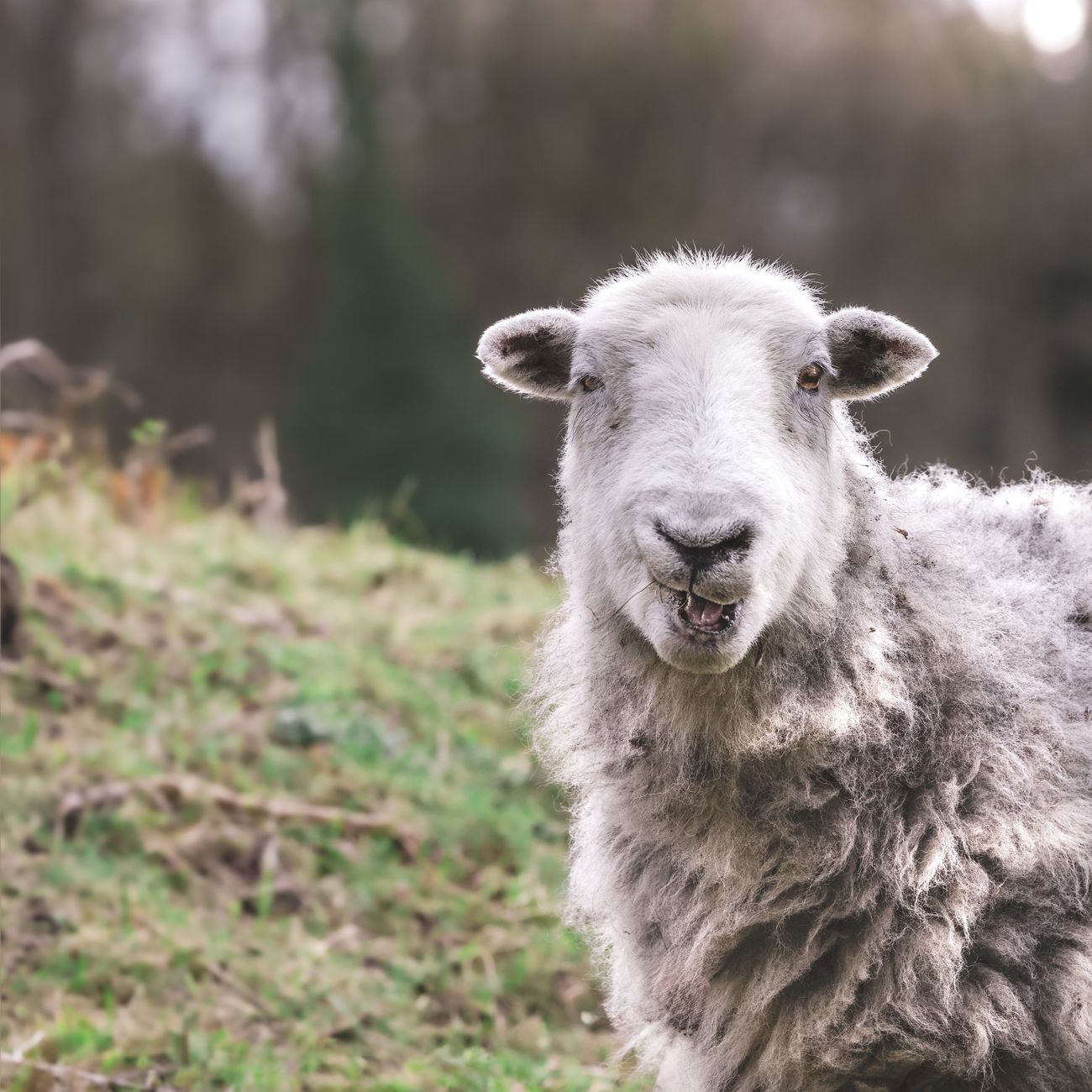
Staple Length is one of the most fundamental measurements in wool classing. It refers to the length of an individual wool fiber measured from the root to the tip, usually expressed in centimeters or inches. A longer staple allows for easier spinning and produces a smoother yarn, while a short staple may result in a coarser texture. For example, a Merino fleece typically exhibits a staple length of 6 to 12 cm, making it suitable for fine garments, whereas a coarse breed such as Lincoln may have a staple of only 4 to 5 cm, which is more appropriate for heavy blankets. The challenge in assessing staple length lies in the natural variability within a single fleece; classers must carefully sample multiple fibers to obtain an accurate average.
The term Micron (often abbreviated as µm) denotes the diameter of a wool fiber. Micron measurement is crucial because it directly influences the softness and perceived quality of the final product. Fibers under 18 µm are classified as superfine, ideal for high‑end apparel, while fibers above 30 µm are considered coarse and are typically used for upholstery or carpet. Modern instruments such as the Optical Fibre Diameter Analyzer (OFDA) provide precise micron readings, yet classers must also be aware of the influence of fiber shape and curvature on perceived fineness. A common practical application is the selection of micron ranges for different product lines: A fashion brand may specify a maximum of 16 µm for its cashmere‑like sweaters, whereas a rug manufacturer may accept fibers up to 35 µm.
Crimp describes the natural waviness of wool fibers. It is quantified by the number of bends per unit length, usually expressed as crimps per centimeter or per inch. High crimp contributes to resilience and elasticity, allowing wool garments to retain their shape after stretching. For instance, Merino wool often exhibits 10 to 12 crimps per cm, which explains its excellent drape and recovery. In contrast, hair‑type fibers such as Angora have low crimp, resulting in a less resilient yarn. Measuring crimp can be challenging because the count may vary along the fiber’s length, and external factors such as moisture can temporarily alter the waviness. Classers frequently use a crimpometer to obtain a standardized value, yet they must also rely on tactile assessment to confirm consistency across the fleece.
The concept of Fleece Weight refers to the total mass of wool shorn from a single animal, typically recorded in kilograms. Fleece weight is a key economic indicator for sheep producers, as it directly impacts revenue. A heavy fleece, such as that from a Bluefaced Leicester, may weigh 6 to 8 kg, providing a substantial raw material base. However, a heavier fleece does not automatically equate to higher quality; the fiber’s fineness, length, and cleanliness must also be considered. Practical applications include estimating yield before processing: A classer can predict the amount of clean wool after scouring by applying a standard yield factor (often 50‑55% of raw weight). Challenges arise when fleece weight is inflated by contaminants such as soil or vegetable matter, which can distort yield calculations if not properly accounted for.
Bradford Count is a historical system that categorizes wool based on the number of hanks (each hank being 560 yards) that can be spun from one pound of clean wool. The higher the count, the finer the wool. For example, a Bradford count of 64 indicates a very fine fiber, whereas a count of 30 denotes a coarse material. Although the Bradford system has largely been superseded by micron measurement, it remains a useful reference in some traditional markets. Understanding the relationship between Bradford count and micron is essential: A 64 count roughly corresponds to 18 µm, while a 30 count aligns with about 30 µm. The challenge for modern classers is translating legacy specifications into contemporary micron terms, especially when dealing with historical contracts or vintage textile reproductions.
Fiber Diameter Distribution (FDD) provides a statistical view of the range of fiber diameters within a fleece. Rather than relying solely on an average micron, FDD reveals the proportion of fibers falling within specific diameter bands (e.G., 15‑18 Μm, 18‑21 µm). A narrow distribution indicates uniformity and typically yields a smoother yarn, whereas a broad distribution may cause unevenness and pilling in the final fabric. Practical use of FDD includes tailoring blends: A mill might combine a fleece with a narrow distribution of 15‑17 µm fibers with a coarser fleece to achieve a target blend that balances softness and durability. One of the main challenges is accurately sampling the fleece to ensure the FDD truly represents the entire animal’s output; inadequate sampling can lead to misleading conclusions and product inconsistencies.
Medullated Fiber describes wool fibers that contain a hollow central canal, known as the medulla. These fibers are usually coarser and have lower tensile strength, making them less desirable for fine apparel but valuable for insulation products due to their trapped air. For example, the coarse outer coat of a Jacob sheep often contains a higher proportion of medullated fibers, which contributes to the breed’s reputation for producing warm, heavy blankets. Classers must identify medullated fibers during inspection, often using a magnifying lens to observe the central cavity. The presence of medullated fibers can affect the overall quality grade of a fleece; a high percentage may lower the grade, requiring careful blending decisions during processing.
Scale Pattern refers to the arrangement of cuticle scales on the surface of wool fibers. Wool scales are overlapping, plate‑like structures that give the fiber its characteristic feel and influence its interaction with dyes and other fibers. A regular, uniform scale pattern enhances dye uptake and contributes to a smooth hand feel, while irregular or broken scales can lead to uneven coloration and a rough texture. In practical terms, a mill may assess scale pattern via scanning electron microscopy (SEM) for high‑value fibers, but experienced classers can often detect scale irregularities by touch and visual inspection under a low‑magnification microscope. Challenges include differentiating between natural scale variations and damage caused by mechanical processing; improper handling during shearing or scouring can alter the scale pattern, thereby affecting downstream quality.
Follicle Density denotes the number of follicles per square centimeter of skin. Higher follicle density generally yields a higher fiber count per animal, contributing to a larger fleece weight without necessarily affecting fiber fineness. Merino sheep, for instance, have a follicle density of up to 150 follicles/cm², enabling them to produce abundant fine wool. Understanding follicle density assists breeders in selecting for traits that improve both quantity and quality. From a classer’s perspective, follicle density is not directly measurable in the field, but it can be inferred from fleece characteristics such as uniformity and overall fiber count. A challenge arises when high follicle density coincides with low fiber strength; this combination may produce a fleece that is plentiful but requires careful handling to avoid breakage during processing.
Yield is the proportion of clean, usable wool obtained after scouring relative to the raw fleece weight. Typical yields range from 50% to 55%, depending on the amount of contaminants and the breed’s fiber characteristics. For example, a clean Merino fleece may achieve a 55% yield, while a heavily soiled coarse fleece might only reach 45%. Yield calculations are essential for financial planning: A farmer can estimate revenue by multiplying the anticipated clean weight by the market price per kilogram. Practical challenges include accurately assessing the level of vegetable matter, dirt, and grease, as these contaminants can vary widely between flocks and even within a single flock. Classers often use a standardized sampling method—collecting a representative bundle of wool and measuring its weight before and after scouring—to determine an accurate yield factor for each batch.
Cleanliness describes the level of foreign matter present in a fleece, including soil, vegetable debris, lanolin, and other extraneous materials. Cleanliness is a critical quality parameter because contaminants increase processing costs, reduce yield, and can affect the final product’s appearance. For instance, a fleece with high vegetable matter may require additional washing steps, raising water and energy consumption. In practice, classers assign a cleanliness grade based on visual inspection and tactile assessment, often using a scale from “clean” to “dirty.” The challenge of maintaining cleanliness lies in managing animal husbandry practices—regular shearing, proper pasture management, and timely removal of dirty wool can significantly improve the overall cleanliness of the fleece.
Colour in wool can range from pure white to a spectrum of natural shades, including black, brown, gray, and various reds. White wool is highly versatile because it can be dyed to any hue, whereas naturally colored wools are valued for their unique aesthetic and often command premium prices in niche markets. For example, the Black Welsh Mountain sheep produces a deep black fleece prized by designers seeking a natural dark tone without chemical dyes. Colour assessment involves both visual inspection under standardized lighting and, for precise work, spectrophotometric analysis. A practical challenge is ensuring colour consistency across a flock; variations in diet, genetics, and environmental exposure can lead to uneven coloration, complicating batch processing and marketing.
Hand refers to the tactile perception of wool when it is rubbed between the fingers. A soft hand indicates fine fibers with minimal coarseness, whereas a harsh hand suggests a coarser texture. Hand is a subjective yet essential quality attribute, especially for garments that will be worn directly against the skin. For example, a fine Merino wool sweater is prized for its buttery hand, while a heavy wool blanket may have a firmer hand that provides structural support. Classers develop a keen sense of hand through repeated handling of diverse samples, often comparing a test fleece against a known standard. The challenge lies in maintaining objectivity; personal bias can influence hand assessments, so many certification programs incorporate blind testing to mitigate this effect.
Elasticity describes the ability of wool fibers to stretch under tension and return to their original length without permanent deformation. This property is largely due to the crimp and the protein structure of the fiber. High elasticity is desirable in apparel because it enhances comfort and durability. For instance, a sweater made from wool with excellent elasticity will retain its shape after repeated wear and washing. Practical testing of elasticity may involve a simple stretch test, where a fiber sample is pulled to a predetermined length and then released to observe recovery. A common challenge is that elasticity can be compromised by excessive moisture or chemical exposure during scouring; careful control of processing conditions is essential to preserve this valuable attribute.
Strength measures the resistance of wool fibers to breaking under tension. It is expressed in units such as megapascals (MPa) or grams per denier. Strong fibers are crucial for producing durable yarns that can withstand the mechanical stresses of knitting, weaving, and garment use. For example, a strong wool fiber with a tensile strength of 30 MPa will produce a yarn less likely to break during industrial spinning. Strength is typically assessed using a single‑fiber tensile tester, which pulls an individual fiber until it fails. Practical considerations include the impact of fiber length on measured strength; short fibers may appear weaker simply because they have less material to bear load. Additionally, environmental factors such as humidity can affect strength readings, requiring standardized testing conditions.
Texture encompasses the visual and tactile characteristics of wool, including smoothness, luster, and the presence of any irregularities such as kinks or bumps. A smooth, uniform texture contributes to a high‑quality appearance and a pleasant hand. Conversely, a rough texture may indicate coarser fibers or damage. For instance, a fine Merino fleece often exhibits a silky texture that is highly sought after in luxury fashion. Texture assessment can be performed by visual inspection under a magnifier and by running the wool between the fingers. A challenge for classers is distinguishing between natural textural variations and defects caused by processing, such as scouring under high temperature that may damage the cuticle scales and alter texture.
Yield Factor is a numerical coefficient used to convert raw fleece weight into an estimate of clean wool weight after scouring. It incorporates typical losses due to grease, dirt, and vegetable matter. For example, a yield factor of 0.52 Applied to a 6‑kg raw fleece predicts a clean weight of 3.12 Kg. Yield factors are breed‑specific and can be refined through laboratory analysis of representative samples. In practice, a farmer may use the yield factor to forecast marketable wool quantity and negotiate contracts. The challenge arises when actual field conditions deviate from the average assumptions embedded in the factor; unexpected high contamination can lead to lower yields, affecting profitability.
Classing is the systematic process of evaluating and categorising wool based on a set of quality criteria, including staple length, micron, crimp, colour, cleanliness, and overall condition. The outcome of classing determines the market grade and price of the fleece. For instance, a fleece that meets the criteria for a “Superfine” class will command a premium price compared to a “Coarse” class. Classers use standardized grading systems, often mandated by industry bodies, to ensure consistency across markets. Practical application of classing includes sorting fleeces into separate lots for processing, guiding blend formulations in mills, and providing feedback to producers for herd improvement. Challenges include the subjective nature of some assessments, the need for precise instrumentation, and the variability inherent in biological materials.
Condition in wool terminology refers to the overall health and integrity of the fibers, encompassing factors such as the presence of broken fibers, foreign matter, and damage from handling. A fleece in good condition will have a high proportion of intact, undamaged fibers, leading to better yield and higher quality grades. For example, a fleece with less than 5% broken fibers is considered to be in excellent condition, while a fleece exceeding 15% broken fibers may be downgraded. Condition assessment is performed visually and tactilely, often using a sampling board to spread fibers evenly for inspection. One challenge is that some damage may be hidden within the bulk of the fleece and only become apparent after scouring, necessitating careful handling throughout the supply chain.
Scouring is the industrial cleaning process that removes grease (lanolin), dirt, vegetable matter, and other contaminants from raw wool. The process typically involves washing the fleece in a series of baths containing alkaline detergents, followed by rinsing and drying. Effective scouring improves wool yield, enhances dye uptake, and prepares the fiber for subsequent processing stages such as carding and spinning. For instance, a well‑controlled scouring operation can achieve a yield of 55% for a clean Merino fleece. Practical considerations include the selection of chemical agents, temperature control, and water reuse to minimize environmental impact. Challenges in scouring involve balancing thorough cleaning with preserving delicate fiber properties; excessive agitation or high temperatures can damage the cuticle scales, reducing fibre strength and altering texture.
Carding is a mechanical process that disentangles, cleans, and aligns wool fibers into a continuous web called a sliver. The carding machine uses fine steel teeth to comb the fibers, removing remaining impurities and producing a uniform strand suitable for spinning. Carded wool is the basis for most yarn production, and the quality of the carded sliver influences the final yarn’s uniformity and strength. For example, a well‑carded sliver with consistent thickness will spin into a smooth, even yarn with minimal defects. Practical application of carding includes adjusting the feed rate and roller settings to accommodate different fiber lengths and fineness. The main challenges are dealing with fibers that have high levels of short or broken fibers, which can cause clumping and unevenness in the sliver, requiring careful monitoring and occasional re‑carding.
Combing is a refining step that further aligns wool fibers, removing short fibers and producing a high‑quality, fine‑length sliver known as “combed wool.” This process is essential for producing worsted yarns that demand superior uniformity and strength. For instance, a combed Merino sliver with a fiber length of 8 cm and a micron of 17 µm will yield a fine worsted yarn prized for its smooth hand and durability. Combing involves a series of combs that selectively extract short fibers, which are then directed to a waste stream. Practical considerations include setting the comb spacing to match the target fiber length and ensuring that the comb teeth are clean to avoid fiber damage. Challenges include the increased waste generation from short fibers and the higher energy consumption associated with the combing machinery.
Roving is a loosely twisted strand of wool fibers produced after carding or combing and before final spinning. The roving provides a manageable intermediate form that can be drawn out and twisted into yarn. The quality of the roving, such as its uniformity and twist consistency, directly affects the ease of spinning and the characteristics of the final yarn. For example, a roving with consistent linear density will produce a yarn with even thickness and minimal variation in tensile strength. In practice, roving is produced on a drawing frame that attenuates the sliver and applies a light twist. Challenges include maintaining consistent tension and preventing fiber breakage during drawing, especially when working with delicate superfine fibers that are prone to snapping under excessive stress.
Spinning converts roving or directly carded wool into yarn by further drawing out the fibers and applying twist to bind them together. The amount of twist, measured in turns per meter, determines the yarn’s strength, elasticity, and hand. For instance, a high‑twist yarn is stronger and more suitable for knitting, while a low‑twist yarn is softer and preferred for delicate weaving. Spinning can be performed on various types of machinery, ranging from traditional drop‑spindles to modern ring‑spinning frames. Practical applications include adjusting spindle speed and drafting settings to accommodate different fiber fineness and length, ensuring optimal yarn quality. Challenges in spinning include controlling tension to avoid uneven drafting, managing breakage in fine fibers, and achieving consistent twist across long production runs.
Yarn Count is a numerical system that expresses the thickness of yarn, typically in units such as tex (grams per kilometer) or denier (grams per 9,000 meters). A lower tex value indicates a finer yarn, while a higher tex denotes a thicker yarn. For example, a 20‑tex yarn is finer than a 40‑tex yarn and is commonly used for lightweight garments. Yarn count is essential for specifying the appropriate yarn for a given textile application, influencing factors such as fabric drape, weight, and durability. In practice, yarn count is determined by measuring the mass of a known length of yarn under controlled conditions. Challenges include maintaining consistent yarn count during large‑scale production, as variations can lead to uneven fabric properties and affect downstream processing such as weaving or knitting.
Blend refers to the combination of wool fibers from different fleeces or breeds to achieve desired properties in the final yarn or fabric. Blending allows manufacturers to balance characteristics such as softness, strength, and cost. For instance, a blend of 70% superfine Merino and 30% coarser Suffolk wool can produce a yarn that retains softness while adding durability and reducing material cost. Practical blending decisions are guided by fiber analysis data, including micron distribution, staple length, and crimp. The challenge lies in achieving a homogeneous mixture; inadequate blending can result in localized variations in yarn quality, leading to defects such as uneven thickness or inconsistent dye uptake. Advanced blending equipment uses precise feed control to ensure uniform distribution of each component.
Scalp is the term used for the skin of the sheep from which the wool is shorn. While the scalp itself is not part of the wool, its condition can influence the cleanliness and quality of the fleece. A healthy scalp with minimal lesions reduces the risk of contaminating the wool with blood, pus, or skin debris. For example, a flock with a high incidence of scab disease may produce fleeces that contain significant amounts of crusty material, lowering cleanliness grades. Practical management includes regular inspection and treatment of skin conditions, as well as proper shearing techniques to avoid damaging the scalp. Challenges include detecting early signs of disease and implementing biosecurity measures to prevent spread within the flock.
Shear Break occurs when the shearing tool unintentionally cuts the wool fibers, creating short, uneven ends that can affect staple length measurements and overall fleece quality. Shear break is often caused by dull blades, improper technique, or excessive tension on the animal. For instance, a shear break rate of more than 5% in a flock may indicate the need for blade sharpening and shearer training. In practice, classers examine the fleece for signs of shear break by looking for a high proportion of short fibers and irregular staple length distribution. The challenge is to minimize shear break while maintaining efficient shearing speed, requiring a balance between tool maintenance and operator skill.
Lanolin is the natural waxy substance secreted by wool-bearing animals to protect their skin and fleece from moisture. While lanolin provides valuable properties such as water repellency, it must be removed during scouring because it interferes with dyeing and reduces wool yield. For example, a fleece with a high lanolin content may experience a yield loss of up to 5% if not properly extracted. Lanolin can be recovered as a by‑product of scouring and refined for use in cosmetics and lubricants. Practical considerations include selecting appropriate detergents that efficiently emulsify lanolin without damaging the fiber cuticle. Challenges involve managing the environmental impact of lanolin‑laden effluents and ensuring that recovery processes meet regulatory standards.
Vegetable Matter comprises plant material such as leaves, stems, and grasses that become entangled in the fleece during grazing. High levels of vegetable matter increase the weight of the raw fleece but do not contribute to usable wool, thereby reducing yield. For instance, a fleece containing 10% vegetable matter may see its clean yield drop from 55% to 45% after scouring. Practical approaches to reduce vegetable matter include maintaining well‑managed pastures, using rotational grazing, and implementing shearing schedules that minimize exposure to heavily vegetated areas. The challenge lies in balancing animal nutrition with fleece cleanliness; over‑grazing can lead to poor pasture quality and increase the risk of soil contamination of the fleece.
Grease refers to the combination of lanolin and other oily substances present on the wool surface. Grease content is measured as a percentage of the raw fleece weight and influences scouring requirements. For example, a fleece with 12% grease will require more intensive washing than one with 5% grease, affecting both water consumption and processing time. In practice, grease is removed using alkaline detergents in a series of scouring baths, after which the wool is rinsed to eliminate residual chemicals. Challenges include controlling the temperature and pH of scouring solutions to avoid fiber damage while achieving efficient grease removal, as well as handling the disposal of grease‑laden wastewater in an environmentally responsible manner.
Fiber Strength Index (FSI) is a composite metric that combines tensile strength, elongation, and modulus to provide a single figure representing the overall robustness of wool fibers. A higher FSI indicates superior mechanical performance, which is especially important for applications requiring high durability, such as technical textiles and outdoor apparel. For instance, an FSI of 85 (on a scale where 100 represents the benchmark for the finest Merino) signals that the fiber possesses excellent strength and elasticity. Practical use of FSI includes selecting fibers for specific end‑uses, guiding blend formulations, and setting quality targets for breeding programs. The challenge is that FSI can be influenced by environmental factors such as humidity, requiring standardized testing conditions to ensure comparability across samples.
Fiber Elastic Modulus quantifies the stiffness of a wool fiber, expressed in gigapascals (GPa). A lower modulus indicates a more flexible fiber that can stretch easily, while a higher modulus denotes a stiffer fiber that resists deformation. Elastic modulus is critical for determining how a yarn will behave under tension during knitting or weaving. For example, a wool with an elastic modulus of 0.8 GPa will produce a fabric that drapes smoothly, whereas a modulus of 1.2 GPa may result in a firmer, more structured material. In practice, modulus is measured using a tensile testing machine that records stress‑strain data. Challenges include the sensitivity of modulus to temperature and moisture, which can cause variability in test results if not properly controlled.
Fiber Moisture Regain is the amount of water a wool fiber absorbs from the atmosphere, expressed as a percentage of its dry weight. Wool typically exhibits a moisture regain of around 14‑16%, contributing to its comfort properties by allowing the fiber to wick moisture away from the skin. For instance, a sweater made from wool with a moisture regain of 15% will feel cooler in warm conditions and provide warmth when the temperature drops. Practical applications include using moisture regain data to predict fabric performance in various climates and to design blends that enhance breathability. The challenge lies in accurately measuring moisture regain, as laboratory conditions must replicate the relative humidity and temperature of the intended use environment.
Fiber Surface Lipid refers to the thin layer of fatty substances coating the outer cuticle of wool fibers. While the primary lipid is lanolin, other lipids may be present, influencing the fiber’s lubricity and resistance to friction. A higher surface lipid content can improve processing by reducing static buildup during carding but may also hinder dye uptake if not adequately removed. For example, a fleece with elevated surface lipids may require additional scouring steps to achieve consistent coloration. Practical considerations include adjusting the concentration of scouring detergents to target specific lipid levels without over‑exposing the fibers to harsh chemicals. Challenges involve balancing the removal of unwanted lipids while preserving the natural protective qualities that prevent fiber damage during handling.
Fiber Diameter Uniformity (FDU) is a statistical measure of how closely the individual fiber diameters cluster around the mean value. High uniformity (low variance) is desirable for producing smooth, even yarns with consistent texture. For instance, a fleece with an FDU of 0.8 Μm indicates a tight distribution, leading to less pilling and a finer hand. In practice, FDU is calculated from the standard deviation of micron measurements across a representative sample. The challenge is that natural variation within an animal’s fleece can increase FDU, requiring careful selection and possible blending to achieve the desired uniformity for high‑end textile applications.
Fiber Scale Overlap describes the degree to which cuticle scales cover each other along the length of a wool fiber. Complete overlap provides a smooth surface that enhances dye penetration and reduces friction during processing. In contrast, incomplete or irregular overlap can cause surface roughness, leading to increased wear on machinery and uneven dye uptake. For example, a wool sample with well‑overlapped scales will exhibit a glossy appearance after finishing, whereas one with disrupted overlap may appear dull. Practical assessment may involve microscopic examination, often aided by staining techniques that highlight scale boundaries. Challenges include detecting subtle scale irregularities that may not be apparent to the naked eye but can affect large‑scale production quality.
Fiber Cross‑Sectional Shape influences the way wool interacts with light, its tactile properties, and its mechanical behavior. While most wool fibers are roughly circular, some breeds exhibit elliptical or even flattened cross‑sections, affecting luster and yarn compactness. For instance, a flattened fiber may produce a fabric with a silkier sheen due to increased light reflection. In practice, cross‑sectional shape is examined using scanning electron microscopy or by embedding fibers in resin and slicing them for microscopic analysis. The challenge for classers is that cross‑sectional shape is not easily observable without specialized equipment, yet it can be a decisive factor in premium market segments where visual attributes are paramount.
Fiber Breakage Ratio is the proportion of fibers that are fractured or incomplete within a sample, expressed as a percentage. A low breakage ratio (e.G., Below 5%) indicates a healthy fleece with minimal handling damage, while a high ratio suggests issues such as poor shearing technique, disease, or excessive processing stress. For example, a fleece with a breakage ratio of 12% may require re‑grading to a lower class due to reduced usable fiber length. Practical monitoring involves counting broken fibers in a standardized sample and tracking trends over time to identify systemic problems. Challenges include distinguishing between natural breakage that occurs during normal growth and damage caused by external factors, which may require different remedial actions.
Fiber Yield Loss quantifies the reduction in usable wool after each processing stage, expressed as a percentage of the initial raw weight. Typical stages include scouring, carding, and combing, each contributing to cumulative losses. For instance, a raw fleece of 5 kg may lose 2 kg during scouring (yield loss of 40%), an additional 0.3 Kg during carding (6% loss), and 0.2 Kg during combing (4% loss), resulting in a final clean weight of 2.5 Kg. Understanding these losses helps producers optimize processing routes and improve economic returns. Practical applications include adjusting processing parameters to minimize loss, such as reducing scouring temperature or optimizing carding speed. Challenges involve balancing loss reduction with the need to remove contaminants and achieve desired fiber quality.
Fiber Fatigue refers to the progressive weakening of wool fibers under repeated cyclic loading, such as bending during knitting or stretching during wear. Over time, fatigue can lead to fiber breakage, reduced elasticity, and a loss of garment integrity. For example, a sweater subjected to frequent stretching may exhibit visible signs of fatigue after several wash cycles, manifesting as small holes or loss of shape. In practice, fatigue testing involves subjecting fibers to repeated tensile cycles and measuring the reduction in tensile strength. The challenge for manufacturers is to select fibers with high fatigue resistance for products expected to endure rigorous use, often requiring a trade‑off between fineness and durability.
Fiber Surface Roughness describes the microscopic texture of the wool fiber’s outer layer, influencing hand, friction, and dye uptake. A smoother surface contributes to a softer hand and lower friction during processing, while a rougher surface can cause increased pilling and higher energy consumption in machinery. For instance, a wool with low surface roughness may be preferred for fine garments, whereas a rougher wool could be suitable for carpets where durability is prioritized. Practical measurement can be performed using profilometry or tactile assessment with calibrated tools. Challenges include controlling surface roughness during scouring, as aggressive cleaning can inadvertently roughen the cuticle scales, necessitating careful process optimization.
Fiber Dye Affinity is the propensity of wool fibers to absorb and retain dyes, which is affected by factors such as fiber fineness, scale condition, and surface chemistry. High dye affinity ensures uniform coloration and reduces the need for excessive dye usage. For example, a superfine Merino fleece with well‑preserved scales exhibits excellent affinity for both acid and reactive dyes, resulting in vibrant, long‑lasting colors. In practice, dye affinity is evaluated through small‑scale dyeing trials, where a sample is immersed in a standard dye bath and the uptake is measured spectrophotometrically. Challenges arise when fibers have been over‑scoured or contain residual chemicals that hinder dye penetration, requiring additional pretreatment steps to restore optimal affinity.
Fiber Thermal Conductivity measures the ability of wool to transfer heat, an important property for applications in thermal clothing and insulation. Wool’s natural crimp and air pockets give it relatively low thermal conductivity, providing warmth while allowing breathability. For instance, a wool blanket with a conductivity of 0.04 W/m·K will retain heat effectively, making it suitable for cold climates. Practical testing involves using a guarded hot plate method to determine conductivity under controlled temperature gradients. The challenge for classers is to convey this property in a way that aligns with consumer expectations, as lower conductivity values are often marketed as “thermal efficiency,” requiring clear communication of performance benefits.
Fiber Moisture Desorption describes the rate at which wool releases absorbed moisture back into the environment. Rapid desorption contributes to quick drying, enhancing comfort in active wear. For example, a sports jersey made from wool with high moisture desorption will feel dry faster after sweating, reducing the risk of chill. In practice, desorption rates are measured by exposing a saturated sample to a controlled humidity environment and recording the weight loss over time. Challenges include ensuring that desorption testing mimics real‑world conditions, as laboratory humidity and temperature may differ from outdoor scenarios, potentially leading to misleading performance claims.
Fiber Surface Charge can affect static buildup during processing and influence dyeing behavior. Wool typically carries a slight negative charge due to its protein composition, which can attract positively charged dye molecules. Managing surface charge is important in high‑speed carding operations, where static discharge can cause fiber clumping and equipment wear. For instance, the use of antistatic agents in the scouring bath can neutralize excess charge and improve fiber flow. Practical monitoring involves measuring electrostatic potential using a tribometer. The challenge lies in balancing antistatic treatments with the preservation of fiber integrity, as excessive chemical additives may weaken the cuticle or alter the fiber’s tactile properties.
Fiber Length Distribution provides a profile of the various lengths present within a fleece, often displayed as a histogram showing the percentage of fibers within specific length intervals. A narrow length distribution facilitates uniform processing, while a broad distribution can cause difficulties in carding and spinning, leading to irregular yarns. For example, a fleece where 80% of fibers fall within the 6‑8 cm range is considered well‑balanced for many textile applications. In practice, length distribution is determined by sampling a large number of fibers and measuring each using a calibrated ruler or digital imaging system. Challenges include ensuring that the sample is representative of the entire fleece, as localized variations may skew the distribution and affect downstream processing decisions.
Fiber Surface Hydrophilicity refers to the affinity of wool for water, influencing how quickly the fiber can absorb moisture from the environment. High hydrophilicity enhances comfort by allowing the fiber to wick sweat away from the skin, while low hydrophilicity may result in a feeling of dampness. For instance, a wool blend designed for outdoor apparel often targets a hydrophilicity level that balances moisture management with insulation. Practical assessment involves measuring the contact angle of a water droplet on the fiber surface; a lower angle indicates greater hydrophilicity. The challenge for manufacturers is to maintain this property after processing treatments such as heat setting, which can reduce surface energy and alter moisture interaction.
Fiber Cuticle Integrity is a critical indicator of wool quality, as the cuticle protects the inner cortex and contributes to the fiber’s smoothness and resilience. Damage to the cuticle—caused by harsh scouring, mechanical abrasion, or disease—can lead to increased surface roughness, reduced dye uptake, and lower tensile strength. For example, a fleece with 95% cuticle integrity will produce yarn with a soft hand and strong performance, whereas a fleece with 70% integrity may exhibit a coarse feel and higher breakage rates. In practice, cuticle integrity is examined using microscopic imaging, often after staining the fiber to highlight damaged areas. Challenges include detecting subtle cuticle defects that may not be evident without specialized equipment, emphasizing the need for routine quality audits in processing facilities.
Fiber Protein Composition determines many of wool’s functional properties, as the relative amounts of keratin sub‑units influence elasticity, strength, and thermal behavior. Variations in protein composition can arise from breed genetics, nutrition, and environmental stress.
Key takeaways
- For example, a Merino fleece typically exhibits a staple length of 6 to 12 cm, making it suitable for fine garments, whereas a coarse breed such as Lincoln may have a staple of only 4 to 5 cm, which is more appropriate for heavy blankets.
- A common practical application is the selection of micron ranges for different product lines: A fashion brand may specify a maximum of 16 µm for its cashmere‑like sweaters, whereas a rug manufacturer may accept fibers up to 35 µm.
- Measuring crimp can be challenging because the count may vary along the fiber’s length, and external factors such as moisture can temporarily alter the waviness.
- Practical applications include estimating yield before processing: A classer can predict the amount of clean wool after scouring by applying a standard yield factor (often 50‑55% of raw weight).
- The challenge for modern classers is translating legacy specifications into contemporary micron terms, especially when dealing with historical contracts or vintage textile reproductions.
- Practical use of FDD includes tailoring blends: A mill might combine a fleece with a narrow distribution of 15‑17 µm fibers with a coarser fleece to achieve a target blend that balances softness and durability.
- For example, the coarse outer coat of a Jacob sheep often contains a higher proportion of medullated fibers, which contributes to the breed’s reputation for producing warm, heavy blankets.