
Sustainable Cleaning Practices
Sustainable Cleaning Practices: Sustainable cleaning practices refer to methods and techniques that aim to minimize environmental impact while maintaining cleanliness and hygiene. These practices focus on reducing waste, conserving resource…
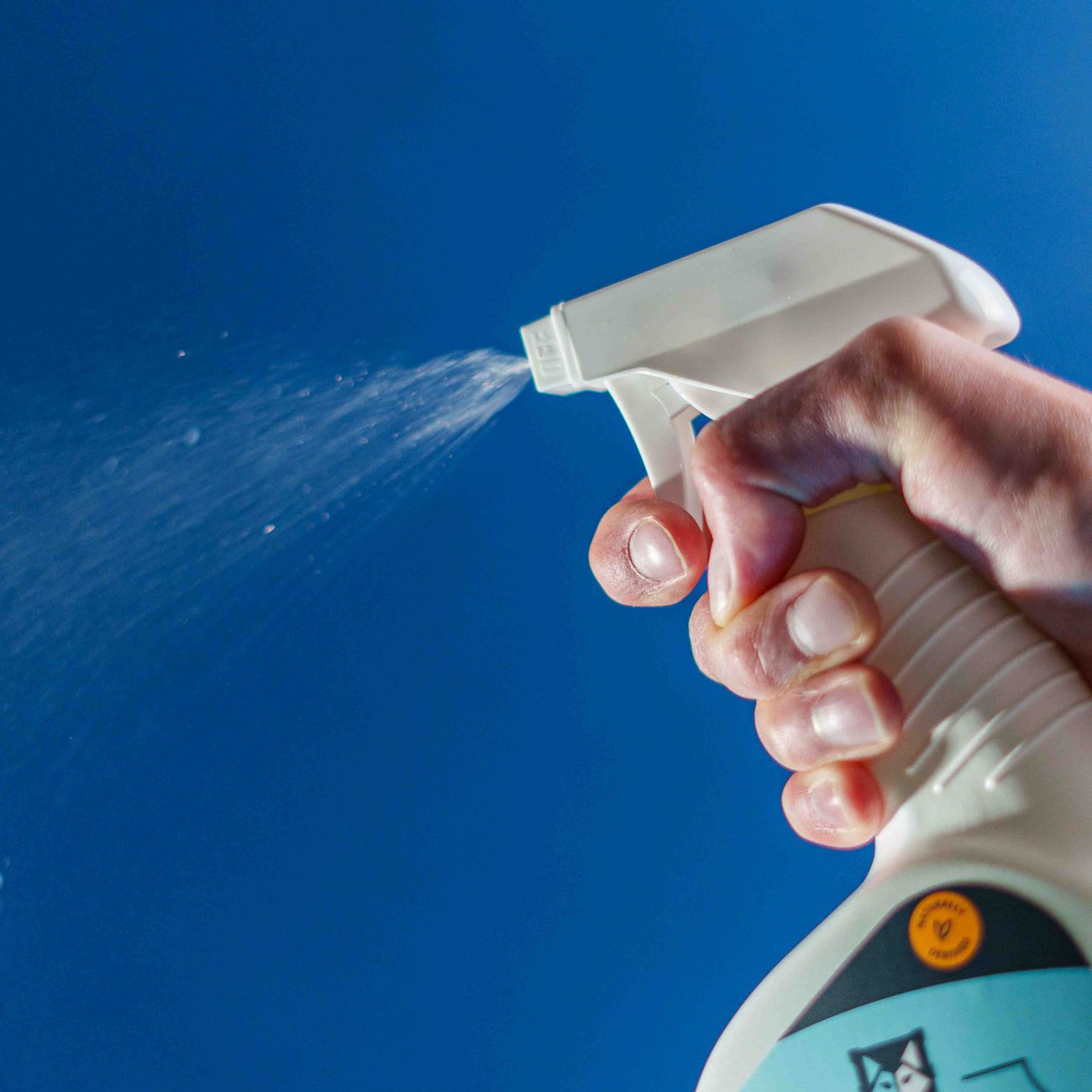
Sustainable Cleaning Practices: Sustainable cleaning practices refer to methods and techniques that aim to minimize environmental impact while maintaining cleanliness and hygiene. These practices focus on reducing waste, conserving resources, and using eco-friendly products to clean effectively. Sustainable cleaning practices are essential for promoting a healthy environment, protecting human health, and preserving natural resources for future generations.
Eco-Friendly Cleaning: Eco-friendly cleaning involves using products and methods that are safe for the environment and human health. This includes using non-toxic, biodegradable cleaners, reducing water usage, and minimizing waste generation. Eco-friendly cleaning is a key component of sustainable cleaning practices and plays a vital role in promoting a greener and healthier planet.
Green Cleaning: Green cleaning is another term used to describe environmentally friendly cleaning practices. It involves using products and techniques that have a minimal impact on the environment and human health. Green cleaning focuses on reducing pollution, conserving energy, and promoting sustainability in the cleaning industry.
Biodegradable: Biodegradable refers to substances that can be broken down by natural processes into simpler compounds. Biodegradable cleaners are important in sustainable cleaning practices because they do not accumulate in the environment and pose less harm to ecosystems. Using biodegradable products helps reduce pollution and protect water sources from contamination.
Non-Toxic: Non-toxic cleaners are products that do not contain harmful chemicals or substances that can cause harm to human health or the environment. Using non-toxic cleaners is essential in eco-friendly cleaning practices to ensure the safety of cleaning staff, building occupants, and the environment. Non-toxic cleaners are often made from natural ingredients and are safer alternatives to traditional cleaning products.
Water Conservation: Water conservation involves using water efficiently and minimizing water waste in cleaning operations. Sustainable cleaning practices emphasize the importance of conserving water resources by using low-flow equipment, implementing water-saving techniques, and avoiding unnecessary water usage. Water conservation is crucial for reducing water scarcity and protecting aquatic ecosystems.
Energy Efficiency: Energy efficiency in cleaning refers to using energy-efficient equipment and practices to reduce energy consumption and minimize carbon emissions. Sustainable cleaning practices promote energy-efficient cleaning methods to lower operating costs, decrease greenhouse gas emissions, and promote environmental sustainability. Using energy-efficient equipment helps reduce the environmental impact of cleaning operations.
Carbon Footprint: A carbon footprint is the total amount of greenhouse gases emitted directly or indirectly by an individual, organization, event, or product. Sustainable cleaning practices aim to reduce carbon footprints by using eco-friendly products, minimizing energy consumption, and adopting green cleaning techniques. Lowering carbon footprints is essential for combating climate change and promoting a more sustainable future.
Recycling: Recycling is the process of collecting, processing, and reusing materials to create new products. Sustainable cleaning practices promote recycling to reduce waste generation, conserve resources, and minimize environmental impact. Recycling cleaning containers, paper products, and other materials helps reduce landfill waste and promotes a circular economy.
Compostable: Compostable refers to materials that can be broken down into organic matter through composting processes. Compostable cleaning products are biodegradable and can be converted into nutrient-rich compost for soil enrichment. Using compostable products in cleaning operations helps reduce waste and promote soil health by returning organic matter to the earth.
Green Seal Certified: Green Seal is a non-profit organization that certifies products and services that meet stringent environmental standards. Green Seal certification indicates that a product has been independently verified to meet eco-friendly criteria, such as reduced toxicity, biodegradability, and sustainable sourcing. Using Green Seal certified products ensures that cleaning operations are environmentally responsible and promote sustainability.
LEED Certification: LEED (Leadership in Energy and Environmental Design) certification is a green building certification program that recognizes buildings and facilities for sustainable design, construction, and operation. Cleaning practices play a significant role in achieving LEED certification by promoting green cleaning, water conservation, energy efficiency, and waste management. Implementing LEED guidelines in cleaning operations helps improve indoor air quality, reduce environmental impact, and enhance occupant health and well-being.
Microfiber Cleaning: Microfiber cleaning involves using microfiber cloths and mop heads to clean surfaces more effectively and efficiently. Microfiber materials have superior cleaning properties, such as trapping dust, dirt, and bacteria, and requiring less water and chemicals compared to traditional cleaning methods. Microfiber cleaning is a sustainable practice that helps reduce waste, improve cleaning performance, and promote environmental sustainability.
Green Cleaning Products: Green cleaning products are environmentally friendly alternatives to traditional cleaning chemicals that are safe for human health and the environment. These products are typically made from natural or plant-based ingredients, biodegradable, non-toxic, and free of harsh chemicals and fragrances. Using green cleaning products is essential in sustainable cleaning practices to reduce pollution, protect indoor air quality, and promote a healthier environment.
Zero Waste Cleaning: Zero waste cleaning aims to minimize waste generation and promote recycling, composting, and reuse of materials in cleaning operations. Zero waste cleaning practices focus on reducing single-use items, avoiding unnecessary packaging, and implementing waste reduction strategies to minimize environmental impact. By adopting zero waste cleaning practices, organizations can reduce landfill waste, conserve resources, and promote a more sustainable cleaning approach.
Challenges in Sustainable Cleaning: Implementing sustainable cleaning practices may pose challenges for organizations, including the initial cost of eco-friendly products, resistance to change from traditional cleaning methods, and lack of awareness about environmental issues. Overcoming these challenges requires education, training, and commitment to sustainability principles to create a greener and healthier cleaning environment.
Benefits of Sustainable Cleaning: Embracing sustainable cleaning practices offers numerous benefits, including improved indoor air quality, reduced exposure to harmful chemicals, lower operating costs, enhanced occupant health and well-being, and a reduced environmental footprint. Sustainable cleaning practices contribute to a healthier workplace, a cleaner environment, and a more sustainable future for generations to come.
Key takeaways
- Sustainable Cleaning Practices: Sustainable cleaning practices refer to methods and techniques that aim to minimize environmental impact while maintaining cleanliness and hygiene.
- Eco-friendly cleaning is a key component of sustainable cleaning practices and plays a vital role in promoting a greener and healthier planet.
- Green cleaning focuses on reducing pollution, conserving energy, and promoting sustainability in the cleaning industry.
- Biodegradable cleaners are important in sustainable cleaning practices because they do not accumulate in the environment and pose less harm to ecosystems.
- Non-Toxic: Non-toxic cleaners are products that do not contain harmful chemicals or substances that can cause harm to human health or the environment.
- Sustainable cleaning practices emphasize the importance of conserving water resources by using low-flow equipment, implementing water-saving techniques, and avoiding unnecessary water usage.
- Sustainable cleaning practices promote energy-efficient cleaning methods to lower operating costs, decrease greenhouse gas emissions, and promote environmental sustainability.