
Molecular Tools for Conservation
DNA barcoding is a molecular technique that uses a short, standardized region of the genome to identify species. In conservation, it allows rapid verification of wildlife products in markets, helping to combat illegal trade. For example, th…
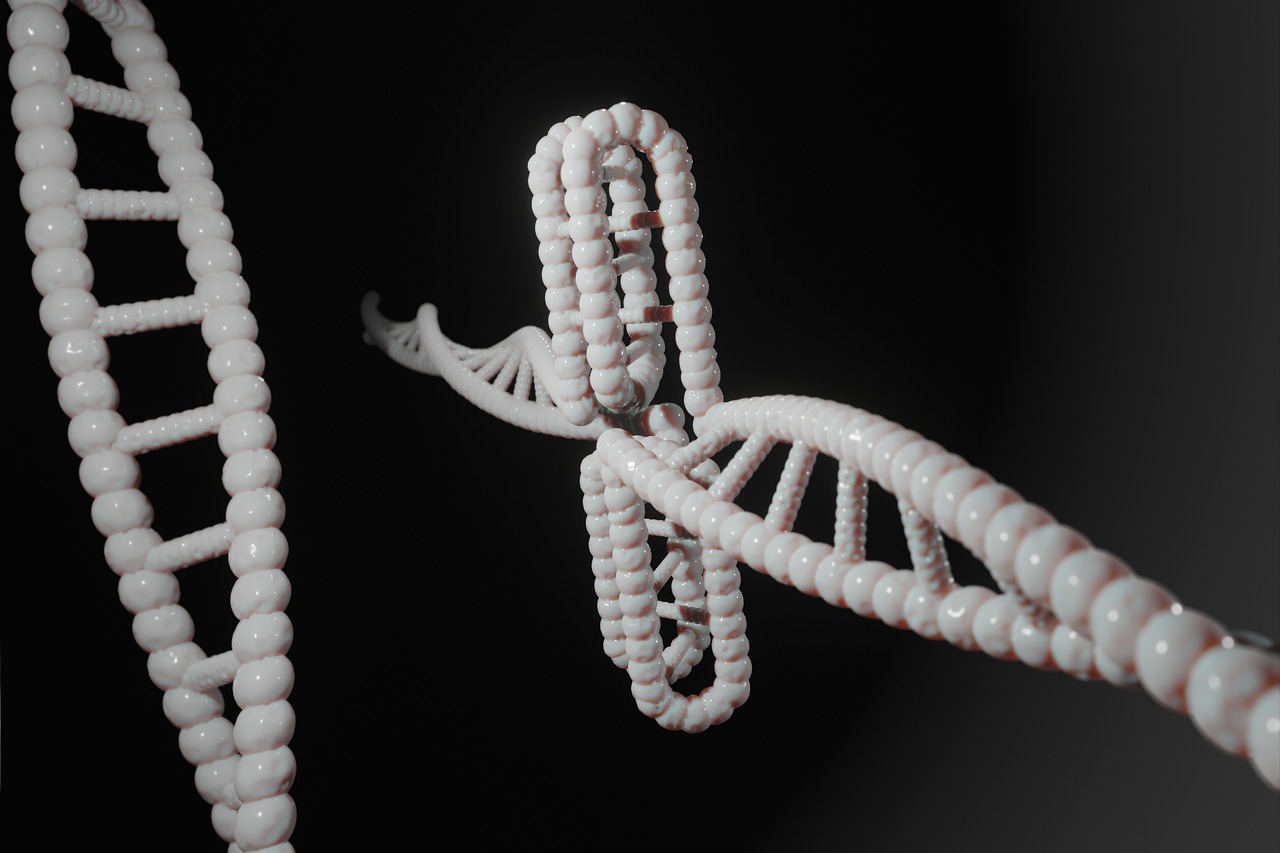
DNA barcoding is a molecular technique that uses a short, standardized region of the genome to identify species. In conservation, it allows rapid verification of wildlife products in markets, helping to combat illegal trade. For example, the mitochondrial cytochrome c oxidase I (COI) gene is commonly sequenced from a confiscated fish sample; a match to a reference database confirms the species identity. Challenges include incomplete reference libraries and the presence of nuclear mitochondrial pseudogenes that can confound results.
The term microsatellite refers to short tandem repeats of 1–6 base pairs scattered throughout the genome. Because they mutate at high rates, microsatellites are highly polymorphic and useful for estimating genetic diversity, relatedness, and population structure. A typical application is to genotype individuals from a fragmented amphibian population to assess connectivity. However, microsatellite development can be labor‑intensive, and null alleles caused by mutations in primer binding sites may bias estimates if not properly accounted for.
Single nucleotide polymorphism (SNP) denotes a variation at a single base pair position. SNPs are abundant across genomes and can be genotyped in large numbers using high‑throughput platforms. In conservation genomics, SNP panels are employed to monitor fine‑scale gene flow among tiger subpopulations, informing corridor design. The main limitation is ascertainment bias: SNPs discovered in a small sample may not represent variation in other groups, potentially leading to underestimation of diversity.
The acronym RAPD stands for Random Amplified Polymorphic DNA, a PCR‑based method that uses arbitrary primers to amplify random genomic fragments. RAPDs generate a quick, cost‑effective fingerprint of genetic variation, useful when resources are limited. For instance, RAPD profiles have been used to differentiate between native and introduced crayfish populations. The technique suffers from reproducibility issues because small changes in reaction conditions can alter band patterns, making cross‑laboratory comparisons problematic.
AFLP (Amplified Fragment Length Polymorphism) combines restriction enzyme digestion with selective amplification, producing a larger number of loci than RAPDs. AFLP markers have been applied to assess genetic structuring in endangered orchids, revealing distinct evolutionary lineages that merit separate management. The method requires relatively high‑quality DNA, and the dominant nature of the markers prevents direct estimation of heterozygosity without additional assumptions.
The concept of mitochondrial DNA (mtDNA) is central to many conservation studies because of its maternal inheritance, lack of recombination, and relatively rapid evolution. MtDNA haplotypes are frequently used to reconstruct phylogeographic histories, such as identifying glacial refugia for alpine mammals. One drawback is that mtDNA reflects only the matrilineal history, which may not represent the species’ overall genetic structure, especially when male‑biased dispersal occurs.
nuclear DNA encompasses the bulk of the genome and is inherited biparentally. Analyses of nuclear markers provide a more complete picture of population dynamics, including estimates of effective population size (Ne) and inbreeding coefficients (FIS). For example, genome‑wide SNP data have been used to quantify recent bottlenecks in a critically endangered bird, guiding decisions on captive breeding. Obtaining sufficient nuclear data can be costly, and the large amount of information demands robust bioinformatic pipelines.
The term genome refers to the complete set of genetic material within an organism. Whole‑genome sequencing (WGS) generates comprehensive data that enable the detection of adaptive variation, disease‑associated alleles, and demographic histories. In a marine turtle conservation project, WGS identified genes linked to temperature‑dependent sex determination, informing hatchery temperature management. The primary challenges of WGS are high sequencing costs, especially for large genomes, and the need for sophisticated computational resources to assemble and annotate the data.
Transcriptome analysis captures the set of expressed genes at a given time or tissue, providing insight into functional responses to environmental stressors. RNA‑seq has been employed to examine how coral species alter gene expression under bleaching conditions, revealing candidate pathways for resilience. However, transcriptomic studies require high‑quality RNA, which is difficult to preserve in field settings, and expression levels can be highly variable, necessitating careful experimental design and replication.
The field of epigenetics investigates heritable changes in gene expression that do not involve alterations to the DNA sequence, such as DNA methylation. Epigenetic markers have been used to assess the impact of habitat fragmentation on stress responses in small mammals, showing that fragmented populations exhibit altered methylation patterns associated with reduced fitness. Detecting epigenetic changes often demands bisulfite sequencing or methylation‑sensitive restriction assays, both of which can be technically demanding and sensitive to sample degradation.
Environmental DNA (eDNA) denotes genetic material shed by organisms into their surroundings, such as water, soil, or air. EDNA sampling allows non‑invasive detection of elusive species, exemplified by the discovery of a rare salamander in remote streams using water filtrations followed by qPCR. Limitations include the difficulty of quantifying abundance from eDNA concentrations, and the potential for false positives caused by contamination or DNA persistence after organismal removal.
The phrase next‑generation sequencing (NGS) encompasses a suite of high‑throughput technologies that generate millions of short reads in parallel. Platforms such as Illumina, Ion Torrent, and BGI have revolutionized conservation genetics by enabling cost‑effective, large‑scale genotyping. For instance, a RAD‑seq (Restriction site Associated DNA sequencing) study on a fragmented lizard population identified thousands of SNPs, revealing recent reductions in gene flow. Despite their power, NGS methods face challenges related to library preparation biases, sequencing errors, and the need for rigorous data filtering to avoid spurious conclusions.
Whole‑genome sequencing provides the most detailed genetic information, capturing both coding and non‑coding regions. In the case of an endangered plant, WGS facilitated the identification of disease resistance genes that could be introgressed into restoration lines. The major obstacles are the high computational demand for assembling large, repetitive genomes and the difficulty of obtaining high‑molecular‑weight DNA from herbarium specimens or field‑collected tissues.
RADseq (Restriction site Associated DNA sequencing) is a reduced‑representation approach that targets DNA fragments adjacent to restriction enzyme cut sites. It balances cost and resolution, making it popular for population genomics in non‑model species. A conservation project on a threatened fish used RADseq to detect cryptic population structure, informing the designation of management units. The method can suffer from missing data due to uneven coverage across loci and individuals, which may bias downstream analyses if not properly addressed.
Genotyping‑by‑Sequencing (GBS) is similar to RADseq but often employs a two‑enzyme protocol to increase uniformity of fragment distribution. GBS has been applied to assess genetic diversity in a fragmented orchid, revealing a sharp decline in heterozygosity over the past century. GBS data require careful filtering of low‑frequency alleles, and the choice of restriction enzymes can influence the number and distribution of loci, affecting the comparability of results across studies.
The term single‑cell genomics refers to sequencing the genome or transcriptome of individual cells, allowing the detection of rare genetic variants within a population. In a conservation context, single‑cell approaches have been used to identify clonal lineages of invasive mussels, aiding eradication strategies. The technique is still limited by the difficulty of isolating single cells from many wildlife tissues and by the high cost per sample.
Polymerase Chain Reaction (PCR) amplifies specific DNA fragments and forms the foundation for many downstream molecular tools. Real‑time PCR (qPCR) quantifies DNA in a sample, enabling the estimation of eDNA concentrations for species monitoring. Digital PCR partitions a sample into thousands of micro‑reactions, providing absolute quantification without the need for standard curves. While PCR is highly sensitive, it is also prone to contamination, and primer specificity must be rigorously validated to avoid cross‑amplification.
CRISPR‑Cas technology enables targeted editing of genomic sequences and has emerging applications in conservation, such as gene drives designed to suppress invasive rodent populations on islands. The approach also offers potential for rescuing genetic diversity by introducing adaptive alleles into small, inbred populations. Ethical considerations, off‑target effects, and regulatory hurdles constitute significant barriers to the deployment of CRISPR tools in wild settings.
Sanger sequencing remains the gold standard for obtaining accurate, long reads of individual DNA fragments. It is frequently employed to confirm SNP genotypes or to sequence mitochondrial haplotypes for phylogenetic analyses. Though more expensive per base than NGS, Sanger sequencing offers high fidelity and is ideal for small‑scale projects or for validating high‑throughput results. A limitation is that it cannot efficiently handle the massive data volumes required for whole‑genome studies.
Illumina sequencing produces short (typically 150–300 bp) high‑accuracy reads and dominates most population‑genomics projects due to its low per‑base cost. Illumina libraries have been used to generate genome‑wide SNP datasets for endangered carnivores, facilitating the detection of recent hybridization events. Short reads can struggle to resolve repetitive regions and structural variants, necessitating complementary long‑read data for comprehensive genome assemblies.
Pacific Biosciences (PacBio) sequencing generates long reads that span several kilobases, allowing the resolution of complex genomic regions, such as those containing transposable elements. In a conservation genomics effort on a rare amphibian, PacBio reads helped assemble a high‑quality reference genome, revealing previously hidden gene families involved in skin toxin production. The technology has higher error rates per raw read compared with Illumina, though consensus accuracy improves with high coverage, and the cost per gigabase remains relatively high.
Oxford Nanopore sequencing provides ultra‑long reads and real‑time data acquisition, opening possibilities for field‑based genomics. Portable MinION devices have been deployed in remote rainforest camps to sequence DNA from poached wildlife on site, accelerating forensic identification. Nanopore reads exhibit higher error rates, especially in homopolymer regions, and require robust base‑calling algorithms to achieve reliable variant calls.
The concept of reference genome denotes a high‑quality, annotated assembly against which individual sequencing data are aligned. Having a reference genome enables the detection of single‑nucleotide variants, copy‑number changes, and structural rearrangements. For a critically endangered bird, the reference genome facilitated the design of a custom SNP panel for monitoring genetic health. Generating a reference genome for non‑model organisms often demands substantial investment in sequencing depth, long‑read technologies, and annotation expertise.
De novo assembly reconstructs a genome from sequencing reads without relying on a pre‑existing reference. This approach is essential when studying species lacking close relatives with sequenced genomes. A de novo assembly of a rare plant revealed unique gene duplications related to drought tolerance, informing restoration planting strategies. Assembly quality can be compromised by low coverage, high heterozygosity, or repetitive elements, leading to fragmented or misassembled contigs.
Genome annotation involves identifying genes, regulatory elements, and functional motifs within a assembled genome. Automated pipelines such as MAKER or BRAKER integrate evidence from transcriptome data, protein homology, and ab initio predictions. Accurate annotation is crucial for pinpointing adaptive loci, such as those associated with disease resistance in a threatened amphibian. Annotation errors can arise from incomplete transcriptome data or from using inappropriate training sets, resulting in missed or incorrectly predicted genes.
Population genetics studies the distribution of genetic variation within and among populations, providing metrics such as FST, heterozygosity, and effective population size. These metrics guide conservation decisions, for example by identifying genetically distinct management units in a wide‑ranged mammal. The reliability of population‑genetic inferences depends on adequate sampling, marker choice, and assumptions about mutation models.
Effective population size (Ne) quantifies the number of breeding individuals that contribute genes to the next generation, often much lower than the census size. Estimating Ne using linkage‑disequilibrium methods has revealed severe reductions in genetic variability for a small island bird, prompting an urgent captive‑breeding program. Ne estimation can be biased by overlapping generations, sex ratio imbalances, and recent bottlenecks, requiring careful model selection.
Genetic drift describes random fluctuations in allele frequencies, especially pronounced in small populations. Drift can lead to the loss of rare alleles, diminishing adaptive potential. In a fragmented amphibian metapopulation, drift was identified as the primary driver of reduced genetic diversity, emphasizing the need for habitat corridors to increase gene flow. Modeling drift requires accurate demographic data, and stochasticity can make predictions inherently uncertain.
Gene flow represents the movement of alleles among populations through migration or dispersal. High gene flow can counteract drift, maintaining genetic connectivity across a landscape. Landscape genetics analyses using SNP data have identified wildlife corridors that facilitate gene flow for a threatened carnivore, supporting targeted habitat restoration. Barriers such as roads or urban development can impede gene flow, and detecting subtle migrants may require extensive sampling and high‑resolution markers.
Inbreeding coefficient (FIS) measures the excess of homozygosity relative to Hardy‑Weinberg expectations, indicating the degree of inbreeding. Elevated FIS values have been documented in isolated tiger populations, correlating with reduced reproductive success. Managing inbreeding often involves translocating individuals to increase genetic mixing, but this must be balanced against the risk of outbreeding depression.
Heterozygosity is the proportion of individuals carrying two different alleles at a locus, serving as a proxy for genetic health. Conservation programs aim to maintain or increase heterozygosity to preserve adaptive potential. For an endangered fish, heterozygosity estimates from microsatellites guided the selection of broodstock for a captive‑breeding initiative. Heterozygosity can be underestimated if markers are not sufficiently polymorphic or if sampling is biased toward related individuals.
FST quantifies genetic differentiation among populations, ranging from zero (no differentiation) to one (complete separation). High FST values between subpopulations of a rare plant indicated deep evolutionary splits, justifying separate conservation units. Interpreting FST requires consideration of mutation rates, marker type, and sample size, as low‑diversity markers can inflate differentiation estimates.
Adaptive variation refers to genetic differences that affect fitness in specific environments. Detecting adaptive loci often involves genome scans for outlier SNPs with unusually high FST or association with environmental variables. In a climate‑sensitive butterfly, adaptive SNPs linked to temperature tolerance guided the selection of source populations for assisted migration. Distinguishing true adaptive signals from demographic noise remains a major analytical challenge, necessitating robust statistical frameworks.
Landscape genomics integrates spatial environmental data with genomic variation to uncover genotype‑environment associations. This approach has identified alleles conferring drought resistance in a desert shrub, informing seed sourcing for restoration. Landscape genomics demands high‑resolution environmental layers, large sample sizes, and sophisticated modeling to avoid spurious correlations caused by population structure.
Conservation genomics extends traditional genetics by leveraging whole‑genome data to address complex ecological questions. It enables the reconstruction of demographic histories, identification of deleterious mutations, and assessment of hybridization dynamics. For a critically endangered carnivore, conservation genomics revealed historic gene flow with a sister species, suggesting that managed introgression could increase genetic diversity. The field faces challenges related to data storage, computational expertise, and the translation of genomic insights into actionable management policies.
Hybridization occurs when individuals from distinct species or lineages interbreed, producing hybrid offspring. Molecular tools such as SNP panels or diagnostic mtDNA markers can detect hybrid individuals, as demonstrated in a study of native and introduced fish species. Hybridization can be beneficial by introducing novel genetic variation (genetic rescue) or detrimental if it leads to outbreeding depression. Accurate detection requires dense marker coverage and careful interpretation of admixture proportions.
Genetic rescue is the intentional introduction of individuals from a genetically diverse source to increase fitness in an inbred population. A classic example involves the infusion of migrants into a small, isolated wolf pack, resulting in reduced inbreeding depression and increased pup survival. Genetic rescue must be planned to avoid the introduction of maladaptive alleles, and long‑term monitoring is essential to evaluate its success.
Outbreeding depression describes reduced fitness that can arise when genetically distant individuals interbreed, potentially breaking up co‑adapted gene complexes. In a conservation program for a rare plant, crosses between distant populations led to lower seed set, highlighting the need for careful selection of source populations based on genetic compatibility. Predicting outbreeding depression is difficult, and empirical trials are often required before large‑scale translocations.
Capture‑recapture genetics combines traditional mark‑recapture methods with genetic identification of individuals, improving estimates of population size and survival. Genetic tagging using microsatellites or SNPs eliminates the need for physical tags, reducing stress on wildlife. In a study of elusive otters, capture‑recapture genetics revealed higher population estimates than visual surveys alone. The technique depends on high‑quality DNA from non‑invasive samples, and genotyping errors can inflate duplicate counts if not properly accounted for.
Non‑invasive sampling obtains genetic material without harming the organism, such as hair, feces, or shed skin. Non‑invasive methods have enabled population monitoring of elusive big cats through fecal DNA analysis, providing insights into territory use and relatedness. Sample degradation, low DNA quantity, and contamination are common obstacles, requiring optimized extraction protocols and sensitive PCR assays.
Metabarcoding uses high‑throughput sequencing of barcoded PCR amplicons to identify multiple species from mixed environmental samples. In aquatic ecosystems, metabarcoding of eDNA water filters has detected the presence of invasive fish species before visual confirmation. The approach can suffer from primer bias, where some taxa amplify more efficiently than others, leading to underrepresentation of certain groups.
Bioinformatics encompasses the computational tools and pipelines needed to process, analyze, and interpret large genomic datasets. Core steps include quality filtering, read alignment, variant calling, and statistical association testing. For conservation projects, bioinformatics pipelines such as Stacks or ipyrad streamline RADseq data processing, enabling rapid generation of SNP datasets. The steep learning curve and need for high‑performance computing resources are barriers for many conservation practitioners.
Variant calling identifies differences between sequencing reads and a reference genome, producing a list of SNPs, insertions, deletions, and structural variants. Accurate variant calling underpins downstream analyses such as population structure inference and detection of adaptive loci. Tools like GATK or FreeBayes incorporate sophisticated error models, but low coverage or high error rates can lead to false positives. Validation with independent methods, such as Sanger sequencing, is often recommended for critical variants.
Linkage disequilibrium (LD) describes the non‑random association of alleles at different loci and informs estimates of effective population size and recombination rates. LD decay patterns have been used to infer recent demographic changes in a threatened fish species, indicating a recent bottleneck. Interpreting LD requires careful consideration of marker density, sample size, and population structure, as admixture can inflate LD estimates.
Coalescent theory provides a statistical framework for tracing genealogical histories of alleles back to common ancestors, allowing inference of past demographic events. Coalescent simulations have been employed to estimate the timing of population splits in a group of island birds, informing the designation of evolutionary significant units. The method assumes neutral evolution and may be biased if selection or gene flow have shaped the observed genetic patterns.
Bayesian clustering algorithms, such as STRUCTURE or ADMIXTURE, assign individuals to genetic clusters based on multilocus genotype data, revealing hidden population structure. In a conservation study of a fragmented amphibian, Bayesian clustering identified three distinct genetic clusters, guiding the placement of wildlife corridors. These methods require assumptions about Hardy‑Weinberg equilibrium and can be sensitive to uneven sampling, potentially producing misleading clusters if not properly calibrated.
Phylogeography combines phylogenetic relationships with geographic information to reconstruct the historical movements of lineages. Mitochondrial haplotype networks have elucidated post‑glacial recolonization routes of a temperate forest tree, informing seed sourcing for restoration. Phylogeographic interpretations can be confounded by incomplete lineage sorting and hybridization, necessitating the use of multiple independent markers.
Demographic modeling utilizes genetic data to infer parameters such as population size changes, migration rates, and divergence times. Approximate Bayesian Computation (ABC) has been applied to model the decline of a critically endangered marsupial, supporting the implementation of a targeted recovery plan. Models are sensitive to prior specifications and data quality; over‑parameterization can lead to ambiguous results, emphasizing the importance of model selection criteria.
Conservation breeding programs rely on genetic tools to manage pedigree information, minimize inbreeding, and retain genetic diversity. SNP‑based parentage analysis has streamlined breeding decisions for an endangered bird in captivity, reducing the inbreeding coefficient over successive generations. Maintaining genetic health in captive populations requires ongoing monitoring, as genetic drift can erode diversity even under controlled breeding regimes.
Assisted gene flow involves the deliberate movement of individuals or gametes between populations to enhance adaptive potential. Genomic screening identified heat‑tolerant alleles in southern coral populations, leading to the transplantation of larvae to northern reefs to promote resilience. The approach must account for potential maladaptation to local conditions and the risk of introducing pathogens.
Reintroduction genetics assesses the suitability of source populations for releasing individuals into restored habitats, ensuring genetic compatibility and sufficient diversity. Prior to reintroducing a locally extinct amphibian, genetic analyses confirmed that the donor population shared key adaptive alleles with historic specimens, increasing the likelihood of establishment. Genetic mismatches can result in poor survival or failure to reproduce, underscoring the need for thorough genomic assessments before release.
Genetic monitoring tracks changes in genetic parameters over time, providing early warning of loss of diversity or increased inbreeding. Longitudinal SNP surveys of a small mammal have detected a steady decline in heterozygosity, prompting the implementation of habitat corridors. Effective monitoring demands consistent sampling protocols, reliable marker panels, and statistical methods capable of detecting subtle trends amidst natural variation.
Population viability analysis (PVA) incorporates genetic data alongside demographic factors to predict the probability of extinction under various scenarios. Incorporating Ne estimates derived from genome‑wide SNPs has refined PVA models for a threatened fish, revealing that genetic factors substantially increase extinction risk. PVA outcomes are highly sensitive to parameter uncertainty, and integrating genetic components requires interdisciplinary expertise.
Conservation policy increasingly relies on molecular evidence to shape legislation, such as listing species under international agreements or regulating trade. DNA barcoding results have been used to certify the legal origin of timber, supporting enforcement of sustainable harvest certifications. Translating scientific findings into policy can be hindered by gaps in legal frameworks, limited stakeholder awareness, and the need for standardized protocols that are defensible in court.
Ethical considerations surround the use of powerful molecular tools, especially when interventions involve gene editing or translocation of genetically modified organisms. The potential ecological consequences of releasing CRISPR‑engineered individuals must be evaluated against the urgency of preventing species loss. Engaging local communities, transparent risk assessments, and adherence to international guidelines are essential to ensure responsible application of molecular technologies in conservation.
Data sharing promotes collaborative research and maximizes the impact of genomic resources. Public repositories such as GenBank, Dryad, and the European Nucleotide Archive host sequences, raw reads, and metadata from conservation projects worldwide. However, concerns about misuse of data, especially for illicit wildlife trade, can limit open access, necessitating balanced policies that protect both scientific progress and species.
Cost‑effectiveness analyses compare the expenses of different molecular approaches relative to the conservation outcomes they enable. For low‑budget monitoring, microsatellites may provide sufficient resolution, while large‑scale landscape genomics may justify the higher investment in NGS platforms when informing regional management plans. Accurate budgeting must account for not only laboratory reagents but also field sampling logistics, data storage, and bioinformatic expertise.
Training and capacity building are critical for implementing molecular tools in regions where biodiversity is richest but resources are limited. Workshops on SNP genotyping, portable eDNA sampling, and basic bioinformatics have empowered local conservation teams to conduct independent genetic assessments. Sustaining these capacities requires ongoing mentorship, access to equipment, and integration of molecular data into existing management frameworks.
Future directions include the integration of multi‑omics data—combining genomics, transcriptomics, proteomics, and metabolomics—to achieve a holistic understanding of species’ adaptive capacity. Advances in machine learning are expected to enhance the detection of adaptive loci from complex genomic datasets, improving predictions of climate‑change responses. Continued development of affordable, field‑deployable sequencing technologies will further democratize conservation genetics, enabling real‑time decision making in remote habitats.
Key takeaways
- For example, the mitochondrial cytochrome c oxidase I (COI) gene is commonly sequenced from a confiscated fish sample; a match to a reference database confirms the species identity.
- However, microsatellite development can be labor‑intensive, and null alleles caused by mutations in primer binding sites may bias estimates if not properly accounted for.
- The main limitation is ascertainment bias: SNPs discovered in a small sample may not represent variation in other groups, potentially leading to underestimation of diversity.
- The technique suffers from reproducibility issues because small changes in reaction conditions can alter band patterns, making cross‑laboratory comparisons problematic.
- AFLP (Amplified Fragment Length Polymorphism) combines restriction enzyme digestion with selective amplification, producing a larger number of loci than RAPDs.
- The concept of mitochondrial DNA (mtDNA) is central to many conservation studies because of its maternal inheritance, lack of recombination, and relatively rapid evolution.
- Analyses of nuclear markers provide a more complete picture of population dynamics, including estimates of effective population size (Ne) and inbreeding coefficients (FIS).