
Environmental Impact Assessment
Environmental Impact Assessment (EIA) is a critical process that evaluates the potential environmental consequences of a proposed project or development. It aims to identify, predict, and mitigate any adverse effects on the environment and …
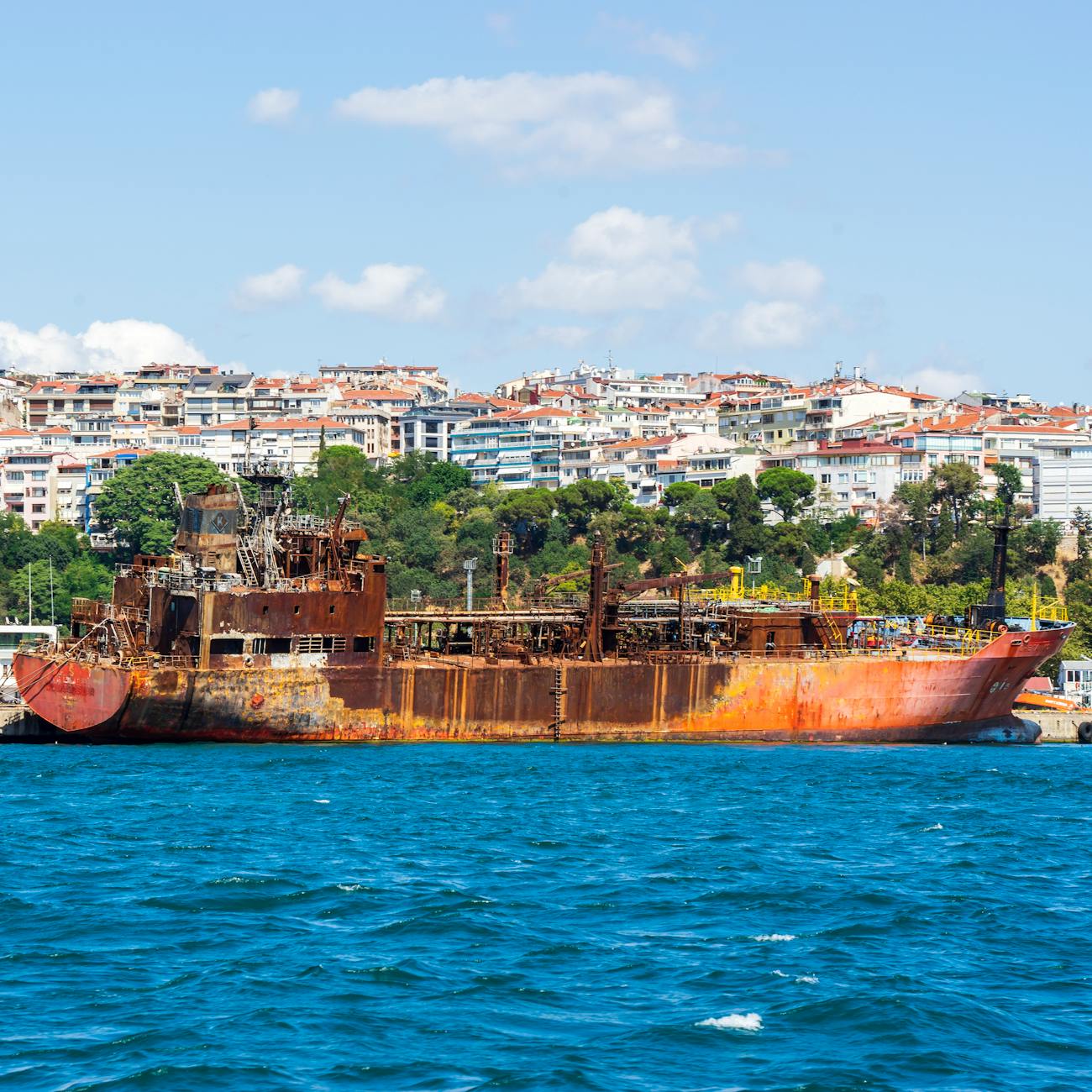
Environmental Impact Assessment (EIA) is a critical process that evaluates the potential environmental consequences of a proposed project or development. It aims to identify, predict, and mitigate any adverse effects on the environment and surrounding communities. EIA is an essential tool for ensuring sustainable development and promoting environmental protection. In the context of the Professional Certificate in Sustainable Shipping and Decarbonization, understanding key terms and vocabulary related to EIA is crucial for navigating the complexities of environmental management in the maritime industry.
1. **Environmental Impact Assessment (EIA)**: EIA is a systematic process that assesses the potential environmental impacts of a proposed project or development before it is carried out. It helps decision-makers identify potential environmental risks and develop strategies to mitigate or avoid them. EIA involves gathering data, analyzing impacts, and engaging stakeholders to ensure that environmental considerations are integrated into the decision-making process.
2. **Sustainability**: Sustainability refers to the ability to meet the needs of the present without compromising the ability of future generations to meet their own needs. In the context of EIA, sustainability involves balancing economic, social, and environmental considerations to ensure that development is environmentally responsible and socially equitable.
3. **Decarbonization**: Decarbonization is the process of reducing carbon emissions and transitioning to a low-carbon economy. In the shipping industry, decarbonization efforts focus on reducing greenhouse gas emissions from ships to mitigate climate change and promote environmental sustainability.
4. **Mitigation**: Mitigation involves taking actions to reduce or eliminate the negative impacts of a proposed project on the environment. In the context of EIA, mitigation measures may include changing project design, using alternative technologies, or implementing environmental management plans to minimize environmental harm.
5. **Adaptation**: Adaptation refers to adjusting to the impacts of climate change and building resilience to environmental changes. In the context of EIA, adaptation measures may be required to address the potential effects of climate change on a proposed project and its surrounding environment.
6. **Stakeholder Engagement**: Stakeholder engagement involves involving individuals, groups, or organizations that are affected by or have an interest in a proposed project. Effective stakeholder engagement is essential for EIA to ensure that diverse perspectives are considered, and concerns are addressed in the decision-making process.
7. **Baseline Study**: A baseline study is conducted as part of the EIA process to establish the existing environmental conditions in the project area before the proposed development takes place. Baseline data is used to assess the potential impacts of the project and to monitor changes over time.
8. **Cumulative Impact**: Cumulative impact refers to the combined effects of multiple projects or activities on the environment. In EIA, it is essential to consider the cumulative impacts of existing and proposed developments to understand the overall environmental consequences of a project.
9. **Scoping**: Scoping is the process of defining the boundaries and focus of an EIA. It involves identifying key environmental issues, stakeholders, and potential impacts to be addressed in the assessment. Scoping helps ensure that the EIA process is comprehensive and relevant to the project.
10. **Environmental Management Plan (EMP)**: An EMP is a document that outlines the measures and actions to be taken to manage and mitigate the environmental impacts of a project. It includes specific strategies, monitoring protocols, and contingency plans to ensure environmental protection throughout the project lifecycle.
11. **Best Available Techniques (BAT)**: BAT refers to the most effective and advanced technologies, processes, and practices available for reducing environmental impacts. In EIA, projects are often required to use BAT to minimize pollution, conserve resources, and enhance environmental performance.
12. **Resilience**: Resilience is the ability of a system to absorb and adapt to disturbances while maintaining its essential functions. In the context of EIA, building resilience is essential for ensuring that projects can withstand environmental changes, such as climate variability and extreme weather events.
13. **Biodiversity**: Biodiversity refers to the variety of living organisms in a particular ecosystem or habitat. Protecting biodiversity is a key consideration in EIA to ensure that projects do not harm or disrupt the natural balance of plant and animal species in the environment.
14. **Ecosystem Services**: Ecosystem services are the benefits that humans derive from healthy ecosystems, such as clean air, water, soil, and food. EIA aims to protect and enhance ecosystem services by assessing the potential impacts of projects on the environment and promoting sustainable resource management.
15. **Monitoring and Evaluation**: Monitoring and evaluation are essential components of EIA to track the implementation of mitigation measures, assess the effectiveness of environmental management plans, and verify compliance with regulatory requirements. Regular monitoring helps ensure that projects remain environmentally sustainable throughout their lifecycle.
16. **Public Participation**: Public participation involves engaging the public in the EIA process to gather input, address concerns, and build trust and transparency. Meaningful public participation is essential for EIA to ensure that the interests of affected communities are considered and that decisions reflect broader societal values.
17. **Climate Change**: Climate change refers to long-term changes in temperature, precipitation, and other climate patterns due to human activities, such as burning fossil fuels and deforestation. EIA plays a crucial role in assessing the potential impacts of climate change on projects and promoting adaptation and mitigation strategies to address these risks.
18. **Greenhouse Gas (GHG) Emissions**: GHG emissions are gases that trap heat in the Earth's atmosphere, contributing to global warming and climate change. In the shipping industry, reducing GHG emissions is a key priority for decarbonization efforts to minimize the environmental impact of maritime transport.
19. **Renewable Energy**: Renewable energy sources, such as solar, wind, and hydroelectric power, are alternatives to fossil fuels that have lower environmental impacts and reduce greenhouse gas emissions. Incorporating renewable energy into shipping operations is a sustainable solution for decarbonization.
20. **Life Cycle Assessment (LCA)**: LCA is a method for evaluating the environmental impacts of a product, process, or service throughout its entire lifecycle, from raw material extraction to disposal. In the context of EIA, LCA can help identify opportunities to reduce environmental impacts and improve sustainability.
21. **Noise Pollution**: Noise pollution refers to excessive or disruptive noise that can harm human health, wildlife, and ecosystems. In the maritime industry, noise from shipping activities can disturb marine life, such as whales and dolphins, and impact sensitive habitats. EIA may assess the potential noise impacts of shipping projects and recommend measures to mitigate noise pollution.
22. **Habitat Destruction**: Habitat destruction is the loss of natural habitats, such as forests, wetlands, and coral reefs, due to human activities, such as urban development, logging, and mining. EIA aims to identify and minimize habitat destruction by assessing the potential impacts of projects on biodiversity and ecosystems.
23. **Invasive Species**: Invasive species are non-native plants, animals, or microorganisms that can disrupt ecosystems, outcompete native species, and cause environmental harm. EIA may consider the risk of introducing invasive species through shipping activities and recommend measures to prevent their spread and establishment in new environments.
24. **Ocean Acidification**: Ocean acidification is the gradual decrease in the pH of seawater due to the absorption of carbon dioxide from the atmosphere. It can harm marine organisms, such as coral reefs and shellfish, by affecting their ability to build calcium carbonate structures. EIA may address the potential impacts of ocean acidification on marine ecosystems and recommend strategies to mitigate acidification.
25. **Sedimentation**: Sedimentation is the process of soil, sand, and other particles settling out of water and accumulating on the seabed. Excessive sedimentation can smother marine habitats, such as coral reefs and seagrass beds, and disrupt ecosystem functions. EIA may assess the potential sedimentation impacts of dredging and other maritime activities and propose measures to minimize sediment release and deposition.
26. **Water Quality**: Water quality refers to the chemical, physical, and biological characteristics of water that affect its suitability for human use and aquatic life. EIA may evaluate the potential impacts of shipping activities on water quality, such as oil spills, ballast water discharge, and pollutant runoff, and recommend measures to protect water resources and ecosystems.
27. **Waste Management**: Waste management involves the collection, treatment, and disposal of waste to prevent environmental pollution and health hazards. EIA may address the potential waste generation from shipping activities, such as solid waste, wastewater, and hazardous materials, and propose waste management strategies to minimize environmental impacts and promote recycling and reuse.
28. **Social Impact Assessment (SIA)**: SIA is a process that evaluates the social impacts of a proposed project on communities, cultures, and livelihoods. In conjunction with EIA, SIA helps assess how projects may affect local populations, indigenous peoples, and vulnerable groups and identify measures to enhance social benefits and mitigate negative impacts.
29. **Indigenous Rights**: Indigenous rights refer to the legal, political, and cultural rights of indigenous peoples to protect their lands, resources, and traditional knowledge. EIA should respect and uphold indigenous rights by consulting with indigenous communities, incorporating traditional knowledge, and addressing concerns about the potential impacts of projects on indigenous territories and livelihoods.
30. **Environmental Justice**: Environmental justice is the fair treatment and meaningful involvement of all people, regardless of race, income, or social status, in environmental decision-making and access to environmental benefits. EIA should promote environmental justice by ensuring that vulnerable and marginalized communities are not disproportionately impacted by environmental harm and that their voices are heard in the decision-making process.
In conclusion, mastering the key terms and vocabulary related to Environmental Impact Assessment is essential for professionals in the maritime industry to effectively manage environmental risks, promote sustainability, and contribute to decarbonization efforts. By understanding these concepts and applying them in practice, professionals can navigate the complexities of environmental management, engage stakeholders effectively, and ensure that shipping activities are conducted in an environmentally responsible and socially equitable manner.
Key takeaways
- Environmental Impact Assessment (EIA) is a critical process that evaluates the potential environmental consequences of a proposed project or development.
- **Environmental Impact Assessment (EIA)**: EIA is a systematic process that assesses the potential environmental impacts of a proposed project or development before it is carried out.
- In the context of EIA, sustainability involves balancing economic, social, and environmental considerations to ensure that development is environmentally responsible and socially equitable.
- In the shipping industry, decarbonization efforts focus on reducing greenhouse gas emissions from ships to mitigate climate change and promote environmental sustainability.
- In the context of EIA, mitigation measures may include changing project design, using alternative technologies, or implementing environmental management plans to minimize environmental harm.
- In the context of EIA, adaptation measures may be required to address the potential effects of climate change on a proposed project and its surrounding environment.
- **Stakeholder Engagement**: Stakeholder engagement involves involving individuals, groups, or organizations that are affected by or have an interest in a proposed project.