
Training and Development in Maritime Sector
Training and Development in Maritime Sector:
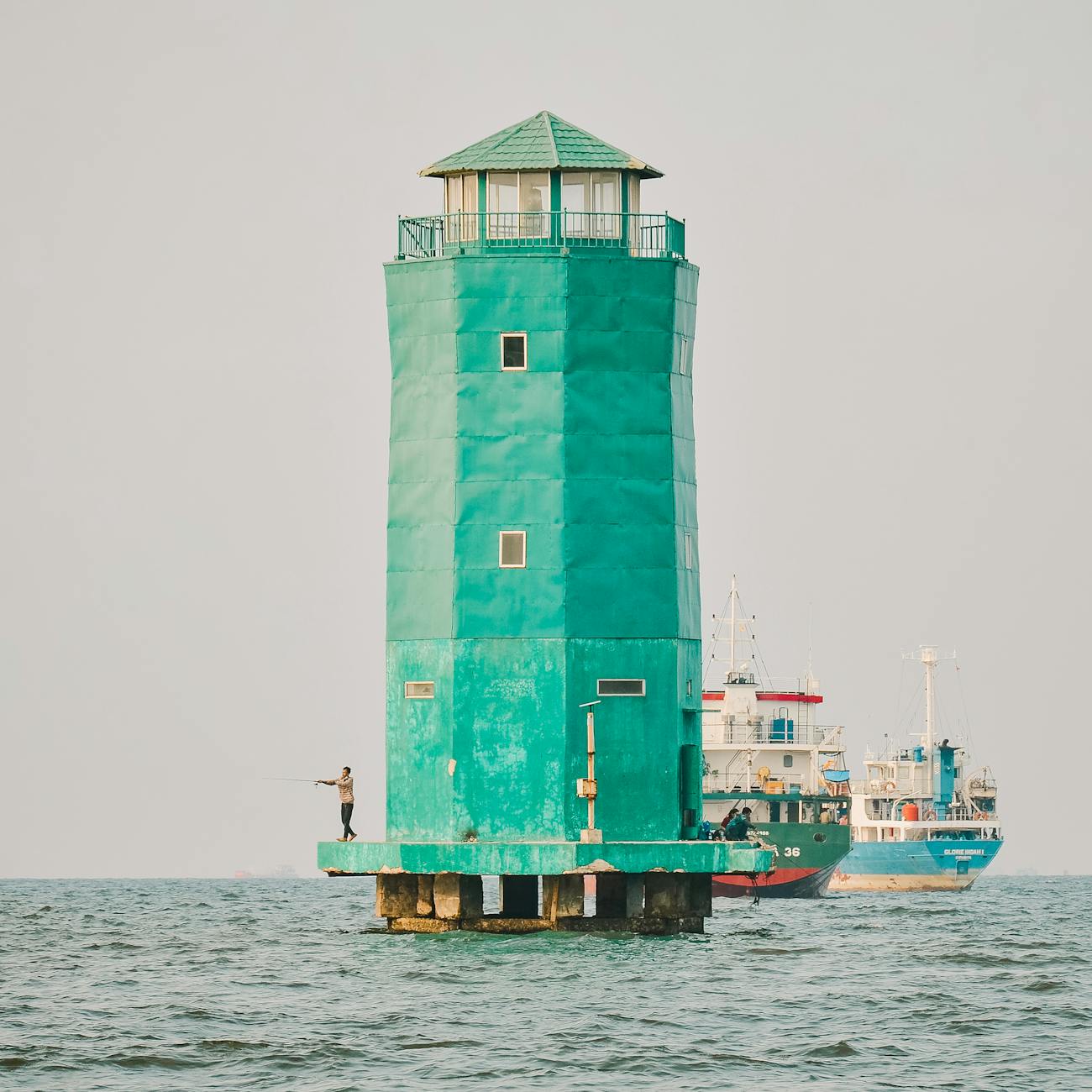
Training and Development in Maritime Sector:
Training and development play a crucial role in the maritime sector, ensuring that employees are equipped with the necessary skills and knowledge to perform their roles effectively and efficiently. In the maritime industry, where safety and efficiency are paramount, ongoing training and development are essential to keep up with technological advancements, industry regulations, and best practices.
Key Terms and Vocabulary:
1. Maritime Sector: The maritime sector refers to all activities related to the sea, including shipping, port operations, marine engineering, naval architecture, and maritime law.
2. Training: Training involves the systematic development of knowledge, skills, and attitudes required to perform a specific job or task effectively.
3. Development: Development focuses on the long-term growth and learning of individuals to enhance their overall capabilities and potential.
4. Competency: Competency refers to the knowledge, skills, and abilities required to perform a specific job or task successfully.
5. Seafarer: A seafarer is a person who works on a ship at sea, including officers and crew members.
6. STCW Convention: The International Convention on Standards of Training, Certification, and Watchkeeping for Seafarers (STCW) sets minimum training and certification standards for seafarers globally.
7. Bridge Resource Management (BRM): BRM is a training program that focuses on enhancing communication, decision-making, and teamwork skills among bridge personnel to improve safety and efficiency.
8. Engine Room Resource Management (ERM): ERM is a training program that aims to improve communication and teamwork among engineering personnel to enhance operational performance and safety.
9. Simulator Training: Simulator training involves using advanced simulators to replicate real-life scenarios for training purposes, allowing seafarers to practice skills and decision-making in a controlled environment.
10. Continuous Professional Development (CPD): CPD refers to the ongoing process of learning and development to maintain and enhance professional competence in the maritime industry.
11. Cadet Training: Cadet training programs provide aspiring seafarers with the necessary education and practical experience to obtain a seafaring career.
12. Maritime Law: Maritime law governs activities at sea, including shipping contracts, marine pollution, salvage operations, and crew rights.
13. Maritime Safety: Maritime safety focuses on preventing accidents, injuries, and environmental damage at sea through the implementation of safety management systems, training, and regulations.
14. Maritime Regulations: Maritime regulations are international and national laws that govern all aspects of maritime operations to ensure safety, security, and environmental protection.
15. IMO: The International Maritime Organization (IMO) is a specialized United Nations agency responsible for regulating shipping to ensure safety, security, and environmental protection.
16. Flag State: The flag state is the country in which a ship is registered and under whose laws the vessel operates.
17. Port State Control: Port State Control involves inspections of foreign ships in national ports to ensure compliance with international maritime regulations.
18. Maritime Training Institute: Maritime training institutes offer a wide range of courses and programs to seafarers and maritime professionals to enhance their skills and knowledge.
19. Maritime Training Simulator: Maritime training simulators provide realistic scenarios for training seafarers in ship handling, navigation, and emergency response.
20. Maritime Training Needs Analysis: Training needs analysis involves identifying the knowledge and skills gaps of employees to develop targeted training programs.
21. Maritime Human Resource Management: Maritime HRM focuses on recruiting, training, and retaining qualified personnel in the maritime industry to ensure operational excellence and compliance with regulations.
22. E-learning: E-learning refers to online training programs that provide flexible and accessible learning opportunities for seafarers and maritime professionals.
23. Mentorship: Mentorship involves pairing experienced professionals with less experienced individuals to provide guidance, support, and knowledge transfer.
24. Leadership Development: Leadership development programs aim to enhance the leadership skills of maritime professionals to effectively manage teams and operations.
25. Competency-Based Training: Competency-based training focuses on developing specific skills and knowledge required to perform job roles effectively, based on defined competencies.
26. Maritime English: Maritime English is a specialized form of English used in communication among seafarers, port personnel, and maritime authorities.
27. Maritime Soft Skills: Maritime soft skills refer to interpersonal skills, communication, teamwork, and problem-solving abilities essential for effective performance in the maritime industry.
28. Maritime Crisis Management: Maritime crisis management involves preparing for and responding to emergencies, such as ship collisions, oil spills, and piracy incidents.
29. Maritime Cybersecurity: Maritime cybersecurity focuses on protecting maritime assets, systems, and data from cyber threats and attacks.
30. Maritime Environmental Compliance: Maritime environmental compliance entails adhering to international regulations and best practices to minimize the environmental impact of maritime activities.
Practical Applications:
1. Seafarers can undergo BRM and ERM training to enhance their communication, teamwork, and decision-making skills for safe and efficient operations.
2. Maritime training institutes can offer simulator training programs to help seafarers practice emergency response procedures in a realistic environment.
3. HR managers in the maritime sector can conduct training needs analysis to identify skill gaps and develop targeted training programs for employees.
4. Maritime companies can implement e-learning platforms to provide flexible and accessible training opportunities for seafarers working on ships.
5. Leadership development programs can help maritime professionals enhance their managerial skills to effectively lead teams and manage operations.
Challenges:
1. Keeping up with technological advancements in maritime training, such as virtual reality simulators, can be costly and require continuous investment.
2. Ensuring compliance with changing maritime regulations and standards poses a challenge for maritime training institutes and companies.
3. Addressing language barriers and cultural differences among multinational crews can impact effective communication and training outcomes.
4. Balancing the need for theoretical knowledge and practical skills in maritime training programs can be a challenge for educators and trainers.
5. Adapting training programs to address emerging threats, such as cybersecurity risks and environmental concerns, requires ongoing updates and revisions.
In conclusion, training and development in the maritime sector are essential for ensuring the safety, efficiency, and compliance of maritime operations. By investing in the continuous learning and growth of seafarers and maritime professionals, companies can maintain a skilled workforce and uphold industry standards and best practices.
Key takeaways
- In the maritime industry, where safety and efficiency are paramount, ongoing training and development are essential to keep up with technological advancements, industry regulations, and best practices.
- Maritime Sector: The maritime sector refers to all activities related to the sea, including shipping, port operations, marine engineering, naval architecture, and maritime law.
- Training: Training involves the systematic development of knowledge, skills, and attitudes required to perform a specific job or task effectively.
- Development: Development focuses on the long-term growth and learning of individuals to enhance their overall capabilities and potential.
- Competency: Competency refers to the knowledge, skills, and abilities required to perform a specific job or task successfully.
- Seafarer: A seafarer is a person who works on a ship at sea, including officers and crew members.
- STCW Convention: The International Convention on Standards of Training, Certification, and Watchkeeping for Seafarers (STCW) sets minimum training and certification standards for seafarers globally.