
International Intellectual Property Law
International Intellectual Property Law covers a wide range of legal principles and regulations that govern the protection of intangible creations of the human mind. Intellectual property (IP) refers to creations of the mind, such as invent…
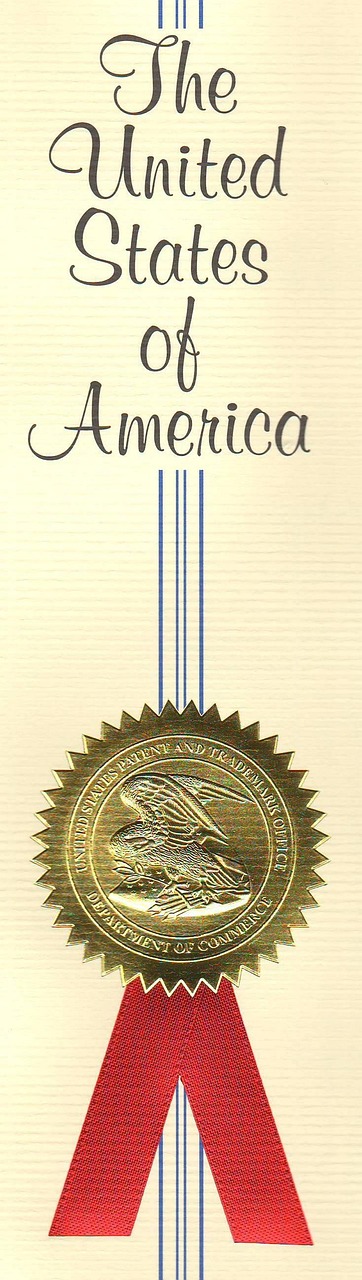
International Intellectual Property Law covers a wide range of legal principles and regulations that govern the protection of intangible creations of the human mind. Intellectual property (IP) refers to creations of the mind, such as inventions, literary and artistic works, designs, symbols, names, and images used in commerce. International Intellectual Property Law plays a crucial role in regulating the global marketplace by protecting the rights of creators and innovators while promoting innovation, creativity, and economic growth.
Intellectual Property Rights (IPRs) are legal rights that protect the creations of the human mind. They include patents, trademarks, copyrights, and trade secrets. These rights grant creators and innovators exclusive rights to their creations, allowing them to benefit from their work and prevent others from using or exploiting their intellectual property without permission.
Patents are one of the most common forms of intellectual property protection. They grant inventors the exclusive right to use, make, sell, and distribute their inventions for a limited period of time. Patents are granted by government agencies and typically cover new and inventive products or processes. In order to obtain a patent, an invention must be novel, non-obvious, and useful.
Trademarks are symbols, words, or designs that distinguish goods or services of one business from those of others. They play a crucial role in branding and marketing, helping consumers identify and differentiate products and services in the marketplace. Trademark owners have the exclusive right to use their marks in connection with their goods or services and can prevent others from using similar marks that may cause confusion among consumers.
Copyrights protect original works of authorship, such as literary, artistic, musical, and audiovisual creations. Copyright gives authors the exclusive right to reproduce, distribute, perform, and display their works. Copyright protection is automatic upon the creation of a work and lasts for the author's lifetime plus an additional period of time. Copyright owners can also license or assign their rights to others for commercial purposes.
Trade secrets are confidential information that provides a competitive advantage to a business. Trade secrets can include formulas, processes, methods, techniques, or any other confidential information that is not generally known to the public. Unlike patents, trademarks, and copyrights, trade secrets are not publicly disclosed and can be protected indefinitely as long as they remain confidential.
WIPO stands for the World Intellectual Property Organization, which is a specialized agency of the United Nations responsible for promoting the protection of intellectual property worldwide. WIPO helps countries develop intellectual property laws and policies, provides training and technical assistance, and administers international treaties on intellectual property rights.
TRIPS Agreement refers to the Agreement on Trade-Related Aspects of Intellectual Property Rights, which is a multilateral agreement administered by the World Trade Organization (WTO). The TRIPS Agreement sets minimum standards for the protection and enforcement of intellectual property rights, including patents, trademarks, copyrights, and trade secrets. It aims to harmonize intellectual property laws and promote the global protection of intellectual property rights.
Paris Convention is an international treaty that provides for the protection of industrial property, including patents, trademarks, and industrial designs. The Paris Convention establishes principles of national treatment and priority rights, allowing creators to seek protection for their intellectual property in multiple countries based on a single application. The Paris Convention aims to promote international cooperation in the field of intellectual property and facilitate the protection of intellectual property rights across borders.
Madrid System is a centralized system for the international registration of trademarks. The Madrid System is administered by the World Intellectual Property Organization (WIPO) and allows trademark owners to protect their marks in multiple countries by filing a single international application. This simplifies the process of obtaining trademark protection in multiple jurisdictions and reduces the administrative burden for trademark owners.
Patent Cooperation Treaty (PCT) is an international treaty that simplifies the process of filing patent applications in multiple countries. The PCT allows inventors to file a single international patent application, which is then examined by a centralized authority before being submitted to individual countries for national examination. The PCT helps inventors obtain patent protection in multiple countries more efficiently and cost-effectively.
Geographical Indications (GIs) are indications that identify a product as originating from a specific geographical location and possessing qualities, reputation, or characteristics unique to that location. GIs are used to protect products with a strong connection to their place of origin, such as champagne, Parmigiano Reggiano cheese, or Darjeeling tea. GIs help consumers identify authentic products and promote the economic development of regions known for their unique products.
Enforcement of Intellectual Property Rights is crucial for maintaining the integrity of the intellectual property system and protecting the rights of creators and innovators. Intellectual property infringement occurs when someone uses, makes, sells, or distributes intellectual property without the authorization of the rights holder. Enforcement mechanisms include civil remedies, such as injunctions, damages, and royalties, as well as criminal penalties for serious violations of intellectual property rights.
Intellectual Property Disputes can arise in various situations, such as infringement claims, licensing agreements, or ownership disputes. Intellectual property disputes are typically resolved through negotiation, mediation, arbitration, or litigation. Alternative dispute resolution mechanisms, such as mediation and arbitration, can provide a faster and more cost-effective way to resolve intellectual property disputes compared to traditional litigation.
Parallel Imports refer to the importation of genuine products into a country without the authorization of the intellectual property rights holder. Parallel imports are also known as grey market goods and can create challenges for rights holders in controlling the distribution and pricing of their products. The legality of parallel imports varies by jurisdiction and depends on factors such as exhaustion of rights and competition law.
Intellectual Property Licensing allows rights holders to grant permission to third parties to use, make, sell, or distribute their intellectual property in exchange for royalties or licensing fees. Licensing agreements outline the terms and conditions of the license, including the scope of rights granted, duration of the license, payment terms, and any restrictions on the use of the intellectual property. Licensing agreements can be exclusive, non-exclusive, or sole licenses, depending on the rights granted to the licensee.
Intellectual Property Due Diligence is a process of assessing and evaluating the intellectual property assets of a business before entering into a merger, acquisition, or licensing agreement. Due diligence helps identify risks, opportunities, and potential liabilities associated with intellectual property rights. It also ensures that the intellectual property rights of the target company are valid, enforceable, and properly maintained.
Intellectual Property Valuation is the process of determining the financial value of intellectual property assets. Valuing intellectual property can be challenging due to the intangible nature of IP rights. Methods of valuation include cost-based approaches, market-based approaches, income-based approaches, and royalty-based approaches. Intellectual property valuation is essential for making informed business decisions, securing financing, and resolving disputes related to the ownership or licensing of intellectual property.
Intellectual Property Rights Management involves the strategic management of intellectual property assets to maximize their value and protect the rights of creators and innovators. IP rights management includes portfolio management, licensing strategies, enforcement strategies, and compliance with intellectual property laws and regulations. Effective IP rights management can help businesses leverage their intellectual property assets for competitive advantage and financial gain.
Intellectual Property Policies are guidelines and procedures that govern the creation, use, and protection of intellectual property within an organization. IP policies help establish clear rules and expectations regarding the ownership, licensing, and enforcement of intellectual property rights. They also promote a culture of innovation, creativity, and respect for intellectual property within the organization.
Intellectual Property Infringement occurs when someone violates the intellectual property rights of a rights holder by using, making, selling, or distributing their intellectual property without authorization. Infringement can result in civil liability, criminal penalties, and damages for the rights holder. Common examples of intellectual property infringement include counterfeiting, piracy, plagiarism, and unauthorized use of trademarks or copyrighted works.
Intellectual Property Protection Strategies are proactive measures that rights holders can take to protect their intellectual property from infringement and unauthorized use. Strategies may include obtaining patents, trademarks, copyrights, or trade secret protection, implementing security measures, monitoring and enforcing intellectual property rights, and entering into licensing agreements. By adopting effective protection strategies, rights holders can safeguard their intellectual property assets and prevent unauthorized use or exploitation.
Intellectual Property Rights in the Digital Age present new challenges and opportunities for creators and innovators. The rapid advancement of technology has made it easier to create, share, and distribute digital content, leading to increased risks of intellectual property infringement. Digital rights management (DRM) technologies, encryption, and blockchain are some of the tools used to protect digital intellectual property rights and prevent unauthorized access or use.
Intellectual Property and Competition Law intersect in various ways, as intellectual property rights can sometimes be used to restrict competition or create monopolies. Antitrust laws aim to prevent anti-competitive practices, such as patent misuse, abuse of dominant position, or anti-competitive licensing agreements. Balancing intellectual property rights with competition law is essential to promote innovation, consumer welfare, and a level playing field in the marketplace.
Intellectual Property Rights and Human Rights are closely interconnected, as intellectual property rights can have social, cultural, and economic implications on individuals and communities. Access to knowledge, education, and healthcare can be affected by intellectual property laws, particularly in developing countries. Balancing intellectual property rights with human rights, such as the right to health, education, and cultural participation, is essential to ensure a fair and equitable intellectual property system.
In conclusion, International Intellectual Property Law plays a crucial role in protecting the creations of the human mind and promoting innovation, creativity, and economic growth on a global scale. Understanding key terms and concepts related to intellectual property rights, enforcement mechanisms, licensing agreements, due diligence, valuation, management strategies, and emerging challenges in the digital age is essential for navigating the complex landscape of international intellectual property law and maximizing the value of intellectual property assets. By staying informed and compliant with intellectual property laws and regulations, businesses and individuals can protect their intellectual property rights, foster innovation, and contribute to a thriving global economy.
Key takeaways
- International Intellectual Property Law plays a crucial role in regulating the global marketplace by protecting the rights of creators and innovators while promoting innovation, creativity, and economic growth.
- These rights grant creators and innovators exclusive rights to their creations, allowing them to benefit from their work and prevent others from using or exploiting their intellectual property without permission.
- They grant inventors the exclusive right to use, make, sell, and distribute their inventions for a limited period of time.
- Trademark owners have the exclusive right to use their marks in connection with their goods or services and can prevent others from using similar marks that may cause confusion among consumers.
- Copyright protection is automatic upon the creation of a work and lasts for the author's lifetime plus an additional period of time.
- Unlike patents, trademarks, and copyrights, trade secrets are not publicly disclosed and can be protected indefinitely as long as they remain confidential.
- WIPO stands for the World Intellectual Property Organization, which is a specialized agency of the United Nations responsible for promoting the protection of intellectual property worldwide.