
Emergency Preparedness and Response
Emergency Preparedness and Response in the context of public health and sanitation on cruise ships is a critical aspect of ensuring the safety and well-being of passengers and crew members. It involves a set of measures and protocols design…
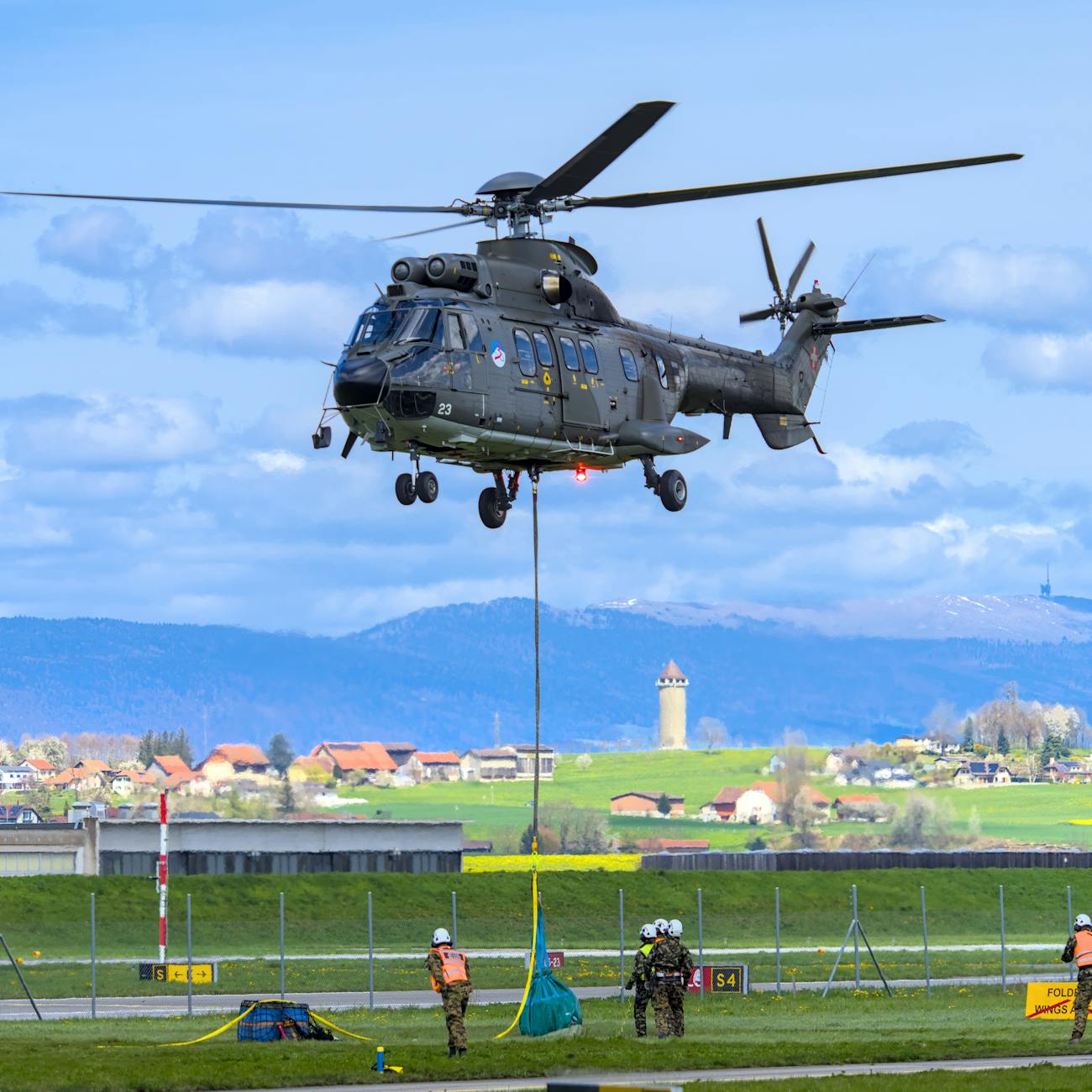
Emergency Preparedness and Response in the context of public health and sanitation on cruise ships is a critical aspect of ensuring the safety and well-being of passengers and crew members. It involves a set of measures and protocols designed to anticipate, prevent, prepare for, respond to, and recover from emergencies and disasters that may occur on a cruise ship.
**Emergency Preparedness** is the process of planning, organizing, and training to effectively respond to emergencies. It involves identifying potential risks and hazards, developing response strategies, and establishing mechanisms for communication and coordination.
**Emergency Response** refers to the actions taken to mitigate the impact of an emergency or disaster. It includes implementing emergency plans, mobilizing resources, providing medical care, and ensuring the safety and security of individuals on board.
**Public Health** on cruise ships refers to the protection and promotion of the health and well-being of passengers and crew members. It involves monitoring and controlling infectious diseases, ensuring food and water safety, and promoting healthy behaviors.
**Sanitation** is the practice of maintaining clean and hygienic conditions to prevent the spread of diseases. It includes proper waste management, water treatment, and hygiene promotion.
**Global Certificate Course in Public Health and Sanitation** on cruise ships provides participants with the knowledge and skills to address public health and sanitation issues in the maritime industry. It covers topics such as disease prevention, outbreak response, environmental health, and emergency preparedness.
**Key Terms and Vocabulary**
1. **Emergency Management**: The process of coordinating and integrating all activities necessary to build, sustain, and improve the capability to prepare for, respond to, recover from, or mitigate against disasters.
2. **Risk Assessment**: The process of identifying, analyzing, and evaluating potential risks or hazards to determine their impact and likelihood of occurrence.
3. **Emergency Plan**: A written document that outlines the roles, responsibilities, and procedures to be followed in the event of an emergency.
4. **Incident Command System (ICS)**: A standardized management system used to coordinate emergency response activities and establish a chain of command.
5. **Mass Casualty Incident (MCI)**: An event in which the number and severity of casualties exceed the available resources and capabilities to respond effectively.
6. **Communicable Disease**: An illness that can be transmitted from person to person or from animals to humans.
7. **Isolation**: The separation of individuals who are infected with a communicable disease to prevent the spread of infection.
8. **Quarantine**: The restriction of movement of individuals who may have been exposed to a communicable disease to prevent the spread of infection.
9. **Vector Control**: The practice of preventing or controlling the spread of diseases carried by vectors such as mosquitoes, ticks, and rodents.
10. **Personal Protective Equipment (PPE)**: Clothing or equipment worn to protect against exposure to hazards or contaminants.
11. **Biohazard**: A biological agent or substance that poses a threat to the health or well-being of living organisms.
12. **Decontamination**: The process of removing or neutralizing contaminants from surfaces, equipment, or individuals.
13. **Medical Waste**: Waste generated in healthcare settings that may be contaminated with infectious materials.
14. **Waterborne Disease**: Illness caused by ingesting contaminated water, typically due to microbial pathogens.
15. **Foodborne Illness**: Illness caused by consuming contaminated food, typically due to bacterial, viral, or parasitic pathogens.
16. **Outbreak**: The occurrence of cases of a particular disease in a specific population or geographic area that is greater than what is normally expected.
17. **Contact Tracing**: The process of identifying and monitoring individuals who may have been exposed to a communicable disease to prevent further transmission.
18. **Surveillance**: The ongoing monitoring and collection of data on the occurrence of diseases and health conditions.
19. **Vaccination**: The administration of a vaccine to stimulate the immune system to produce antibodies against a specific disease.
20. **Emergency Evacuation**: The process of moving individuals to a safe location in response to a threat or hazard.
**Practical Applications**
1. **Tabletop Exercises**: Simulated emergency scenarios conducted with key personnel to test the effectiveness of emergency plans and procedures.
2. **Drills**: Practice sessions held regularly to familiarize crew members with their roles and responsibilities during emergencies.
3. **Emergency Kits**: Supplies and equipment stocked on board to support emergency response efforts, such as first aid kits, life jackets, and communication devices.
4. **Emergency Contacts**: A list of key personnel, authorities, and organizations to be contacted in case of an emergency.
5. **Emergency Response Teams**: Teams of trained individuals assigned specific roles and responsibilities during emergencies, such as medical response teams, evacuation teams, and communication teams.
**Challenges**
1. **Resource Constraints**: Limited availability of resources such as medical supplies, personnel, and equipment may hinder effective emergency response efforts.
2. **Communication Barriers**: Language barriers, technical issues, and lack of coordination among different departments may impede effective communication during emergencies.
3. **Cultural Sensitivities**: Cultural beliefs, practices, and preferences may impact the acceptance of public health interventions and emergency response measures.
4. **Legal and Regulatory Compliance**: Compliance with international, national, and local laws and regulations regarding public health and sanitation on cruise ships can pose challenges for cruise operators.
5. **Environmental Factors**: Inclement weather, rough seas, and other environmental conditions may affect the ability to respond to emergencies effectively.
In conclusion, Emergency Preparedness and Response in public health and sanitation on cruise ships play a crucial role in safeguarding the health and safety of passengers and crew members. By implementing effective emergency plans, training personnel, and coordinating response efforts, cruise operators can mitigate risks, prevent outbreaks, and ensure a safe and healthy environment on board. The Global Certificate Course in Public Health and Sanitation equips participants with the knowledge and skills to address these challenges and promote public health and sanitation in the maritime industry.
Key takeaways
- Emergency Preparedness and Response in the context of public health and sanitation on cruise ships is a critical aspect of ensuring the safety and well-being of passengers and crew members.
- It involves identifying potential risks and hazards, developing response strategies, and establishing mechanisms for communication and coordination.
- It includes implementing emergency plans, mobilizing resources, providing medical care, and ensuring the safety and security of individuals on board.
- **Public Health** on cruise ships refers to the protection and promotion of the health and well-being of passengers and crew members.
- **Sanitation** is the practice of maintaining clean and hygienic conditions to prevent the spread of diseases.
- **Global Certificate Course in Public Health and Sanitation** on cruise ships provides participants with the knowledge and skills to address public health and sanitation issues in the maritime industry.
- **Emergency Management**: The process of coordinating and integrating all activities necessary to build, sustain, and improve the capability to prepare for, respond to, recover from, or mitigate against disasters.