
Risk Management in AI-driven Supply Chain
Risk Management in AI-driven Supply Chain involves the identification, assessment, and mitigation of potential risks associated with the use of Artificial Intelligence (AI) technologies in the pharmaceutical supply chain. It is crucial for …
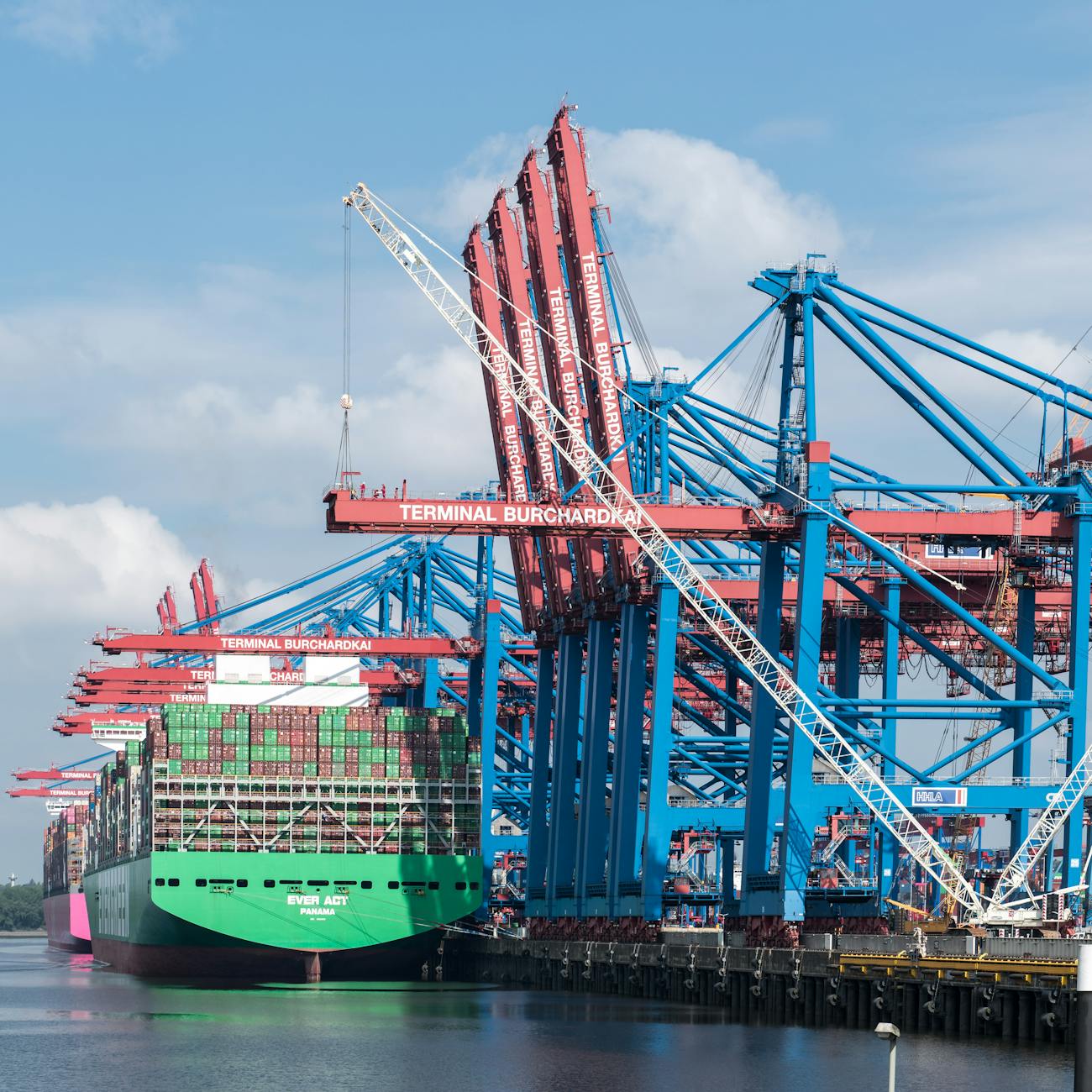
Risk Management in AI-driven Supply Chain involves the identification, assessment, and mitigation of potential risks associated with the use of Artificial Intelligence (AI) technologies in the pharmaceutical supply chain. It is crucial for organizations to understand the key terms and vocabulary related to risk management in order to effectively navigate the challenges and opportunities presented by AI in the supply chain. Below are some essential terms to help professionals in the pharmaceutical industry better comprehend and address risks in AI-driven supply chain management:
1. **Artificial Intelligence (AI)**: AI refers to the simulation of human intelligence processes by machines, particularly computer systems. In the context of supply chain management, AI can be used to automate processes, make predictions, and optimize decision-making.
2. **Supply Chain**: A supply chain encompasses all the steps involved in bringing a product or service from raw material to the end consumer. This includes sourcing, production, warehousing, transportation, and distribution.
3. **Risk Management**: Risk management involves identifying, assessing, and prioritizing risks followed by coordinated and economical application of resources to minimize, monitor, and control the probability and impact of unfortunate events or to maximize the realization of opportunities.
4. **Pharmaceutical Supply Chain**: The pharmaceutical supply chain involves the flow of pharmaceutical products from manufacturers to patients. It is a complex network that includes various stakeholders such as manufacturers, wholesalers, distributors, pharmacies, healthcare providers, and patients.
5. **AI-driven Supply Chain**: An AI-driven supply chain leverages artificial intelligence technologies to enhance efficiency, visibility, and decision-making in supply chain operations. AI can be used to predict demand, optimize inventory levels, streamline logistics, and improve overall supply chain performance.
6. **Risk Assessment**: Risk assessment is the process of identifying, analyzing, and evaluating potential risks to an organization. It helps in understanding the likelihood and impact of risks, enabling organizations to prioritize and plan for risk mitigation strategies.
7. **Risk Mitigation**: Risk mitigation involves taking actions to reduce the likelihood or impact of identified risks. This can include implementing controls, transferring risks to third parties, avoiding certain activities, or accepting risks within predefined tolerance levels.
8. **Data Security**: Data security refers to the protection of digital data from unauthorized access, use, disclosure, disruption, modification, or destruction. In the context of AI-driven supply chain, data security is crucial to protect sensitive information from cyber threats and breaches.
9. **Machine Learning**: Machine learning is a subset of AI that enables systems to learn and improve from experience without being explicitly programmed. It involves algorithms that analyze data, identify patterns, and make decisions without human intervention.
10. **Predictive Analytics**: Predictive analytics involves using statistical algorithms and machine learning techniques to analyze historical data and make predictions about future events. In supply chain management, predictive analytics can be used to forecast demand, optimize inventory levels, and improve operational efficiency.
11. **Natural Language Processing (NLP)**: Natural Language Processing is a branch of AI that enables computers to understand, interpret, and generate human language. In the context of supply chain management, NLP can be used to analyze text data from emails, reports, and social media to extract valuable insights.
12. **Supply Chain Visibility**: Supply chain visibility refers to the ability to track and monitor products, processes, and information across the entire supply chain. It provides organizations with real-time insights into inventory levels, order status, and logistics movements.
13. **Blockchain Technology**: Blockchain technology is a decentralized, distributed ledger system that enables secure and transparent transactions across a network of computers. In the supply chain, blockchain can be used to track and authenticate products, improve traceability, and enhance transparency.
14. **Robotic Process Automation (RPA)**: Robotic Process Automation involves the use of software robots or "bots" to automate repetitive tasks and processes. In supply chain management, RPA can be used to streamline order processing, inventory management, and data entry tasks.
15. **Compliance Management**: Compliance management involves ensuring that an organization adheres to relevant laws, regulations, and industry standards. In the pharmaceutical supply chain, compliance management is critical to maintaining product quality, safety, and integrity.
16. **Supply Chain Resilience**: Supply chain resilience refers to the ability of a supply chain to withstand and recover from disruptions, such as natural disasters, geopolitical events, or cyber-attacks. Organizations need to build resilience into their supply chains to minimize the impact of unforeseen events.
17. **Cybersecurity**: Cybersecurity involves protecting computer systems, networks, and data from cyber threats, such as malware, ransomware, and phishing attacks. In the context of AI-driven supply chain, cybersecurity is essential to safeguard sensitive information and prevent data breaches.
18. **Ethical AI**: Ethical AI refers to the responsible and ethical use of artificial intelligence technologies. It involves ensuring that AI systems are fair, transparent, accountable, and aligned with ethical principles and values.
19. **Algorithmic Bias**: Algorithmic bias refers to systematic and unfair discrimination that can occur in AI systems due to biased data, flawed algorithms, or human biases. In the supply chain, algorithmic bias can lead to inaccurate predictions, suboptimal decisions, and ethical concerns.
20. **Regulatory Compliance**: Regulatory compliance involves adhering to laws, regulations, and industry standards that govern the pharmaceutical supply chain. Organizations must comply with regulations related to product safety, quality, labeling, distribution, and reporting.
21. **Supply Chain Optimization**: Supply chain optimization involves maximizing efficiency, reducing costs, and improving performance across the supply chain. AI technologies can help optimize supply chain processes by analyzing data, identifying bottlenecks, and recommending improvements.
22. **Demand Forecasting**: Demand forecasting involves predicting future demand for products or services based on historical data, market trends, and other factors. Accurate demand forecasting is essential for optimizing inventory levels, reducing stockouts, and improving customer satisfaction.
23. **Inventory Management**: Inventory management involves overseeing the flow of goods from suppliers to warehouses to customers. Effective inventory management is critical for minimizing stockouts, reducing carrying costs, and maximizing profitability in the supply chain.
24. **Supplier Relationship Management**: Supplier relationship management involves developing and maintaining positive relationships with suppliers to ensure a reliable and efficient supply chain. Strong supplier relationships can lead to better pricing, quality, and delivery performance.
25. **Supply Chain Disruption**: Supply chain disruption refers to unexpected events that disrupt the flow of products, materials, or information in the supply chain. Disruptions can be caused by natural disasters, supplier failures, transportation delays, or geopolitical conflicts.
26. **Root Cause Analysis**: Root cause analysis involves identifying the underlying cause of a problem or issue in the supply chain. By understanding the root cause of disruptions or inefficiencies, organizations can implement targeted solutions to prevent recurrence.
27. **Continuous Improvement**: Continuous improvement involves making incremental changes and enhancements to processes, systems, and workflows in the supply chain. It is a key principle of supply chain management that focuses on driving efficiency, quality, and customer satisfaction.
28. **Supply Chain Collaboration**: Supply chain collaboration involves partnering with suppliers, customers, and other stakeholders to achieve common goals and objectives. Collaborative relationships can lead to improved communication, visibility, and responsiveness in the supply chain.
29. **Data Analytics**: Data analytics involves analyzing and interpreting data to uncover insights, trends, and patterns that can inform decision-making. In the supply chain, data analytics can be used to optimize processes, identify opportunities for improvement, and mitigate risks.
30. **Supply Chain Integration**: Supply chain integration involves aligning and connecting processes, systems, and stakeholders across the supply chain. Integrated supply chains enable real-time communication, seamless coordination, and end-to-end visibility of operations.
In conclusion, understanding the key terms and vocabulary related to risk management in AI-driven supply chain is essential for professionals in the pharmaceutical industry to effectively navigate the complexities of supply chain operations. By leveraging AI technologies, organizations can enhance efficiency, visibility, and decision-making in the supply chain while mitigating risks and ensuring compliance with regulatory requirements. It is imperative for organizations to stay informed about emerging trends and technologies in AI-driven supply chain management to remain competitive and resilient in a rapidly evolving industry landscape.
Key takeaways
- Risk Management in AI-driven Supply Chain involves the identification, assessment, and mitigation of potential risks associated with the use of Artificial Intelligence (AI) technologies in the pharmaceutical supply chain.
- **Artificial Intelligence (AI)**: AI refers to the simulation of human intelligence processes by machines, particularly computer systems.
- **Supply Chain**: A supply chain encompasses all the steps involved in bringing a product or service from raw material to the end consumer.
- It is a complex network that includes various stakeholders such as manufacturers, wholesalers, distributors, pharmacies, healthcare providers, and patients.
- **AI-driven Supply Chain**: An AI-driven supply chain leverages artificial intelligence technologies to enhance efficiency, visibility, and decision-making in supply chain operations.
- It helps in understanding the likelihood and impact of risks, enabling organizations to prioritize and plan for risk mitigation strategies.
- This can include implementing controls, transferring risks to third parties, avoiding certain activities, or accepting risks within predefined tolerance levels.