
Islamic Spiritual Development
Islamic Spiritual Development is a crucial aspect of a Muslim's life, shaping their beliefs, actions, and character. It involves the continuous journey towards self-improvement, seeking closeness to Allah, and growing in faith and piety. In…
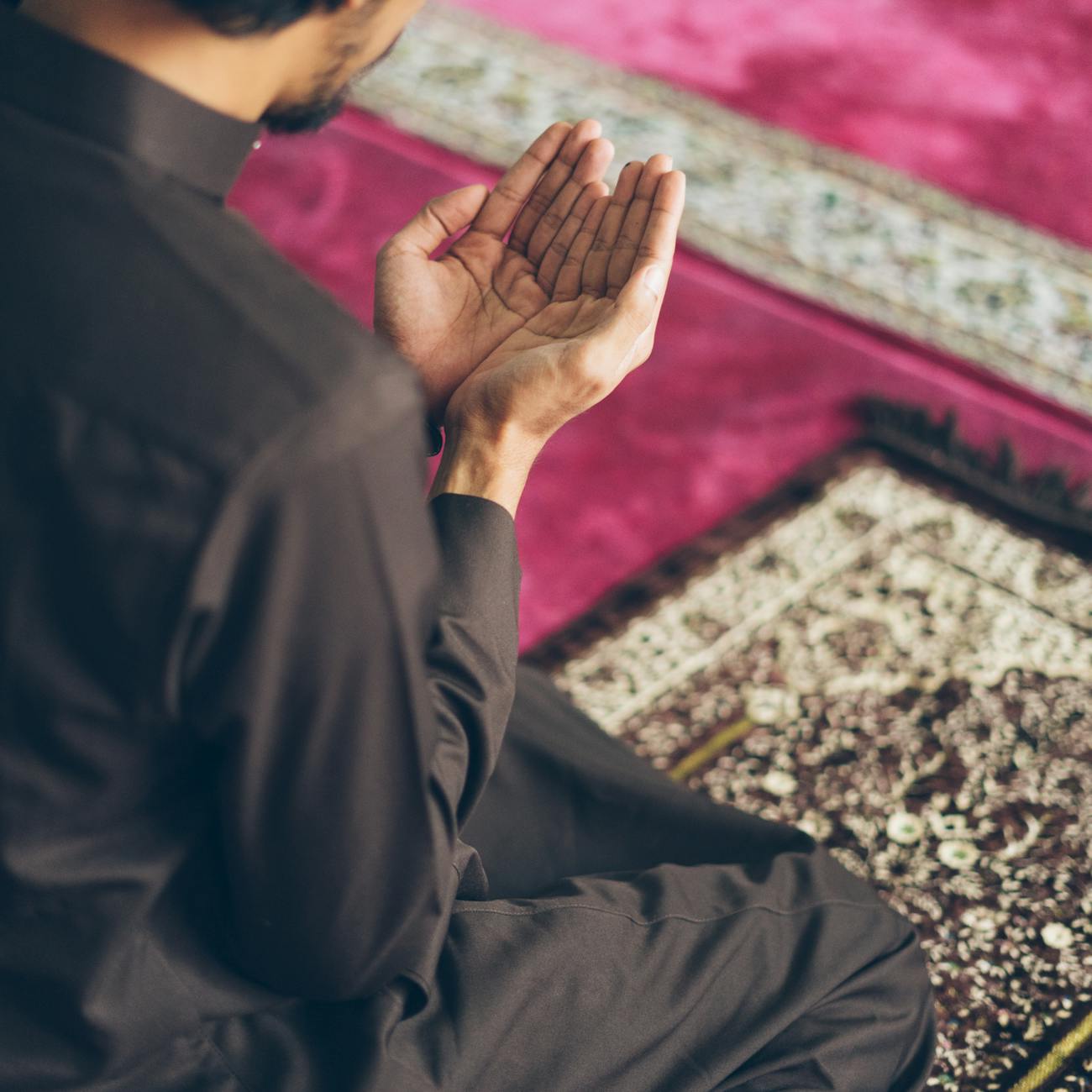
Islamic Spiritual Development is a crucial aspect of a Muslim's life, shaping their beliefs, actions, and character. It involves the continuous journey towards self-improvement, seeking closeness to Allah, and growing in faith and piety. In the context of the Postgraduate Certificate in Islamic Psychology, understanding key terms and vocabulary related to Islamic Spiritual Development is essential for students to grasp the foundational concepts and principles that underpin this field of study.
Tawhid: Tawhid, the concept of the Oneness of Allah, lies at the heart of Islamic belief and serves as the foundation of Islamic Spiritual Development. It emphasizes the unity, uniqueness, and sovereignty of Allah, affirming that He is the only true deity worthy of worship. Tawhid encompasses three main aspects: Tawhid al-Rububiyyah (Oneness of Lordship), Tawhid al-Uluhiyyah (Oneness of Worship), and Tawhid al-Asma' wa al-Sifat (Oneness of the Names and Attributes of Allah). Understanding and internalizing Tawhid is essential for Muslims to develop a strong connection with their Creator and to lead a purposeful and meaningful life.
Ihsan: Ihsan is the concept of excellence or perfection in worship and behavior. It is often translated as "spiritual excellence" or "doing things beautifully." The famous Hadith of Gabriel describes Ihsan as worshipping Allah as if you see Him, and if you do not see Him, know that He sees you. Ihsan involves worshipping Allah with sincerity, mindfulness, and devotion, striving to perfect one's actions and intentions in all aspects of life. Practicing Ihsan leads to the purification of the heart, the cultivation of good character, and the attainment of spiritual closeness to Allah.
Tazkiyah: Tazkiyah refers to the purification of the soul and the refinement of one's inner self. It involves the process of cleansing the heart from spiritual diseases such as arrogance, envy, greed, and hatred, and adorning it with virtues such as humility, gratitude, compassion, and love. Tazkiyah aims to purify the heart, strengthen faith, and increase spiritual awareness, leading to a deeper connection with Allah and a more profound sense of inner peace and contentment. The Quran describes the believers as those who purify themselves and strive for spiritual growth through self-reflection, repentance, and self-discipline.
Sufism: Sufism is a mystical tradition within Islam that focuses on the inner dimension of faith and spirituality. It emphasizes the purification of the heart, the cultivation of love for Allah and His creation, and the attainment of spiritual insight and enlightenment. Sufism teaches spiritual practices such as dhikr (remembrance of Allah), meditation, and contemplation to deepen one's connection with the Divine. Sufi teachings often emphasize the importance of the spiritual guide or mentor (murshid) in guiding the seeker on the path of spiritual development and self-discovery.
Dhikr: Dhikr refers to the remembrance of Allah through the repetition of His names, attributes, or verses from the Quran. It is a powerful spiritual practice that helps to purify the heart, increase faith, and strengthen the bond between the worshipper and the Divine. Dhikr can take various forms, including reciting tasbih (subhanAllah, alhamdulillah, Allahu akbar), seeking forgiveness (istighfar), and sending blessings upon the Prophet Muhammad (salAllahu alayhi wa sallam). Regularly engaging in Dhikr brings peace, tranquility, and spiritual upliftment to the believer.
Tawakkul: Tawakkul is the concept of placing one's trust and reliance on Allah in all matters. It involves surrendering one's affairs to Allah, accepting His decree, and believing that He is the best of planners. Tawakkul does not mean being passive or neglecting one's responsibilities but rather combining effort with trust in Allah's wisdom and mercy. Developing Tawakkul helps to alleviate anxiety, fear, and stress, and fosters a sense of contentment and peace in the believer's heart. The Quran mentions Tawakkul as a trait of the believers who put their trust in Allah and rely on Him alone.
Sabr: Sabr, or patience, is a virtue emphasized in Islam that involves steadfastness, perseverance, and endurance in the face of trials, hardships, and challenges. It is about controlling one's emotions, maintaining composure, and trusting in Allah's wisdom during difficult times. Sabr is of three types: Sabr ala al-masa'ib (patience in adversity), Sabr anil ma'siyah (patience in refraining from sin), and Sabr ala ta'atillah (patience in obeying Allah). Cultivating Sabr helps believers navigate life's ups and downs with grace and fortitude, and earns them Allah's rewards and blessings.
Taqwa: Taqwa is often translated as "God-consciousness" or "piety." It refers to being mindful of Allah in all aspects of life, avoiding disobedience and sin, and striving to do good deeds. Taqwa is the shield that protects the believer from falling into sin and the key to attaining Allah's pleasure and paradise. The Quran mentions Taqwa as a criterion for success and a means of achieving closeness to Allah. Developing Taqwa requires self-discipline, self-awareness, and a constant effort to improve one's character and conduct.
Tasawwuf: Tasawwuf is another term used to refer to Sufism, the mystical tradition within Islam that focuses on spiritual purification and self-transformation. It emphasizes the inner dimension of faith, the cultivation of spiritual virtues, and the attainment of spiritual closeness to Allah. Tasawwuf teaches seekers to purify their hearts, refine their souls, and develop a deep connection with the Divine through spiritual practices and self-discipline. It is often associated with the teachings of Sufi masters and the spiritual lineage of Sufi orders (tariqas).
Adab: Adab refers to etiquette, manners, and decorum in Islam. It encompasses how one conducts oneself in various aspects of life, including interactions with others, worship, and daily activities. Adab emphasizes respect, humility, kindness, and courtesy towards Allah, His creation, and oneself. It is about following the prophetic example (Sunnah) in speech, behavior, and character, and upholding moral values and ethical principles. Cultivating Adab helps to foster harmonious relationships, build community cohesion, and enhance one's spiritual growth and development.
Muraqabah: Muraqabah is the concept of spiritual mindfulness or vigilance. It involves being constantly aware of Allah's presence, observing one's thoughts, intentions, and actions, and striving to maintain a state of spiritual consciousness. Muraqabah requires self-awareness, introspection, and sincerity in worship, enabling the believer to strengthen their connection with Allah and guard against spiritual negligence and heedlessness. Practicing Muraqabah helps to deepen one's faith, increase mindfulness in worship, and enhance the quality of one's spiritual life.
Riyadat al-Nafs: Riyadat al-Nafs refers to the discipline and training of the self or ego. It involves exerting effort to control one's desires, impulses, and negative tendencies, and cultivating virtues such as patience, humility, and gratitude. Riyadat al-Nafs aims to purify the soul, strengthen the willpower, and develop self-control in order to overcome spiritual obstacles and grow closer to Allah. It requires self-discipline, perseverance, and a sincere intention to seek self-improvement and spiritual advancement.
Mujahada: Mujahada is the concept of spiritual struggle or striving in the path of Allah. It involves exerting effort to overcome one's inner weaknesses, temptations, and obstacles on the journey towards spiritual growth and self-improvement. Mujahada requires perseverance, determination, and resilience in facing challenges and hardships, and seeking Allah's help and guidance in times of difficulty. Engaging in Mujahada helps believers to strengthen their faith, increase their spiritual resilience, and earn Allah's rewards and blessings.
Hikmah: Hikmah, or wisdom, is a central concept in Islamic teachings that emphasizes the importance of knowledge, understanding, and sound judgment. It involves applying knowledge in a way that benefits oneself and others, seeking to achieve harmony, balance, and excellence in all aspects of life. Hikmah is about using one's intellect, intuition, and experience to make wise decisions, solve problems, and navigate life's challenges with insight and foresight. Cultivating Hikmah enables believers to act with prudence, compassion, and integrity, and to fulfill their roles and responsibilities effectively.
Shukr: Shukr, or gratitude, is a fundamental virtue in Islam that involves acknowledging and appreciating Allah's blessings, both big and small. It is about recognizing the source of all goodness, expressing thankfulness for His favors, and using those blessings in ways that please Him. Shukr is a means of drawing closer to Allah, increasing one's faith, and attracting more blessings and favors from Him. The Quran mentions the importance of gratitude and its connection to spiritual growth and success, urging believers to be grateful for all that they have.
Mawaddah: Mawaddah refers to love, affection, and compassion in Islam. It encompasses the bond of love between family members, friends, and fellow believers, as well as the love for Allah and His Messenger. Mawaddah emphasizes empathy, kindness, and care for others, fostering harmonious relationships, unity, and community cohesion. It is through practicing Mawaddah that believers demonstrate their faith and sincerity, and strengthen the ties of brotherhood and sisterhood in Islam. The Quran highlights the importance of love as a sign of faith and a means of attaining Allah's pleasure.
Fitrah: Fitrah is the natural disposition or innate nature with which every human being is born. It is the primordial state of purity, goodness, and inclination towards recognizing and worshipping Allah. Fitrah reflects the inherent knowledge of the Divine that is embedded in every soul, guiding individuals towards seeking truth, righteousness, and spiritual fulfillment. Understanding and nurturing one's Fitrah is essential for spiritual growth and self-discovery, as it serves as a compass that leads believers towards recognizing their Creator and fulfilling their purpose in life.
Ikhlāṣ: Ikhlāṣ, or sincerity, is the act of worshiping Allah with pure intentions and seeking His pleasure alone. It involves performing acts of worship, seeking knowledge, and engaging in good deeds solely for the sake of Allah, without any desire for recognition, praise, or worldly gain. Ikhlāṣ is a key component of Islamic spirituality, as it purifies one's intentions, elevates one's deeds, and ensures that all actions are directed towards pleasing Allah. The Prophet Muhammad emphasized the importance of Ikhlāṣ in worship, stating that actions are judged by intentions.
Conclusion: In conclusion, the key terms and vocabulary related to Islamic Spiritual Development play a vital role in shaping the beliefs, actions, and character of Muslims on their journey towards self-improvement and spiritual growth. Understanding concepts such as Tawhid, Ihsan, Tazkiyah, and Sufism provides a solid foundation for students studying Islamic Psychology to delve deeper into the spiritual dimensions of human behavior, emotions, and well-being. By exploring these concepts in depth, students can enhance their knowledge and skills in counseling, therapy, and mental health interventions from an Islamic perspective, ultimately benefiting individuals seeking spiritual guidance, support, and healing.
Key takeaways
- It involves the continuous journey towards self-improvement, seeking closeness to Allah, and growing in faith and piety.
- Tawhid encompasses three main aspects: Tawhid al-Rububiyyah (Oneness of Lordship), Tawhid al-Uluhiyyah (Oneness of Worship), and Tawhid al-Asma' wa al-Sifat (Oneness of the Names and Attributes of Allah).
- Ihsan involves worshipping Allah with sincerity, mindfulness, and devotion, striving to perfect one's actions and intentions in all aspects of life.
- It involves the process of cleansing the heart from spiritual diseases such as arrogance, envy, greed, and hatred, and adorning it with virtues such as humility, gratitude, compassion, and love.
- Sufi teachings often emphasize the importance of the spiritual guide or mentor (murshid) in guiding the seeker on the path of spiritual development and self-discovery.
- Dhikr can take various forms, including reciting tasbih (subhanAllah, alhamdulillah, Allahu akbar), seeking forgiveness (istighfar), and sending blessings upon the Prophet Muhammad (salAllahu alayhi wa sallam).
- Tawakkul does not mean being passive or neglecting one's responsibilities but rather combining effort with trust in Allah's wisdom and mercy.