
Family and Community Partnerships in Play-Based Learning
Family and Community Partnerships in Play-Based Learning
Family and Community Partnerships in Play-Based Learning
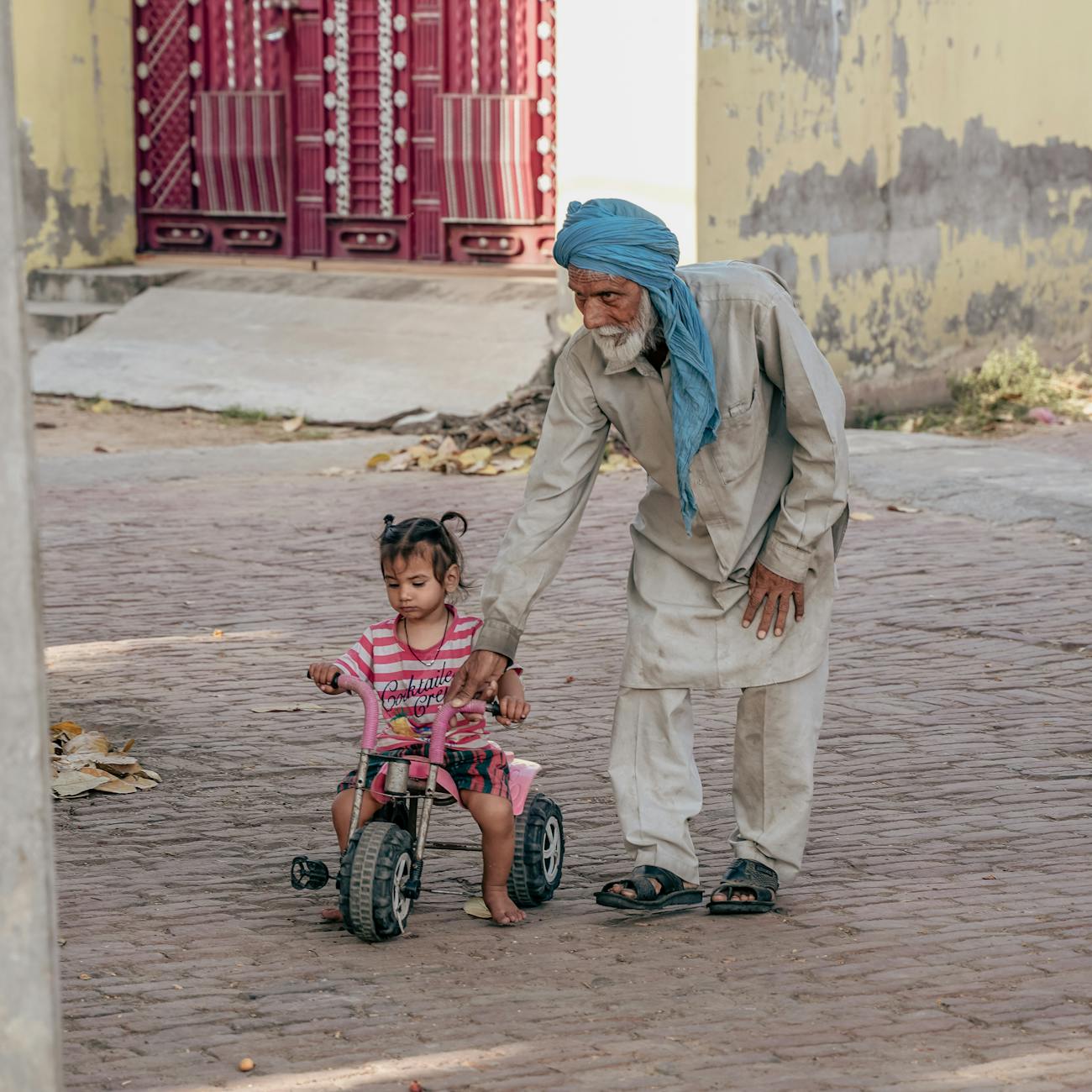
Family and community partnerships in play-based learning are essential components of early childhood education. It is crucial to recognize the significance of involving families and communities in a child's learning journey to support their holistic development. This course focuses on the importance of collaboration between educators, families, and communities to create a supportive environment for children's learning through play. Let's explore key terms and vocabulary related to family and community partnerships in play-based learning.
1. Play-Based Learning
Play-based learning is an approach to early childhood education that emphasizes the importance of play in a child's development. Through play, children explore, experiment, and make sense of the world around them. Play-based learning allows children to develop social, emotional, cognitive, and physical skills in a natural and engaging way.
2. Family Engagement
Family engagement refers to the collaborative partnership between families and educators to support children's learning and development. It involves families actively participating in their child's education, sharing information about their child's interests and strengths, and working together with educators to create a nurturing learning environment.
3. Community Partnerships
Community partnerships involve collaborating with local organizations, businesses, and community members to support children's learning and well-being. Community partnerships can provide resources, expertise, and opportunities for children to engage in real-world experiences that enhance their learning.
4. Parent Involvement
Parent involvement refers to parents' active participation in their child's education and school activities. It includes attending parent-teacher meetings, volunteering in the classroom, and supporting their child's learning at home. Parent involvement is crucial for building strong relationships between families and educators.
5. Communication Strategies
Effective communication strategies are essential for establishing and maintaining strong partnerships between families, educators, and the community. Clear and open communication helps in sharing information, setting goals, and addressing any concerns that may arise. Communication strategies may include newsletters, parent-teacher conferences, and digital platforms.
6. Cultural Competence
Cultural competence is the ability to understand, respect, and respond to the cultural backgrounds and diversity of families and communities. Educators must be culturally competent to effectively engage with families from different cultural backgrounds and create an inclusive learning environment that respects and celebrates diversity.
7. Family Support
Family support involves providing families with resources, information, and assistance to help them support their child's learning and development. Educators can offer parenting workshops, family literacy programs, and referrals to community services to ensure families have the support they need.
8. Collaborative Decision-Making
Collaborative decision-making involves involving families in the decision-making process related to their child's education and well-being. By working together with families, educators can make informed decisions that reflect the needs and preferences of the child and their family.
9. Advocacy and Empowerment
Advocacy and empowerment involve supporting families to advocate for their child's needs and rights within the educational system. Educators can empower families by providing them with information, resources, and tools to effectively advocate for their child and navigate the education system.
10. Home-School Partnerships
Home-school partnerships are collaborations between families and educators to support children's learning both at home and in school. By working together, families and educators can create a seamless learning experience that reinforces children's learning and development across different settings.
11. Family Involvement in Learning Activities
Family involvement in learning activities refers to families participating in and supporting their child's learning experiences outside of school. This may include engaging in educational activities at home, visiting museums or libraries, and exploring nature together. Family involvement in learning activities helps reinforce children's learning and strengthen the bond between families and educators.
12. Community Resources
Community resources are external sources of support and opportunities that can enhance children's learning and development. Community resources may include libraries, museums, parks, and community centers that offer educational programs, workshops, and activities for children and families to participate in.
13. Family Workshops
Family workshops are educational sessions or events designed to engage families in learning about child development, parenting strategies, and ways to support their child's learning. Family workshops provide families with valuable information and resources to help them play an active role in their child's education.
14. Family-School Communication
Family-school communication is the exchange of information between families and educators to keep them informed about their child's progress, activities, and any concerns that may arise. Effective family-school communication fosters a strong partnership between families and educators and supports children's learning and development.
15. Parent Education Programs
Parent education programs are initiatives that provide parents with information, resources, and support to help them navigate their child's education and development. Parent education programs may cover topics such as child development, behavior management, and literacy strategies to empower parents to support their child's learning.
16. Family Engagement Policies
Family engagement policies are guidelines and practices that schools and early childhood programs implement to promote and support family engagement. Family engagement policies outline expectations, strategies, and activities to involve families in their child's education and create a collaborative partnership between families and educators.
17. Community Outreach
Community outreach involves reaching out to the broader community to build partnerships and support children's learning and development. Community outreach activities may include organizing community events, collaborating with local organizations, and engaging community members in educational initiatives.
18. Parent-Teacher Collaboration
Parent-teacher collaboration is the partnership between parents and teachers to support children's learning and development. By working together, parents and teachers can share information, set goals, and address any concerns to ensure the child's success in school and beyond.
19. Family Involvement Policies
Family involvement policies are guidelines that outline the expectations and practices for involving families in their child's education. Family involvement policies set the foundation for building strong partnerships between families and educators and promoting a collaborative approach to supporting children's learning and development.
20. Family Empowerment
Family empowerment involves supporting families to take an active role in their child's education and advocate for their child's needs. By empowering families, educators help build their confidence, skills, and knowledge to support their child's learning and development effectively.
In conclusion, family and community partnerships play a crucial role in supporting children's learning and development through play-based learning. By fostering strong relationships between families, educators, and the community, children can receive the support, resources, and opportunities they need to thrive. It is essential for educators to recognize the importance of engaging families and communities in children's education and work collaboratively to create a nurturing and inclusive learning environment.
Key takeaways
- This course focuses on the importance of collaboration between educators, families, and communities to create a supportive environment for children's learning through play.
- Play-based learning is an approach to early childhood education that emphasizes the importance of play in a child's development.
- It involves families actively participating in their child's education, sharing information about their child's interests and strengths, and working together with educators to create a nurturing learning environment.
- Community partnerships involve collaborating with local organizations, businesses, and community members to support children's learning and well-being.
- It includes attending parent-teacher meetings, volunteering in the classroom, and supporting their child's learning at home.
- Effective communication strategies are essential for establishing and maintaining strong partnerships between families, educators, and the community.
- Educators must be culturally competent to effectively engage with families from different cultural backgrounds and create an inclusive learning environment that respects and celebrates diversity.