
Telehealth Platform Operations
Telehealth platform operations rely on a shared language that enables clinicians, administrators, technologists, and patients to communicate effectively about the delivery of care at a distance. Understanding the precise meaning of each ter…
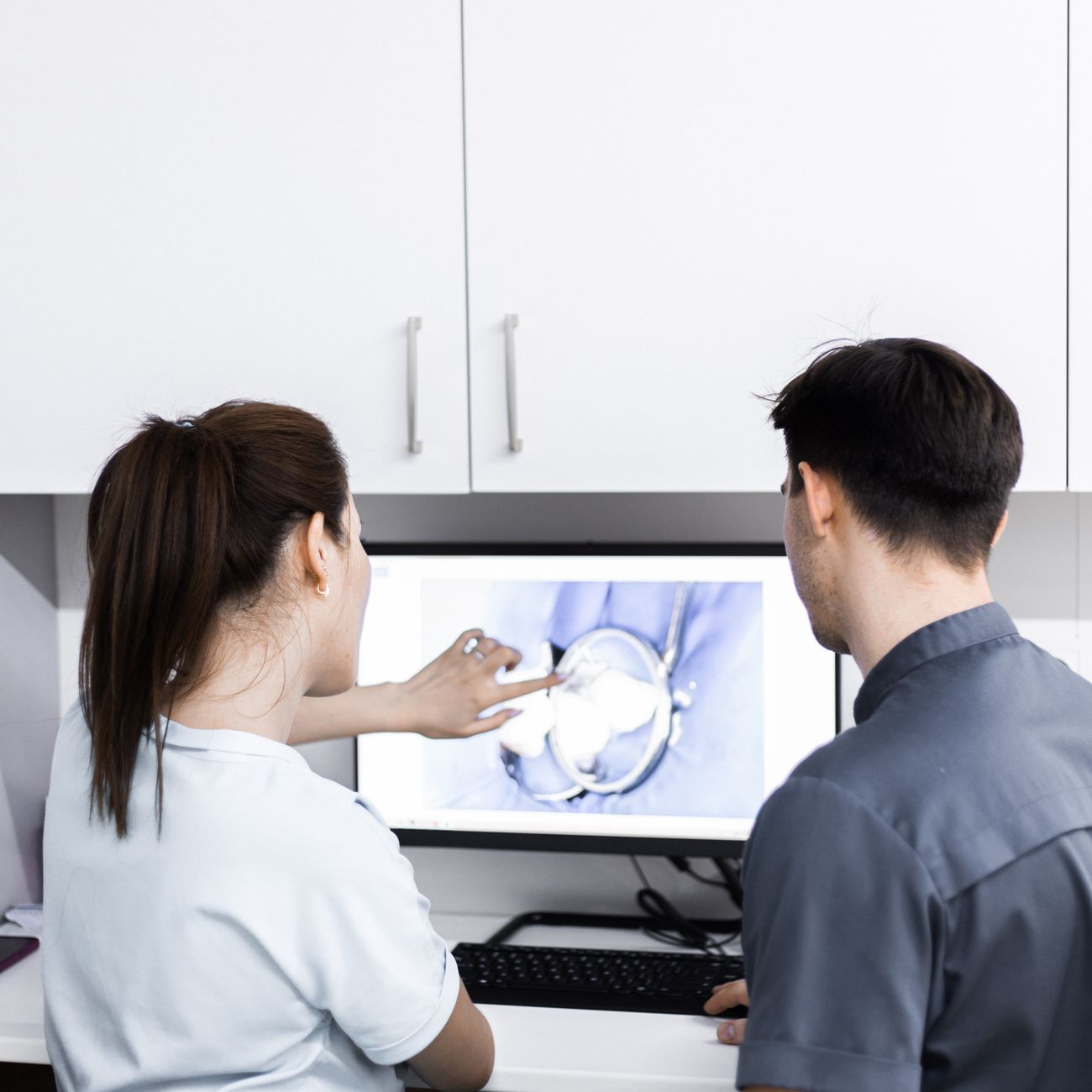
Telehealth platform operations rely on a shared language that enables clinicians, administrators, technologists, and patients to communicate effectively about the delivery of care at a distance. Understanding the precise meaning of each term is essential for configuring systems, maintaining compliance, and troubleshooting issues that arise during everyday use. This section presents a comprehensive glossary of the most frequently encountered vocabulary, organized thematically to illustrate how concepts interrelate within a functional telehealth environment. Each definition is accompanied by a practical example, a typical application scenario, and a brief discussion of common challenges that learners may encounter when working with real‑world platforms.
Telehealth refers to the broad use of electronic information and telecommunications technologies to support and promote health care, public health, and health education. The term includes clinical services, such as remote diagnosis and treatment, as well as non‑clinical services like provider training, administrative meetings, and patient education. For example, a community health center might schedule a video visit for a patient with chronic obstructive pulmonary disease to review inhaler technique, while also using the same platform to host a virtual staff meeting. A key challenge is ensuring that the platform’s capabilities align with the organization’s scope of services, because a system optimized for video visits may lack robust features for asynchronous messaging or remote monitoring.
Telemedicine is a subset of telehealth that specifically involves the provision of clinical services to patients at a distance. It typically implies a direct interaction between a licensed health care professional and a patient for diagnosis, treatment, or follow‑up. An example of telemedicine is a dermatologist conducting a live video examination of a skin lesion and prescribing medication through an electronic prescription. Challenges specific to telemedicine often revolve around clinical workflow integration, such as ensuring that the patient’s electronic health record (EHR) automatically captures the encounter note and that billing codes are correctly assigned for reimbursement.
Virtual care is a consumer‑focused term that emphasizes the patient experience of receiving health services through digital channels. It often includes telemedicine but may also incorporate self‑service tools like symptom checkers, online scheduling, and digital health libraries. A primary care practice might promote a virtual care portal where patients can log in, complete a pre‑visit questionnaire, and then join a video appointment with their physician. The challenge here is maintaining a seamless user interface that reduces friction for patients who may have limited technical proficiency, while still meeting security standards.
Remote patient monitoring (RPM) describes the use of connected devices to collect health data from patients in their homes and transmit that information to health care providers for assessment and action. Common RPM devices include blood pressure cuffs, glucometers, pulse oximeters, and weight scales that automatically sync with a cloud‑based platform. For instance, a heart failure clinic may enroll patients in an RPM program where daily weight measurements are reviewed by a nurse to detect early signs of fluid retention. Operational challenges include device interoperability, data overload, and ensuring that alerts are triaged appropriately without causing alarm fatigue.
Synchronous communication denotes real‑time interactions between participants, such as live video, audio calls, or chat sessions that occur simultaneously. During a synchronous telehealth visit, the clinician can observe the patient’s facial expressions, hear their voice, and ask immediate follow‑up questions. An example is a behavioral health therapist conducting a live counseling session via a secure video link. A frequent obstacle is managing bandwidth limitations, which can degrade video quality and impede clinical assessment, especially in rural areas with limited internet infrastructure.
Asynchronous communication involves the exchange of information that does not require participants to be present at the same time. This includes store‑and‑forward imaging, secure messaging, and patient‑generated health data that is reviewed later. A radiology department may receive a digital X‑ray image uploaded by a referring clinic, interpret it, and send the report back without a live conversation. The primary challenge is establishing clear protocols for response times and ensuring that the asynchronous data is properly linked to the patient’s record to maintain continuity of care.
Interoperability is the ability of different health information systems, devices, and applications to exchange, interpret, and use data cohesively. In telehealth, interoperability enables a video platform to pull patient demographics from the EHR, push encounter documentation back into the chart, and integrate device readings from an RPM sensor. A practical scenario is a diabetes management program where glucose readings captured by a Bluetooth meter appear automatically in the patient’s EHR chart, triggering clinical decision support alerts. Challenges often arise from varying data standards, such as HL7 versus FHIR, and from proprietary APIs that limit seamless data flow.
FHIR (Fast Healthcare Interoperability Resources) is a modern standard for exchanging health care information electronically, using a modular set of resources that can be combined to represent complex clinical concepts. Telehealth platforms that support FHIR can retrieve a patient’s medication list, update problem lists, and post visit summaries with relative ease. For example, a telehealth vendor may implement a FHIR‑based “Encounter” resource to represent each video visit, ensuring that insurers can easily process claims. Implementing FHIR can be complex because it requires mapping legacy data structures to the new resource model and validating that all required elements are present.
HL7 (Health Level Seven) is an older set of standards for the exchange, integration, sharing, and retrieval of electronic health information. Many legacy EHR systems still rely on HL7 v2 messaging for transmitting lab results, appointment schedules, and billing information. A telehealth solution that integrates with an older hospital system may need to generate HL7 ADT (Admission, Discharge, Transfer) messages to update patient status after a virtual encounter. The challenge lies in translating HL7 messages into modern APIs without data loss or misinterpretation.
Electronic Health Record (EHR) is a digital version of a patient’s paper chart, containing comprehensive health information such as medical history, medications, allergies, immunizations, and test results. In telehealth operations, the EHR serves as the central repository where visit notes, prescriptions, and billing codes are stored. For instance, after a video visit, the clinician writes a SOAP note directly in the EHR, which then triggers an e‑prescribing workflow. A common operational difficulty is ensuring that the telehealth interface provides a seamless “single sign‑on” experience so clinicians do not have to toggle between multiple applications.
Electronic Prescribing (e‑prescribing) enables clinicians to send prescription orders directly to a pharmacy’s computer system from within the EHR or telehealth platform. This eliminates the need for handwritten scripts and reduces medication errors. A practical example is a primary care physician prescribing an antibiotic during a telemedicine visit, with the order transmitted instantly to the patient’s preferred pharmacy. Challenges include verifying patient identity, handling controlled substances that require additional authentication steps, and ensuring that the pharmacy network supports the specific e‑prescribing format.
Clinical Decision Support (CDS) refers to tools and alerts that provide clinicians with evidence‑based guidance at the point of care. In a telehealth setting, CDS can flag abnormal vital signs from an RPM device or suggest guideline‑based treatment pathways during a video visit. For example, a heart rate above 100 beats per minute captured by a wearable may trigger a CDS alert recommending further cardiac evaluation. Operational challenges include configuring alerts to be clinically relevant, preventing alert fatigue, and ensuring that the CDS logic stays up‑to‑date with evolving clinical guidelines.
Health Information Exchange (HIE) is the electronic sharing of health information across organizations, enabling providers to access patient data regardless of where it was originally recorded. Telehealth platforms that connect to regional HIEs can retrieve prior imaging studies, lab results, and specialist notes, giving clinicians a fuller picture during a remote encounter. An example is a rural clinic using a telehealth solution that pulls the patient’s recent MRI from a tertiary hospital’s HIE before a neurology consult. Challenges include navigating consent requirements, data provenance, and differing security policies among participating entities.
Secure Socket Layer (SSL) / Transport Layer Security (TLS) are cryptographic protocols that encrypt data transmitted over the internet, protecting it from interception. Telehealth platforms must use TLS to secure video streams, chat messages, and file transfers. For instance, a patient’s video call is encrypted end‑to‑end, ensuring that no third party can access the audio or visual content. A frequent issue is certificate management; expired or misconfigured certificates can cause connection failures, leading to patient frustration and potential loss of revenue.
Business Associate Agreement (BAA) is a legal contract required under the Health Insurance Portability and Accountability Act (HIPAA) that outlines how a service provider will protect protected health information (PHI) on behalf of a covered entity. When a health care organization contracts with a telehealth vendor, a BAA must be signed to define responsibilities for data security, breach notification, and compliance audits. A practical scenario involves a clinic reviewing a vendor’s BAA to ensure it includes clauses for data encryption, access controls, and audit logs. Challenges often arise when vendors use third‑party sub‑processors; each sub‑processor may need its own BAA, complicating the compliance chain.
Protected Health Information (PHI) encompasses any individually identifiable health information that is created, received, stored, or transmitted by a health care entity. In telehealth operations, PHI includes video recordings, chat transcripts, device data, and documentation entered during a virtual visit. For example, a patient’s mental health assessment conducted via video is considered PHI and must be stored in a compliant manner. The primary challenge is ensuring that all components of the telehealth stack—platform, storage, backup, and analytics— treat PHI with the same level of protection required for in‑person encounters.
HIPAA (Health Insurance Portability and Accountability Act) sets national standards for the protection of PHI and governs how health information can be used and disclosed. Telehealth platforms must implement administrative, physical, and technical safeguards to meet HIPAA requirements. An example of a technical safeguard is role‑based access control that limits who can view patient video recordings. Common challenges include conducting regular risk assessments, maintaining audit logs, and ensuring that all staff receive ongoing training on privacy policies.
GDPR (General Data Protection Regulation) is a European Union regulation that governs the processing of personal data, including health data, of EU residents. Telehealth providers that serve patients in the EU must comply with GDPR, which imposes stricter consent and data‑subject rights requirements than HIPAA. For instance, a telehealth company operating in Germany must provide patients with the ability to request deletion of their video recordings within 30 days. Operational challenges include reconciling differing privacy frameworks when the same platform serves both U.S. And EU patients, requiring separate data residency and consent management workflows.
Consent Management involves obtaining, recording, and tracking patient permission for specific uses of their health data. In telehealth, consent may be required for video recording, data sharing with third parties, or participation in research studies. A practical example is an online consent form presented to the patient before the start of a virtual visit, where the patient checks a box to authorize the recording of the session for quality assurance. Challenges include ensuring that consent is obtained in a user‑friendly manner, stored securely, and easily retrievable for audits.
Identity Verification is the process of confirming that a patient is who they claim to be before granting access to telehealth services. Common methods include knowledge‑based authentication (security questions), one‑time passcodes sent via SMS, or biometric verification using facial recognition. For example, a patient logs into a telehealth portal and receives a code on their mobile phone that they must enter to complete login. Operational difficulties arise when patients lack access to reliable phone service or when biometric solutions raise privacy concerns.
Multi‑Factor Authentication (MFA) adds an additional layer of security by requiring two or more verification methods before granting access to a system. In a telehealth environment, MFA may combine a password with a token generated by an authenticator app. This reduces the risk of unauthorized access to PHI. A challenge is balancing security with usability; overly complex MFA processes can deter patients, especially older adults, from using the platform.
Patient Portal is a secure online interface where patients can view their health records, schedule appointments, communicate with providers, and access educational resources. Telehealth platforms often integrate directly with patient portals to provide a unified experience. For instance, a patient logs into the portal, sees an upcoming video visit, completes a pre‑visit questionnaire, and then joins the call with a single click. Common challenges include ensuring portal accessibility for users with disabilities and maintaining synchronization between portal data and the underlying EHR.
Digital Triage refers to the use of algorithms, questionnaires, or chatbots to assess patient symptoms and prioritize care pathways before a live encounter. A virtual urgent care service may employ a digital triage tool that asks the patient about fever, cough, and exposure history, then routes them to a video visit or advises self‑care. Operational challenges include calibrating the algorithm to avoid over‑triaging (leading to unnecessary visits) while still capturing high‑risk cases that need immediate attention.
Clinical Workflow Integration is the alignment of telehealth processes with existing in‑person care pathways to ensure continuity and efficiency. This includes scheduling, documentation, order entry, and billing. A well‑integrated workflow might allow a receptionist to schedule a video visit using the same calendar system used for office visits, with the encounter automatically populating the same queue for medical assistants to review. Challenges often arise when telehealth platforms have separate user interfaces, forcing staff to duplicate data entry or switch contexts frequently.
Encounter Coding involves assigning standardized codes, such as CPT (Current Procedural Terminology) and ICD‑10 (International Classification of Diseases), to document the services provided during a telehealth visit. Accurate coding is essential for reimbursement and analytics. For example, a primary care provider may bill a video visit using CPT 99213 with a modifier indicating a virtual service. The challenge is staying current with payer policies, which can differ on the use of modifiers, place of service codes, and allowable telehealth services.
Modifier 95 is a CPT modifier used to indicate that a service was performed via real‑time interactive audio and video telecommunications. When billing a telehealth visit, the provider appends Modifier 95 to the appropriate CPT code. A practical example is a behavioral health session billed as 90791‑95. Challenges include ensuring that the modifier is correctly applied in the billing system and that the payer recognizes it, as some insurers may require additional documentation.
Place of Service (POS) Code identifies the setting where a service was delivered. For telehealth, the typical POS code is 02, which signifies “telehealth provided by a physician or other qualified health professional.” Using the correct POS code is necessary for claims processing. A common challenge is that some payers may reject claims with an incorrect POS code or require a different code for certain specialties, necessitating careful configuration of the billing engine.
Reimbursement Policy encompasses the rules set by insurers, Medicare, Medicaid, and private payers regarding which telehealth services are covered, at what rate, and under what conditions. For instance, Medicare may cover remote patient monitoring for patients with chronic conditions, but only if certain documentation criteria are met. Operational challenges include staying abreast of frequent policy changes, especially during public health emergencies when temporary waivers may be introduced and later withdrawn.
Clinical Documentation Improvement (CDI) initiatives aim to enhance the quality and completeness of clinical documentation, thereby supporting accurate coding and better patient outcomes. In telehealth, CDI may involve prompting clinicians to capture specific findings that are more difficult to document remotely, such as skin lesion characteristics. A practical tool could be an embedded checklist that appears during a video visit, reminding the provider to note the lesion’s size, color, and border. Challenges include integrating CDI prompts without disrupting the flow of the virtual encounter.
Quality Metrics are measurable indicators used to assess the performance of health care services, such as patient satisfaction, wait times, and clinical outcomes. Telehealth platforms often generate dashboards that track metrics like “average time to join video visit” or “percentage of appointments completed without technical issues.” For example, a health system may set a target that 90 % of video visits start within five minutes of the scheduled time. The challenge lies in collecting reliable data across disparate systems and ensuring that the metrics reflect meaningful aspects of care rather than superficial technical performance.
Patient Satisfaction Survey collects feedback from patients after a telehealth encounter to gauge their experience, identify areas for improvement, and support quality reporting. A typical survey might ask patients to rate the ease of joining the video call, the clarity of the provider’s communication, and overall satisfaction on a Likert scale. Operational challenges include achieving high response rates, especially when patients may be fatigued by multiple surveys, and linking survey results to specific clinicians or departments for targeted improvement.
Technical Support Ticket is a formal request submitted by a user—clinician, staff, or patient—to resolve an issue with the telehealth platform. Tickets are tracked in a help‑desk system and assigned priority levels based on impact. For example, a clinician experiencing repeated video dropouts may open a ticket marked “high priority,” prompting the vendor’s support team to investigate network configuration. Common challenges include ensuring that tickets contain sufficient diagnostic information and that response times meet service level agreements (SLAs).
Service Level Agreement (SLA) defines the expected performance standards and response times that a telehealth vendor commits to delivering. An SLA may specify 99.9 % Uptime for the video platform and a maximum of 30 minutes for critical incident resolution. For health care organizations, adherence to SLAs is crucial because downtime can disrupt patient care and lead to revenue loss. Managing SLAs involves regular monitoring of performance metrics and conducting periodic reviews with the vendor to address any gaps.
Incident Management is the structured process of identifying, responding to, and resolving unplanned events that affect the telehealth service, such as system outages, security breaches, or data loss. An incident response plan typically includes steps for containment, investigation, communication, and post‑incident analysis. For instance, if a ransomware attack encrypts stored video recordings, the incident management team would isolate affected servers, notify stakeholders, and begin restoration from backups. Challenges include coordinating across multiple teams, maintaining clear communication during high‑stress situations, and documenting the incident for compliance reporting.
Backup and Disaster Recovery (DR) strategies ensure that telehealth data—including patient records, video archives, and configuration settings—can be restored after a catastrophic event. A common approach is to perform daily incremental backups to a secure off‑site cloud storage and conduct quarterly full restores to validate the process. An example scenario is a natural disaster that disables the primary data center; the DR plan would activate a secondary site to continue providing video services with minimal interruption. Challenges include balancing backup frequency with storage costs and ensuring that encrypted data can be decrypted during recovery.
Data Retention Policy outlines how long different categories of data must be kept to comply with legal, regulatory, and business requirements. In telehealth, video recordings may be retained for a minimum of six years for Medicare‑covered services, while chat logs might be kept for a shorter period. Implementing the policy involves configuring automated deletion rules in the platform’s storage system. A typical challenge is ensuring that the retention schedule aligns with both HIPAA mandates and state‑specific privacy laws, which can differ significantly.
Audit Log records a chronological list of system activities, such as user logins, data accesses, and configuration changes. Audit logs are essential for detecting unauthorized access and for demonstrating compliance during inspections. For example, an audit log entry might show that a nurse accessed a patient’s video recording at 10:15 AM, with the IP address and device identifier captured. Challenges include managing the volume of log data, ensuring that logs are tamper‑evident, and retaining them for the required retention period.
Role‑Based Access Control (RBAC) restricts system access based on the user’s role within the organization, ensuring that individuals can only view or modify data necessary for their job functions. In a telehealth platform, a physician may have permission to start video calls and prescribe medication, while a medical assistant may only have access to schedule appointments and view patient demographics. Implementing RBAC requires careful mapping of job responsibilities to system privileges. A common difficulty is preventing “role creep,” where users accumulate unnecessary permissions over time.
Least Privilege Principle dictates that users should be granted the minimum level of access required to perform their duties, reducing the risk of accidental or malicious data exposure. Applying this principle in telehealth might involve creating a separate “view‑only” role for auditors who need to review encounter data without the ability to modify records. Challenges include balancing operational efficiency—since overly restrictive access can hinder workflow—with security objectives.
Encryption at Rest protects stored data by converting it into an unreadable format using cryptographic keys, ensuring that data remains secure even if storage media are compromised. Telehealth platforms typically encrypt video recordings, patient questionnaires, and device data while they reside in databases or file systems. A practical implementation might involve using AES‑256 encryption for all files stored in a cloud bucket. Operational challenges include key management, especially when rotating encryption keys without disrupting access for authorized users.
Encryption in Transit secures data as it moves between the user’s device, the telehealth platform, and backend services, preventing interception by unauthorized parties. This is achieved through TLS protocols that establish a secure channel for video streams, chat messages, and file uploads. For instance, when a patient uploads a home‑collected blood pressure reading, the data travels over an encrypted HTTPS connection. Common issues arise when outdated TLS versions are used, leading to compatibility problems with newer browsers or devices.
Session Timeout automatically ends a user’s active session after a period of inactivity, reducing the risk of unauthorized access if a device is left unattended. In a telehealth portal, the session timeout might be set to fifteen minutes, after which the user must re‑authenticate. While this enhances security, it can frustrate users who are completing lengthy forms. Balancing security and usability requires careful selection of timeout durations based on risk assessments and user behavior analysis.
Single Sign‑On (SSO) enables users to authenticate once and gain access to multiple applications without re‑entering credentials, streamlining workflow and improving security. Many health systems integrate their telehealth platform with an identity provider such as Active Directory or Okta. A clinician logs into the hospital’s intranet and is automatically granted access to the video platform, patient portal, and EHR. Challenges include ensuring that SSO configurations support multi‑factor authentication and that session revocation propagates quickly across all integrated systems.
Application Programming Interface (API) is a set of protocols and tools that allow different software applications to communicate and exchange data. Telehealth platforms expose APIs for functions such as scheduling, retrieving patient records, and posting encounter summaries. For example, a third‑party scheduling tool can call the telehealth API to create a new video appointment and receive a unique meeting link. Operational challenges involve versioning APIs, maintaining backward compatibility, and securing API endpoints against unauthorized access.
Webhooks are automated callbacks that notify external systems when specific events occur within the telehealth platform, such as the completion of a video call or the receipt of a new lab result. A health system might configure a webhook to trigger an automated email to the patient’s primary care physician when an RPM device records a critical blood glucose value. Challenges include handling retries for failed webhook deliveries, ensuring data is transmitted securely, and managing the volume of events to avoid overwhelming downstream systems.
FHIR‑Based API leverages the Fast Healthcare Interoperability Resources standard to enable standardized data exchange, simplifying integration with EHRs and other health IT solutions. A telehealth platform that supports a FHIR API can retrieve a patient’s demographic data using a GET request to the “Patient” resource and post a new “Encounter” resource after a video visit. Implementing a FHIR‑based API often requires mapping internal data models to FHIR resources and handling version differences (e.G., STU3 vs. R4). Challenges include ensuring that required fields are populated to satisfy validation rules and that the API can handle bulk data queries efficiently.
OAuth 2.0 is an authorization framework that allows third‑party applications to obtain limited access to a user’s resources without sharing credentials. Telehealth platforms may use OAuth 2.0 To grant a health app permission to read a patient’s RPM data while keeping the patient’s login details private. A typical flow involves the user being redirected to an authorization server, granting consent, and receiving an access token for API calls. Challenges include token expiration management, refresh token security, and preventing scope creep where an application requests more permissions than necessary.
FHIR Consent Resource captures a patient’s preferences regarding data sharing and usage, providing granular control over who can access specific health information. In a telehealth context, the consent resource might indicate that a patient allows sharing of video recordings with their primary care physician but not with external research partners. Implementing consent management using the FHIR Consent resource requires aligning the platform’s UI for consent capture with the underlying data model. A common difficulty is ensuring that consent updates propagate in real time to all integrated systems.
Clinical Workflow Engine automates the sequencing of tasks, notifications, and decision points within a telehealth process. For example, after a patient completes a pre‑visit questionnaire, the workflow engine may route the responses to the clinician, schedule a follow‑up reminder, and trigger a billing code generation. Configuring the engine often involves defining triggers, conditions, and actions using a visual designer or scripting language. Challenges include maintaining flexibility for diverse clinical pathways while avoiding overly complex configurations that become difficult to troubleshoot.
Patient Engagement Platform encompasses tools that encourage active participation in health care, such as reminders, educational content, and gamified health challenges. In a telehealth ecosystem, the engagement platform might send push notifications to remind patients of upcoming video visits, provide videos on proper inhaler technique, and award points for daily blood pressure submissions. The main challenges are ensuring that communications are personalized, culturally appropriate, and compliant with opt‑out regulations.
Health Literacy refers to a patient’s ability to obtain, process, and understand basic health information needed to make informed decisions. Telehealth platforms must consider health literacy when designing user interfaces, instructional videos, and consent forms. For instance, using plain language and visual icons to guide a patient through the steps of joining a video visit can improve success rates. A frequent barrier is the tendency to embed medical jargon in patient‑facing content, which can lead to confusion and reduced adherence.
Accessibility Standards such as the Web Content Accessibility Guidelines (WCAG) ensure that digital platforms are usable by individuals with disabilities, including visual, auditory, motor, and cognitive impairments. Telehealth solutions should support screen readers, provide captioning for video calls, and allow keyboard navigation. An example is offering a “high‑contrast” mode for patients with low vision. Operational challenges include testing across a wide range of assistive technologies and keeping accessibility features up‑to‑date as platform updates are released.
Latency measures the delay between a user action and the system’s response, a critical factor for real‑time video quality. High latency can cause audio‑video desynchronization, making clinical assessment difficult. For example, a neurologist evaluating a patient’s gait may find it impossible to accurately assess movement if the video feed lags by more than 200 milliseconds. Mitigating latency involves optimizing network routes, using content delivery networks (CDNs), and selecting codecs that balance compression with minimal delay. Challenges include variable internet speeds among patients, especially in underserved areas.
Bandwidth refers to the amount of data that can be transmitted over a network connection within a given time frame, typically measured in megabits per second (Mbps). Sufficient bandwidth is required for high‑definition video streams, which may demand 2–3 Mbps per direction for a stable experience. A patient on a limited data plan may experience pixelation or dropped calls if the platform does not adapt to lower bandwidth conditions. Adaptive bitrate streaming and offering audio‑only fallback options are common strategies to address bandwidth constraints.
Codec (coder‑decoder) is a software algorithm that compresses and decompresses audio and video data for transmission. Popular codecs for telehealth include H.264 For video and Opus for audio, both offering a balance of quality and efficiency. Selecting the appropriate codec can affect latency, bandwidth consumption, and device compatibility. For instance, older smartphones may not support newer codecs like H.265, Requiring the platform to negotiate a fallback codec. Managing codec compatibility across a diverse device ecosystem presents a technical challenge.
Device Compatibility Matrix is a documented list of supported hardware and software configurations, such as operating systems, browsers, and mobile devices. Maintaining an up‑to‑date matrix helps support staff troubleshoot issues like “video not starting on iOS 16.” A practical use case is providing patients with a pre‑visit checklist that references the compatibility matrix, ensuring they use a supported device. Challenges involve the rapid release cycles of operating systems and browsers, which can introduce new bugs that require timely updates to the matrix.
User Experience (UX) Design focuses on creating intuitive, efficient, and satisfying interactions for end users. In telehealth, UX design influences how easily a patient can join a video call, how clinicians navigate documentation fields, and how support staff manage scheduling. A well‑designed UX might include a single “Join” button that automatically launches the video client, displays a clear connection status, and offers a “Help” link for troubleshooting. Common pitfalls include overloading screens with too many options, leading to decision fatigue and increased error rates.
Human Factors Engineering studies how people interact with technology, emphasizing ergonomics, cognitive load, and workflow efficiency. Applying human factors principles to telehealth can reduce the likelihood of user error during video call setup or medication ordering. For example, placing the “End Call” button away from the “Mute” button can prevent accidental call termination. Challenges include conducting thorough usability testing with diverse user groups and incorporating feedback into iterative design cycles.
Scalability describes a system’s ability to handle increased load—more concurrent video sessions, additional users, or larger data volumes—without degradation of performance. A telehealth platform designed for scalability might employ micro‑services architecture, auto‑scaling cloud instances, and load balancers. During a public health emergency, a surge in virtual visits could increase concurrent sessions from 500 to 5,000, testing the platform’s scalability. Managing cost, ensuring consistent quality of service, and avoiding bottlenecks in database or network layers are key challenges.
High Availability (HA) ensures that a system remains operational and accessible even in the event of component failures. HA is often achieved through redundant servers, failover clustering, and geographic distribution of resources. For a telehealth service, high availability means that a clinician can continue a video visit even if one data center experiences an outage. Implementing HA requires careful planning of state synchronization, session persistence, and disaster recovery testing. A common difficulty is balancing the added complexity and expense of HA solutions with budget constraints.
Load Balancer distributes incoming network traffic across multiple servers to optimize resource utilization and prevent any single server from becoming a bottleneck. In a telehealth architecture, a load balancer might route video session requests to the least‑loaded media server, improving connection stability. Configuring health checks to detect unresponsive servers and dynamically adjust routing is essential. Challenges include handling sticky sessions for ongoing video calls and ensuring that encrypted traffic is properly terminated and re‑encrypted.
Micro‑services Architecture decomposes a large application into smaller, independent services that communicate via APIs. Each micro‑service can be developed, deployed, and scaled separately, offering flexibility for telehealth platforms that need to evolve rapidly. For instance, separate services could handle video streaming, patient authentication, and billing, each with its own database and scaling policy. While micro‑services improve agility, they introduce challenges around service orchestration, distributed tracing, and managing inter‑service security.
Containerization packages an application and its dependencies into a lightweight, portable unit called a container, often managed by platforms like Docker and orchestrated by Kubernetes. Containerization enables consistent deployment across development, testing, and production environments. Telehealth providers may containerize the video processing engine to ensure it runs reliably on any host. Challenges include securing container images, managing secrets within containers, and handling stateful components that require persistent storage.
Kubernetes is an open‑source orchestration system for automating deployment, scaling, and management of containerized applications. Using Kubernetes, a telehealth platform can define deployment specifications, health checks, and auto‑scaling rules for video services. A practical benefit is the ability to roll out updates with zero downtime through rolling updates. Operational complexities involve configuring network policies, managing persistent volumes for recordings, and ensuring compliance with security standards in a dynamic cluster environment.
Service Mesh provides a dedicated infrastructure layer for handling service‑to‑service communication, offering features like traffic routing, load balancing, and security policies. In a telehealth micro‑services environment, a service mesh such as Istio can enforce mutual TLS encryption between services, ensuring data remains protected in transit. Implementing a service mesh introduces additional operational overhead, requiring expertise in configuring sidecar proxies and monitoring mesh performance.
Observability encompasses the practices and tools used to monitor, trace, and log system behavior, enabling rapid detection and diagnosis of issues. Telehealth platforms benefit from observability dashboards that display metrics such as active video sessions, error rates, and latency distributions. Tools like Prometheus for metrics collection and Grafana for visualization are common choices. Challenges include correlating logs across distributed services, setting meaningful alert thresholds, and avoiding alert fatigue among operations teams.
Root Cause Analysis (RCA) is a systematic process for identifying the underlying reasons for a problem or incident. After a video call failure, the RCA might reveal that a recent update to the media server introduced a codec incompatibility with certain browsers. Conducting an RCA involves gathering logs, interviewing stakeholders, and documenting findings in a structured report. The main difficulty is allocating sufficient time and resources to perform thorough analysis, especially when incidents occur frequently.
Continuous Integration/Continuous Deployment (CI/CD) pipelines automate the building, testing, and deployment of code changes, promoting rapid and reliable releases. In a telehealth context, CI/CD can ensure that new features—such as a virtual waiting room—are automatically tested for security, performance, and compatibility before reaching production. Implementing CI/CD requires establishing automated test suites, code quality gates, and rollback mechanisms. Challenges include ensuring that test environments accurately replicate production conditions, particularly for real‑time video components.
Penetration Testing involves simulated cyber‑attacks to evaluate the security posture of a telehealth platform. Ethical hackers may attempt to exploit vulnerabilities in video streaming endpoints, API authentication, or data storage. The results inform remediation efforts, such as patching insecure libraries or tightening access controls. Conducting regular penetration tests is essential for maintaining compliance and protecting PHI. A common obstacle is coordinating testing windows to avoid disrupting live patient care.
Vulnerability Management is the ongoing process of identifying, prioritizing, and fixing security weaknesses. Telehealth platforms must track vulnerabilities in third‑party libraries, operating systems, and custom code. Tools like vulnerability scanners can generate reports that feed into a ticketing system for remediation. Challenges include balancing the urgency of critical patches with the need for thorough testing to avoid introducing regressions in a live clinical environment.
Zero‑Trust Architecture assumes that no network traffic is inherently trustworthy, requiring verification for every access request. Applying zero‑trust principles to telehealth means enforcing strong authentication, micro‑segmentation of network zones, and continuous monitoring of user behavior. For example, a clinician’s device must be verified before it can access patient video recordings, even if it is on the internal hospital network. Implementing zero‑trust can be complex, involving multiple technologies and policy changes across the organization.
Secure Remote Access enables clinicians and staff to connect to the telehealth platform from off‑site locations while maintaining security. Virtual Private Networks (VPNs) or zero‑trust network access solutions provide encrypted tunnels and device posture checks. A physician working from home may use a corporate VPN to log into the EHR and launch a video visit. Challenges include ensuring VPN scalability for many concurrent remote users and managing the user experience to avoid excessive latency.
Key takeaways
- This section presents a comprehensive glossary of the most frequently encountered vocabulary, organized thematically to illustrate how concepts interrelate within a functional telehealth environment.
- A key challenge is ensuring that the platform’s capabilities align with the organization’s scope of services, because a system optimized for video visits may lack robust features for asynchronous messaging or remote monitoring.
- An example of telemedicine is a dermatologist conducting a live video examination of a skin lesion and prescribing medication through an electronic prescription.
- A primary care practice might promote a virtual care portal where patients can log in, complete a pre‑visit questionnaire, and then join a video appointment with their physician.
- Remote patient monitoring (RPM) describes the use of connected devices to collect health data from patients in their homes and transmit that information to health care providers for assessment and action.
- A frequent obstacle is managing bandwidth limitations, which can degrade video quality and impede clinical assessment, especially in rural areas with limited internet infrastructure.
- The primary challenge is establishing clear protocols for response times and ensuring that the asynchronous data is properly linked to the patient’s record to maintain continuity of care.