
Spatial Analysis for Conservation
Spatial Analysis for Conservation
Spatial Analysis for Conservation
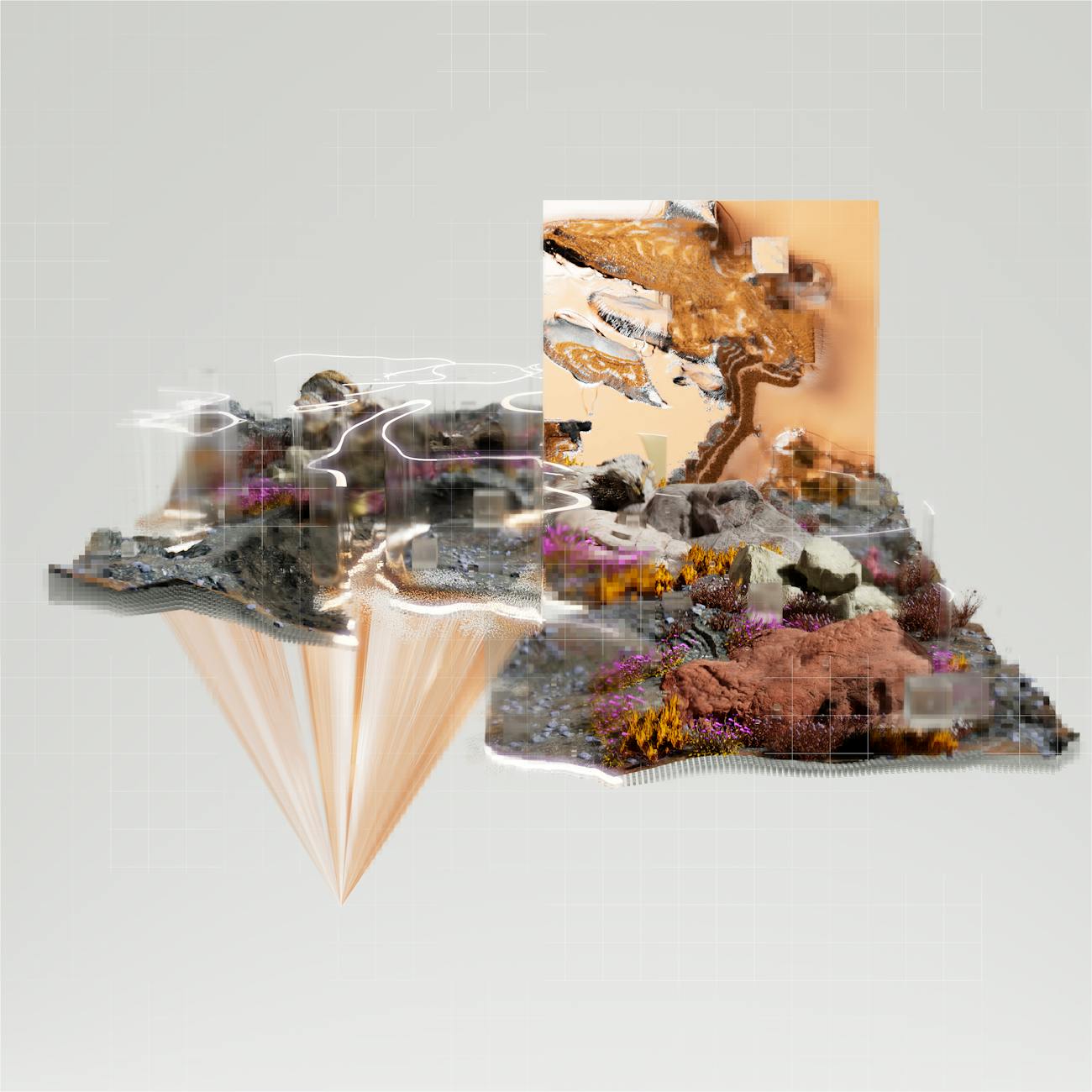
Spatial analysis is a crucial tool in conservation biology, enabling researchers to study the distribution of species, habitats, and ecosystems in geographic space. It involves the use of geographic information systems (GIS), remote sensing, and statistical techniques to analyze spatial data and make informed decisions about conservation strategies. In this course, we will explore various spatial analysis methods and their applications in conservation biology.
Key Terms and Concepts
1. Spatial Data: Spatial data refers to information that has a geographic or locational component. This can include coordinates, boundaries, or other spatial attributes that describe the location of features on the Earth's surface.
2. Geographic Information Systems (GIS): GIS is a powerful tool for storing, analyzing, and visualizing spatial data. It allows users to create maps, perform spatial queries, and analyze relationships between different geographic features.
3. Remote Sensing: Remote sensing involves the collection of information about objects or areas from a distance, typically using satellites or aircraft. It is widely used in conservation to monitor land cover changes, track wildlife populations, and assess habitat quality.
4. Conservation Biology: Conservation biology is the study of the Earth's biodiversity and the ways in which it can be protected and managed. It aims to understand the threats facing species and ecosystems and develop strategies to conserve them.
5. Species Distribution Modeling: Species distribution modeling (SDM) is a technique used to predict the potential distribution of a species based on environmental variables. It can help identify suitable habitats for conservation efforts and prioritize areas for protection.
6. Fragmentation Analysis: Fragmentation analysis involves studying the spatial arrangement of habitat patches and the effects of fragmentation on biodiversity. It can help assess the connectivity of habitats and prioritize conservation actions to maintain landscape connectivity.
7. Corridor Design: Corridor design focuses on creating habitat corridors to connect fragmented landscapes and facilitate the movement of species between isolated habitat patches. It is essential for maintaining genetic diversity and ensuring the long-term survival of populations.
8. Optimization Techniques: Optimization techniques are used to find the best solution to a conservation problem, considering multiple objectives and constraints. They can help identify optimal conservation strategies, such as habitat restoration or protected area design.
9. Multi-Criteria Decision Analysis: Multi-criteria decision analysis (MCDA) is a method for evaluating and comparing alternative conservation actions based on multiple criteria or objectives. It can help decision-makers prioritize interventions and allocate resources effectively.
10. Land Use/Land Cover Change Analysis: Land use/land cover change analysis involves monitoring changes in land cover over time and assessing the impacts on biodiversity and ecosystem services. It can inform land management decisions and conservation planning.
11. Population Viability Analysis: Population viability analysis (PVA) is a quantitative method for assessing the long-term viability of populations. It considers factors such as population size, genetic diversity, and environmental variability to predict the likelihood of extinction.
12. Connectivity Analysis: Connectivity analysis examines the degree to which landscapes facilitate the movement of species and support ecological processes. It can help identify barriers to movement and design conservation corridors to enhance landscape connectivity.
13. Spatial Autocorrelation: Spatial autocorrelation refers to the degree of similarity between neighboring spatial units. It is important in spatial analysis as it can affect the validity of statistical tests and influence the interpretation of results.
14. Cost-Effective Conservation: Cost-effective conservation aims to achieve conservation goals at minimal cost, considering the trade-offs between different management options. It involves identifying cost-effective strategies for maximizing conservation benefits.
15. Conservation Prioritization: Conservation prioritization involves identifying and ranking areas for conservation based on their ecological significance, threats, and conservation value. It helps allocate limited resources to the most critical locations for biodiversity conservation.
Practical Applications
Spatial analysis techniques are widely used in conservation biology to address a variety of challenges and inform conservation planning. Some practical applications of spatial analysis in conservation include:
1. Identifying Critical Habitats: Spatial analysis can help identify critical habitats for endangered species and prioritize areas for protection based on their ecological value and vulnerability to threats.
2. Designing Protected Areas: GIS and remote sensing can be used to design protected areas that maximize habitat representation and connectivity, ensuring the long-term viability of biodiversity.
3. Monitoring Habitat Change: Remote sensing data can be used to monitor changes in land cover and habitat quality over time, enabling conservationists to assess the impacts of human activities and climate change on ecosystems.
4. Assessing Landscape Connectivity: Spatial analysis can help assess landscape connectivity and identify key corridors for species movement, facilitating gene flow and population persistence in fragmented landscapes.
5. Predicting Species Distributions: Species distribution models can predict the potential distribution of species under different scenarios, helping conservationists prioritize areas for conservation and management actions.
6. Evaluating Conservation Strategies: Multi-criteria decision analysis can be used to evaluate and compare alternative conservation strategies, considering factors such as cost, effectiveness, and social acceptability.
7. Mitigating Human-Wildlife Conflict: Spatial analysis can help identify areas of high human-wildlife conflict and design interventions to reduce conflicts and promote coexistence between humans and wildlife.
8. Restoring Degraded Habitats: Optimization techniques can be used to identify cost-effective strategies for restoring degraded habitats and enhancing ecosystem resilience in the face of environmental change.
Challenges and Limitations
While spatial analysis has revolutionized conservation biology, it also poses several challenges and limitations that researchers must address:
1. Data Limitations: Spatial analysis relies on the availability of high-quality spatial data, which may be limited or incomplete for some regions or species. Data gaps can affect the accuracy and reliability of conservation assessments.
2. Scale Mismatches: Spatial analysis often involves working at multiple scales, which can lead to scale mismatches between the data and the ecological processes being studied. Researchers must carefully consider scale effects and their implications for conservation planning.
3. Uncertainty: Spatial analysis involves various sources of uncertainty, including errors in data, model assumptions, and parameter estimates. Understanding and quantifying uncertainty is essential for making informed decisions in conservation.
4. Technological Constraints: Spatial analysis requires specialized software, hardware, and technical expertise, which may be lacking in some conservation organizations. Training and capacity-building efforts are needed to ensure that practitioners can effectively use spatial analysis tools.
5. Stakeholder Engagement: Conservation planning involves multiple stakeholders with diverse interests and values. Engaging stakeholders in the spatial analysis process and incorporating their feedback can be challenging but is essential for successful conservation outcomes.
6. Trade-Offs and Conflicts: Conservation decisions often involve trade-offs between competing objectives, such as biodiversity conservation, economic development, and social equity. Spatial analysis can help identify these trade-offs and find solutions that balance multiple goals.
7. Policy and Governance: Spatial analysis must be integrated into policy and governance frameworks to ensure that conservation actions are implemented effectively. Collaboration between scientists, policymakers, and local communities is crucial for translating spatial analysis results into conservation action.
8. Adaptive Management: Conservation is an iterative process that requires continuous monitoring, evaluation, and adaptation of management strategies. Spatial analysis can support adaptive management by providing real-time data on ecosystem dynamics and informing decision-making.
Conclusion
Spatial analysis is a powerful tool for conservation biologists, enabling them to study the distribution of species, habitats, and ecosystems in geographic space. By using GIS, remote sensing, and statistical techniques, researchers can analyze spatial data, predict species distributions, design conservation corridors, and prioritize areas for protection. Despite the challenges and limitations of spatial analysis, it offers valuable insights for conservation planning and decision-making. In this course, we will explore the key concepts, methods, and applications of spatial analysis in conservation biology, aiming to equip students with the skills and knowledge needed to address pressing conservation challenges in a rapidly changing world.
Key takeaways
- It involves the use of geographic information systems (GIS), remote sensing, and statistical techniques to analyze spatial data and make informed decisions about conservation strategies.
- This can include coordinates, boundaries, or other spatial attributes that describe the location of features on the Earth's surface.
- Geographic Information Systems (GIS): GIS is a powerful tool for storing, analyzing, and visualizing spatial data.
- Remote Sensing: Remote sensing involves the collection of information about objects or areas from a distance, typically using satellites or aircraft.
- Conservation Biology: Conservation biology is the study of the Earth's biodiversity and the ways in which it can be protected and managed.
- Species Distribution Modeling: Species distribution modeling (SDM) is a technique used to predict the potential distribution of a species based on environmental variables.
- Fragmentation Analysis: Fragmentation analysis involves studying the spatial arrangement of habitat patches and the effects of fragmentation on biodiversity.