
AI Decision Making in Aviation
AI Decision Making in Aviation involves the utilization of artificial intelligence technologies to enhance decision-making processes within the aviation industry. This course, the Certificate in Advanced AI in Aviation, aims to equip profes…
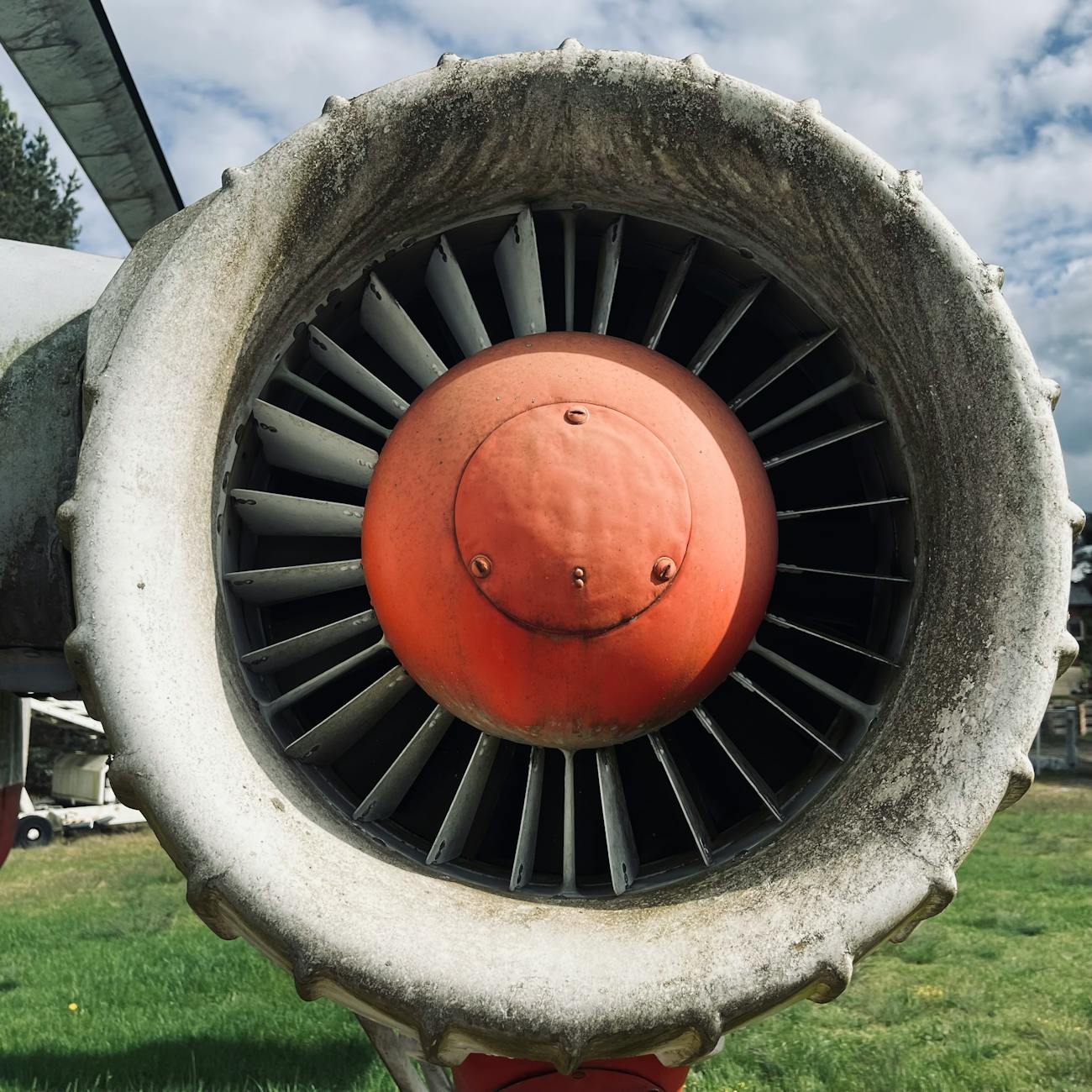
AI Decision Making in Aviation involves the utilization of artificial intelligence technologies to enhance decision-making processes within the aviation industry. This course, the Certificate in Advanced AI in Aviation, aims to equip professionals in the field with the necessary knowledge and skills to leverage AI for improved decision-making in various aviation operations.
Key Terms and Vocabulary:
1. Artificial Intelligence (AI): Artificial Intelligence refers to the simulation of human intelligence processes by machines, especially computer systems. In aviation, AI technology can be used to analyze data, make predictions, and automate tasks to improve decision-making.
2. Machine Learning (ML): Machine Learning is a subset of AI that enables systems to learn from data and make decisions without being explicitly programmed. ML algorithms can analyze large datasets to identify patterns and make predictions in aviation scenarios.
3. Deep Learning: Deep Learning is a subset of ML that uses neural networks with multiple layers to model complex patterns in data. Deep learning techniques are used in aviation for tasks such as image recognition, speech processing, and natural language understanding.
4. Decision Support Systems (DSS): Decision Support Systems are computer-based tools that assist decision-makers in analyzing information and evaluating alternatives. In aviation, DSS can help pilots, air traffic controllers, and maintenance crews make informed decisions based on real-time data.
5. Predictive Analytics: Predictive Analytics involves using statistical algorithms and machine learning techniques to analyze historical data and make predictions about future events. In aviation, predictive analytics can be used to forecast equipment failures, flight delays, and passenger demand.
6. Optimization: Optimization involves finding the best solution to a problem from a set of possible alternatives. In aviation, optimization techniques can be used to improve route planning, crew scheduling, and fuel efficiency.
7. Cognitive Computing: Cognitive Computing is a branch of AI that aims to simulate human thought processes, such as reasoning, learning, and problem-solving. Cognitive computing technologies can be used in aviation for tasks like natural language processing and sentiment analysis.
8. Autonomous Systems: Autonomous Systems are AI-powered systems that can operate independently without human intervention. In aviation, autonomous systems can be used for tasks like drone operations, autonomous vehicles, and unmanned aerial vehicles (UAVs).
9. Data Mining: Data Mining is the process of discovering patterns and relationships in large datasets. In aviation, data mining techniques can be used to extract valuable insights from flight data, maintenance records, and passenger information.
10. Natural Language Processing (NLP): Natural Language Processing is a branch of AI that enables computers to understand, interpret, and generate human language. In aviation, NLP can be used for tasks like voice recognition, chatbots, and language translation.
11. Reinforcement Learning: Reinforcement Learning is a type of machine learning that enables agents to learn through trial and error by receiving feedback from their actions. In aviation, reinforcement learning can be used to optimize air traffic control systems, flight operations, and maintenance procedures.
12. Sensor Fusion: Sensor Fusion is the process of combining data from multiple sensors to improve accuracy and reliability. In aviation, sensor fusion techniques can be used to integrate information from radar, lidar, cameras, and other sensors for situational awareness and decision-making.
13. Human Factors: Human Factors refer to the psychological, physiological, and ergonomic aspects of human performance in complex systems. In aviation, understanding human factors is essential for designing AI systems that support human decision-making and enhance safety.
14. Big Data: Big Data refers to large volumes of structured and unstructured data that cannot be processed using traditional data processing techniques. In aviation, big data analytics can be used to extract valuable insights from flight data, weather patterns, and maintenance records.
15. Risk Management: Risk Management involves identifying, assessing, and mitigating risks to ensure the safety and efficiency of aviation operations. AI technologies can be used to analyze risks in real time, predict potential hazards, and recommend preventive measures to minimize risks.
16. Ethical AI: Ethical AI refers to the responsible and transparent use of AI technologies to ensure fairness, accountability, and transparency. In aviation, ethical AI practices are essential to prevent bias, discrimination, and privacy violations in decision-making processes.
17. Explainable AI: Explainable AI is an approach to AI that enables users to understand how AI systems make decisions and provide transparent explanations for their actions. In aviation, explainable AI can help build trust and confidence in AI-powered decision-making systems.
18. Autonomous Decision Making: Autonomous Decision Making refers to the ability of AI systems to make decisions independently without human intervention. In aviation, autonomous decision-making systems can enhance operational efficiency, reduce human errors, and improve safety.
19. Simulation and Modeling: Simulation and Modeling involve creating virtual replicas of real-world scenarios to analyze and predict outcomes. In aviation, simulation and modeling techniques can be used to test AI algorithms, optimize flight routes, and simulate emergency situations.
20. Cybersecurity: Cybersecurity is the practice of protecting computer systems, networks, and data from cyber threats. In aviation, cybersecurity is crucial to safeguard AI systems from hacking, data breaches, and other security risks that could compromise decision-making processes.
By mastering the key terms and vocabulary related to AI Decision Making in Aviation, professionals can effectively apply AI technologies to enhance decision-making processes, improve operational efficiency, and ensure the safety and reliability of aviation operations. This knowledge will enable learners to navigate the complex and rapidly evolving landscape of AI in aviation and drive innovation in the industry.
Key takeaways
- This course, the Certificate in Advanced AI in Aviation, aims to equip professionals in the field with the necessary knowledge and skills to leverage AI for improved decision-making in various aviation operations.
- Artificial Intelligence (AI): Artificial Intelligence refers to the simulation of human intelligence processes by machines, especially computer systems.
- Machine Learning (ML): Machine Learning is a subset of AI that enables systems to learn from data and make decisions without being explicitly programmed.
- Deep learning techniques are used in aviation for tasks such as image recognition, speech processing, and natural language understanding.
- Decision Support Systems (DSS): Decision Support Systems are computer-based tools that assist decision-makers in analyzing information and evaluating alternatives.
- Predictive Analytics: Predictive Analytics involves using statistical algorithms and machine learning techniques to analyze historical data and make predictions about future events.
- Optimization: Optimization involves finding the best solution to a problem from a set of possible alternatives.