
Fashion Writing
Fashion Writing is a specialized form of journalism that focuses on the fashion industry, trends, designers, events, and various aspects of the fashion world. It involves writing articles, reviews, features, and other content related to fas…
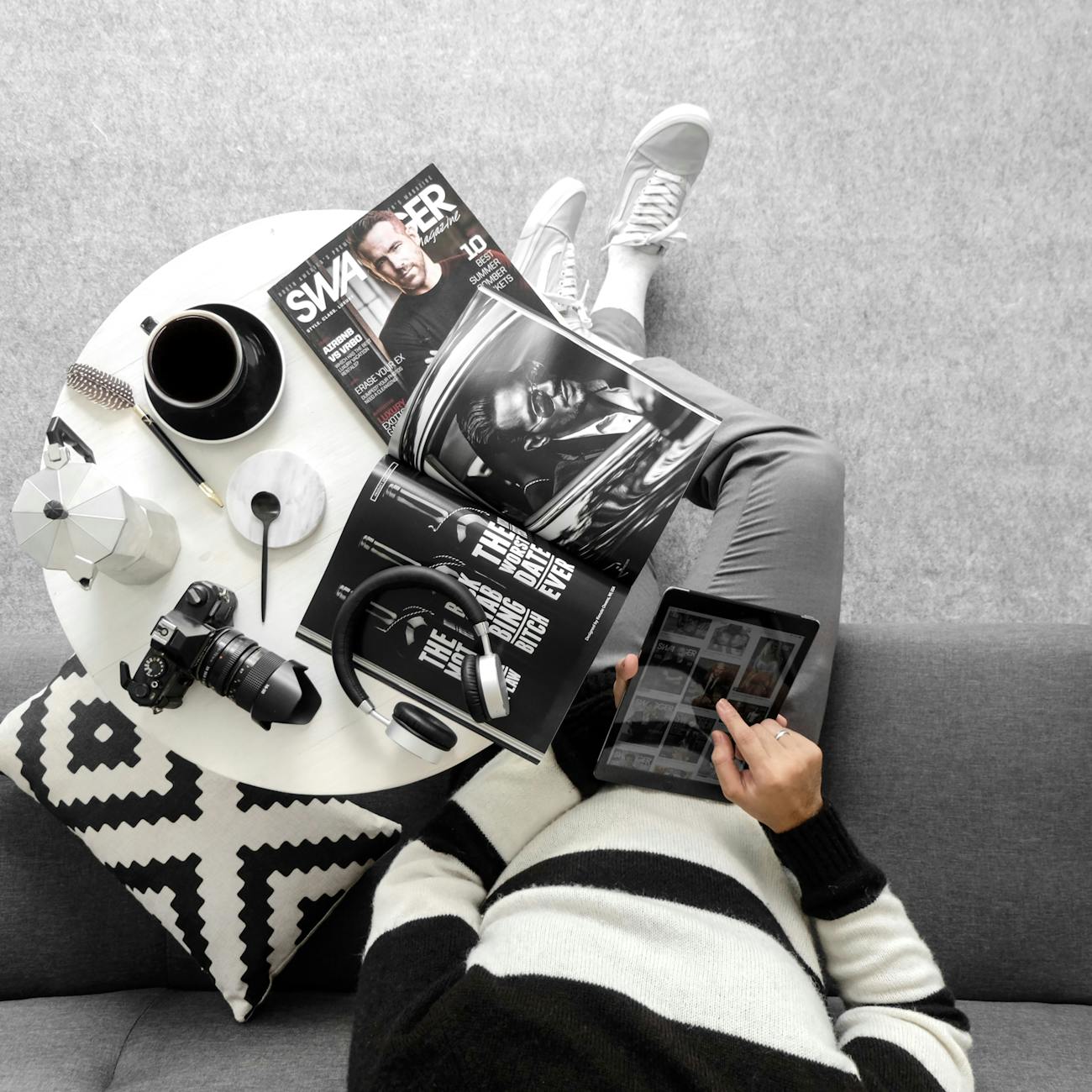
Fashion Writing is a specialized form of journalism that focuses on the fashion industry, trends, designers, events, and various aspects of the fashion world. It involves writing articles, reviews, features, and other content related to fashion for different platforms such as magazines, websites, blogs, and social media.
Key Terms and Vocabulary:
1. **Fashion Journalism**: Fashion journalism is the practice of reporting, writing, and editing news and feature articles about the fashion industry. It involves covering fashion shows, interviewing designers, analyzing trends, and providing insight into the world of fashion.
2. **Trends**: Trends refer to the prevailing style or preference in fashion at a particular time. Fashion writers often track and report on trends to keep readers informed about what is popular in the fashion world.
3. **Designers**: Designers are individuals or companies that create clothing, accessories, and other fashion items. Fashion writers often profile designers, review their collections, and report on their work.
4. **Collections**: Collections are groups of garments or accessories created by designers for a specific season or theme. Fashion writers attend fashion shows or view lookbooks to review and analyze collections.
5. **Runway Shows**: Runway shows are events where designers present their latest collections to buyers, press, and other industry professionals. Fashion writers attend runway shows to report on the designs, trends, and overall atmosphere of the event.
6. **Editorial**: Editorial refers to written content that expresses the opinions, perspectives, or insights of the author. Fashion writers often write editorials to share their thoughts on fashion trends, designers, or industry issues.
7. **Style Guide**: A style guide is a set of rules and guidelines for writing and formatting content in a consistent and cohesive manner. Fashion writers may follow a style guide to ensure their writing meets the standards of the publication or platform they are writing for.
8. **Pitch**: A pitch is a proposal or idea for a story or article that a writer submits to an editor for consideration. Fashion writers pitch ideas for articles, interviews, or features to editors at magazines, websites, or other publications.
9. **Byline**: A byline is the line at the beginning or end of an article that credits the writer for their work. Bylines are important for giving credit to the author and establishing their credibility as a fashion writer.
10. **Fashion Criticism**: Fashion criticism involves analyzing and evaluating fashion collections, trends, or events. Fashion writers may offer critiques of designers' work, fashion shows, or industry practices to provide insight and perspective for readers.
11. **Feature**: A feature is a longer, in-depth article that explores a specific topic or trend in detail. Features often include interviews, analysis, and research to provide readers with a comprehensive understanding of the subject.
12. **Profile**: A profile is an article that focuses on a specific individual, such as a designer, model, or industry professional. Fashion writers may profile key figures in the fashion world to provide readers with insight into their background, work, and influence.
13. **Press Release**: A press release is a written statement or announcement issued by a fashion brand, designer, or organization to the media. Fashion writers may receive press releases to gather information for articles or news stories.
14. **Ethical Fashion**: Ethical fashion refers to clothing and accessories that are produced in an environmentally and socially responsible manner. Fashion writers may cover ethical fashion brands, practices, and initiatives to raise awareness of sustainable fashion.
15. **Fashion Blogging**: Fashion blogging involves writing and publishing content about fashion on a personal blog or website. Fashion bloggers may share their personal style, review products, or report on fashion events to engage with a dedicated audience.
16. **Social Media**: Social media platforms such as Instagram, Twitter, and Facebook are important tools for fashion writers to share their work, connect with readers, and stay up-to-date on industry news and trends.
17. **SEO (Search Engine Optimization)**: SEO is the practice of optimizing online content to improve its visibility and ranking in search engine results. Fashion writers may use SEO techniques to attract more readers to their articles and increase their online presence.
18. **Influencer Marketing**: Influencer marketing involves collaborating with social media influencers to promote fashion brands or products. Fashion writers may work with influencers to create sponsored content or partnerships that reach a wider audience.
19. **Fashion PR (Public Relations)**: Fashion PR professionals are responsible for managing the public image and communication of fashion brands or designers. Fashion writers may work closely with PR professionals to access information, interviews, and exclusive content for their articles.
20. **Fashion Week**: Fashion Week is a series of events held in major cities around the world where designers showcase their latest collections to buyers, press, and industry insiders. Fashion writers cover Fashion Week events to report on the trends, designers, and highlights of the season.
21. **Fashion Illustration**: Fashion illustration is the art of drawing or painting fashion designs and concepts. Fashion writers may collaborate with illustrators to create visual content for articles, features, or social media posts.
22. **Fashion Photography**: Fashion photography involves capturing images of clothing, accessories, and models for editorial or commercial purposes. Fashion writers may work with photographers to produce visual content for their articles or features.
23. **Fashion Editor**: A fashion editor is a professional who oversees the fashion content of a publication or website. Fashion writers may work closely with fashion editors to pitch ideas, receive assignments, and collaborate on articles.
24. **Fashion Styling**: Fashion styling involves coordinating and selecting clothing and accessories for editorial shoots, fashion shows, or events. Fashion writers may work with stylists to create visually appealing content for their articles or features.
25. **Fashion Copywriting**: Fashion copywriting involves writing promotional or advertising content for fashion brands or retailers. Fashion writers may create product descriptions, marketing materials, or website copy to engage customers and drive sales.
26. **Fashion History**: Fashion history explores the evolution of clothing, styles, and trends throughout different time periods. Fashion writers may research and write about historical fashion movements, designers, or influences to provide context for current trends.
27. **Fashion Theory**: Fashion theory examines the cultural, social, and psychological aspects of fashion and clothing. Fashion writers may study fashion theory to explore the deeper meanings and implications of style, identity, and consumer behavior.
28. **Fashion Forecasting**: Fashion forecasting involves predicting upcoming trends, colors, and styles based on consumer behavior, market research, and industry insights. Fashion writers may analyze forecasting reports to identify emerging trends and opportunities for their articles.
29. **Fashion PR**: Fashion PR professionals are responsible for managing the public image and communication of fashion brands or designers. Fashion writers may work closely with PR professionals to access information, interviews, and exclusive content for their articles.
30. **Fashion Marketing**: Fashion marketing involves promoting and selling clothing, accessories, and fashion brands to consumers. Fashion writers may collaborate with marketing teams to create content that engages customers and drives sales.
31. **Fashion Retail**: Fashion retail refers to the buying and selling of clothing, accessories, and fashion items in physical stores or online. Fashion writers may cover retail trends, brands, and shopping experiences to provide readers with insights into the fashion industry.
32. **Fashion Show**: A fashion show is an event where designers present their latest collections to buyers, press, and industry professionals. Fashion writers attend fashion shows to review the designs, trends, and overall atmosphere of the event.
33. **Fashion Magazine**: Fashion magazines are publications that focus on clothing, accessories, beauty, and style. Fashion writers may contribute articles, reviews, or features to fashion magazines to reach a wider audience of fashion enthusiasts.
34. **Fashion Website**: Fashion websites are online platforms that provide news, reviews, and features about the fashion industry. Fashion writers may write articles, blogs, or editorials for fashion websites to engage with readers and share their expertise.
35. **Fashion Blog**: A fashion blog is a personal website or platform where individuals share their thoughts, style, and insights on fashion. Fashion writers may create fashion blogs to showcase their work, connect with readers, and build their personal brand.
36. **Fashion Influencer**: A fashion influencer is an individual who has a strong presence on social media and influences the purchasing decisions of their followers. Fashion writers may collaborate with influencers to create sponsored content or partnerships that reach a wider audience.
37. **Fashion Industry**: The fashion industry encompasses the design, production, marketing, and selling of clothing, accessories, and fashion items. Fashion writers play a crucial role in reporting on industry news, trends, and developments for their audience.
38. **Fashion Trend**: A fashion trend is a popular style or preference in clothing, accessories, or beauty that is adopted by a large number of people. Fashion writers track and report on trends to keep readers informed about the latest styles and influences in fashion.
39. **Fashion Designer**: A fashion designer is an individual or company that creates clothing, accessories, or fashion items. Fashion writers often profile designers, review their collections, and report on their work to provide insight and analysis for readers.
40. **Fashion Blogger**: A fashion blogger is an individual who writes and publishes content about fashion on a personal blog or website. Fashion bloggers may share their personal style, review products, or report on fashion events to engage with a dedicated audience.
By understanding and using these key terms and vocabulary related to Fashion Writing, aspiring fashion journalists and writers can enhance their knowledge, skills, and expertise in the dynamic and creative world of fashion journalism.
Key takeaways
- It involves writing articles, reviews, features, and other content related to fashion for different platforms such as magazines, websites, blogs, and social media.
- **Fashion Journalism**: Fashion journalism is the practice of reporting, writing, and editing news and feature articles about the fashion industry.
- Fashion writers often track and report on trends to keep readers informed about what is popular in the fashion world.
- **Designers**: Designers are individuals or companies that create clothing, accessories, and other fashion items.
- **Collections**: Collections are groups of garments or accessories created by designers for a specific season or theme.
- **Runway Shows**: Runway shows are events where designers present their latest collections to buyers, press, and other industry professionals.
- **Editorial**: Editorial refers to written content that expresses the opinions, perspectives, or insights of the author.