
Embalming Techniques
Embalmers play a critical role in the funeral industry, preparing deceased individuals for their final resting place. Embalming techniques involve the preservation and presentation of the deceased, ensuring dignity and respect in the proces…
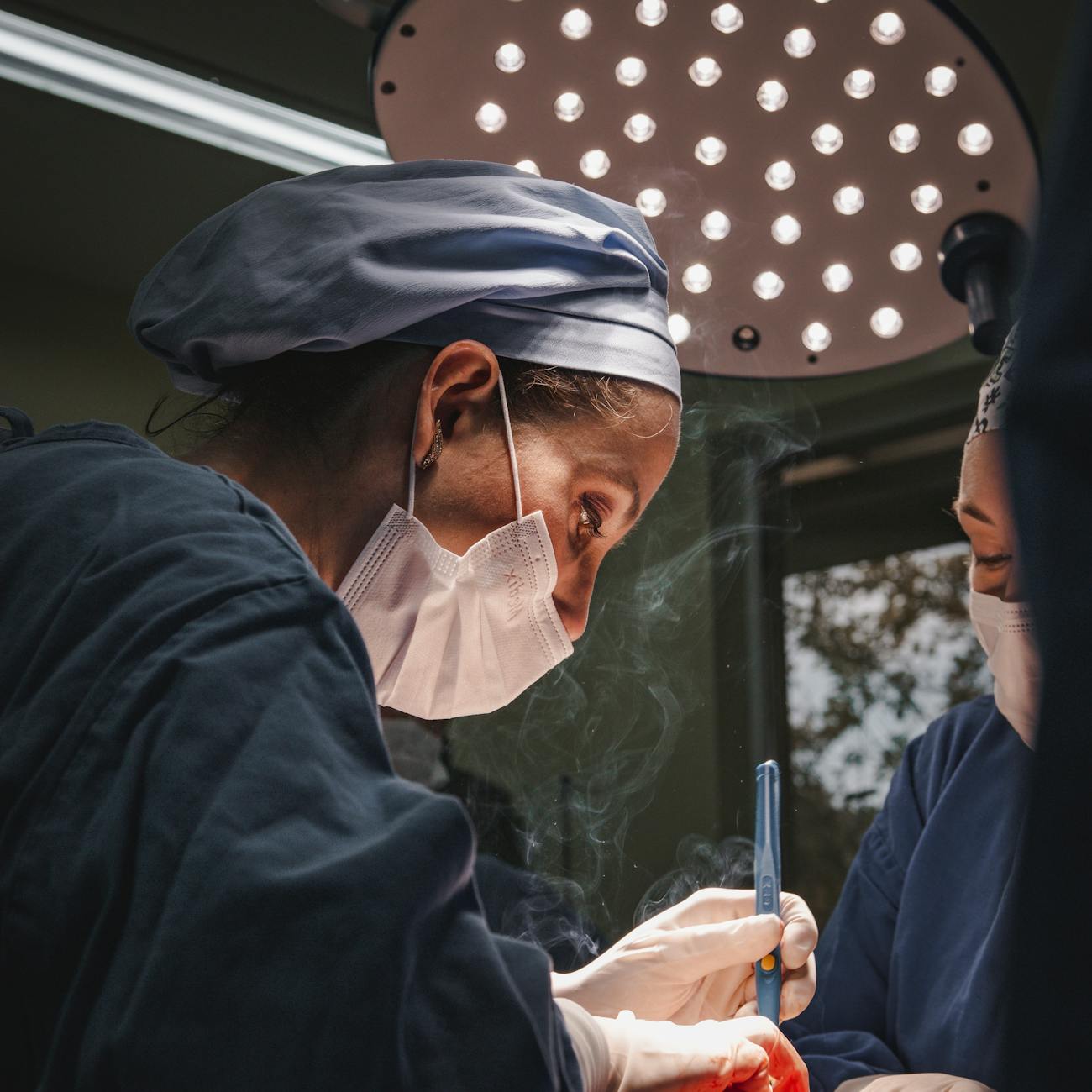
Embalmers play a critical role in the funeral industry, preparing deceased individuals for their final resting place. Embalming techniques involve the preservation and presentation of the deceased, ensuring dignity and respect in the process. This professional certificate in Mortuary Science equips students with the necessary knowledge and skills to excel in this important field. To succeed in this course, it is essential to understand key terms and vocabulary related to embalming techniques.
Let's delve into some of the essential terms you will encounter in your studies:
1. **Embalming**: Embalming is the process of preserving a deceased body through the use of chemicals to delay decomposition. This practice helps maintain the body's appearance for viewing purposes.
2. **Arterial Embalming**: Arterial embalming is the most common method of embalming, involving the injection of embalming fluid into the body's arterial system to replace blood and preserve tissues.
3. **Cavity Embalming**: Cavity embalming involves the injection of embalming fluid into body cavities, such as the abdominal and thoracic cavities, to preserve internal organs.
4. **Restorative Art**: Restorative art is the practice of restoring the natural appearance of a deceased individual through cosmetic techniques, prosthetics, and other methods.
5. **Autopsy**: An autopsy is a postmortem examination of a body to determine the cause of death. Embalmers may need to work with autopsied bodies to prepare them for viewing.
6. **Desairology**: Desairology is the practice of styling and arranging a deceased individual's hair for viewing. This skill is essential for creating a natural and dignified appearance.
7. **Preservation**: Preservation involves the use of embalming chemicals to slow down the body's decomposition process, allowing for a longer viewing period.
8. **Decomposition**: Decomposition is the natural breakdown of organic matter after death. Embalming helps delay this process and maintain the body's appearance.
9. **Hazardous Materials**: Embalmers work with hazardous materials such as embalming fluids, which require proper handling and disposal to ensure safety.
10. **Injection Sites**: Injection sites are specific locations on the body where embalming fluid is injected, such as the carotid artery, femoral artery, and brachial artery.
11. **Drainage Sites**: Drainage sites are areas where blood and bodily fluids are removed from the body during the embalming process, such as the jugular vein and femoral vein.
12. **Suture Techniques**: Suture techniques are used to close incisions made during the embalming process, ensuring a natural appearance and preventing leakage of fluids.
13. **Tissue Gas**: Tissue gas is a byproduct of decomposition that can cause bloating and discoloration of the body. Proper embalming techniques help prevent the formation of tissue gas.
14. **Preservative Chemicals**: Preservative chemicals are substances used in embalming fluids to halt decomposition and preserve the body's tissues.
15. **Cavity Fluids**: Cavity fluids are specially formulated embalming fluids designed for injection into body cavities to preserve internal organs.
16. **Surface Embalming**: Surface embalming involves the application of embalming chemicals directly onto the skin to preserve and disinfect the body's surface.
17. **Hypodermic Embalming**: Hypodermic embalming is a technique where embalming fluid is injected directly into specific areas of tissue using a hypodermic needle.
18. **Embalming Instruments**: Embalming instruments are tools used by embalmers to perform embalming procedures, such as arterial tubes, trocars, and embalming forceps.
19. **Embalming Table**: An embalming table is a specialized surface used for preparing and embalming bodies, equipped with drainage systems and adjustable height settings.
20. **Embalming Room**: An embalming room is a dedicated space in a funeral home or mortuary where embalming procedures are performed, equipped with proper ventilation and drainage systems.
21. **Embalming Report**: An embalming report is a detailed document that records the embalming process, including the chemicals used, injection sites, and any observations made during the procedure.
22. **Post-Embalming Care**: Post-embalming care involves dressing, cosmetizing, and casketing the deceased individual for viewing, ensuring a dignified presentation.
23. **Infection Control**: Infection control practices are crucial in embalming to prevent the spread of infectious diseases from deceased individuals to embalmers and funeral home staff.
24. **Personal Protective Equipment (PPE)**: PPE includes items such as gloves, masks, and gowns worn by embalmers to protect themselves from exposure to chemicals and bodily fluids during embalming procedures.
25. **Chemical Safety**: Chemical safety protocols are essential to ensure the proper handling, storage, and disposal of embalming chemicals to prevent accidents and exposure risks.
26. **Anatomical Embalming**: Anatomical embalming is a specialized technique used in medical schools and research facilities to preserve bodies for educational purposes.
27. **Embalming Theory**: Embalming theory encompasses the principles and techniques behind the embalming process, including fluid distribution, tissue preservation, and restoration.
28. **Embalming Ethics**: Embalming ethics involve the ethical considerations and responsibilities embalmers have towards the deceased individual, their families, and the profession.
29. **Embalming Laws and Regulations**: Embalming laws and regulations govern the practice of embalming, including licensing requirements, handling of human remains, and transportation regulations.
30. **Embalming Challenges**: Embalming poses various challenges, such as dealing with complex cases, time constraints, and emotional demands, requiring embalmers to demonstrate adaptability and professionalism.
By familiarizing yourself with these key terms and concepts, you will be better prepared to navigate the intricate world of embalming techniques. Remember to apply your knowledge practically, seek guidance from experienced professionals, and continuously enhance your skills to excel in this rewarding profession.
Key takeaways
- This professional certificate in Mortuary Science equips students with the necessary knowledge and skills to excel in this important field.
- **Embalming**: Embalming is the process of preserving a deceased body through the use of chemicals to delay decomposition.
- **Arterial Embalming**: Arterial embalming is the most common method of embalming, involving the injection of embalming fluid into the body's arterial system to replace blood and preserve tissues.
- **Cavity Embalming**: Cavity embalming involves the injection of embalming fluid into body cavities, such as the abdominal and thoracic cavities, to preserve internal organs.
- **Restorative Art**: Restorative art is the practice of restoring the natural appearance of a deceased individual through cosmetic techniques, prosthetics, and other methods.
- **Autopsy**: An autopsy is a postmortem examination of a body to determine the cause of death.
- **Desairology**: Desairology is the practice of styling and arranging a deceased individual's hair for viewing.