
Virtual Reality in Dental Education
Virtual Reality (VR) in dental education is a cutting-edge technology that has revolutionized the way oral surgery is taught and practiced. This innovative tool offers a simulated environment where students can interact with virtual patient…
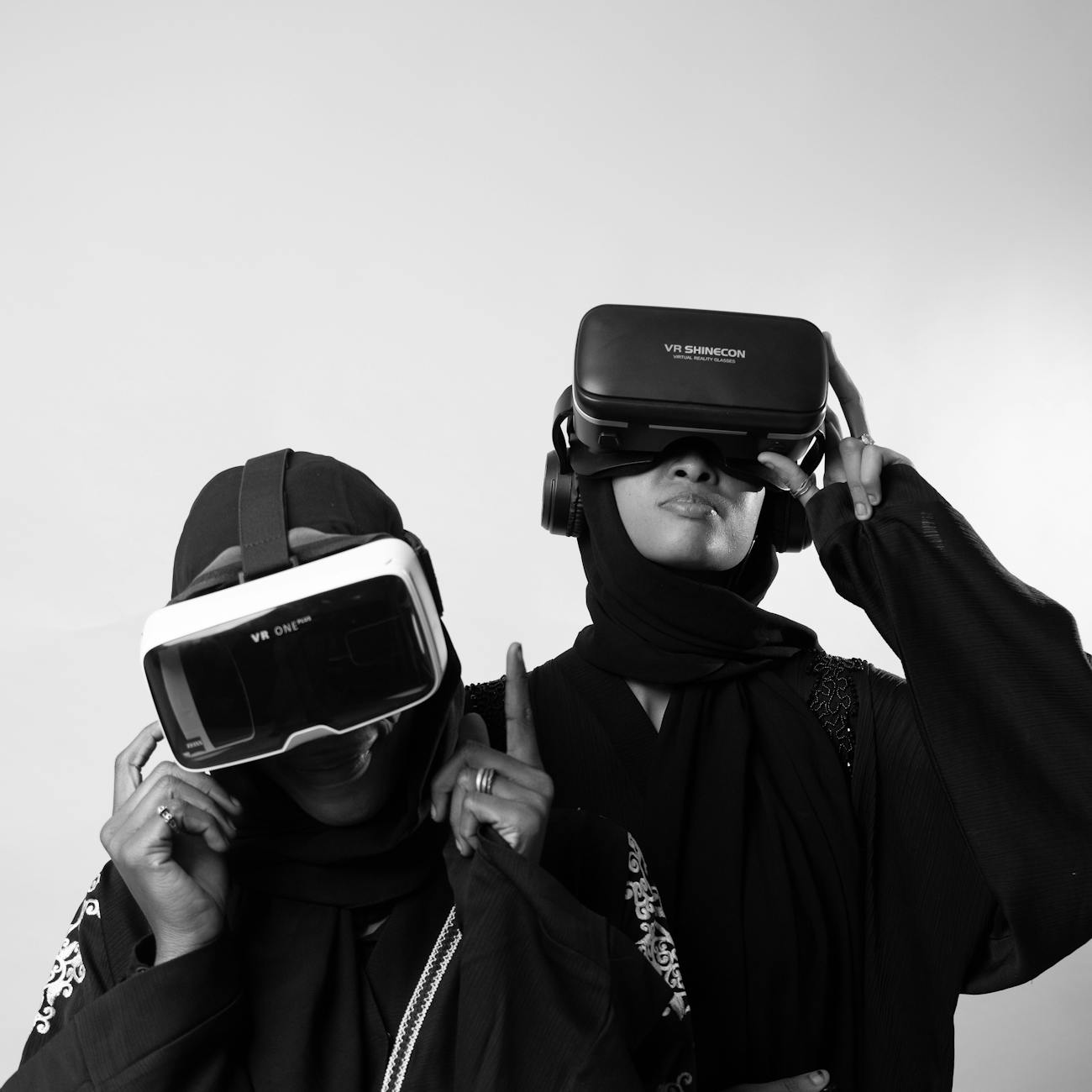
Virtual Reality (VR) in dental education is a cutting-edge technology that has revolutionized the way oral surgery is taught and practiced. This innovative tool offers a simulated environment where students can interact with virtual patients, explore oral anatomy, practice procedures, and enhance their skills in a safe and controlled setting. As part of the Postgraduate Certificate in AI Innovations in Oral Surgery, it is crucial to understand the key terms and vocabulary associated with VR in dental education to fully grasp its implications and potential benefits.
1. **Virtual Reality (VR)**: Virtual Reality refers to a computer-generated environment that simulates physical presence in a real or imagined world. In dental education, VR technology creates immersive experiences that allow students to practice various procedures and scenarios in a realistic and interactive virtual setting.
2. **Immersive Learning**: Immersive learning involves creating a highly engaging and interactive experience for learners through VR technology. By immersing students in a realistic virtual environment, they can enhance their understanding, retention, and application of knowledge in dental education.
3. **Simulation**: Simulation in VR dental education involves replicating real-life scenarios and procedures in a virtual environment. This allows students to practice and refine their skills without the risk or cost associated with performing procedures on actual patients.
4. **Haptic Feedback**: Haptic feedback refers to the sense of touch experienced by users when interacting with virtual objects in a VR environment. This tactile feedback enhances the realism of simulations and helps users develop a sense of proprioception during dental procedures.
5. **Interactive 3D Models**: Interactive 3D models in VR dental education allow students to explore and manipulate virtual representations of oral anatomy. These models provide a detailed view of teeth, gums, nerves, and other structures, enabling students to study and understand complex anatomical relationships.
6. **Real-time Feedback**: Real-time feedback in VR dental education provides immediate responses to students' actions and decisions during simulations. This instant feedback helps learners identify errors, correct mistakes, and improve their skills in a timely manner.
7. **Virtual Patients**: Virtual patients are computer-generated avatars or simulations that represent individuals with various dental conditions or pathologies. Interacting with virtual patients allows students to practice diagnosis, treatment planning, and communication skills in a controlled and realistic environment.
8. **Surgical Simulations**: Surgical simulations in VR dental education involve practicing complex oral surgery procedures, such as extractions, implant placements, and bone grafting, in a virtual setting. These simulations help students develop surgical skills, spatial awareness, and decision-making abilities.
9. **Collaborative Learning**: Collaborative learning in VR dental education enables students to work together in a virtual environment, sharing knowledge, skills, and experiences. This collaborative approach fosters teamwork, communication, and problem-solving abilities among learners.
10. **Gamification**: Gamification involves incorporating game elements, such as challenges, rewards, and competition, into educational activities. In VR dental education, gamification can enhance student engagement, motivation, and learning outcomes by making learning more interactive and enjoyable.
11. **Adaptive Learning**: Adaptive learning in VR dental education refers to personalized instruction that adjusts to individual students' needs, preferences, and performance. By analyzing students' interactions and progress, adaptive learning systems can tailor educational content and activities to optimize learning outcomes.
12. **Data Analytics**: Data analytics in VR dental education involves collecting, analyzing, and interpreting student performance data to measure learning progress, identify patterns, and improve educational outcomes. By leveraging data analytics, educators can make informed decisions and enhance the effectiveness of teaching strategies.
13. **Virtual Reality Headset**: A virtual reality headset is a wearable device that provides visual and auditory stimuli to users, immersing them in a virtual environment. These headsets typically include displays, sensors, and headphones to deliver a realistic and interactive VR experience.
14. **Motion Tracking**: Motion tracking technology in VR dental education enables the capture and analysis of users' movements and gestures in a virtual environment. By tracking hand movements, head rotations, and body positions, motion tracking systems enhance the realism and interactivity of VR simulations.
15. **Teleconsultation**: Teleconsultation in VR dental education allows students to engage in remote consultations with instructors, experts, or peers using virtual collaboration tools. This virtual communication enables real-time feedback, guidance, and support for students practicing dental procedures in a simulated environment.
16. **Ethical Considerations**: Ethical considerations in VR dental education involve addressing issues related to patient privacy, informed consent, data security, and professional conduct. Educators and students must adhere to ethical guidelines and standards to ensure the responsible use of VR technology in teaching and learning.
17. **Accessibility**: Accessibility in VR dental education refers to ensuring that all students, including those with disabilities or special needs, can participate in virtual learning experiences. Educators should consider accessibility features, such as audio descriptions, subtitles, and adaptive controllers, to accommodate diverse learners.
18. **Cost-effectiveness**: Cost-effectiveness in VR dental education involves evaluating the financial investment required to implement and maintain VR technology for teaching and learning purposes. Educators should consider the long-term benefits and outcomes of using VR in dental education to justify the costs and resources involved.
19. **User Experience (UX)**: User experience in VR dental education focuses on the overall satisfaction and engagement of students interacting with virtual environments and simulations. By enhancing the UX design of VR applications, educators can create intuitive, immersive, and enjoyable learning experiences for learners.
20. **Challenges and Limitations**: Despite the potential benefits of VR in dental education, there are several challenges and limitations to consider. These may include technical issues, content development constraints, user adaptation difficulties, and faculty training requirements. Addressing these challenges is essential to maximize the effectiveness and impact of VR technology in teaching and learning.
In conclusion, understanding the key terms and vocabulary associated with Virtual Reality in dental education is crucial for students pursuing the Postgraduate Certificate in AI Innovations in Oral Surgery. By familiarizing themselves with these concepts, learners can explore the potential applications, benefits, challenges, and ethical considerations of using VR technology to enhance their skills and knowledge in oral surgery. Embracing the innovative possibilities of VR in dental education can revolutionize the way students learn, practice, and excel in the field of oral surgery.
Key takeaways
- As part of the Postgraduate Certificate in AI Innovations in Oral Surgery, it is crucial to understand the key terms and vocabulary associated with VR in dental education to fully grasp its implications and potential benefits.
- In dental education, VR technology creates immersive experiences that allow students to practice various procedures and scenarios in a realistic and interactive virtual setting.
- By immersing students in a realistic virtual environment, they can enhance their understanding, retention, and application of knowledge in dental education.
- This allows students to practice and refine their skills without the risk or cost associated with performing procedures on actual patients.
- **Haptic Feedback**: Haptic feedback refers to the sense of touch experienced by users when interacting with virtual objects in a VR environment.
- These models provide a detailed view of teeth, gums, nerves, and other structures, enabling students to study and understand complex anatomical relationships.
- **Real-time Feedback**: Real-time feedback in VR dental education provides immediate responses to students' actions and decisions during simulations.