
Culinary Traditions
Culinary Traditions encompass a wide range of practices, beliefs, customs, and rituals related to food preparation and consumption that have been passed down through generations. These traditions are deeply rooted in cultural heritage and p…
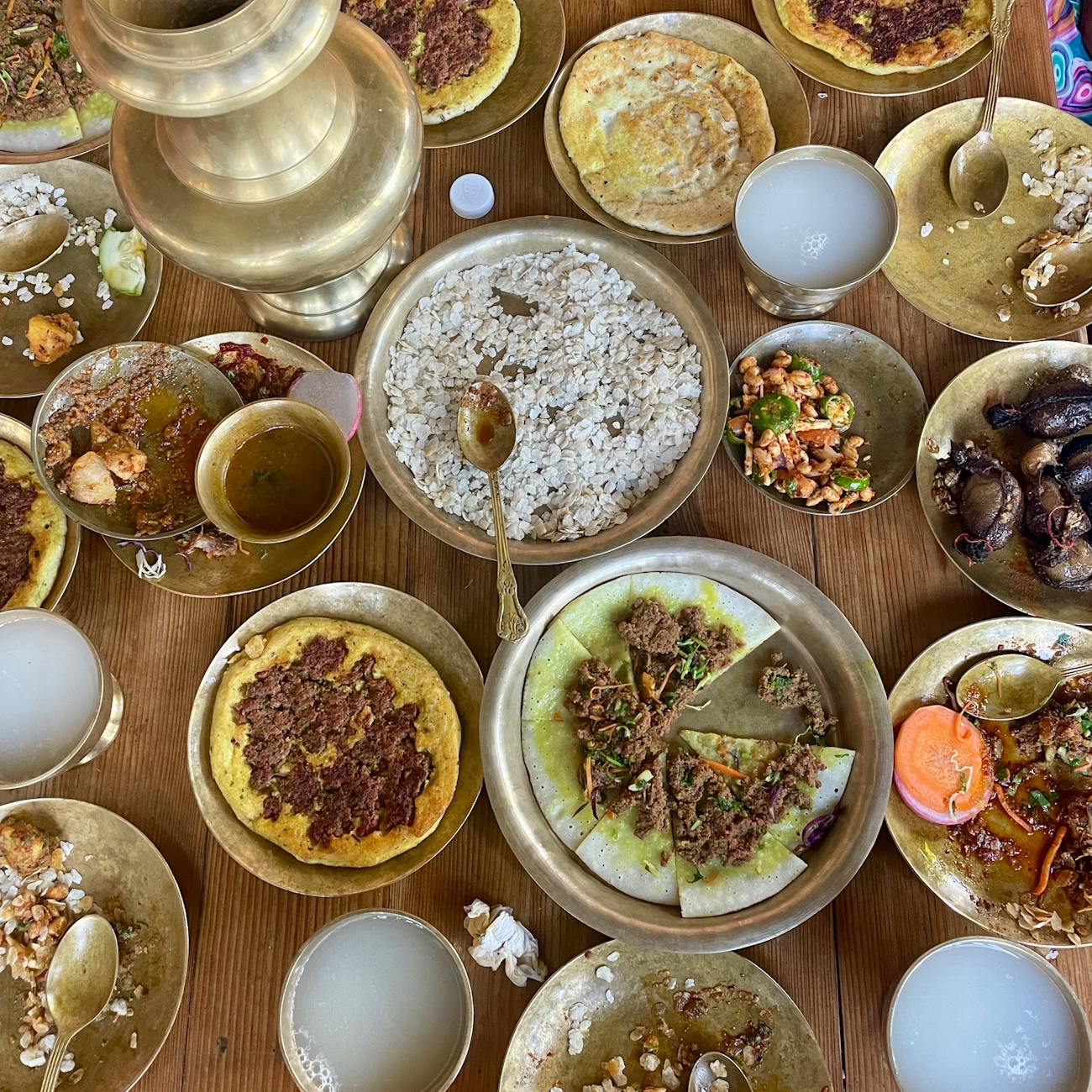
Culinary Traditions encompass a wide range of practices, beliefs, customs, and rituals related to food preparation and consumption that have been passed down through generations. These traditions are deeply rooted in cultural heritage and play a significant role in shaping a society's identity and values. Understanding culinary traditions is essential for food anthropologists and culinary historians as they provide valuable insights into the social, economic, political, and environmental factors that influence food choices and eating habits.
**Key Terms and Vocabulary:**
1. **Food Anthropology**: Food anthropology is a subfield of anthropology that focuses on the study of food and eating practices in different cultures. It explores how food shapes social relationships, identities, and power dynamics within a society.
2. **Culinary History**: Culinary history examines the historical development of food and culinary practices. It looks at how food has evolved over time and how it has been influenced by cultural exchanges, trade, migration, and technological advancements.
3. **Cultural Heritage**: Cultural heritage refers to the traditions, customs, beliefs, rituals, and artifacts that are passed down from generation to generation within a society. Culinary traditions are an important part of cultural heritage and help to preserve a community's identity.
4. **Foodways**: Foodways refer to the cultural, social, and economic practices surrounding the production, preparation, and consumption of food. It includes food rituals, taboos, etiquette, and culinary techniques that are specific to a particular culture or region.
5. **Gastronomy**: Gastronomy is the study of the relationship between food and culture. It examines how food is produced, prepared, and consumed, as well as its symbolic meanings and social functions within a society.
6. **Traditional Cuisine**: Traditional cuisine refers to the culinary practices and dishes that are characteristic of a specific region or culture. It often reflects the local ingredients, cooking methods, and cultural influences that have shaped the food over time.
7. **Food Rituals**: Food rituals are symbolic actions or ceremonies related to food that have cultural or religious significance. These rituals often mark special occasions, such as weddings, funerals, or religious festivals, and serve to strengthen social bonds within a community.
8. **Local Ingredients**: Local ingredients are food items that are sourced from a specific region or area. They are often used in traditional cuisine to reflect the unique flavors and characteristics of the local environment.
9. **Seasonality**: Seasonality refers to the availability of certain foods during specific times of the year. Traditional cuisines often incorporate seasonal ingredients to make the most of the local harvest and to ensure freshness and quality in dishes.
10. **Food Taboos**: Food taboos are social or cultural restrictions on certain foods or ingredients. These taboos are often based on religious beliefs, superstitions, or health concerns and vary widely across different cultures.
11. **Food Sovereignty**: Food sovereignty is the right of people to control their own food systems, including production, distribution, and consumption. It emphasizes the importance of local food traditions, sustainable agriculture, and community self-reliance.
12. **Culinary Fusion**: Culinary fusion is the blending of different culinary traditions and ingredients to create new and innovative dishes. It often results from cultural exchange, globalization, and migration, leading to the creation of fusion cuisine.
13. **Slow Food Movement**: The Slow Food Movement is a global grassroots organization that promotes local, sustainable, and traditional food practices. It advocates for the preservation of culinary traditions, biodiversity, and small-scale food production.
14. **Food Heritage Preservation**: Food heritage preservation involves the documentation, conservation, and promotion of traditional culinary practices and dishes. It aims to safeguard cultural knowledge and culinary skills for future generations.
15. **Food Tourism**: Food tourism involves traveling to different destinations to experience local cuisines, food markets, and culinary traditions. It allows tourists to immerse themselves in the food culture of a region and explore its unique flavors and traditions.
**Practical Applications:**
1. **Research**: Food anthropologists and culinary historians conduct research to study the origins, evolution, and significance of culinary traditions. They analyze historical documents, conduct fieldwork, and interview local communities to gain insights into food practices.
2. **Culinary Education**: Culinary schools and institutions offer courses on food anthropology and culinary history to educate aspiring chefs and food professionals about the cultural significance of food. Understanding culinary traditions can help chefs create authentic and culturally relevant dishes.
3. **Food Tourism**: Food tourism operators design culinary tours and experiences that showcase local food traditions and cuisines. These tours allow travelers to learn about the history, ingredients, and cooking techniques of a region while sampling traditional dishes.
4. **Community Engagement**: Local communities can organize food festivals, workshops, and cooking classes to celebrate and preserve their culinary heritage. These events provide opportunities for people to learn about traditional foods, share recipes, and pass on culinary knowledge to younger generations.
**Challenges:**
1. **Globalization**: The increasing influence of global food trends and mass food production can threaten traditional culinary practices and local food systems. It may lead to the loss of biodiversity, cultural homogenization, and the erosion of food traditions.
2. **Climate Change**: Environmental changes, such as extreme weather events, droughts, and soil degradation, can impact the availability of local ingredients and traditional food sources. Climate change poses a threat to food security and sustainability, affecting traditional cuisines and foodways.
3. **Cultural Appropriation**: The commercialization and commodification of traditional foods and culinary practices can lead to cultural appropriation and misrepresentation. It is essential to respect the cultural origins and meanings of food traditions and to give credit to the communities that have preserved them.
4. **Food Insecurity**: Inequities in access to nutritious and culturally appropriate foods can contribute to food insecurity and malnutrition in communities that rely on traditional diets. Addressing food insecurity requires supporting local food systems, preserving food traditions, and promoting food sovereignty.
In conclusion, Culinary Traditions are a vital aspect of cultural identity, heritage, and community resilience. By studying and preserving traditional culinary practices, we can honor the diversity of food cultures, support sustainable food systems, and celebrate the rich flavors and stories that make food a universal language of connection and belonging.
Key takeaways
- Understanding culinary traditions is essential for food anthropologists and culinary historians as they provide valuable insights into the social, economic, political, and environmental factors that influence food choices and eating habits.
- **Food Anthropology**: Food anthropology is a subfield of anthropology that focuses on the study of food and eating practices in different cultures.
- It looks at how food has evolved over time and how it has been influenced by cultural exchanges, trade, migration, and technological advancements.
- **Cultural Heritage**: Cultural heritage refers to the traditions, customs, beliefs, rituals, and artifacts that are passed down from generation to generation within a society.
- **Foodways**: Foodways refer to the cultural, social, and economic practices surrounding the production, preparation, and consumption of food.
- It examines how food is produced, prepared, and consumed, as well as its symbolic meanings and social functions within a society.
- **Traditional Cuisine**: Traditional cuisine refers to the culinary practices and dishes that are characteristic of a specific region or culture.