
Geriatric Rehabilitation Strategies
Geriatric rehabilitation strategies are essential in physical therapy to address the unique needs of older adults. As individuals age, they may experience a decline in physical function, mobility, and overall quality of life. This course, P…
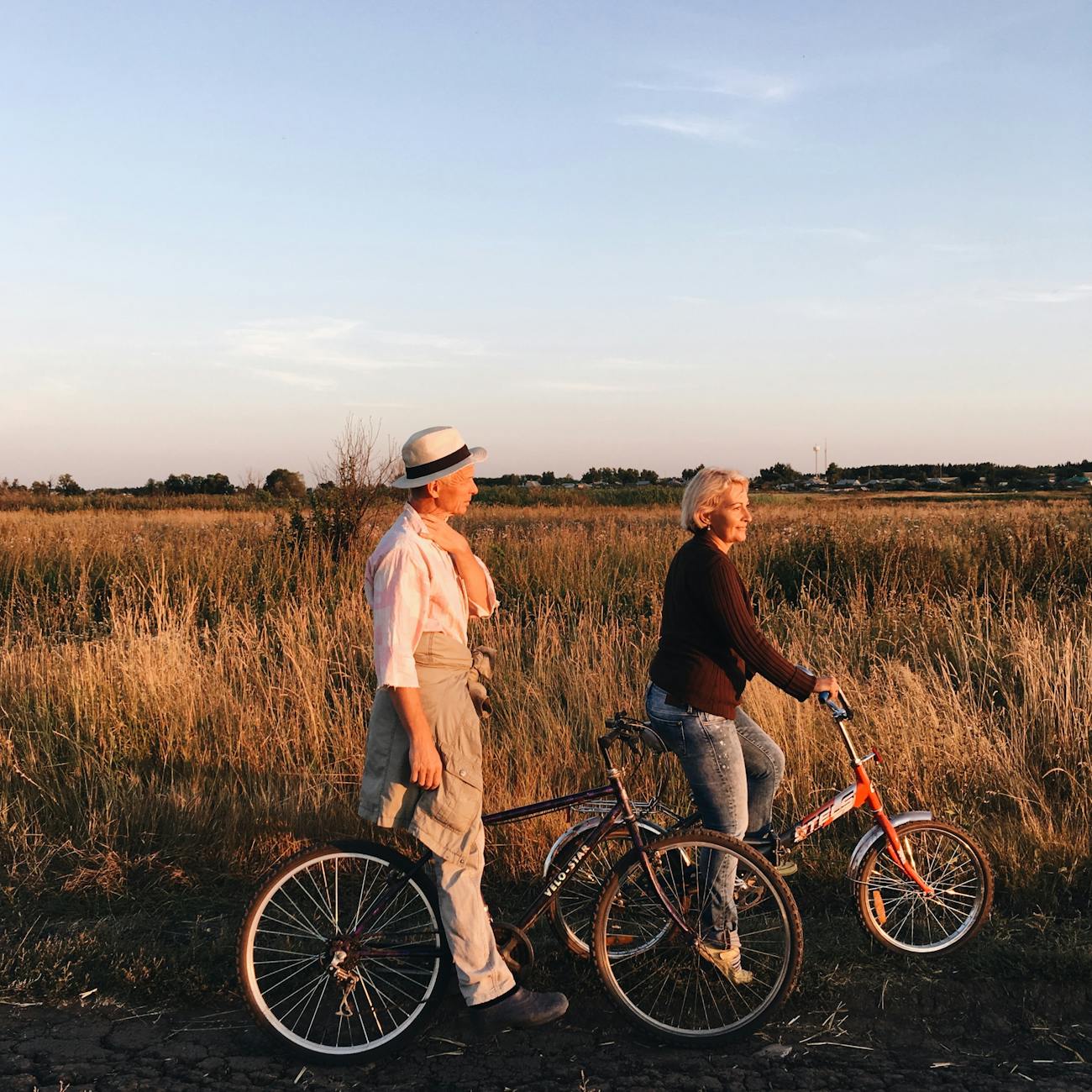
Geriatric rehabilitation strategies are essential in physical therapy to address the unique needs of older adults. As individuals age, they may experience a decline in physical function, mobility, and overall quality of life. This course, Professional Certificate in Physical Therapy Techniques, focuses on equipping healthcare professionals with the knowledge and skills necessary to provide effective rehabilitation interventions for the geriatric population.
Key Terms and Definitions:
1. Geriatric Rehabilitation: The process of restoring or maintaining functional ability in older adults through physical therapy interventions.
2. Functional Decline: The gradual loss of physical abilities, such as strength, balance, and coordination, that can impact a person's ability to perform daily activities.
3. Mobility: The ability to move freely and easily, including activities such as walking, climbing stairs, and getting in and out of chairs.
4. Activities of Daily Living (ADLs): Basic self-care tasks, such as bathing, dressing, grooming, eating, and toileting, that are essential for independent living.
5. Instrumental Activities of Daily Living (IADLs): More complex tasks, such as meal preparation, housekeeping, managing medications, and handling finances, that support independent living.
6. Frailty: A state of increased vulnerability to stressors due to decreased physiological reserves, leading to a higher risk of adverse health outcomes.
7. Sarcopenia: Age-related loss of muscle mass and strength, which can contribute to functional decline and increased risk of falls.
8. Osteoporosis: A condition characterized by decreased bone density and increased risk of fractures, often associated with aging.
9. Polypharmacy: The use of multiple medications by an individual, which can lead to drug interactions, adverse effects, and decreased functional ability.
10. Multidisciplinary Team: A group of healthcare professionals from different disciplines, such as physical therapists, occupational therapists, and physicians, who work together to provide comprehensive care for older adults.
Principles of Geriatric Rehabilitation:
1. Person-Centered Care: Tailoring rehabilitation interventions to meet the individual needs, goals, and preferences of older adults.
2. Comprehensive Assessment: Conducting a thorough evaluation of physical function, medical history, cognitive status, and social support to develop an effective rehabilitation plan.
3. Evidence-Based Practice: Using research and clinical expertise to guide decision-making and select the most appropriate interventions for each patient.
4. Functional Training: Incorporating exercises and activities that mimic real-life tasks to improve mobility, strength, and independence in daily activities.
5. Fall Prevention: Implementing strategies to reduce the risk of falls, such as balance exercises, home modifications, and medication review.
6. Pain Management: Addressing musculoskeletal pain and discomfort through modalities such as manual therapy, exercise, and education.
7. Cognitive Rehabilitation: Providing interventions to address memory, attention, and executive function deficits that may impact a person's ability to participate in rehabilitation.
8. Psychosocial Support: Recognizing the emotional and social needs of older adults and incorporating strategies to promote mental well-being and social engagement.
Challenges in Geriatric Rehabilitation:
1. Comorbidities: Older adults often have multiple chronic conditions, which can complicate the rehabilitation process and require a coordinated approach to care.
2. Cognitive Impairment: Dementia and other cognitive disorders can affect a person's ability to participate in therapy and follow instructions, necessitating adaptations in treatment.
3. Functional Decline: Addressing the gradual loss of physical abilities in older adults requires patience, persistence, and a focus on achievable goals.
4. Caregiver Involvement: Engaging family members and caregivers in the rehabilitation process can be essential for supporting the older adult's progress and maintaining continuity of care.
5. Access to Services: Limited availability of geriatric rehabilitation programs and resources in certain communities can pose barriers to older adults seeking care.
Practical Applications of Geriatric Rehabilitation Strategies:
1. Strengthening Exercises: Implementing resistance training programs to improve muscle strength and function in older adults, focusing on major muscle groups such as the quadriceps, glutes, and core.
2. Balance Training: Incorporating exercises to enhance balance and stability, such as standing on one leg, walking heel-to-toe, and performing dynamic movements on unstable surfaces.
3. Gait Training: Addressing abnormalities in walking patterns through exercises to improve stride length, step height, and overall gait mechanics.
4. Home Exercise Programs: Providing older adults with personalized routines to continue their rehabilitation outside of formal therapy sessions, promoting adherence and long-term benefits.
5. Environmental Modifications: Assessing the home environment for safety hazards and recommending changes such as grab bars, non-slip mats, and proper lighting to prevent falls.
6. Assistive Devices: Prescribing mobility aids such as canes, walkers, and wheelchairs to support older adults with mobility limitations and promote independence.
7. Pain Management Techniques: Utilizing modalities such as heat, ice, massage, and therapeutic exercises to alleviate musculoskeletal pain and improve functional outcomes.
In conclusion, geriatric rehabilitation strategies play a vital role in helping older adults maintain or improve their physical function, independence, and quality of life. By understanding key terms, principles, challenges, and practical applications in this field, healthcare professionals can effectively address the unique needs of the aging population and promote successful outcomes in rehabilitation.
Key takeaways
- This course, Professional Certificate in Physical Therapy Techniques, focuses on equipping healthcare professionals with the knowledge and skills necessary to provide effective rehabilitation interventions for the geriatric population.
- Geriatric Rehabilitation: The process of restoring or maintaining functional ability in older adults through physical therapy interventions.
- Functional Decline: The gradual loss of physical abilities, such as strength, balance, and coordination, that can impact a person's ability to perform daily activities.
- Mobility: The ability to move freely and easily, including activities such as walking, climbing stairs, and getting in and out of chairs.
- Activities of Daily Living (ADLs): Basic self-care tasks, such as bathing, dressing, grooming, eating, and toileting, that are essential for independent living.
- Instrumental Activities of Daily Living (IADLs): More complex tasks, such as meal preparation, housekeeping, managing medications, and handling finances, that support independent living.
- Frailty: A state of increased vulnerability to stressors due to decreased physiological reserves, leading to a higher risk of adverse health outcomes.