
Port Operations and Logistics
Port Operations and Logistics play a crucial role in the efficient and safe movement of vessels in and out of ports around the world. Understanding key terms and vocabulary in this field is essential for professionals working in Vessel Traf…
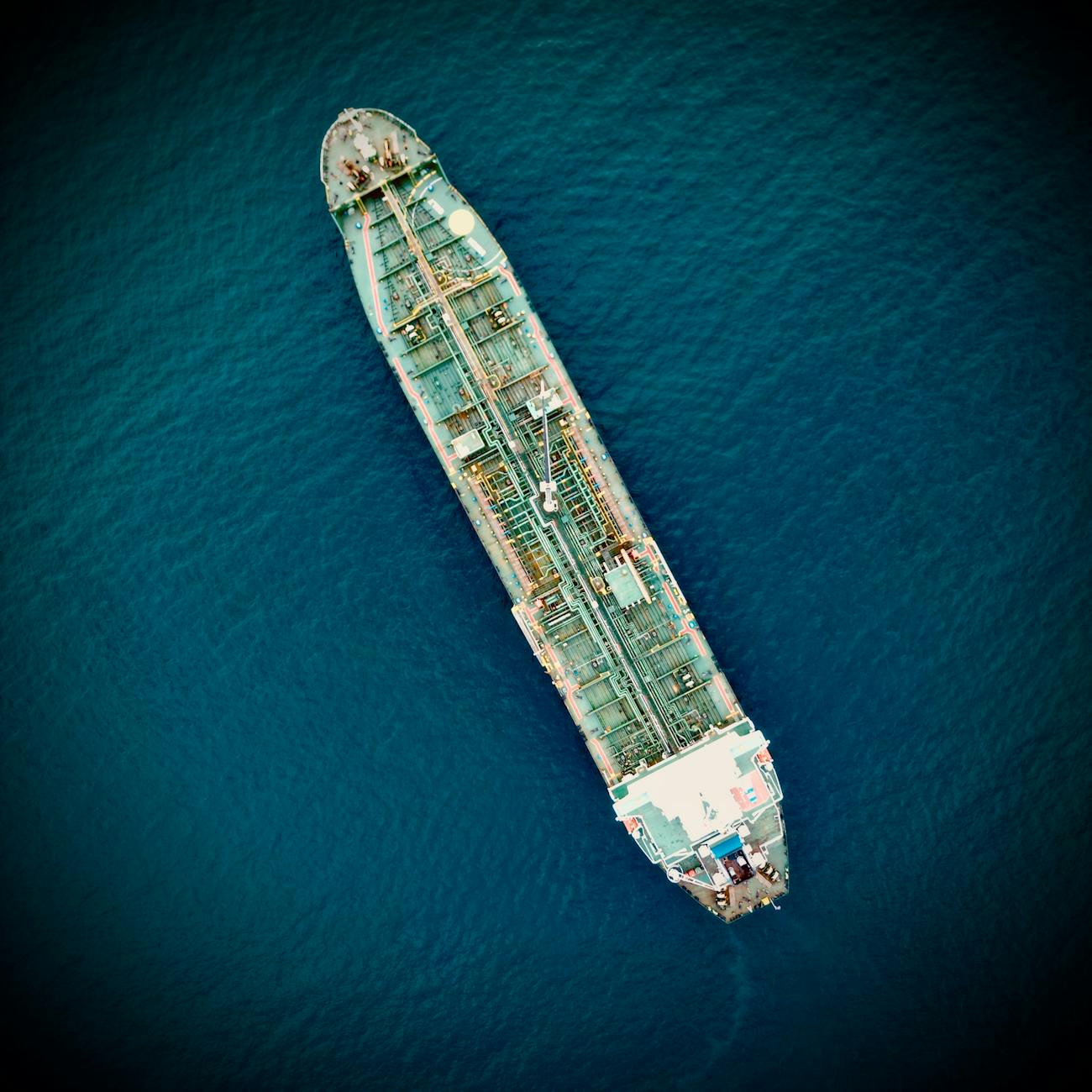
Port Operations and Logistics play a crucial role in the efficient and safe movement of vessels in and out of ports around the world. Understanding key terms and vocabulary in this field is essential for professionals working in Vessel Traffic Services to ensure smooth operations and compliance with regulations. Below are some of the key terms and concepts that are commonly used in Port Operations and Logistics:
1. **Port**: A place on the coast where ships can load and unload cargo, take on supplies, or embark and disembark passengers.
2. **Terminal**: A facility within a port where vessels are loaded, unloaded, and serviced. Terminals can be specialized for different types of cargo, such as container terminals, bulk terminals, or passenger terminals.
3. **Berth**: A designated location at a terminal where a vessel can moor to load or unload cargo.
4. **Quay**: A structure built along the edge of a body of water where vessels can be moored for loading and unloading.
5. **Wharf**: A structure built parallel to the shoreline for vessels to dock and load or unload cargo.
6. **Cargo Handling Equipment**: Machinery and equipment used to load, unload, and transport cargo within a port, such as cranes, forklifts, and conveyor belts.
7. **Containerization**: The process of packing goods into standardized shipping containers for efficient handling and transportation.
8. **Intermodal Transportation**: The movement of goods using multiple modes of transportation, such as ships, trucks, and trains.
9. **Transshipment**: The transfer of cargo from one vessel to another at a port or terminal.
10. **Stowage**: The arrangement of cargo on a vessel to ensure stability, safety, and efficient loading and unloading.
11. **Draught**: The vertical distance between the waterline and the bottom of a vessel's hull. It determines the maximum depth of water a vessel can safely navigate.
12. **Tidal Range**: The difference in height between high tide and low tide at a given location. Tidal range affects vessel access to ports and terminals.
13. **Pilotage**: The service provided by a pilot to safely navigate a vessel through restricted or unfamiliar waters, such as harbors and channels.
14. **Tugboat**: A small, powerful vessel used to assist larger vessels in maneuvering in and out of ports and terminals.
15. **Bunker Fuel**: The fuel used to power vessels, typically heavy fuel oil or marine diesel oil.
16. **Ballast Water**: Water taken on board by a vessel to maintain stability and compensate for changes in cargo load. Ballast water can contain organisms that may pose environmental risks if released in a different region.
17. **Port State Control**: The inspection and enforcement of international regulations on vessels visiting ports to ensure compliance with safety, security, and environmental standards.
18. **Customs Clearance**: The process of declaring and verifying the contents of a vessel's cargo to comply with customs regulations before entering or leaving a port.
19. **Cargo Manifest**: A document listing the details of a vessel's cargo, including descriptions, quantities, and destinations.
20. **Bill of Lading**: A legal document issued by the carrier to the shipper as a receipt for the goods being transported and as evidence of the contract of carriage.
21. **Free On Board (FOB)**: A shipping term indicating that the seller is responsible for delivering the goods to the port of departure, after which the buyer assumes responsibility.
22. **Demurrage**: Charges imposed on a vessel for exceeding the agreed-upon time for loading or unloading cargo at a terminal.
23. **Pilot Boarding Ground**: A designated area outside a port where pilots board and disembark from vessels.
24. **Vessel Traffic Service (VTS)**: A system that monitors and manages vessel traffic to ensure safe and efficient navigation in busy waterways and ports.
25. **Automatic Identification System (AIS)**: A tracking system that uses transponders on vessels to broadcast their position, speed, and other information to other vessels and shore stations.
26. **Vessel Movement Reporting System**: A system for vessels to report their movements, intentions, and cargo information to port authorities for monitoring and coordination.
27. **Port Security**: Measures and procedures implemented to protect ports, vessels, and cargo from security threats, such as terrorism, piracy, and smuggling.
28. **Maritime Labour Convention (MLC)**: An international treaty that sets minimum standards for working and living conditions for seafarers on board vessels.
29. **International Ship and Port Facility Security (ISPS) Code**: A set of regulations established by the International Maritime Organization (IMO) to enhance maritime security at ports and on vessels.
30. **Incident Command System (ICS)**: A standardized emergency management system used to coordinate and manage response efforts during maritime incidents, such as accidents, oil spills, or security threats.
31. **Emergency Response Plan (ERP)**: A documented procedure outlining the actions to be taken in case of emergencies, such as fires, collisions, or pollution incidents.
32. **Pollution Prevention Equipment**: Devices and systems installed on vessels to prevent or mitigate pollution of the marine environment, such as oil booms, bilge water separators, and waste management systems.
33. **Port Reception Facilities**: Facilities at ports for the reception, storage, and disposal of ship-generated waste, such as oil, garbage, and sewage.
34. **Maritime Domain Awareness (MDA)**: The understanding of everything that happens at sea, including vessel movements, environmental conditions, and maritime security threats, to support decision-making and response activities.
35. **Risk Assessment**: The process of identifying, analyzing, and evaluating potential hazards and risks in port operations to implement appropriate mitigation measures.
36. **Port Master Plan**: A strategic document outlining the development goals, infrastructure projects, and operational improvements for a port over a specified period.
37. **Port Community System (PCS)**: An electronic platform that connects port stakeholders, such as shipping lines, terminal operators, customs authorities, and freight forwarders, to streamline communication and information exchange.
38. **Supply Chain Management**: The coordination and integration of activities across the supply chain, from raw material sourcing to final product delivery, to maximize efficiency and customer satisfaction.
39. **Just-In-Time (JIT) Delivery**: A strategy in supply chain management where goods are delivered immediately before they are needed to minimize inventory costs and storage space.
40. **Port Efficiency**: The effectiveness and productivity of port operations in terms of vessel turnaround times, cargo handling capacity, and cost-effectiveness.
41. **Port Congestion**: The situation where the demand for port services exceeds the available capacity, leading to delays, inefficiencies, and increased costs for shippers and carriers.
42. **Port Automation**: The use of technology, such as robotics, artificial intelligence, and data analytics, to streamline and optimize port operations, improve safety, and reduce human error.
43. **Environmental Sustainability**: The practice of minimizing negative impacts on the environment through eco-friendly initiatives, such as reducing emissions, conserving energy, and protecting marine ecosystems.
44. **Port Resilience**: The ability of a port to withstand and recover from disruptions, such as natural disasters, cyber-attacks, or supply chain disruptions, to maintain operations and services.
45. **Marine Spatial Planning**: The process of organizing and regulating human activities in marine areas to balance economic development, environmental protection, and social needs.
46. **Port Connectivity**: The accessibility and connectivity of a port to transportation networks, such as roads, railways, and waterways, to facilitate the movement of goods and people.
47. **Bulk Cargo**: Unpackaged cargo, such as coal, grain, or oil, that is transported in large quantities without individual packaging.
48. **Breakbulk Cargo**: Cargo that is loaded individually onto a vessel and not containerized, such as machinery, equipment, or project cargo.
49. **Roll-On/Roll-Off (Ro-Ro)**: A method of loading and unloading vessels where cargo is driven or towed on and off the ship on wheels, such as cars, trucks, and trailers.
50. **Lay-Up**: The temporary removal of a vessel from service, often due to market conditions, overcapacity, or maintenance needs.
In conclusion, mastering the key terms and concepts in Port Operations and Logistics is essential for professionals working in Vessel Traffic Services to ensure the safe, efficient, and sustainable movement of vessels in and out of ports. By understanding these terms and their implications for port operations, professionals can effectively manage vessel traffic, compliance with regulations, and emergency response efforts to support the maritime industry's growth and development.
Key takeaways
- Understanding key terms and vocabulary in this field is essential for professionals working in Vessel Traffic Services to ensure smooth operations and compliance with regulations.
- **Port**: A place on the coast where ships can load and unload cargo, take on supplies, or embark and disembark passengers.
- Terminals can be specialized for different types of cargo, such as container terminals, bulk terminals, or passenger terminals.
- **Berth**: A designated location at a terminal where a vessel can moor to load or unload cargo.
- **Quay**: A structure built along the edge of a body of water where vessels can be moored for loading and unloading.
- **Wharf**: A structure built parallel to the shoreline for vessels to dock and load or unload cargo.
- **Cargo Handling Equipment**: Machinery and equipment used to load, unload, and transport cargo within a port, such as cranes, forklifts, and conveyor belts.