
Subsea Instrumentation and Control
Subsea Instrumentation and Control: Subsea instrumentation and control refer to the systems and technologies used for monitoring and managing subsea operations, such as oil and gas production, underwater mining, and environmental monitoring…
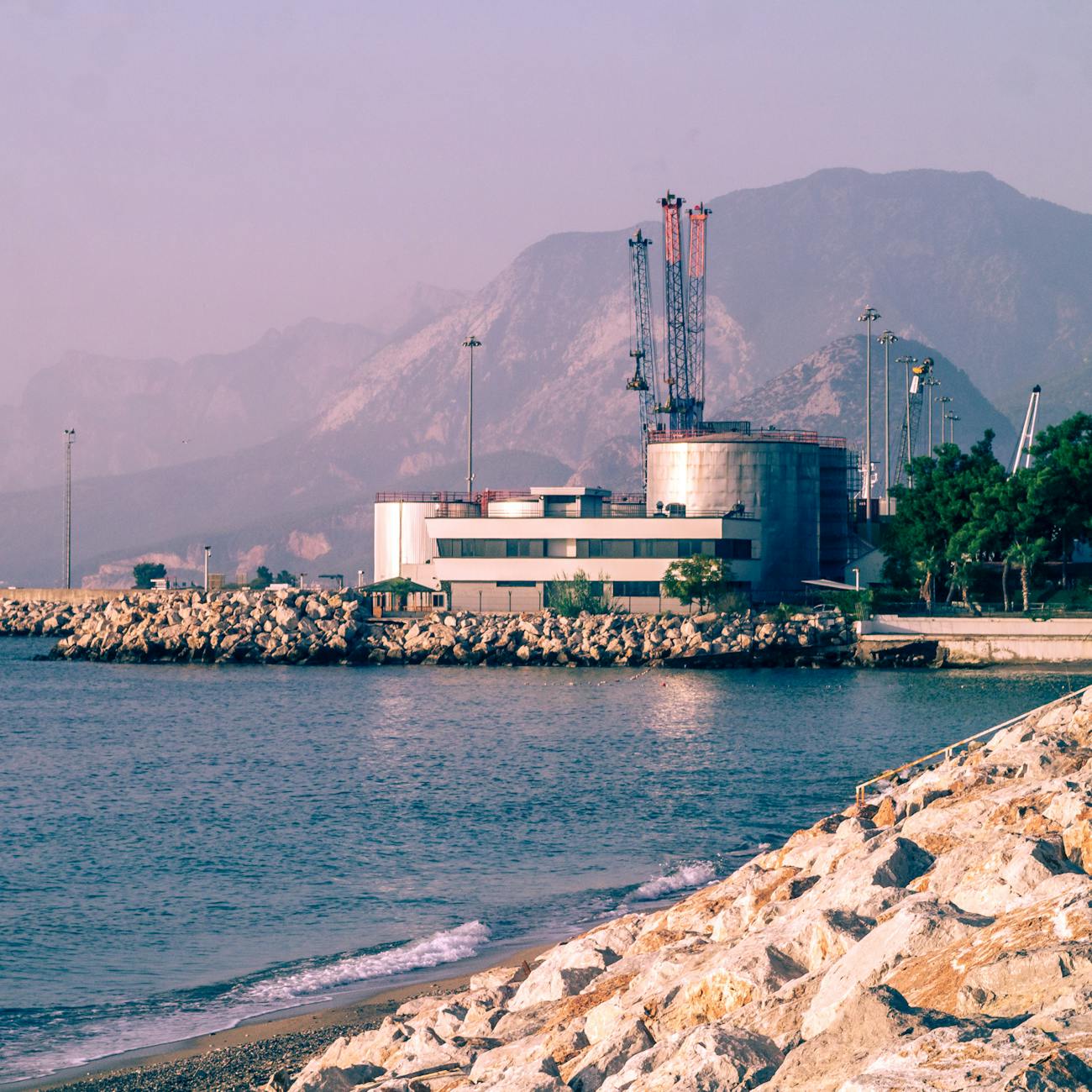
Subsea Instrumentation and Control: Subsea instrumentation and control refer to the systems and technologies used for monitoring and managing subsea operations, such as oil and gas production, underwater mining, and environmental monitoring. These systems play a crucial role in ensuring the safe and efficient operation of subsea equipment and processes.
Hydraulic Control System: A hydraulic control system is a type of control system that uses hydraulic fluid to transmit power and control signals. It is commonly used in subsea applications where electrical systems may be impractical due to the harsh operating conditions. Hydraulic control systems are often used to operate valves, actuators, and other components in subsea equipment.
Electrical Control System: An electrical control system uses electrical signals to control the operation of subsea equipment. Electrical control systems are commonly used in subsea applications where precision control and feedback are required. These systems are often used in conjunction with hydraulic systems to provide a comprehensive control solution for subsea operations.
Subsea Control Module (SCM): A subsea control module is a compact, self-contained unit that houses the control electronics and software for subsea equipment. SCMs are typically installed on the seabed or on subsea structures and are used to control valves, sensors, and other components remotely from the surface.
Umbilical: An umbilical is a cable or bundle of cables used to provide power, communication, and control signals between subsea equipment and the surface. Umbilicals are essential for connecting subsea control systems to topside facilities and enabling remote monitoring and operation of subsea equipment.
Remote Operated Vehicle (ROV): An ROV is a submersible vehicle that is operated remotely from the surface. ROVs are commonly used in subsea operations for tasks such as inspection, maintenance, and intervention. ROVs are equipped with cameras, sensors, and manipulator arms to perform a wide range of tasks in challenging subsea environments.
Subsea Control System: A subsea control system is a set of interconnected components that are used to monitor and control subsea equipment. These systems typically include sensors, actuators, control modules, umbilicals, and communication interfaces. Subsea control systems are designed to operate in harsh subsea environments and ensure the safe and efficient operation of subsea equipment.
Actuator: An actuator is a device that is used to control the movement or position of a component in a subsea system. Actuators can be hydraulic, pneumatic, or electric and are used to operate valves, choke points, and other components in subsea equipment. Actuators play a crucial role in ensuring the proper functioning of subsea control systems.
Valve: A valve is a device that is used to control the flow of fluids in a subsea system. Valves are essential components of subsea control systems and are used to regulate the flow of oil, gas, water, and other fluids in subsea pipelines and equipment. Valves can be operated manually or remotely using hydraulic, pneumatic, or electric actuators.
Pressure Sensor: A pressure sensor is a device that measures the pressure of a fluid in a subsea system. Pressure sensors are used to monitor the pressure levels in subsea pipelines, wellheads, and other equipment. Pressure sensors play a critical role in ensuring the safety and efficiency of subsea operations by providing real-time data on pressure changes.
Temperature Sensor: A temperature sensor is a device that measures the temperature of a fluid or component in a subsea system. Temperature sensors are used to monitor the temperature levels in subsea pipelines, wellheads, and other equipment. Temperature sensors help prevent overheating or freezing of subsea equipment and ensure the safe operation of subsea systems.
Flow Meter: A flow meter is a device that measures the flow rate of a fluid in a subsea system. Flow meters are used to monitor the flow of oil, gas, water, and other fluids in subsea pipelines and equipment. Flow meters provide valuable data on fluid flow rates and help operators optimize the performance of subsea systems.
Subsea Control Panel: A subsea control panel is a housing that contains the control electronics and interface for subsea equipment. Subsea control panels are typically installed on subsea structures and provide operators with a centralized control interface for monitoring and controlling subsea systems. Control panels are designed to withstand the harsh subsea environment and ensure reliable operation of subsea equipment.
Subsea Control Umbilical Termination Assembly (SUTA): An SUTA is a termination point for subsea control umbilicals that provides a connection interface between the umbilical and subsea equipment. SUTAs are typically installed on subsea structures and provide a secure and reliable connection for power, communication, and control signals between topside facilities and subsea equipment.
Subsea Control Room: A subsea control room is a dedicated facility on the surface where operators monitor and control subsea operations. Subsea control rooms are equipped with communication systems, monitoring displays, and control interfaces to enable real-time monitoring and operation of subsea equipment. Control rooms play a crucial role in ensuring the safe and efficient operation of subsea systems.
Communication Interface: A communication interface is a system that enables data exchange between subsea equipment and topside facilities. Communication interfaces can be wired or wireless and are used to transmit control signals, sensor data, and other information between subsea systems and control centers. Communication interfaces play a critical role in enabling remote monitoring and operation of subsea equipment.
Subsea Control Strategy: A subsea control strategy is a set of rules and algorithms that govern the operation of subsea control systems. Control strategies define how sensors, actuators, and other components are used to monitor and control subsea equipment. Control strategies are designed to optimize the performance of subsea systems and ensure safe and efficient operation.
Fail-Safe System: A fail-safe system is a system that is designed to automatically switch to a safe state in the event of a failure or malfunction. Fail-safe systems are commonly used in subsea control systems to ensure the safety of subsea operations in case of equipment failure. Fail-safe systems are designed to minimize the risk of accidents and protect personnel and the environment.
Subsea Control Software: Subsea control software is a set of programs and algorithms that run on subsea control modules to monitor and control subsea equipment. Control software is used to implement control strategies, process sensor data, and send commands to actuators and valves. Subsea control software plays a critical role in ensuring the safe and efficient operation of subsea systems.
Subsea Control Architecture: A subsea control architecture is the overall design and layout of subsea control systems, including the arrangement of sensors, actuators, control modules, and communication interfaces. Control architectures define how subsea equipment is interconnected and controlled to ensure the proper functioning of subsea systems. Control architectures are designed to optimize the performance and reliability of subsea operations.
Subsea Control Network: A subsea control network is a network of interconnected devices that are used to monitor and control subsea equipment. Control networks can be wired or wireless and are used to transmit data and commands between subsea systems and control centers. Subsea control networks play a crucial role in enabling remote monitoring and operation of subsea equipment.
Subsea Control Challenges: Subsea control systems face several challenges, including harsh environmental conditions, high pressures, and temperatures, limited access for maintenance and intervention, and the need for reliable communication and power supply. Overcoming these challenges requires advanced technologies, robust design, and careful planning to ensure the safe and efficient operation of subsea equipment.
Subsea Control Solutions: To address the challenges of subsea control systems, engineers and operators develop innovative solutions such as smart sensors, autonomous control algorithms, redundant systems, and remote monitoring capabilities. These solutions help improve the performance, reliability, and safety of subsea operations and enable operators to maximize production and minimize downtime.
Subsea Control Standards: Subsea control systems are subject to international standards and regulations that govern their design, installation, and operation. Standards such as API 17F, ISO 13628, and NORSOK define the requirements for subsea control systems to ensure their safety, reliability, and compliance with industry best practices. Adhering to these standards is essential for the successful deployment and operation of subsea control systems.
Subsea Control Maintenance: Regular maintenance and inspection are essential for ensuring the proper functioning of subsea control systems. Maintenance activities include testing sensors, calibrating actuators, checking communication interfaces, and monitoring system performance. Proper maintenance helps prevent equipment failures, optimize system performance, and extend the lifespan of subsea control systems.
Subsea Control Integration: Subsea control systems are often integrated with other subsea equipment such as wellheads, manifolds, and pipelines to form a comprehensive subsea production system. Integration involves connecting control systems to sensors, valves, and other components to enable seamless operation and monitoring of subsea equipment. Subsea control integration is essential for optimizing production efficiency and ensuring the safe operation of subsea systems.
Subsea Control Monitoring: Continuous monitoring of subsea control systems is essential for detecting potential issues, optimizing performance, and ensuring the safety of subsea operations. Monitoring activities involve collecting data from sensors, analyzing system performance, and identifying any anomalies or deviations from normal operation. Subsea control monitoring helps operators make informed decisions and take corrective actions to maintain the reliability and efficiency of subsea systems.
Subsea Control Optimization: Optimizing subsea control systems involves improving system performance, reducing operational costs, and enhancing safety and reliability. Optimization activities include tuning control algorithms, upgrading sensors and actuators, implementing predictive maintenance strategies, and integrating new technologies to enhance system capabilities. Subsea control optimization aims to maximize production efficiency and minimize downtime while ensuring the safe operation of subsea equipment.
Key takeaways
- These systems play a crucial role in ensuring the safe and efficient operation of subsea equipment and processes.
- Hydraulic Control System: A hydraulic control system is a type of control system that uses hydraulic fluid to transmit power and control signals.
- These systems are often used in conjunction with hydraulic systems to provide a comprehensive control solution for subsea operations.
- Subsea Control Module (SCM): A subsea control module is a compact, self-contained unit that houses the control electronics and software for subsea equipment.
- Umbilical: An umbilical is a cable or bundle of cables used to provide power, communication, and control signals between subsea equipment and the surface.
- ROVs are equipped with cameras, sensors, and manipulator arms to perform a wide range of tasks in challenging subsea environments.
- Subsea Control System: A subsea control system is a set of interconnected components that are used to monitor and control subsea equipment.