
Assessment and Diagnosis of Orofacial Pain
Assessment and Diagnosis of Orofacial Pain
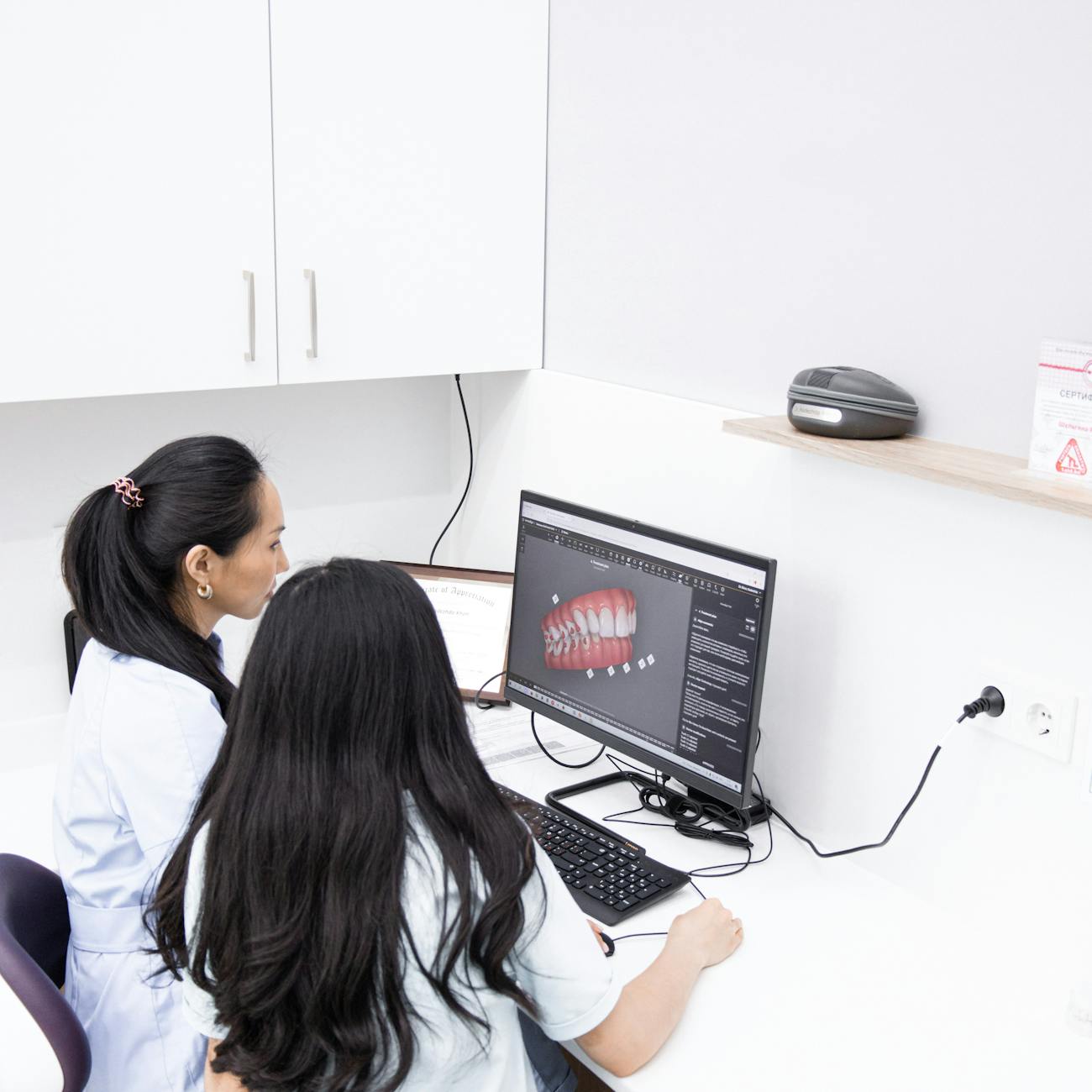
Assessment and Diagnosis of Orofacial Pain
Orofacial pain is a complex and multifaceted condition that can be challenging to diagnose and manage effectively. Assessment and diagnosis are crucial steps in developing an appropriate treatment plan for patients experiencing orofacial pain. This course aims to equip healthcare professionals with the necessary knowledge and skills to accurately assess and diagnose orofacial pain, leading to improved patient outcomes and quality of life.
Key Terms and Vocabulary
1. Orofacial Pain: Pain that is localized to the region of the face, jaws, or mouth. It can be due to a variety of causes, including dental problems, temporomandibular joint disorders, and neuropathic conditions.
2. Assessment: The process of gathering information about a patient's symptoms, medical history, and physical examination findings to determine the cause of their orofacial pain.
3. Diagnosis: The identification of the underlying cause of a patient's orofacial pain based on the assessment findings and diagnostic tests.
4. Temporomandibular Joint (TMJ): The joint that connects the jaw to the skull. TMJ disorders are a common cause of orofacial pain and can result in symptoms such as jaw pain, clicking or popping sounds, and difficulty opening or closing the mouth.
5. Myofascial Pain: Pain that originates from the muscles and soft tissues of the face and neck. Myofascial pain is a common cause of orofacial pain and can be triggered by muscle tension, poor posture, or overuse of the jaw muscles.
6. Neuropathic Pain: Pain that is caused by damage or dysfunction of the nerves. Neuropathic pain can present as sharp, shooting pain, burning sensations, or tingling in the face and mouth.
7. Psychogenic Pain: Pain that is influenced by psychological factors, such as stress, anxiety, or depression. Psychogenic pain can manifest as physical symptoms in the orofacial region, even in the absence of a clear organic cause.
8. Red Flags: Signs and symptoms that may indicate a more serious underlying condition, such as infection, tumor, or systemic disease. Identifying red flags is essential during the assessment and diagnosis of orofacial pain to ensure timely referral and appropriate management.
9. Differential Diagnosis: The process of distinguishing between two or more conditions that have similar symptoms. A thorough differential diagnosis is essential in the assessment of orofacial pain to avoid misdiagnosis and ensure appropriate treatment.
10. Diagnostic Criteria: Specific criteria or guidelines used to diagnose different types of orofacial pain conditions. Understanding the diagnostic criteria for common orofacial pain disorders is essential for accurate diagnosis and appropriate management.
11. Physical Examination: The assessment of a patient's orofacial structures, including the jaw, muscles, and temporomandibular joints. A thorough physical examination can help identify signs of inflammation, muscle tenderness, or joint dysfunction that may contribute to orofacial pain.
12. Radiographic Imaging: The use of X-rays, CT scans, or MRI scans to visualize the structures of the face, jaws, and temporomandibular joints. Radiographic imaging can help identify bony abnormalities, joint degeneration, or other underlying causes of orofacial pain.
13. Provocative Testing: Physical tests or maneuvers that are used to reproduce or exacerbate a patient's orofacial pain. Provocative testing can help localize the source of pain and differentiate between different types of orofacial pain conditions.
14. Psychosocial Assessment: The evaluation of a patient's psychological and social factors that may contribute to orofacial pain. Psychosocial assessment is important in understanding the impact of stress, anxiety, or other emotional factors on a patient's pain experience.
15. Management Plan: A comprehensive plan that outlines the recommended treatment options for a patient with orofacial pain. The management plan may include medications, physical therapy, behavioral therapy, or other interventions tailored to the individual patient's needs.
16. Multi-Disciplinary Approach: A collaborative approach to the assessment and management of orofacial pain that involves healthcare professionals from different specialties, such as dentistry, neurology, and psychology. A multi-disciplinary approach can provide comprehensive care and improve patient outcomes for complex orofacial pain conditions.
17. Referral Guidelines: Criteria or recommendations for referring patients with orofacial pain to specialists or other healthcare providers for further evaluation or treatment. Referral guidelines help ensure timely access to appropriate care for patients with complex or refractory orofacial pain.
18. Prognosis: The predicted course and outcome of a patient's orofacial pain condition based on the assessment findings and response to treatment. Understanding the prognosis is important in setting realistic goals and expectations for patients with orofacial pain.
Practical Applications
In clinical practice, healthcare professionals can apply the knowledge and skills gained from this course to improve the assessment and diagnosis of orofacial pain in their patients. By conducting a thorough assessment, including a detailed medical history, physical examination, and diagnostic tests, clinicians can identify the underlying cause of a patient's orofacial pain and develop a targeted management plan. For example, a patient presenting with jaw pain and clicking sounds on opening may undergo a physical examination to assess for signs of temporomandibular joint dysfunction, followed by radiographic imaging to confirm the diagnosis.
Provocative testing can help clinicians differentiate between myofascial pain, neuropathic pain, and other types of orofacial pain conditions by reproducing the patient's symptoms. Psychosocial assessment is essential in patients with psychogenic pain or comorbid psychological conditions, as it can guide the selection of appropriate interventions, such as cognitive-behavioral therapy or relaxation techniques. By adopting a multi-disciplinary approach to orofacial pain management, clinicians can collaborate with specialists from different disciplines to provide comprehensive care and improve patient outcomes.
Challenges
Despite advances in the assessment and diagnosis of orofacial pain, healthcare professionals may encounter challenges in managing complex or refractory cases. One challenge is the overlap of symptoms between different types of orofacial pain conditions, making it difficult to differentiate between them based on clinical presentation alone. Clinicians may need to rely on diagnostic tests, such as radiographic imaging or electromyography, to confirm the diagnosis and guide treatment decisions.
Another challenge is the subjective nature of pain, which can vary widely among individuals and be influenced by psychological factors. Patients with psychogenic pain or chronic pain conditions may present with complex symptom patterns that require a tailored approach to management. Healthcare professionals must be mindful of the biopsychosocial model of pain and consider the impact of psychosocial factors on the patient's pain experience.
Furthermore, the limited availability of orofacial pain specialists and resources in some healthcare settings can pose a challenge to timely diagnosis and management of orofacial pain. Referral guidelines can help guide clinicians in identifying patients who may benefit from a referral to a specialist for further evaluation or treatment. Telemedicine and virtual consultations can also provide a valuable resource for patients in remote or underserved areas who may not have access to local orofacial pain specialists.
In conclusion, the assessment and diagnosis of orofacial pain require a comprehensive approach that integrates medical, dental, and psychosocial factors to provide personalized care for each patient. By mastering the key terms and vocabulary related to orofacial pain assessment and diagnosis, healthcare professionals can enhance their clinical practice and improve the quality of care for patients with orofacial pain.
Key takeaways
- This course aims to equip healthcare professionals with the necessary knowledge and skills to accurately assess and diagnose orofacial pain, leading to improved patient outcomes and quality of life.
- It can be due to a variety of causes, including dental problems, temporomandibular joint disorders, and neuropathic conditions.
- Assessment: The process of gathering information about a patient's symptoms, medical history, and physical examination findings to determine the cause of their orofacial pain.
- Diagnosis: The identification of the underlying cause of a patient's orofacial pain based on the assessment findings and diagnostic tests.
- TMJ disorders are a common cause of orofacial pain and can result in symptoms such as jaw pain, clicking or popping sounds, and difficulty opening or closing the mouth.
- Myofascial pain is a common cause of orofacial pain and can be triggered by muscle tension, poor posture, or overuse of the jaw muscles.
- Neuropathic pain can present as sharp, shooting pain, burning sensations, or tingling in the face and mouth.