
Assessment and Diagnosis
Assessment and Diagnosis in Orthopedic Nursing:
Assessment and Diagnosis in Orthopedic Nursing:
In the Professional Certificate in Orthopedic Nursing, understanding assessment and diagnosis is crucial for providing effective care to patients with musculoskeletal conditions. This module covers key terms and vocabulary essential for assessing and diagnosing orthopedic issues. Let's delve into the details of these important concepts.
Assessment:
Assessment in orthopedic nursing involves a thorough evaluation of a patient's musculoskeletal system to identify any abnormalities, injuries, or conditions that may affect their mobility and quality of life. It includes various components such as history taking, physical examination, diagnostic tests, and functional assessments. Here are some key terms related to assessment in orthopedic nursing:
1. Anamnesis: Anamnesis refers to the patient's medical history, including previous injuries, surgeries, medical conditions, and family history of musculoskeletal disorders. It provides valuable information for understanding the patient's current orthopedic issues.
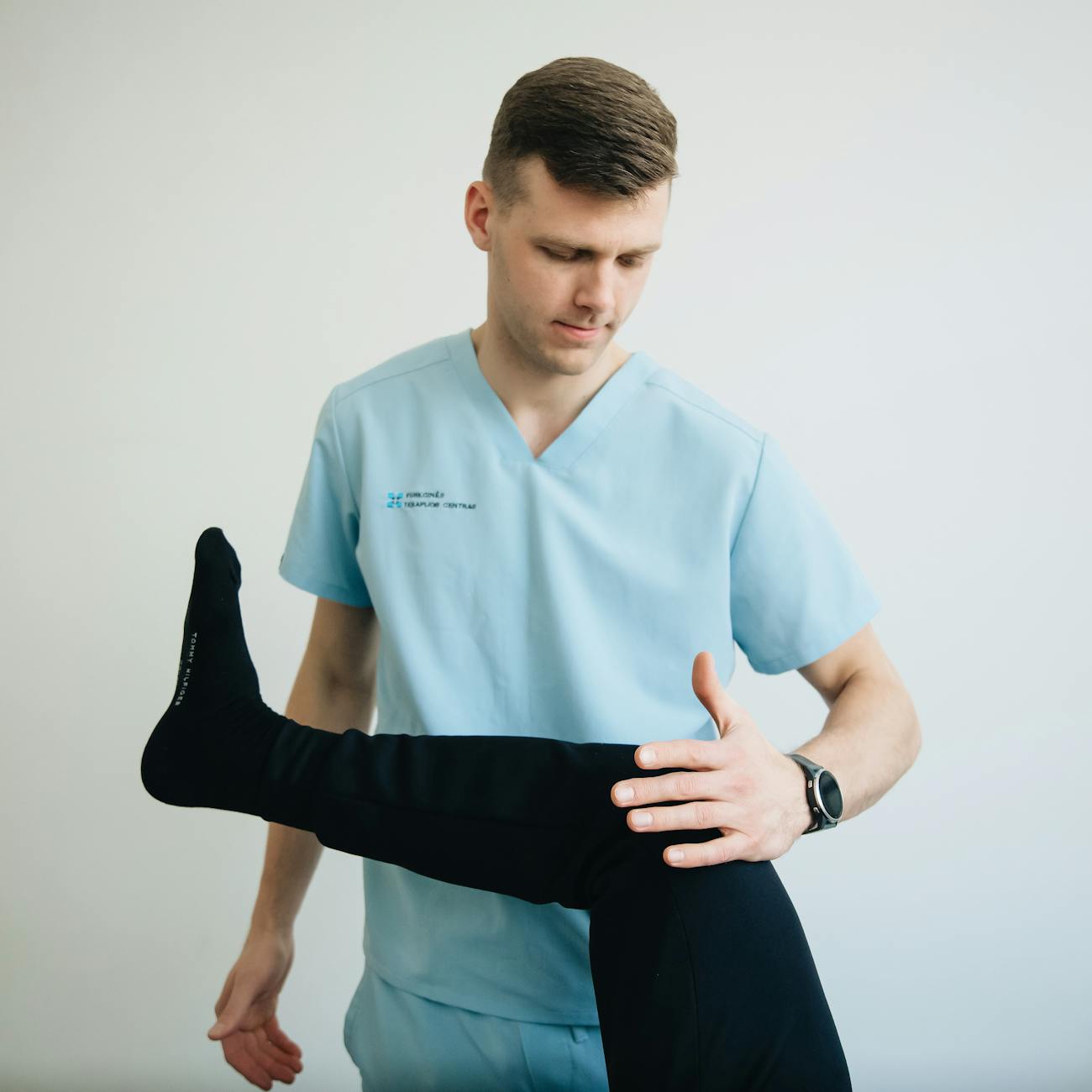
2. Physical Examination: Physical examination involves assessing the patient's joints, muscles, range of motion, strength, sensation, and gait. It helps identify any structural abnormalities, deformities, swelling, tenderness, or limitations in movement.
3. Diagnostic Tests: Diagnostic tests such as X-rays, MRI, CT scans, and blood tests are used to confirm or rule out specific orthopedic conditions. These tests provide detailed information about the bones, joints, soft tissues, and overall musculoskeletal health of the patient.
4. Functional Assessment: Functional assessment evaluates the patient's ability to perform activities of daily living, such as walking, climbing stairs, dressing, and bathing. It helps determine the impact of orthopedic issues on the patient's functional independence and quality of life.
5. Pain Assessment: Pain assessment is crucial in orthopedic nursing to understand the intensity, location, duration, and quality of pain experienced by the patient. It helps in devising appropriate pain management strategies and monitoring the effectiveness of treatment.
Assessment in orthopedic nursing requires a systematic approach to gather comprehensive data about the patient's musculoskeletal health and functional status. Nurses play a vital role in conducting assessments, collaborating with healthcare providers, and advocating for optimal patient care.
Diagnosis:
Diagnosis in orthopedic nursing involves identifying specific musculoskeletal conditions or injuries based on the assessment findings and diagnostic tests. It requires critical thinking, clinical reasoning, and collaboration with other healthcare professionals to establish an accurate diagnosis. Here are some key terms related to diagnosis in orthopedic nursing:
1. Fracture: A fracture is a break in the continuity of a bone, which can be classified as closed (simple) or open (compound) based on the skin integrity. Fractures are diagnosed through X-rays and physical examination findings such as pain, swelling, deformity, and loss of function.
2. Dislocation: Dislocation occurs when the articular surfaces of a joint are no longer in contact with each other. It can result from trauma or underlying joint instability. Diagnosis is made based on physical examination, X-rays, and assessment of joint stability and range of motion.
3. Osteoarthritis: Osteoarthritis is a degenerative joint disease characterized by the breakdown of cartilage and bone in the joints. Diagnosis is based on clinical symptoms, physical examination findings, X-rays showing joint space narrowing and osteophyte formation, and blood tests to rule out other conditions.
4. Rotator Cuff Tear: A rotator cuff tear is a common shoulder injury involving the tearing of one or more tendons in the rotator cuff muscles. Diagnosis is made through physical examination maneuvers such as the empty can test, MRI imaging, and assessment of shoulder strength and range of motion.
5. Scoliosis: Scoliosis is a lateral curvature of the spine that can affect the posture and alignment of the body. Diagnosis is based on physical examination findings, X-rays showing spinal curvature, and monitoring the progression of the curvature over time.
Diagnosing orthopedic conditions requires a multidisciplinary approach, including collaboration with orthopedic surgeons, radiologists, physical therapists, and other healthcare professionals. Nurses play a key role in advocating for timely and accurate diagnoses, implementing evidence-based interventions, and educating patients about their condition and treatment options.
Challenges in Assessment and Diagnosis:
Assessment and diagnosis in orthopedic nursing present several challenges that healthcare providers need to address to ensure optimal patient care. Some common challenges include:
1. Complexity of Musculoskeletal Conditions: Musculoskeletal conditions can be complex and present with overlapping symptoms, making diagnosis challenging. Healthcare providers need to consider a wide range of differential diagnoses and utilize advanced imaging techniques to confirm the underlying condition.
2. Communication Barriers: Effective communication is essential in the assessment and diagnosis process, especially when dealing with patients who may have limited mobility, sensory impairments, or language barriers. Nurses must use clear and simple language, provide written materials, and utilize interpreters when needed.
3. Diagnostic Delays: Delays in diagnosis can lead to prolonged pain, disability, and poor outcomes for patients with orthopedic conditions. Healthcare providers need to expedite diagnostic tests, consult specialists as needed, and follow up with patients to ensure timely and accurate diagnoses.
4. Interprofessional Collaboration: Collaborating with other healthcare professionals, such as orthopedic surgeons, physiotherapists, and radiologists, is essential in the assessment and diagnosis of complex musculoskeletal conditions. Nurses must effectively communicate and coordinate care across disciplines to provide comprehensive and holistic patient care.
5. Patient Education: Educating patients about their orthopedic condition, treatment options, and self-management strategies is crucial for promoting adherence to treatment plans and improving outcomes. Nurses play a key role in providing patient education, addressing concerns, and empowering patients to take an active role in their care.
Addressing these challenges requires a multidisciplinary approach, effective communication, continuous education, and a patient-centered care model in orthopedic nursing practice. By overcoming these challenges, healthcare providers can enhance the quality of care and outcomes for patients with musculoskeletal conditions.
In conclusion, assessment and diagnosis are fundamental components of orthopedic nursing practice, requiring a thorough understanding of key terms, concepts, and challenges. Nurses play a critical role in conducting assessments, collaborating with healthcare providers, advocating for timely diagnoses, and educating patients about their orthopedic conditions. By addressing challenges, promoting interprofessional collaboration, and prioritizing patient-centered care, healthcare providers can deliver high-quality orthopedic nursing care to improve patient outcomes and quality of life.
Key takeaways
- In the Professional Certificate in Orthopedic Nursing, understanding assessment and diagnosis is crucial for providing effective care to patients with musculoskeletal conditions.
- Assessment in orthopedic nursing involves a thorough evaluation of a patient's musculoskeletal system to identify any abnormalities, injuries, or conditions that may affect their mobility and quality of life.
- Anamnesis: Anamnesis refers to the patient's medical history, including previous injuries, surgeries, medical conditions, and family history of musculoskeletal disorders.
- Physical Examination: Physical examination involves assessing the patient's joints, muscles, range of motion, strength, sensation, and gait.
- Diagnostic Tests: Diagnostic tests such as X-rays, MRI, CT scans, and blood tests are used to confirm or rule out specific orthopedic conditions.
- Functional Assessment: Functional assessment evaluates the patient's ability to perform activities of daily living, such as walking, climbing stairs, dressing, and bathing.
- Pain Assessment: Pain assessment is crucial in orthopedic nursing to understand the intensity, location, duration, and quality of pain experienced by the patient.