
Utilizing Technology for Efficient Customer Service in the Automotive Field
Utilizing Technology for Efficient Customer Service in the Automotive Field
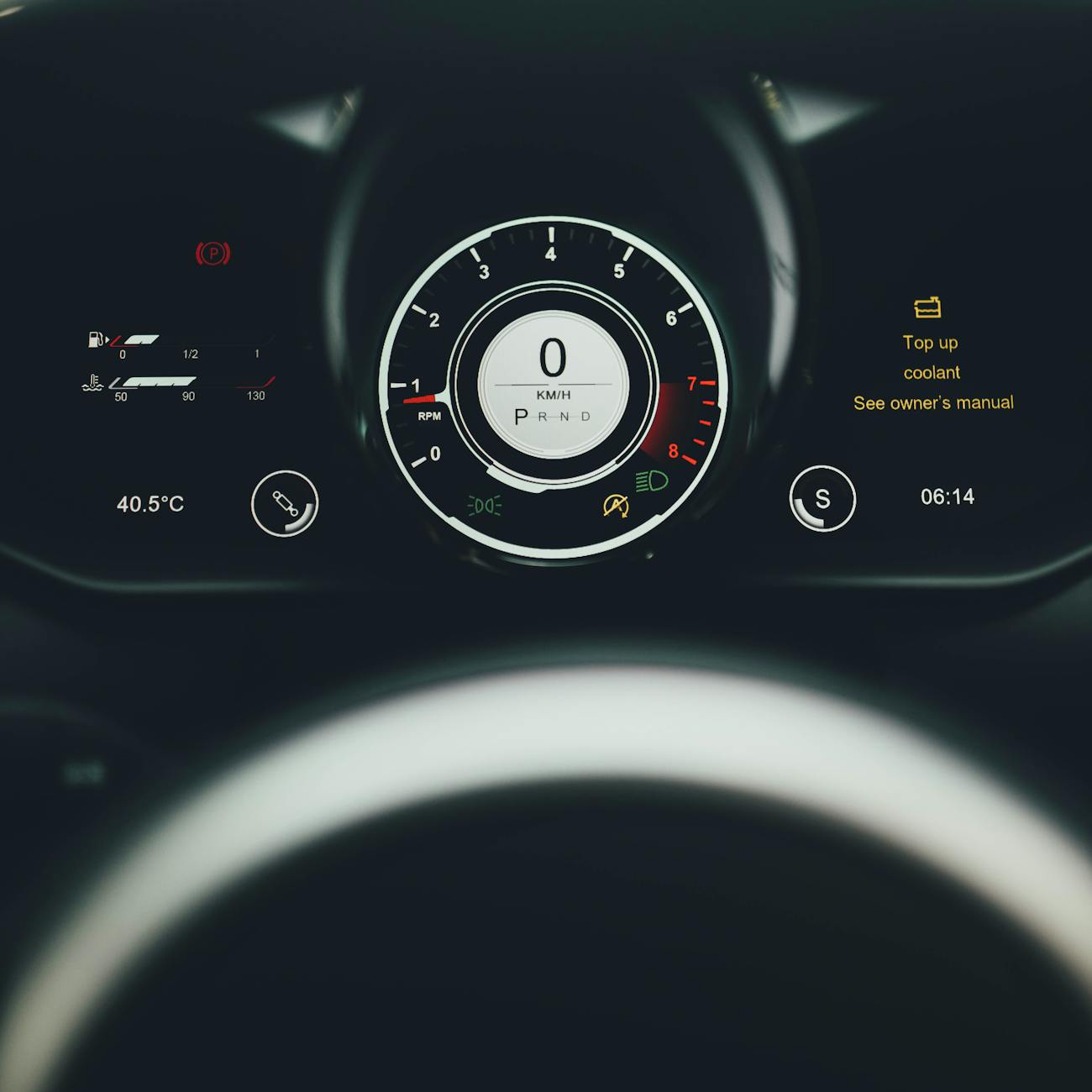
Utilizing Technology for Efficient Customer Service in the Automotive Field
Customer service in the automotive industry plays a crucial role in ensuring customer satisfaction and loyalty. With the advancements in technology, automotive businesses can leverage various tools and platforms to enhance their customer service processes. In this course, we will explore how technology can be effectively utilized to streamline customer service operations in the automotive field.
Key Terms and Vocabulary
1. Customer Relationship Management (CRM): CRM refers to the strategies, technologies, and practices that organizations use to manage and analyze customer interactions and data throughout the customer lifecycle. In the automotive industry, CRM systems help businesses track customer interactions, manage leads, and improve customer satisfaction.
2. Virtual Reality (VR): VR technology creates a simulated environment that allows users to interact with 3D models. In the automotive field, VR can be used for virtual test drives, showroom experiences, and vehicle customization, enhancing the customer experience.
3. Augmented Reality (AR): AR overlays digital information onto the real world. In the automotive industry, AR can be used for interactive vehicle manuals, repair guides, and showcasing features to customers in a more engaging manner.
4. Internet of Things (IoT): IoT refers to the network of physical devices connected to the internet, enabling them to collect and exchange data. In automotive customer service, IoT can be used for remote diagnostics, vehicle tracking, and proactive maintenance alerts.
5. Artificial Intelligence (AI): AI involves the simulation of human intelligence processes by machines. In customer service, AI can be used for chatbots, personalized recommendations, and predictive maintenance, improving efficiency and customer satisfaction.
6. Data Analytics: Data analytics involves analyzing raw data to uncover insights and make informed decisions. In the automotive industry, data analytics can be used to track customer behavior, predict trends, and optimize service processes for better outcomes.
7. Mobile Applications: Mobile apps provide a convenient way for customers to interact with automotive businesses. These apps can offer services such as scheduling appointments, receiving notifications, and accessing vehicle information on the go.
8. Customer Feedback: Customer feedback is essential for improving service quality and customer satisfaction. Technology enables businesses to collect feedback through surveys, reviews, and social media platforms, allowing them to address issues and make necessary improvements.
9. Online Booking Systems: Online booking systems allow customers to schedule service appointments conveniently through a website or mobile app. These systems streamline the appointment process and help businesses manage their service schedules more efficiently.
10. Remote Diagnostics: Remote diagnostics technology enables automotive businesses to diagnose vehicle issues remotely, often using IoT devices. This helps in identifying problems quickly, reducing downtime, and providing a better customer experience.
11. Customer Segmentation: Customer segmentation involves dividing customers into groups based on similar characteristics or behaviors. By using technology to analyze data, automotive businesses can tailor their services and marketing efforts to specific customer segments for better engagement.
12. CRM Integration: CRM integration involves connecting CRM systems with other tools and platforms used in customer service operations. By integrating CRM with communication channels, data analytics, and other systems, businesses can streamline processes and improve efficiency.
13. Chatbots: Chatbots are AI-powered programs that can interact with customers in real-time through messaging platforms. In automotive customer service, chatbots can answer common queries, schedule appointments, and provide assistance, enhancing the overall customer experience.
14. Personalization: Personalization involves tailoring products or services to meet individual customer preferences. By leveraging technology, automotive businesses can offer personalized recommendations, promotions, and experiences to enhance customer satisfaction and loyalty.
15. Predictive Maintenance: Predictive maintenance uses data and analytics to predict when a vehicle is likely to require maintenance. By implementing predictive maintenance technology, automotive businesses can proactively address issues, minimize downtime, and improve customer satisfaction.
16. Customer Journey Mapping: Customer journey mapping involves visualizing the various touchpoints and interactions that a customer has with a business. Technology can help automotive businesses map customer journeys, identify pain points, and optimize the customer experience across different channels.
17. Video Conferencing: Video conferencing technology allows automotive businesses to conduct virtual meetings with customers for consultations, demonstrations, and troubleshooting. This technology enables businesses to provide personalized and efficient customer service without the need for physical presence.
18. Social Media Monitoring: Social media monitoring involves tracking and analyzing conversations about a business on social media platforms. By using technology to monitor social media channels, automotive businesses can respond to customer inquiries, resolve issues, and engage with customers in real-time.
19. Inventory Management Systems: Inventory management systems help automotive businesses track and manage their parts and supplies efficiently. By using technology to automate inventory processes, businesses can ensure they have the right parts available when needed, improving service delivery and customer satisfaction.
20. Geolocation Services: Geolocation services use GPS technology to determine the location of a device or user. In the automotive industry, geolocation services can be used for vehicle tracking, route optimization, and providing location-based services to customers for improved convenience.
Practical Applications
1. Scenario: An automotive customer has a query about a specific vehicle model and wants to schedule a test drive. - Application: The automotive business can use a chatbot on their website or mobile app to assist the customer with information about the vehicle, answer any queries, and schedule a test drive at a convenient time.
2. Scenario: A customer needs to book a service appointment for their vehicle but prefers to do so online. - Application: The automotive business can implement an online booking system on their website or app, allowing customers to schedule service appointments, select preferred dates and times, and receive confirmation notifications.
3. Scenario: A customer is experiencing issues with their vehicle and requires immediate assistance. - Application: The automotive business can offer remote diagnostics services, where the customer can connect with a technician remotely to diagnose the problem, provide guidance on potential solutions, and schedule an in-person service appointment if needed.
4. Scenario: A customer is interested in customizing their vehicle with specific features and accessories. - Application: The automotive business can utilize VR technology to offer a virtual showroom experience, allowing the customer to visualize different customization options, select preferred features, and make informed decisions before making a purchase.
5. Scenario: A customer has provided feedback about their recent service experience and has highlighted areas for improvement. - Application: The automotive business can use data analytics tools to analyze customer feedback, identify common themes or issues, and take proactive steps to address customer concerns, improve service quality, and enhance overall customer satisfaction.
Challenges
1. Integration Complexity: Integrating different technology solutions, such as CRM systems, IoT devices, and data analytics tools, can be complex and require specialized expertise. 2. Data Security: Handling sensitive customer data and ensuring data security and privacy compliance can be a significant challenge for automotive businesses using technology for customer service. 3. Training and Adoption: Training employees on new technologies and ensuring widespread adoption across the organization can be a challenge, especially for businesses with a large workforce. 4. Cost Considerations: Investing in technology solutions for customer service can be costly, and businesses need to weigh the benefits against the expenses to ensure a positive return on investment. 5. Customer Resistance: Some customers may be resistant to new technology solutions or prefer traditional methods of communication, requiring businesses to find a balance between technology-driven and traditional customer service approaches.
By understanding and effectively utilizing technology for efficient customer service in the automotive field, businesses can enhance customer satisfaction, improve operational efficiency, and gain a competitive edge in the industry.
Key takeaways
- With the advancements in technology, automotive businesses can leverage various tools and platforms to enhance their customer service processes.
- Customer Relationship Management (CRM): CRM refers to the strategies, technologies, and practices that organizations use to manage and analyze customer interactions and data throughout the customer lifecycle.
- In the automotive field, VR can be used for virtual test drives, showroom experiences, and vehicle customization, enhancing the customer experience.
- In the automotive industry, AR can be used for interactive vehicle manuals, repair guides, and showcasing features to customers in a more engaging manner.
- Internet of Things (IoT): IoT refers to the network of physical devices connected to the internet, enabling them to collect and exchange data.
- In customer service, AI can be used for chatbots, personalized recommendations, and predictive maintenance, improving efficiency and customer satisfaction.
- In the automotive industry, data analytics can be used to track customer behavior, predict trends, and optimize service processes for better outcomes.