
Pigeon Husbandry and Nutrition
Pigeon Husbandry and Nutrition Key Terms and Vocabulary
Pigeon Husbandry and Nutrition Key Terms and Vocabulary
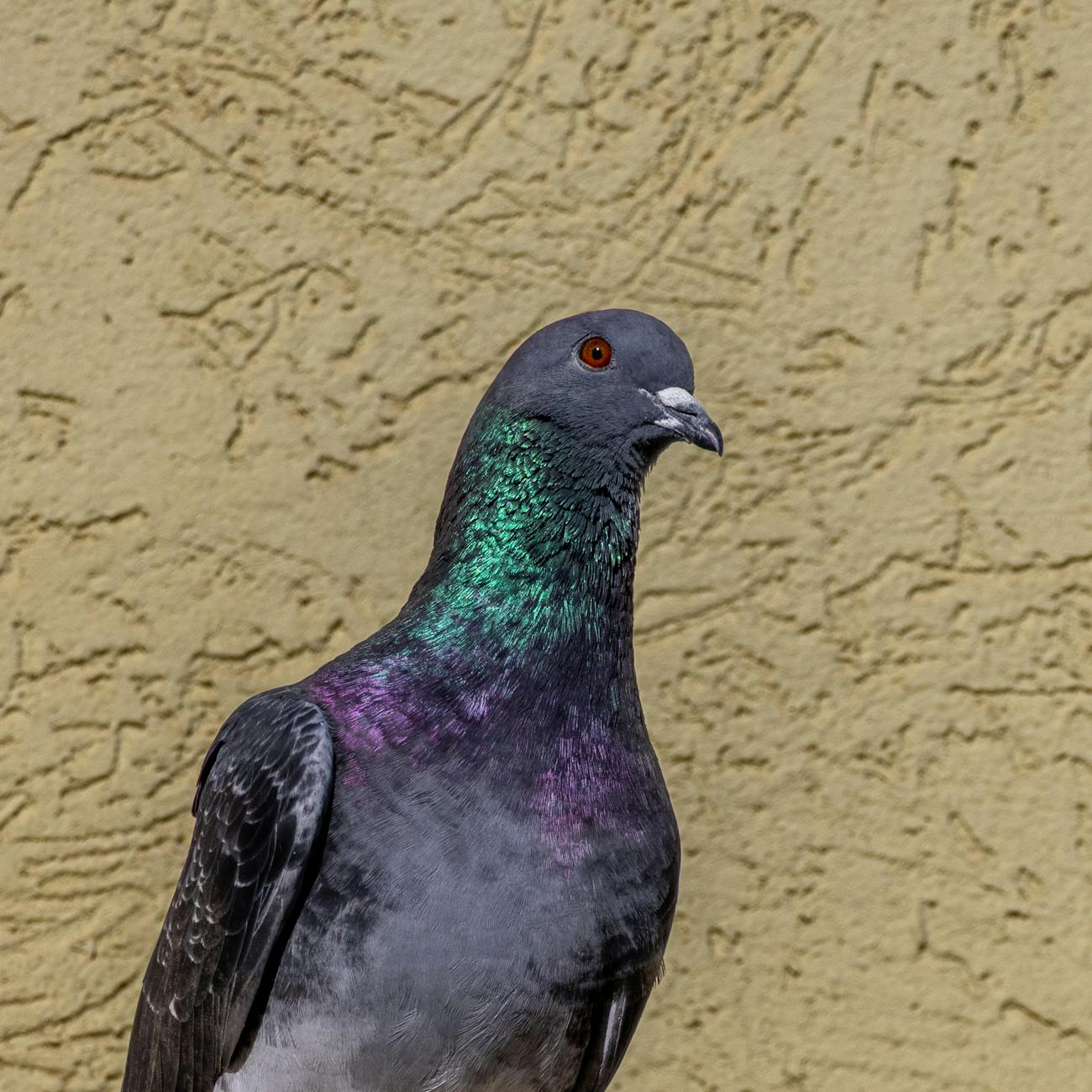
Pigeon: A bird belonging to the Columbidae family, commonly kept for racing, exhibition, or as pets.
Husbandry: The care, management, and breeding of animals.
Nutrition: The process of obtaining and consuming food necessary for growth, maintenance, and health.
Avian: Relating to or characteristic of birds.
Loft: A structure where pigeons are housed, often equipped with nesting boxes, perches, and feeding areas.
Flock: A group of pigeons or birds that live, feed, and fly together.
Clutch: A group of eggs laid by a female pigeon in a single nesting period.
Brood: The act of keeping eggs warm for hatching or caring for young birds.
Foraging: Searching for food in the environment.
Feathering: The development and condition of a bird's feathers.
Flight feathers: Large, strong feathers that enable a bird to fly.
Plumage: A bird's feathers collectively, including color and condition.
Moult: The shedding and replacement of feathers.
Perch: A branch or rod where pigeons rest or roost.
Preening: The act of grooming and maintaining feathers.
Crop: An enlarged part of the esophagus where food is stored before digestion.
Grit: Small stones or material pigeons ingest to aid in digestion.
Proventriculus: A part of a bird's digestive system where food is mixed with digestive enzymes.
Gizzard: A muscular part of the digestive system that grinds food with the help of swallowed stones.
Crop milk: A nutritious secretion produced by both male and female pigeons to feed their young.
Primary diet: The main food source provided to pigeons for optimal health and nutrition.
Supplement: Additional food or nutrients given to pigeons to complement their primary diet.
Vitamin: Essential organic compounds required in small amounts for proper growth and functioning.
Mineral: Inorganic substances necessary for various physiological processes in pigeons.
Protein: A macronutrient essential for growth, repair, and maintenance of tissues.
Carbohydrate: A macronutrient providing energy to pigeons.
Fat: A macronutrient serving as a concentrated source of energy.
Fiber: A type of carbohydrate that aids in digestion and promotes gut health.
Amino acid: Building blocks of proteins necessary for various bodily functions.
Essential nutrients: Substances that pigeons cannot produce and must obtain from their diet.
Waterfowl: Birds that frequent water, such as ducks and geese.
Parasite: An organism that lives on or in another organism and benefits at the host's expense.
Protozoa: Single-celled organisms that can cause diseases in pigeons.
Worms: Parasitic organisms that can infest a pigeon's digestive tract.
Coccidiosis: A common parasitic disease in pigeons caused by coccidia.
Respiratory disease: Illnesses affecting a pigeon's respiratory system.
Salmonella: Bacterial infection that can cause diarrhea and other symptoms in pigeons.
Quarantine: Isolating new pigeons to prevent the spread of diseases to the existing flock.
Vaccination: Administering a vaccine to protect pigeons from specific diseases.
Dehydration: A condition resulting from insufficient water intake.
Overfeeding: Providing pigeons with more food than they need, leading to obesity and health issues.
Underfeeding: Not providing pigeons with enough food, resulting in malnutrition and poor health.
Regurgitation: The process of bringing food back up to the mouth, often seen in pigeons feeding their young.
Calcium: A mineral essential for bone health and eggshell formation in pigeons.
Predator: An animal that preys on pigeons or other birds.
Parasiticides: Chemicals or substances used to kill parasites on pigeons.
Antibiotics: Medications used to treat bacterial infections in pigeons.
Immune system: Pigeon's defense mechanism against infections and diseases.
Management practices: Techniques and procedures used to care for and maintain pigeons.
Hygiene: Practices that promote cleanliness and prevent disease spread in pigeons.
Environmental enrichment: Providing stimuli and activities to promote mental and physical well-being in pigeons.
Behavioral observation: Monitoring and studying pigeon's behaviors to assess their health and well-being.
Genetics: The study of heredity and variation in living organisms, including pigeons.
Mating behavior: Pigeon's courtship and breeding activities.
Incubation: Keeping eggs warm for hatching by a female pigeon.
Parental care: Providing food, warmth, and protection to young pigeons.
Chick: A baby pigeon.
Adolescent: A young pigeon that is not yet fully mature.
Adult: A fully grown and mature pigeon.
Senescence: The process of aging in pigeons.
Health monitoring: Regular checks and assessments to ensure pigeons are healthy and disease-free.
Diagnostic testing: Procedures to identify diseases or health issues in pigeons.
Record-keeping: Maintaining detailed information about each pigeon's health, breeding, and care.
Emergency preparedness: Planning and procedures for handling unexpected health crises in pigeons.
Professionalism: Conducting pigeon care with dedication, ethics, and expertise.
Continuing education: Ongoing learning and skill development in pigeon care and husbandry.
Legislation: Laws and regulations governing the care and management of pigeons.
Conservation: Efforts to protect and preserve pigeon species and their habitats.
Aviary: A large enclosure for keeping pigeons or other birds.
Flight training: Teaching pigeons to fly and return to their loft.
Ring banding: Placing a uniquely numbered band on a pigeon's leg for identification.
Showing: Presenting pigeons for competition or exhibition based on specific criteria.
Racing: Competing pigeons in races to test their speed and endurance.
Rescue: Saving and caring for injured or abandoned pigeons.
Rehabilitation: Restoring health and well-being to injured or sick pigeons.
Release: Setting pigeons free back into the wild after rehabilitation or rescue.
Adoption: Finding suitable homes for pigeons in need of care and shelter.
Euthanasia: Humanely ending the life of a suffering or terminally ill pigeon.
Compassion: Showing kindness, empathy, and care towards pigeons and other living beings.
Community: A group of individuals sharing a common interest in pigeon care and husbandry.
Networking: Building connections and relationships with other pigeon enthusiasts and professionals.
Research: Conducting studies and investigations to advance knowledge in pigeon health and management.
Publication: Sharing research findings and information through articles, books, or online platforms.
Conference: A gathering of pigeon experts and enthusiasts to discuss and exchange ideas on pigeon care.
Training: Learning new skills or knowledge related to pigeon care and husbandry.
Volunteering: Offering time and assistance to organizations or individuals in need of pigeon care support.
Mentorship: Guidance and advice provided by experienced pigeon keepers to novices in the field.
Professional development: Advancing skills, knowledge, and expertise in pigeon care through training and experience.
Career opportunities: Job prospects in pigeon care, management, research, or related fields.
Advocacy: Promoting and supporting the welfare and rights of pigeons through education and activism.
Sustainability: Ensuring the long-term well-being and survival of pigeon populations and habitats.
Challenges: Difficulties or obstacles faced in pigeon care and husbandry, such as disease outbreaks or environmental threats.
Solutions: Strategies and actions to overcome challenges and improve pigeon care practices.
Ethics: Moral principles and values guiding responsible pigeon care and management.
Continuity: Consistent and ongoing care and attention to ensure the well-being of pigeons over time.
Responsibility: The duty and obligation to provide proper care and welfare to pigeons under one's care.
Innovation: Introducing new ideas, technologies, or practices to enhance pigeon care and husbandry.
Collaboration: Working together with others to achieve common goals in pigeon care and conservation.
Empowerment: Providing pigeons with the resources, opportunities, and support to thrive and live fulfilling lives.
Diversity: Recognizing and valuing the unique characteristics and needs of different pigeon species and individuals.
Resilience: The ability to adapt and recover from challenges or adversity in pigeon care and husbandry.
Stewardship: Taking responsibility for the well-being and conservation of pigeon populations and their habitats.
Pigeon Husbandry and Nutrition
Pigeon Care is a specialized area of animal husbandry that requires a deep understanding of the unique needs of these birds. Effective pigeon husbandry involves providing the proper care, nutrition, housing, and health management for pigeons to ensure their well-being and productivity. This comprehensive guide will cover key terms and vocabulary essential for successful pigeon husbandry and nutrition.
Pigeon
Pigeons, scientifically known as Columba livia, are domesticated birds that have been kept by humans for thousands of years. They are highly intelligent, social birds that exhibit complex behaviors and strong homing instincts. Pigeons come in a variety of colors, patterns, and sizes, with some breeds specifically bred for racing, show, or utility purposes.
Pigeon Loft
A pigeon loft is a specialized housing structure designed to accommodate pigeons. It provides shelter, nesting areas, perches, and feeding stations for the birds. The loft should be well-ventilated, predator-proof, and spacious enough to allow for natural behaviors such as flying and breeding. Proper loft management is essential for maintaining a healthy and productive pigeon flock.
Pigeon Racing
Pigeon racing is a popular sport that involves releasing trained pigeons from a specific location and racing them back to their home loft. The birds' speed, endurance, and homing abilities are tested in these competitions. Pigeon racing enthusiasts often invest significant time and resources into training and breeding pigeons for optimal performance.
Pigeon Breeding
Pigeon breeding is the process of selectively pairing pigeons to produce offspring with desirable traits. Breeders may focus on characteristics such as color, pattern, size, or racing ability. Successful breeding programs require careful selection of breeding pairs, proper nutrition, and meticulous record-keeping to track lineage and genetic traits.
Pigeon Feed
Pigeons require a balanced diet to meet their nutritional needs for growth, reproduction, and overall health. A typical pigeon feed consists of grains, seeds, legumes, and minerals. Commercial pigeon feeds are available in pellet or mix form and are formulated to provide essential nutrients such as protein, vitamins, and minerals. Supplemental feeding may be necessary during breeding, molting, or racing seasons.
Pigeon Grit
Pigeon grit is a mixture of small stones, shells, and minerals that pigeons consume to aid in digestion. Grit helps birds break down tough seeds and grains in their gizzards, acting as a natural grinding mechanism. Providing access to grit is essential for pigeons kept in captivity, as they may not have access to natural sources of grit in the wild.
Pigeon Health
Maintaining the health of pigeons is crucial for their well-being and productivity. Common pigeon health issues include respiratory infections, parasites, nutritional deficiencies, and injuries. Regular monitoring, vaccination, and hygiene practices can help prevent disease outbreaks and promote overall flock health. Consulting a veterinarian specializing in avian medicine is recommended for diagnosing and treating health problems in pigeons.
Pigeon Loft Management
Effective loft management is essential for maintaining a clean, safe, and comfortable environment for pigeons. Regular cleaning, disinfection, and pest control measures are necessary to prevent the spread of disease and parasites. Proper ventilation, lighting, and temperature regulation are also important factors to consider in loft design and maintenance.
Pigeon Racing Performance
Optimizing pigeon racing performance involves a combination of genetics, training, nutrition, and management practices. Breeding pigeons with strong homing instincts, endurance, and speed is key to producing competitive racing birds. Training programs should gradually build up pigeons' flying distances and navigation skills. Providing a balanced diet rich in energy, protein, and vitamins can enhance pigeons' physical condition and performance in races.
Pigeon Behavior
Understanding pigeon behavior is essential for effectively managing and caring for these birds. Pigeons are social creatures that communicate through vocalizations, body language, and flocking behaviors. They exhibit complex mating rituals, nesting behaviors, and territorial instincts. Observing and interpreting pigeon behavior can help identify signs of stress, illness, or aggression in the flock.
Pigeon Molting
Molting is a natural process in which pigeons shed and regrow their feathers. Molting typically occurs once or twice a year and is triggered by changes in daylight hours and temperature. During molting, pigeons may appear dull, lose flight feathers, and exhibit reduced activity. Providing a nutritious diet rich in protein, vitamins, and minerals can support healthy feather growth and aid in the molting process.
Pigeon Breeds
There are numerous pigeon breeds recognized for their unique characteristics, such as color, pattern, size, and behavior. Popular pigeon breeds include Racing Homers, Show Rollers, Fantails, and Utility Kings. Each breed has specific traits and purposes, making them suitable for racing, exhibition, or utility roles. Breeders may specialize in breeding and exhibiting specific pigeon breeds to showcase their beauty, athleticism, or utility value.
Pigeon Vaccination
Vaccination is an essential component of pigeon health management to prevent common diseases and infections. Pigeons may be vaccinated against diseases such as Paramyxovirus, Salmonellosis, and Pigeon Pox. Vaccination schedules should be developed in consultation with a veterinarian and based on the risk factors present in the flock. Proper handling, storage, and administration of vaccines are critical to ensure their effectiveness and safety.
Pigeon Care Routine
Establishing a daily pigeon care routine is crucial for maintaining the health and well-being of pigeons in captivity. Daily tasks may include feeding, watering, cleaning the loft, observing bird behavior, and checking for signs of illness or injury. Regular health checks, grooming, and handling can help build trust between pigeons and their caretakers. Consistent care routines contribute to a stable and harmonious environment for pigeons to thrive.
Pigeon Egg Incubation
Incubating pigeon eggs is a delicate process that requires careful monitoring of temperature, humidity, and turning frequency. Pigeon eggs typically hatch within 17-19 days after incubation begins. Hand-rearing pigeon chicks may be necessary in cases where parent birds are unable to care for their offspring. Providing a warm, clean, and quiet environment is essential for successful egg incubation and chick rearing.
Pigeon Loft Design
Designing a functional and efficient pigeon loft is essential for providing a comfortable and safe living space for pigeons. Factors to consider in loft design include ventilation, lighting, insulation, security, and space utilization. The loft layout should allow for easy cleaning, feeding, and monitoring of birds. Proper nest boxes, perches, and roosting areas should be provided to accommodate pigeons' natural behaviors and social dynamics.
Pigeon Flock Management
Effective flock management practices are essential for maintaining a healthy and productive pigeon flock. Monitoring flock dynamics, behavior, and health status is crucial for early detection of issues such as disease outbreaks, aggression, or stress. Implementing biosecurity measures, quarantine protocols, and vaccination schedules can help prevent the spread of diseases within the flock. Regular flock inspections and record-keeping are important for tracking individual bird health and performance.
Pigeon Racing Training
Training pigeons for racing requires a structured program that gradually builds up birds' endurance, speed, and navigational skills. Training pigeons to home back to their loft from increasing distances helps develop their homing instincts and racing abilities. Training methods may include loft releases, tosses, road training, and electronic timing systems to track pigeons' performance. Consistent training, positive reinforcement, and proper nutrition are key factors in preparing pigeons for competitive racing events.
Pigeon Nutrition Requirements
Meeting the nutrition requirements of pigeons is essential for maintaining their health, growth, and performance. Pigeons require a diet rich in energy, protein, vitamins, and minerals to support their metabolic needs. Balancing grains, seeds, legumes, greens, and commercial feeds can provide pigeons with essential nutrients for different life stages and activities. Monitoring pigeons' body condition, appetite, and droppings can help assess their nutritional status and adjust feeding accordingly.
Pigeon Watering System
Providing clean and fresh water is essential for maintaining pigeon health and hydration. Pigeons require access to clean water for drinking, bathing, and cooling down in hot weather. Watering systems should be designed to prevent contamination, freezing, and spillage. Regular cleaning and disinfection of water containers are necessary to prevent the spread of diseases and ensure water quality for pigeons.
Pigeon Parasite Control
Parasites such as mites, lice, worms, and protozoa can affect the health and performance of pigeons. Implementing a parasite control program is essential for preventing infestations and infections in the flock. Parasite control measures may include regular cleaning, disinfection, dusting, and deworming treatments. Monitoring pigeons for signs of parasitic infestations, such as feather damage, weight loss, or lethargy, can help detect and treat parasites early.
Pigeon Breeding Pair Selection
Selecting breeding pairs with desirable traits is crucial for producing offspring with desired characteristics. Factors to consider in breeding pair selection include breed standards, genetic diversity, health status, and performance records. Breeding pairs should be compatible in terms of size, color, behavior, and genetic compatibility. Keeping detailed breeding records and pedigrees can help track lineage, genetic traits, and breeding outcomes over generations.
Pigeon Loft Ventilation
Proper ventilation is essential for maintaining optimal air quality, temperature, and humidity levels in a pigeon loft. Good ventilation helps remove excess moisture, ammonia, and airborne pathogens from the loft. Natural ventilation through windows, vents, and eaves can promote air circulation and reduce heat stress in pigeons. Installing exhaust fans, air vents, or air purifiers may be necessary to improve ventilation in enclosed or poorly ventilated lofts.
Pigeon Loft Flooring
Choosing the right flooring material for a pigeon loft is crucial for sanitation, comfort, and maintenance. Common loft flooring options include concrete, wood, wire mesh, and gravel. Flooring should be easy to clean, disinfect, and provide good traction for pigeons. Avoiding sharp edges, rough surfaces, or toxic materials in loft flooring can prevent injuries, infections, or respiratory issues in pigeons. Regular cleaning and bedding replacement are necessary to maintain a hygienic loft environment.
Pigeon Loft Lighting
Proper lighting is essential for regulating pigeon behavior, reproduction, and molting cycles. Natural light cycles influence pigeons' daily routines, breeding activities, and molting patterns. Supplemental lighting with artificial sources may be necessary to extend daylight hours, stimulate breeding behavior, or support molting processes. Providing a consistent light-dark cycle in the loft can help maintain pigeons' circadian rhythms and promote overall well-being.
Pigeon Loft Security
Ensuring the security of a pigeon loft is essential for protecting birds from predators, theft, or escape. Securing doors, windows, vents, and entry points can prevent unauthorized access and keep predators out. Installing locks, alarms, motion sensors, or surveillance cameras can enhance loft security and deter intruders. Regular inspections, repairs, and maintenance of security measures are necessary to safeguard pigeons and their habitat.
Pigeon Showmanship
Showmanship refers to the presentation, grooming, and handling of pigeons in pigeon shows or exhibitions. Exhibitors showcase their pigeons to judges based on breed standards, conformation, plumage quality, and behavior. Presentation skills, grooming techniques, and bird handling can influence judges' assessments and competition outcomes. Participating in pigeon shows can promote breed awareness, networking, and appreciation for pigeon breeds and varieties.
Pigeon Medications
Administering medications to pigeons should be done under the guidance of a veterinarian to ensure proper dosage, administration route, and treatment duration. Common pigeon medications may include antibiotics, antiparasitics, vitamins, or supplements. Following veterinary instructions, observing withdrawal periods, and monitoring pigeons' response to treatment are important considerations when using medications. Proper storage, handling, and disposal of medications are essential to prevent misuse, contamination, or drug resistance in pigeons.
Pigeon Flock Dynamics
Understanding flock dynamics is essential for managing social interactions, hierarchy, and behavior within a pigeon flock. Pigeons form social groups, establish pecking orders, and communicate through vocalizations, body language, and flocking behaviors. Dominant birds may assert control over resources, mates, or perches, while subordinates may exhibit submissive behaviors or avoid conflicts. Observing flock dynamics can help identify stressors, aggression, or social issues that may impact pigeon health and well-being.
Pigeon Loft Heating
Maintaining optimal temperature levels in a pigeon loft is essential for preventing heat stress, cold stress, or respiratory issues in pigeons. Heating systems such as heaters, heat lamps, or radiant heaters may be used to regulate indoor temperatures during cold weather. Insulating the loft, sealing drafts, and providing warm bedding can help retain heat and create a comfortable environment for pigeons. Monitoring temperature, humidity, and ventilation levels is important for ensuring a healthy and thermally comfortable loft environment.
Pigeon Reproduction
Reproduction is a natural process in which pigeons mate, lay eggs, and raise offspring. Pigeons reach sexual maturity at around 6-8 months of age and may breed throughout the year. Courtship behaviors, nest building, egg laying, and incubation are key stages in the pigeon reproduction cycle. Providing nesting materials, privacy, and a stable environment can support successful breeding and chick rearing in pigeons.
Pigeon Loft Sanitation
Maintaining a clean and hygienic environment in a pigeon loft is essential for preventing disease, parasites, and contamination. Regular loft sanitation practices include removing droppings, replacing bedding, disinfecting surfaces, and cleaning feeders and waterers. Good hygiene habits, waste management, and pest control measures can help reduce the risk of infections and infestations in the flock. Establishing a routine sanitation schedule and using safe cleaning products are important for promoting a healthy loft environment.
Pigeon Loft Construction
Constructing a pigeon loft requires careful planning, design, and construction techniques to ensure a safe and functional living space for pigeons. Factors to consider in loft construction include location, size, orientation, materials, ventilation, lighting, and security features. Building a sturdy, weatherproof, and predator-proof structure is essential for protecting pigeons from the elements and potential threats. Consulting with experienced pigeon fanciers or professionals can help guide the construction process and meet the specific needs of pigeons.
Pigeon Loft Roosting
Providing suitable roosting areas in a pigeon loft is essential for pigeons to rest, sleep, and socialize. Roosting spaces should be elevated, spacious, and comfortable for pigeons to perch and roost. Natural branches, perches, or platforms can mimic roosting sites found in the wild and promote natural behaviors in pigeons. Cleaning, disinfecting, and replacing roosting materials regularly can maintain a hygienic and comfortable roosting environment for pigeons.
Pigeon Loft Nesting
Creating a conducive nesting environment in a pigeon loft is essential for supporting pigeon breeding and chick rearing activities. Nest boxes, nesting materials, and privacy are key elements in providing suitable nesting sites for pigeons. Nesting materials such as straw, hay, feathers, or shredded paper can be used to build nests and provide insulation for eggs and chicks. Monitoring nesting behavior, egg laying, and incubation can help ensure successful breeding outcomes in pigeons.
Pigeon Loft Perches
Installing proper perches in a pigeon loft is essential for promoting natural behaviors, exercise, and comfort in pigeons. Perches should be sturdy, spaced apart, and positioned at varying heights to accommodate different bird sizes and preferences. Providing natural or textured perches can help trim pigeons' claws, exercise their feet, and prevent foot problems. Cleaning, disinfecting, and rearranging perches regularly can maintain a clean and safe loft environment for pigeons.
Pigeon Loft Nest Boxes
Nest boxes are specialized enclosures designed for pigeons to lay eggs, brood chicks, and provide privacy during breeding. Nest boxes should be spacious, well-ventilated, and located in a quiet, secluded area of the loft. Providing nesting materials, such as straw, wood shavings, or nesting pads, can encourage pigeons to build nests and lay eggs. Monitoring nest box occupancy, egg laying, and chick development can help track breeding progress and ensure successful outcomes in pigeon breeding programs.
Pigeon Loft Disease Prevention
Preventing disease outbreaks in a pigeon loft requires implementing biosecurity measures, vaccination protocols, and hygiene practices. Common pigeon diseases such as Paramyxovirus, Salmonellosis, and Coccidiosis can spread rapidly in crowded or unsanitary conditions. Quarantining new birds, disinfecting equipment, and monitoring bird health can help prevent the introduction and spread of diseases in the flock. Regular health checks, fecal testing, and vaccination schedules are essential components of a comprehensive disease prevention program for pigeons.
Pigeon Loft Artificial Lighting
Supplemental lighting with artificial sources can help regulate pigeon behavior, reproduction, and molting cycles in captive pigeons. Artificial lighting can be used to extend daylight hours, stimulate breeding behavior, or support molting processes in pigeons. Providing a consistent light-dark cycle in the loft can help maintain pigeons' circadian rhythms and promote overall well-being. Adjusting lighting schedules based on seasonal changes, breeding cycles, or racing events can optimize pigeons' performance and health.
Pigeon Loft Waste Management
Proper waste management practices in a Pigeon Husbandry and Nutrition Key Terms Pigeon: A bird belonging to the Columbidae family, known for its ability to navigate long distances, often kept as pets or for racing. Husbandry: The care, breeding, and management of livestock or animals, including pigeons. Nutrition: The process by which organisms obtain and use food for growth, maintenance, and energy. Graduate Certificate: An academic qualification awarded upon completion of a specialized course of study at the graduate level. Pigeon Husbandry Pigeon husbandry involves the overall care and management of pigeons to ensure their health, well-being, and productivity. This includes providing proper shelter, nutrition, hygiene, and medical care for the birds. Effective husbandry practices are essential for maintaining a thriving pigeon population and achieving breeding goals. Shelter: Pigeons require a safe and secure shelter to protect them from predators, harsh weather conditions, and other potential threats. Pigeon lofts or coops should be well-ventilated, clean, and spacious enough to accommodate the birds comfortably. Nutrition: A balanced diet is crucial for the health and performance of pigeons. Pigeons are omnivores and typically feed on grains, seeds, fruits, and vegetables. It is essential to provide a variety of foods to meet their nutritional requirements. Supplements such as grit and mineral blocks may also be necessary to ensure optimal health. Hygiene: Maintaining good hygiene practices is vital to prevent the spread of diseases among pigeons. Regular cleaning of the loft, feeding and watering containers, and nesting areas is essential. Proper waste disposal and disinfection techniques should be implemented to minimize the risk of infections. Medical Care: Regular health checks by a qualified veterinarian are recommended to monitor the overall health of pigeons. Vaccinations, deworming, and treatment for common illnesses should be administered as needed. Prompt identification and treatment of health issues can prevent the spread of diseases and improve the well-being of the flock. Breeding Management: Breeding pigeons should be carefully planned to ensure the production of healthy offspring. Selecting breeding pairs based on desirable traits such as speed, endurance, and intelligence can improve the quality of future generations. Proper nest construction, egg incubation, and chick rearing practices are essential for successful breeding outcomes. Pigeon Nutrition Nutrition plays a vital role in the health, growth, and performance of pigeons. Providing a well-balanced diet rich in essential nutrients is essential to support their physiological needs and maximize their potential. Understanding the nutritional requirements of pigeons is crucial for maintaining a healthy flock and achieving breeding objectives. Macronutrients: Pigeons require three main macronutrients for energy and growth, namely carbohydrates, proteins, and fats. Carbohydrates provide energy, proteins are essential for muscle development and repair, and fats serve as a concentrated source of energy. A diet that includes the right balance of macronutrients is necessary for pigeons to thrive. Micronutrients: In addition to macronutrients, pigeons need various micronutrients such as vitamins and minerals to maintain optimal health. Vitamins play a crucial role in metabolism, immunity, and overall well-being. Minerals are essential for bone health, muscle function, and other physiological processes. Providing a diverse diet rich in vitamins and minerals is essential for pigeons' health and performance. Water: Water is a vital nutrient for pigeons, as it is involved in various physiological functions such as digestion, temperature regulation, and waste removal. Pigeons should have access to clean and fresh water at all times to prevent dehydration and support their overall health. Water quality and availability should be monitored regularly to ensure the well-being of the birds. Feeding Practices: Pigeons should be fed a balanced diet that meets their nutritional requirements at different life stages. Young pigeons may require a diet high in protein for growth and development, while adult pigeons may need a diet that supports their energy needs for flying or breeding. Feeding schedules, portion sizes, and feeding methods should be adjusted based on the birds' age, activity level, and health status. Challenges in Pigeon Nutrition: Despite the importance of nutrition for pigeons, there are several challenges that pigeon owners may face in providing an adequate diet. These challenges include limited access to high-quality feed, inadequate knowledge of nutritional requirements, and poor feeding practices. Overfeeding, underfeeding, or feeding inappropriate foods can lead to nutritional deficiencies, digestive issues, and other health problems in pigeons. Key Vocabulary Loft: A structure or building where pigeons are housed and kept safe. Coop: Another term for a pigeon loft or shelter. Omnivore: An organism that consumes both plant and animal matter. Incubation: The process of keeping eggs warm to allow them to hatch. Grit: Small, hard particles that pigeons ingest to aid in digestion. Mineral Blocks: Supplements containing essential minerals for pigeons' health. Deworming: The process of removing internal parasites from pigeons. Physiological: Relating to the normal functioning of living organisms. Metabolism: The chemical processes that occur within an organism to maintain life. Immunity: The ability of an organism to resist infections and diseases. Dehydration: A condition resulting from a lack of water intake, leading to health problems. Portion Sizes: The amount of food given to pigeons in a single feeding. Nutritional Deficiencies: Lack of essential nutrients in the diet, leading to health issues. Digestive Issues: Problems related to the digestion and absorption of food in pigeons. Practical Applications Understanding the key terms and concepts related to pigeon husbandry and nutrition is essential for anyone involved in caring for pigeons. By applying this knowledge in practice, pigeon owners can ensure the well-being of their birds and maximize their potential for racing, breeding, or exhibition purposes. Practical applications of pigeon husbandry and nutrition include: 1. Shelter Design: Designing a pigeon loft or coop that meets the birds' housing needs, including adequate ventilation, space, and security.
2. Feeding Regimen: Developing a feeding regimen that offers a balanced diet rich in essential nutrients for pigeons' health and performance.
3. Hygiene Practices: Implementing regular cleaning and disinfection routines to maintain a clean and disease-free environment for pigeons.
4. Health Monitoring: Monitoring the health of pigeons through regular checks, vaccinations, and deworming to prevent illnesses and promote well-being.
5. Breeding Strategies: Planning breeding strategies based on desirable traits and genetic considerations to improve the quality of the pigeon population.
6. Nutritional Assessment: Assessing the nutritional content of pigeon feed and supplements to ensure they meet the birds' dietary requirements.
7. Water Management: Monitoring water quality and availability to prevent dehydration and support pigeons' overall health and performance.
8. Feeding Techniques: Implementing appropriate feeding techniques, portion sizes, and schedules to meet the birds' nutritional needs at different life stages. By applying these practical applications in pigeon husbandry and nutrition, pigeon owners can enhance the health, productivity, and longevity of their birds. Challenges in Pigeon Husbandry and Nutrition While pigeon husbandry and nutrition are essential for maintaining a healthy and thriving flock, there are several challenges that pigeon owners may encounter. Overcoming these challenges requires knowledge, experience, and dedication to providing the best care for the birds. Some common challenges in pigeon husbandry and nutrition include: 1. Disease Management: Pigeons are susceptible to various diseases and health issues, such as respiratory infections, parasites, and nutritional deficiencies. Proper disease management practices, including vaccination, deworming, and quarantine measures, are essential to prevent outbreaks and maintain the health of the flock. 2. Environmental Factors: Environmental factors such as temperature fluctuations, humidity levels, and air quality can impact pigeons' health and performance. Providing a suitable shelter, proper ventilation, and climate control measures can help mitigate the effects of adverse environmental conditions. 3. Feeding Practices: Incorrect feeding practices, such as overfeeding, underfeeding, or feeding inappropriate foods, can lead to nutritional imbalances and digestive issues in pigeons. Understanding the nutritional requirements of pigeons and implementing appropriate feeding practices is crucial for maintaining their health and well-being. 4. Breeding Challenges: Breeding pigeons successfully requires careful planning, selection of breeding pairs, and proper nest management. Challenges such as infertility, egg abandonment, or chick mortality can arise during the breeding process and may require intervention to ensure successful outcomes. 5. Training and Racing: Pigeon racing requires specialized training, conditioning, and nutrition to prepare the birds for competition. Challenges such as injuries, fatigue, and navigation errors can affect pigeons' racing performance and may require adjustments in training programs or racing schedules. By addressing these challenges through proper education, training, and implementation of best practices in pigeon husbandry and nutrition, pigeon owners can overcome obstacles and provide the best care for their birds.
Key takeaways
- Pigeon: A bird belonging to the Columbidae family, commonly kept for racing, exhibition, or as pets.
- Husbandry: The care, management, and breeding of animals.
- Nutrition: The process of obtaining and consuming food necessary for growth, maintenance, and health.
- Avian: Relating to or characteristic of birds.
- Loft: A structure where pigeons are housed, often equipped with nesting boxes, perches, and feeding areas.
- Flock: A group of pigeons or birds that live, feed, and fly together.
- Clutch: A group of eggs laid by a female pigeon in a single nesting period.