
BioHacking for Physical Performance
BioHacking for Physical Performance
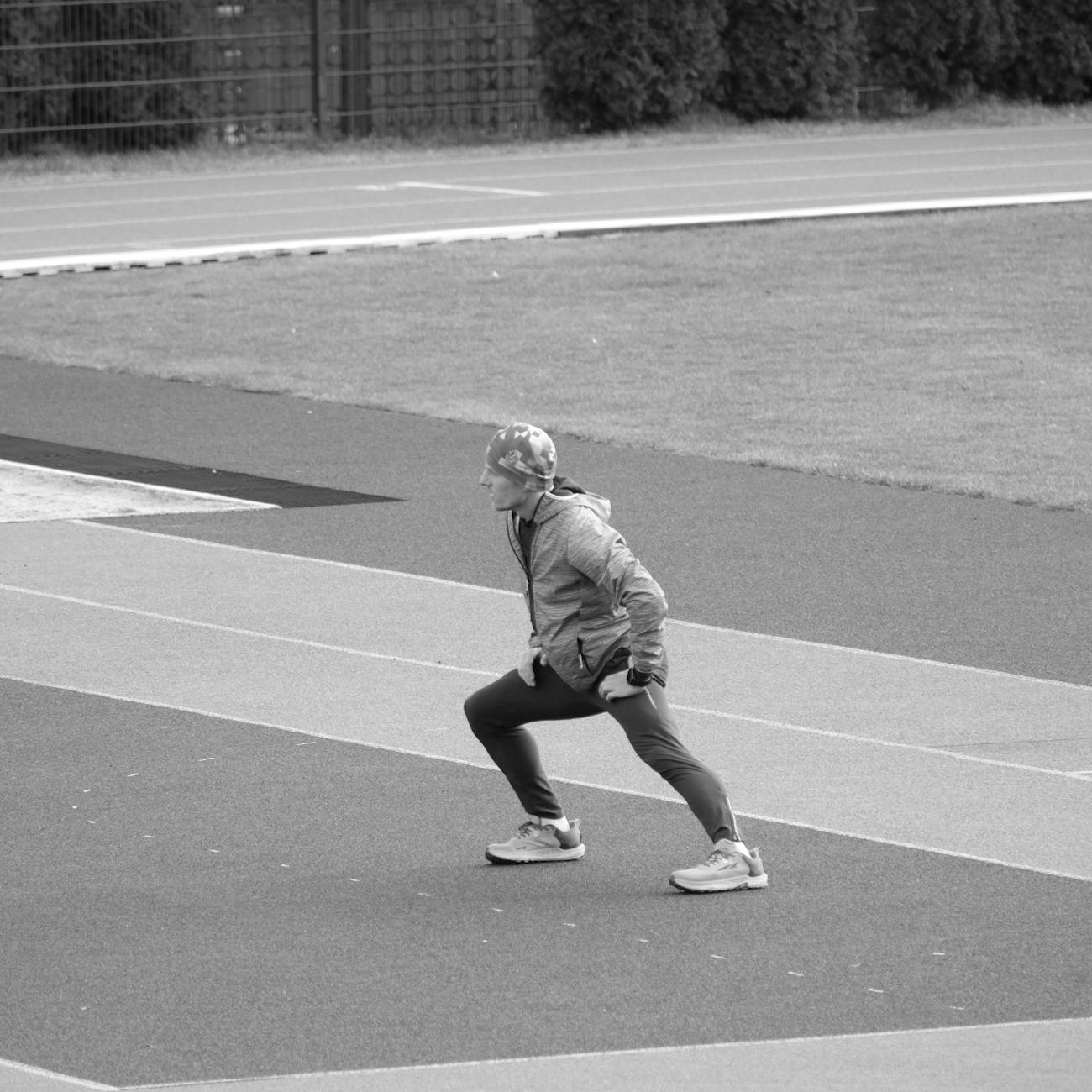
BioHacking for Physical Performance
Biohacking is a term that has gained popularity in recent years for its innovative approach to optimizing human performance. It involves using a combination of science, technology, and lifestyle modifications to enhance various aspects of health and well-being. When it comes to physical performance, biohacking focuses on improving factors such as strength, endurance, speed, agility, and overall athletic ability. In the context of the Executive Certificate in BioHacking for Health and Wellness Coaching, biohacking for physical performance is a key area of study that explores cutting-edge strategies to help individuals reach their peak athletic potential.
Key Terms and Vocabulary
1. **Mitochondria**: Mitochondria are often referred to as the powerhouse of the cell. They are responsible for producing energy in the form of adenosine triphosphate (ATP) through a process called cellular respiration. Optimizing mitochondrial function is crucial for enhancing physical performance and overall health.
2. **Nutrigenomics**: Nutrigenomics is the study of how nutrients interact with our genes and how this interaction affects our health and performance. By understanding how specific nutrients impact gene expression, individuals can tailor their diet to optimize physical performance.
3. **Epigenetics**: Epigenetics refers to changes in gene expression that are not caused by alterations in the DNA sequence. Lifestyle factors such as diet, exercise, and stress can influence epigenetic modifications, ultimately impacting physical performance.
4. **Intermittent Fasting**: Intermittent fasting is an eating pattern that involves cycling between periods of eating and fasting. This approach has been shown to improve metabolic health, increase energy levels, and enhance physical performance.
5. **Ketosis**: Ketosis is a metabolic state in which the body burns fat for fuel instead of carbohydrates. By following a ketogenic diet, individuals can train their bodies to efficiently use fat for energy, which can lead to improved physical performance and endurance.
6. **Cryotherapy**: Cryotherapy involves exposing the body to extremely cold temperatures for a short period of time. This practice has been shown to reduce inflammation, speed up recovery, and improve overall physical performance.
7. **Neuroplasticity**: Neuroplasticity is the brain's ability to reorganize itself by forming new neural connections. By engaging in activities that promote neuroplasticity, individuals can enhance their cognitive function, focus, and coordination, all of which are crucial for physical performance.
8. **Red Light Therapy**: Red light therapy involves exposing the body to low-level red light wavelengths to stimulate cellular repair and regeneration. This therapy can help reduce muscle soreness, improve recovery, and enhance physical performance.
9. **Biofeedback**: Biofeedback is a technique that allows individuals to monitor and control physiological processes such as heart rate, blood pressure, and muscle tension. By using biofeedback devices, athletes can optimize their performance by learning to regulate their body's responses.
10. **Adaptogens**: Adaptogens are natural substances that help the body adapt to stress and maintain balance. These herbs and plants can support physical performance by reducing fatigue, improving endurance, and enhancing recovery.
11. **Hormesis**: Hormesis is a biological phenomenon in which exposure to low doses of stressors can stimulate adaptive responses that improve resilience and performance. By incorporating hormetic stressors such as cold exposure, heat therapy, and exercise, individuals can enhance their physical performance over time.
12. **Mindfulness**: Mindfulness is the practice of being present and fully engaged in the moment. By cultivating mindfulness through techniques such as meditation and deep breathing, athletes can improve their focus, concentration, and mental resilience, which are essential for optimal physical performance.
13. **Sleep Hygiene**: Sleep hygiene refers to practices and habits that promote good sleep quality and quantity. Adequate sleep is crucial for physical performance as it allows the body to rest, recover, and repair itself after intense training sessions.
14. **Supplementation**: Supplementation involves taking specific vitamins, minerals, and nutrients to fill gaps in the diet and support physical performance. Supplements such as creatine, protein powders, and branched-chain amino acids can enhance muscle growth, recovery, and overall athletic performance.
15. **Inflammation**: Inflammation is the body's natural response to injury or infection. Chronic inflammation can impair physical performance and recovery. By incorporating anti-inflammatory foods, supplements, and lifestyle practices, individuals can reduce inflammation and optimize their athletic abilities.
16. **Hydration**: Hydration is essential for maintaining optimal physical performance. Dehydration can lead to fatigue, cramps, and decreased endurance. By staying properly hydrated before, during, and after exercise, athletes can improve their performance and recovery.
17. **Periodization**: Periodization is a training strategy that involves dividing the training cycle into specific periods or phases. By varying the intensity, volume, and frequency of workouts throughout the year, athletes can prevent burnout, reduce the risk of injury, and maximize their physical performance.
18. **Recovery**: Recovery is a critical component of physical performance. Proper recovery techniques such as foam rolling, stretching, massage, and rest days are essential for rebuilding muscle, reducing fatigue, and preventing overtraining.
19. **VO2 Max**: VO2 max is the maximum amount of oxygen that an individual can utilize during intense exercise. It is a key indicator of aerobic fitness and endurance. By improving VO2 max through training and biohacking strategies, athletes can enhance their cardiovascular performance.
20. **Anaerobic Threshold**: The anaerobic threshold is the point at which the body switches from aerobic to anaerobic metabolism during exercise. By increasing the anaerobic threshold through high-intensity interval training (HIIT) and other training methods, athletes can sustain higher intensities for longer periods, leading to improved physical performance.
21. **Biomechanics**: Biomechanics is the study of how the body moves and the forces that act upon it during physical activity. By optimizing biomechanics through proper form, posture, and movement patterns, athletes can enhance their efficiency, power, and performance while reducing the risk of injury.
22. **Metabolism**: Metabolism refers to the biochemical processes that occur in the body to convert food into energy. By understanding and optimizing metabolism through diet, exercise, and lifestyle changes, individuals can improve their energy levels, body composition, and physical performance.
23. **Gut Health**: Gut health plays a crucial role in physical performance as the digestive system is responsible for nutrient absorption, immune function, and inflammation regulation. By supporting gut health through probiotics, prebiotics, and a balanced diet, athletes can optimize their performance and recovery.
24. **Electrolytes**: Electrolytes are minerals such as sodium, potassium, and magnesium that are essential for proper hydration, muscle function, and nerve signaling. By replenishing electrolytes lost through sweat during exercise, athletes can maintain optimal performance and prevent cramping.
25. **Oxidative Stress**: Oxidative stress occurs when there is an imbalance between free radicals and antioxidants in the body, leading to cellular damage and inflammation. By reducing oxidative stress through antioxidants, exercise, and lifestyle modifications, athletes can improve recovery, performance, and overall health.
26. **Injury Prevention**: Injury prevention is a key aspect of physical performance. By incorporating strength training, mobility work, proper warm-up and cool-down routines, and listening to the body's signals, athletes can reduce the risk of injuries and stay healthy and active in the long run.
27. **Microbiome**: The microbiome refers to the trillions of bacteria, viruses, fungi, and other microorganisms that inhabit the gut and play a crucial role in digestion, immune function, and overall health. By maintaining a diverse and balanced microbiome through a healthy diet, probiotics, and lifestyle practices, athletes can support their physical performance and well-being.
28. **Functional Movement**: Functional movement involves performing exercises and movements that mimic real-life activities and improve strength, flexibility, and coordination. By focusing on functional movements in training programs, athletes can enhance their performance in sport-specific activities and daily life.
29. **Blood Flow Restriction Training**: Blood flow restriction (BFR) training involves using bands or cuffs to partially restrict blood flow to the limbs during exercise. This technique has been shown to increase muscle growth, strength, and endurance while using lighter loads, making it a valuable tool for enhancing physical performance.
30. **High-Intensity Interval Training**: High-intensity interval training (HIIT) is a training method that involves alternating between short bursts of intense exercise and brief periods of rest or lower-intensity exercise. HIIT has been shown to improve cardiovascular fitness, endurance, and fat loss, making it an effective strategy for enhancing physical performance.
Practical Applications
- **Implementing a Ketogenic Diet**: Athletes can enhance their physical performance by following a ketogenic diet that prioritizes fat consumption and limits carbohydrates. By training the body to utilize fat for fuel, athletes can improve endurance, energy levels, and metabolic efficiency.
- **Incorporating Cryotherapy**: Athletes can benefit from incorporating cryotherapy into their recovery routine to reduce inflammation, speed up recovery, and enhance physical performance. By exposing the body to cold temperatures, athletes can promote healing and optimize their recovery process.
- **Utilizing Mindfulness Techniques**: Athletes can improve their focus, concentration, and mental resilience by incorporating mindfulness techniques such as meditation, deep breathing, and visualization. By training the mind, athletes can enhance their performance in high-pressure situations and maintain a competitive edge.
- **Optimizing Sleep Hygiene**: Adequate sleep is crucial for physical performance, recovery, and overall health. Athletes can optimize their sleep hygiene by establishing a consistent bedtime routine, creating a dark and quiet sleep environment, and avoiding electronic devices before bed.
- **Integrating Blood Flow Restriction Training**: Athletes can enhance muscle growth, strength, and endurance by integrating blood flow restriction training into their workout routines. By using BFR bands or cuffs, athletes can achieve significant gains with lighter loads, making it a valuable tool for improving physical performance.
Challenges
- **Individual Variability**: One of the challenges of biohacking for physical performance is that what works for one person may not work for another. Each individual has unique genetics, lifestyle factors, and preferences that can impact the effectiveness of biohacking strategies.
- **Information Overload**: With the abundance of information available on biohacking, athletes may struggle to determine which strategies are most relevant and effective for their specific goals. It is important to carefully research and experiment with different biohacking techniques to find what works best.
- **Consistency and Patience**: Biohacking for physical performance requires consistency and patience to see results. Athletes must commit to implementing biohacking strategies consistently over time and understand that improvements may take time to manifest.
- **Balancing Recovery and Training**: Finding the right balance between training intensity and recovery is crucial for optimizing physical performance. Athletes must prioritize rest, proper nutrition, and recovery techniques to prevent burnout and injury while maximizing their athletic potential.
- **Ethical Considerations**: Some biohacking practices may raise ethical concerns, particularly when it comes to performance-enhancing substances or technologies. Athletes should carefully consider the risks and benefits of different biohacking strategies and ensure they align with their values and goals.
Conclusion
Biohacking for physical performance offers a wide range of strategies and techniques to help athletes optimize their health, fitness, and overall athletic abilities. By understanding key terms and concepts such as mitochondria, nutrigenomics, intermittent fasting, ketosis, and cryotherapy, athletes can tailor their training and lifestyle practices to enhance their physical performance. Practical applications such as implementing a ketogenic diet, incorporating cryotherapy, utilizing mindfulness techniques, and integrating blood flow restriction training can help athletes reach their peak potential. However, challenges such as individual variability, information overload, consistency, and ethical considerations must be carefully considered when embarking on a biohacking journey. By navigating these challenges with awareness and intention, athletes can harness the power of biohacking to optimize their physical performance and achieve their goals.
Key takeaways
- When it comes to physical performance, biohacking focuses on improving factors such as strength, endurance, speed, agility, and overall athletic ability.
- They are responsible for producing energy in the form of adenosine triphosphate (ATP) through a process called cellular respiration.
- **Nutrigenomics**: Nutrigenomics is the study of how nutrients interact with our genes and how this interaction affects our health and performance.
- Lifestyle factors such as diet, exercise, and stress can influence epigenetic modifications, ultimately impacting physical performance.
- **Intermittent Fasting**: Intermittent fasting is an eating pattern that involves cycling between periods of eating and fasting.
- By following a ketogenic diet, individuals can train their bodies to efficiently use fat for energy, which can lead to improved physical performance and endurance.
- **Cryotherapy**: Cryotherapy involves exposing the body to extremely cold temperatures for a short period of time.