
Sustainable Urban Planning
Sustainable Urban Planning
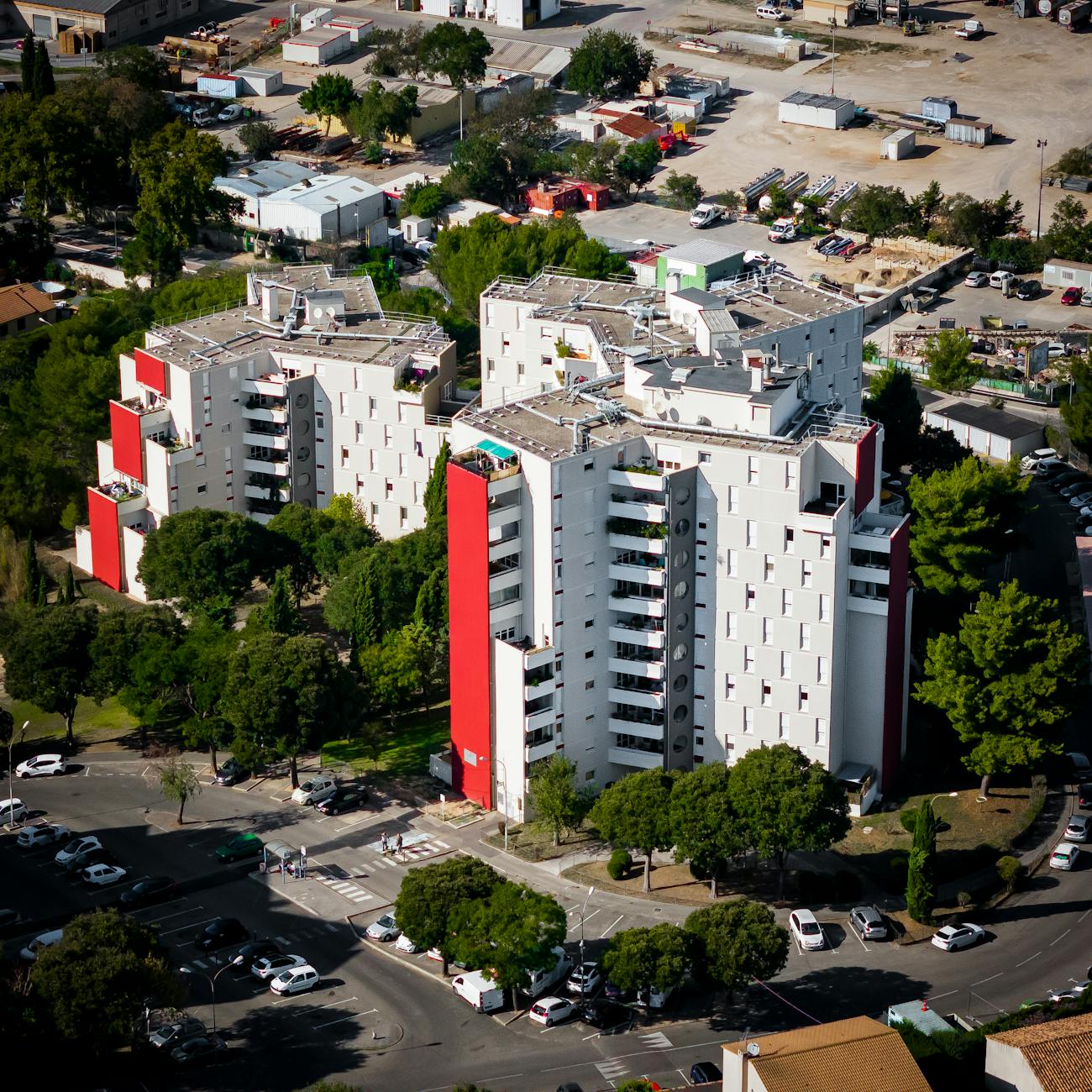
Sustainable Urban Planning
Sustainable Urban Planning is a comprehensive approach to designing cities, towns, and communities that aims to create environmentally friendly, socially equitable, and economically viable urban areas. It involves the integration of land use, transportation, infrastructure, and other elements to promote sustainable development and improve the quality of life for residents.
Key Terms
1. **Sustainability**: The ability to meet the needs of the present without compromising the ability of future generations to meet their own needs. In urban planning, sustainability involves balancing economic, social, and environmental considerations to create resilient and livable cities.
2. **Urbanization**: The process of population concentration in urban areas, leading to the growth and expansion of cities. Urbanization poses challenges such as increased demand for resources, infrastructure, and services, making sustainable urban planning essential.
3. **Compact Development**: A planning strategy that promotes higher density, mixed land uses, and efficient transportation to reduce urban sprawl and promote sustainable development. Compact development can enhance walkability, reduce car dependence, and preserve green spaces.
4. **Smart Growth**: An urban planning approach that focuses on creating compact, mixed-use developments that are transit-oriented, walkable, and environmentally sustainable. Smart growth aims to reduce greenhouse gas emissions, promote public health, and enhance community livability.
5. **Mixed-Use Development**: A planning strategy that integrates a mix of residential, commercial, and recreational activities within a single neighborhood or development. Mixed-use development can reduce the need for car trips, enhance social interaction, and create vibrant, diverse communities.
6. **Transit-Oriented Development (TOD)**: A planning approach that focuses on designing neighborhoods and developments around public transportation hubs. TOD aims to reduce car dependency, promote alternative modes of transportation, and create vibrant, accessible urban areas.
7. **Green Infrastructure**: The network of natural and semi-natural spaces, such as parks, greenways, and urban forests, that provide multiple environmental, social, and economic benefits in urban areas. Green infrastructure can enhance biodiversity, improve air and water quality, and mitigate climate change impacts.
8. **Complete Streets**: Streets designed to accommodate all users, including pedestrians, cyclists, and public transit riders, in addition to motorists. Complete streets prioritize safety, accessibility, and multimodal transportation options to enhance urban mobility and quality of life.
9. **Resilient Cities**: Cities that are able to withstand and recover from environmental, social, and economic shocks and stresses, such as natural disasters, climate change, and economic downturns. Resilient cities integrate adaptive planning, infrastructure, and community engagement to enhance their capacity to cope with uncertainties.
10. **Green Building**: The practice of designing, constructing, and operating buildings in an environmentally responsible and resource-efficient manner. Green buildings use sustainable materials, energy-efficient systems, and passive design strategies to minimize environmental impacts and enhance occupant comfort.
Challenges and Opportunities
Sustainable urban planning faces several challenges and opportunities in the context of rapid urbanization, climate change, and social inequality. Some of the key challenges include:
- **Land Use Conflicts**: Balancing competing demands for land, such as housing, infrastructure, agriculture, and conservation, can lead to conflicts over land use priorities and limited space for sustainable development.
- **Infrastructure Deficiencies**: Inadequate infrastructure, such as transportation, water, and sanitation systems, can hinder sustainable urban planning efforts and limit access to essential services for residents.
- **Social Equity**: Ensuring equitable access to housing, jobs, education, healthcare, and other services for all residents is a critical challenge in sustainable urban planning, as marginalized communities often face disproportionate impacts of urban development.
- **Climate Change**: Mitigating and adapting to the impacts of climate change, such as extreme weather events, sea-level rise, and heatwaves, is a key challenge for sustainable urban planning to enhance urban resilience and reduce greenhouse gas emissions.
Despite these challenges, sustainable urban planning offers numerous opportunities to create more livable, inclusive, and resilient cities. Some of the key opportunities include:
- **Innovative Technologies**: Leveraging technology, such as smart sensors, data analytics, and renewable energy systems, can enhance the efficiency and sustainability of urban infrastructure and services.
- **Community Engagement**: Engaging residents, businesses, nonprofits, and other stakeholders in the planning process can foster social cohesion, build trust, and ensure that urban development projects are responsive to community needs and priorities.
- **Policy Integration**: Integrating sustainability principles into urban planning policies, regulations, and incentives can promote more sustainable land use, transportation, and building practices at the local, regional, and national levels.
- **Green Jobs**: Investing in green infrastructure, renewable energy, energy efficiency, and other sustainable initiatives can create new job opportunities, spur economic growth, and enhance urban competitiveness.
By addressing these challenges and embracing these opportunities, sustainable urban planning can play a crucial role in shaping the future of cities and communities to be more sustainable, resilient, and equitable for all residents.
Key takeaways
- Sustainable Urban Planning is a comprehensive approach to designing cities, towns, and communities that aims to create environmentally friendly, socially equitable, and economically viable urban areas.
- **Sustainability**: The ability to meet the needs of the present without compromising the ability of future generations to meet their own needs.
- Urbanization poses challenges such as increased demand for resources, infrastructure, and services, making sustainable urban planning essential.
- **Compact Development**: A planning strategy that promotes higher density, mixed land uses, and efficient transportation to reduce urban sprawl and promote sustainable development.
- **Smart Growth**: An urban planning approach that focuses on creating compact, mixed-use developments that are transit-oriented, walkable, and environmentally sustainable.
- **Mixed-Use Development**: A planning strategy that integrates a mix of residential, commercial, and recreational activities within a single neighborhood or development.
- **Transit-Oriented Development (TOD)**: A planning approach that focuses on designing neighborhoods and developments around public transportation hubs.