
Technology Solutions for Fleet Management
Fleet Management: Fleet management refers to the process of managing a company's fleet of vehicles efficiently and effectively. This includes a range of functions such as vehicle maintenance, fuel management, driver management, route optimi…
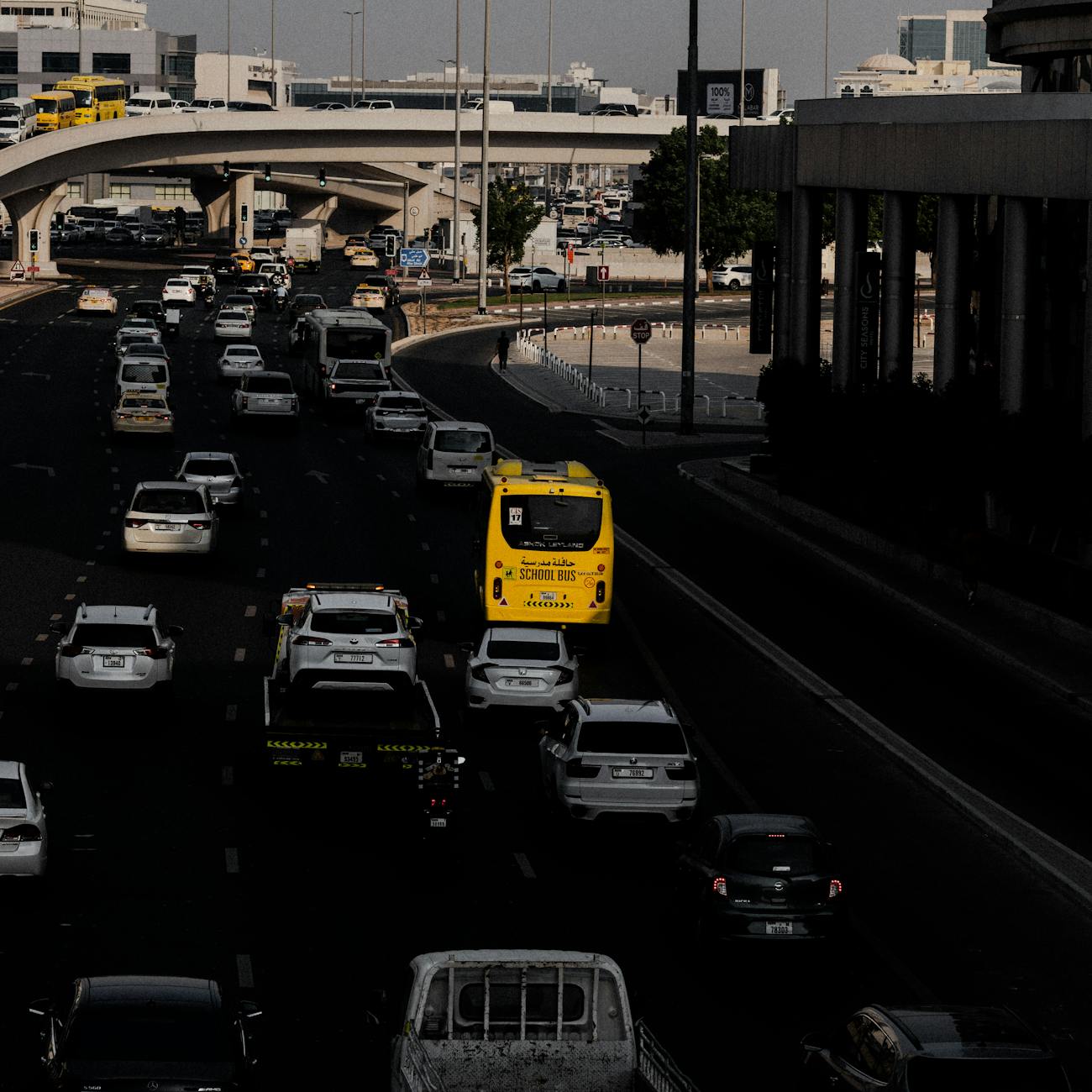
Fleet Management: Fleet management refers to the process of managing a company's fleet of vehicles efficiently and effectively. This includes a range of functions such as vehicle maintenance, fuel management, driver management, route optimization, and more.
Technology Solutions: Technology solutions in the context of fleet management are software systems or tools designed to streamline and automate various fleet management tasks. These solutions leverage technology such as GPS, telematics, and data analytics to improve fleet operations.
Vehicle Tracking: Vehicle tracking is a technology solution that uses GPS to monitor the location of vehicles in real-time. This allows fleet managers to track the movement of vehicles, optimize routes, and improve overall fleet efficiency.
Telematics: Telematics involves the use of technology to monitor and communicate information about vehicles. It combines GPS technology with onboard diagnostics to gather data on vehicle performance, driver behavior, fuel consumption, and more.
Driver Management: Driver management refers to the process of monitoring and managing drivers within a fleet. This includes tracking driver behavior, scheduling driver shifts, monitoring driver performance, and ensuring compliance with safety regulations.
Route Optimization: Route optimization is the process of finding the most efficient routes for vehicles to take. Technology solutions can analyze factors such as traffic patterns, road conditions, and delivery schedules to optimize routes and reduce fuel consumption.
Maintenance Scheduling: Maintenance scheduling involves planning and scheduling regular maintenance for fleet vehicles. Technology solutions can track vehicle usage, mileage, and performance to schedule maintenance tasks proactively, reducing downtime and extending vehicle lifespan.
Fuel Management: Fuel management involves monitoring and managing fuel consumption within a fleet. Technology solutions can track fuel usage, analyze fuel efficiency, and identify opportunities to reduce fuel costs through better route planning and driver behavior.
Data Analytics: Data analytics involves analyzing data collected from fleet operations to gain insights and make informed decisions. Technology solutions use data analytics to identify trends, optimize performance, and improve overall fleet efficiency.
Compliance Management: Compliance management involves ensuring that fleet operations comply with regulations and industry standards. Technology solutions can track compliance requirements, manage documentation, and alert fleet managers to any potential violations.
Asset Tracking: Asset tracking is a technology solution that allows fleet managers to monitor the location and status of assets such as vehicles, equipment, and inventory. This helps optimize asset utilization, prevent theft, and improve overall fleet security.
Mobile Applications: Mobile applications are software applications designed to run on mobile devices such as smartphones and tablets. In fleet management, mobile applications can provide real-time access to fleet data, enable communication with drivers, and facilitate remote monitoring of fleet operations.
Geofencing: Geofencing is a technology solution that creates virtual boundaries around specific geographic areas. Fleet managers can use geofencing to monitor when vehicles enter or leave designated areas, track driver behavior, and improve security.
Remote Diagnostics: Remote diagnostics is a technology solution that allows fleet managers to monitor vehicle health and performance remotely. By analyzing onboard diagnostics data, fleet managers can identify potential issues proactively and schedule maintenance before problems arise.
Predictive Maintenance: Predictive maintenance involves using data analytics to predict when maintenance tasks will be required based on vehicle usage and performance. This proactive approach helps prevent breakdowns, reduce downtime, and extend the lifespan of fleet vehicles.
Driver Behavior Monitoring: Driver behavior monitoring involves tracking and analyzing driver behavior to promote safe driving practices. Technology solutions can monitor factors such as speed, braking, and acceleration to identify risky behavior and provide feedback to drivers.
Real-time Alerts: Real-time alerts are notifications that are sent to fleet managers or drivers instantly based on predefined triggers. These alerts can notify managers of issues such as vehicle breakdowns, route deviations, or driver safety violations, enabling quick action to be taken.
Integration: Integration involves connecting different systems or software solutions to work together seamlessly. In fleet management, integration allows data to flow between various technologies, such as telematics systems, maintenance software, and fuel management tools, to provide a comprehensive view of fleet operations.
Cloud Computing: Cloud computing is a technology solution that allows data to be stored and accessed over the internet instead of on local servers. Fleet managers can leverage cloud computing to access fleet data from anywhere, collaborate with team members, and benefit from scalability and cost-efficiency.
Scalability: Scalability refers to the ability of a technology solution to grow or shrink in response to changing needs. In fleet management, scalable solutions can accommodate an expanding fleet, additional features, or increased data volume without compromising performance.
Cost Efficiency: Cost efficiency involves maximizing the value of technology solutions while minimizing expenses. Fleet managers can achieve cost efficiency by choosing solutions that offer a high return on investment, reduce operational costs, and improve overall fleet performance.
User Interface: User interface refers to the visual design and layout of software applications that users interact with. A user-friendly interface in fleet management technology solutions makes it easy for fleet managers and drivers to access information, perform tasks, and make informed decisions.
Training and Support: Training and support are essential components of implementing technology solutions in fleet management. Providing training to users on how to use the technology effectively and offering ongoing support can help maximize the benefits of the solutions and ensure successful implementation.
Challenges: Implementing technology solutions for fleet management comes with various challenges that organizations may face. These challenges can include resistance to change, integration issues, data security concerns, and the need for ongoing maintenance and updates to keep the technology up to date.
Examples: Several technology solutions are available for fleet management, including Fleet Complete, Geotab, Verizon Connect, and Samsara. These solutions offer a range of features such as vehicle tracking, driver monitoring, route optimization, and maintenance scheduling to help organizations manage their fleets more effectively.
Practical Applications: Fleet management technology solutions have practical applications in various industries, including logistics, transportation, construction, and delivery services. These solutions help organizations optimize fleet operations, reduce costs, improve safety, and enhance customer satisfaction.
Benefits: Implementing technology solutions for fleet management can provide several benefits to organizations, such as increased operational efficiency, reduced fuel costs, improved driver safety, enhanced compliance, and better decision-making based on data-driven insights.
ROI: Return on investment (ROI) is a metric used to evaluate the profitability of technology solutions in fleet management. By calculating the ROI of implementing these solutions, organizations can assess the value they are gaining from the technology in terms of cost savings, improved performance, and overall efficiency.
Future Trends: The future of technology solutions for fleet management is likely to include advancements in areas such as artificial intelligence, machine learning, autonomous vehicles, and predictive analytics. These trends will further enhance the capabilities of fleet management technology and drive innovation in the industry.
Key takeaways
- Fleet Management: Fleet management refers to the process of managing a company's fleet of vehicles efficiently and effectively.
- Technology Solutions: Technology solutions in the context of fleet management are software systems or tools designed to streamline and automate various fleet management tasks.
- Vehicle Tracking: Vehicle tracking is a technology solution that uses GPS to monitor the location of vehicles in real-time.
- It combines GPS technology with onboard diagnostics to gather data on vehicle performance, driver behavior, fuel consumption, and more.
- This includes tracking driver behavior, scheduling driver shifts, monitoring driver performance, and ensuring compliance with safety regulations.
- Technology solutions can analyze factors such as traffic patterns, road conditions, and delivery schedules to optimize routes and reduce fuel consumption.
- Technology solutions can track vehicle usage, mileage, and performance to schedule maintenance tasks proactively, reducing downtime and extending vehicle lifespan.