
Unit 7: Sensory Integration in the School Setting
Sensory Integration: Sensory Integration is the process by which we receive, organize, and interpret sensory information from our environment to produce an appropriate response. It involves the ability to take in sensory information from th…
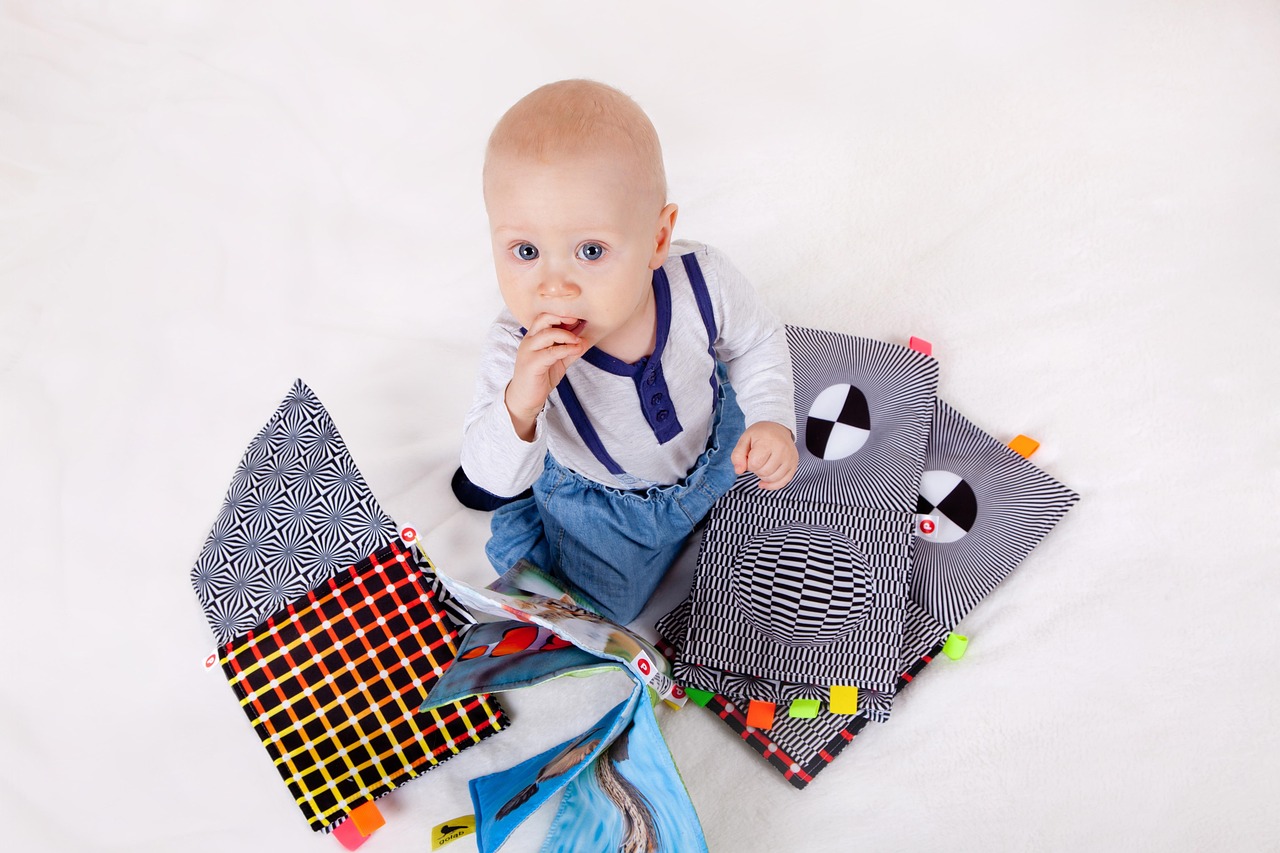
Sensory Integration: Sensory Integration is the process by which we receive, organize, and interpret sensory information from our environment to produce an appropriate response. It involves the ability to take in sensory information from the environment, process that information, and respond to it in a meaningful way. Sensory Integration is crucial for everyday functioning and plays a significant role in various activities, including learning, social interactions, and motor skills.
Sensory Processing: Sensory processing refers to how our nervous system receives sensory stimuli and turns them into responses. It involves taking in sensory information, organizing and interpreting it, and then responding appropriately. Sensory processing is a complex process that involves multiple sensory systems working together to create a coherent experience of the world around us.
Sensory Systems: The sensory systems are the different systems in our body that help us receive and interpret sensory information. These systems include the visual system (sight), auditory system (hearing), olfactory system (smell), gustatory system (taste), tactile system (touch), proprioceptive system (body awareness), and vestibular system (balance and movement). Each of these sensory systems plays a crucial role in sensory processing and integration.
Sensory Modulation: Sensory modulation refers to the ability to regulate responses to sensory stimuli in order to maintain an appropriate level of arousal. It involves the ability to filter out irrelevant stimuli and focus on important information. Sensory modulation allows us to respond appropriately to sensory input and adapt to changing environmental demands.
Sensory Discrimination: Sensory discrimination is the ability to perceive and differentiate between different sensory stimuli. It involves being able to identify and interpret sensory information accurately. Sensory discrimination is essential for tasks that require precise sensory input, such as handwriting, fine motor skills, and spatial awareness.
Sensory Integration Dysfunction: Sensory Integration Dysfunction (SID) is a condition in which an individual has difficulty processing and integrating sensory information from the environment. People with SID may have trouble organizing and responding to sensory input, leading to challenges in daily activities and social interactions. SID can manifest in various ways, including sensory seeking or avoiding behaviors, poor coordination, and difficulty with attention and focus.
Sensory Diet: A sensory diet is a personalized plan designed to provide sensory input throughout the day to help regulate a person's sensory system. It includes activities and strategies that are tailored to an individual's sensory needs and preferences. A sensory diet can help individuals with sensory processing challenges stay focused, organized, and calm throughout the day.
Proprioception: Proprioception is the sense that enables us to perceive the position and movement of our body in space. It provides us with information about where our body parts are in relation to each other and the environment. Proprioception plays a crucial role in motor planning, coordination, and body awareness.
Vestibular System: The vestibular system is responsible for detecting motion, maintaining balance, and coordinating eye movements. It is located in the inner ear and provides information about head position and movement in relation to gravity. The vestibular system plays a key role in regulating posture, balance, and spatial orientation.
Praxis: Praxis is the ability to plan and execute purposeful and coordinated movements. It involves ideation (coming up with an idea), motor planning (creating a plan of action), and execution (carrying out the plan). Praxis is essential for everyday tasks such as dressing, eating, and playing.
Desensitization: Desensitization is a process that involves gradually exposing an individual to sensory stimuli in a controlled and systematic way to reduce sensitivity or aversive reactions. It is commonly used to help individuals with sensory processing challenges become more tolerant of certain sensory experiences. Desensitization can involve various sensory inputs, such as touch, sound, or movement.
Sensory Overload: Sensory overload occurs when an individual is exposed to an excessive amount of sensory stimuli that overwhelms their sensory system. It can lead to feelings of anxiety, stress, and discomfort. Sensory overload can impact a person's ability to focus, regulate emotions, and engage in daily activities.
Sensory Underresponsivity: Sensory underresponsivity is a condition in which an individual has a decreased sensitivity to sensory stimuli. People with sensory underresponsivity may not respond to sensory input as expected, leading to challenges in processing and integrating sensory information. They may appear unresponsive or unaware of their environment.
Sensory Seeking: Sensory seeking refers to behaviors in which an individual actively seeks out sensory input to meet their sensory needs. This can include seeking out activities that provide intense sensory experiences, such as jumping, spinning, or touching different textures. Sensory seeking behaviors can help individuals regulate their sensory system and maintain an optimal level of arousal.
Sensory Avoiding: Sensory avoiding refers to behaviors in which an individual actively avoids or withdraws from certain sensory stimuli. This can include avoiding loud noises, bright lights, or certain textures. Sensory avoiding behaviors can help individuals protect themselves from overwhelming sensory input and maintain a sense of comfort and safety.
Joint Attention: Joint attention is the ability to share attention with another person on an object, event, or topic of interest. It involves coordinating attention between oneself and others to focus on a common point of interest. Joint attention is important for social interactions, communication, and learning.
Executive Function: Executive function refers to a set of mental skills that help individuals plan, organize, and execute tasks. It involves processes such as working memory, cognitive flexibility, and self-control. Executive function plays a crucial role in goal-directed behavior, problem-solving, and decision-making.
Self-Regulation: Self-regulation is the ability to monitor and control one's emotions, behaviors, and responses to sensory stimuli. It involves being able to regulate arousal levels, attention, and emotional reactions in order to adapt to changing environmental demands. Self-regulation is essential for managing stress, staying focused, and engaging in social interactions.
Sensory-Motor Integration: Sensory-motor integration is the ability to coordinate sensory input with motor responses to perform skilled movements. It involves integrating sensory information from the environment with motor planning and execution. Sensory-motor integration is essential for tasks that require precise control of movement, such as handwriting, riding a bike, or catching a ball.
Accommodations: Accommodations are modifications or adjustments made to the environment, materials, or tasks to support individuals with sensory processing challenges. Accommodations can help create a more sensory-friendly environment and make tasks more accessible for individuals with sensory needs. Examples of accommodations include providing a quiet space, using visual schedules, or offering sensory tools.
Modifications: Modifications are changes made to the curriculum, activities, or expectations to better meet the needs of individuals with sensory processing challenges. Modifications can involve altering the content, pace, or format of tasks to ensure that all students can participate and succeed. Modifications are individualized and based on the specific needs of each student.
Collaboration: Collaboration involves working together with other professionals, caregivers, and individuals to support the sensory needs of students in the school setting. Collaboration allows for sharing of knowledge, resources, and expertise to create a comprehensive and effective sensory support plan. Collaborative efforts can help ensure that students receive the necessary support and accommodations to thrive in the school environment.
Inclusion: Inclusion is the practice of providing all students, including those with sensory processing challenges, the opportunity to participate in and benefit from educational programs and activities. It involves creating a supportive and inclusive environment that values diversity and promotes equal access to education for all students. Inclusion helps foster a sense of belonging, acceptance, and respect for all individuals.
Universal Design for Learning (UDL): Universal Design for Learning (UDL) is an educational framework that aims to create flexible learning environments that accommodate diverse learning styles and needs. UDL emphasizes providing multiple means of representation, engagement, and expression to support the learning needs of all students. By incorporating UDL principles, educators can create inclusive and accessible learning experiences for students with sensory processing challenges.
Environmental Modifications: Environmental modifications involve adapting the physical environment to better meet the sensory needs of students. This can include adjusting lighting, reducing noise levels, providing sensory-friendly seating, and creating designated sensory spaces. Environmental modifications help create a more supportive and conducive learning environment for individuals with sensory processing challenges.
Sensory Tools: Sensory tools are devices or materials that are used to provide sensory input to help regulate an individual's sensory system. These tools can include fidget toys, weighted blankets, sensory brushes, and noise-canceling headphones. Sensory tools can be used to promote self-regulation, attention, and engagement in daily activities.
Behavioral Strategies: Behavioral strategies are techniques and interventions used to address challenging behaviors related to sensory processing difficulties. These strategies focus on promoting positive behavior, teaching coping skills, and providing support to help individuals manage their sensory needs effectively. Behavioral strategies can help individuals with sensory processing challenges navigate social situations, regulate emotions, and engage in meaningful activities.
Therapeutic Interventions: Therapeutic interventions are treatments and techniques used by occupational therapists, physical therapists, and other professionals to address sensory processing challenges in individuals. These interventions may include sensory integration therapy, sensory-based activities, and therapeutic exercises designed to improve sensory processing, motor skills, and functional abilities. Therapeutic interventions are tailored to the specific needs and goals of each individual.
Visual Supports: Visual supports are tools and aids that use visual cues to help individuals with sensory processing challenges understand information, organize tasks, and communicate effectively. Visual supports can include visual schedules, picture cues, and graphic organizers. By incorporating visual supports, educators can enhance comprehension, independence, and participation for students with sensory needs.
Sensory-Friendly Programming: Sensory-friendly programming refers to activities, events, and environments that are designed to accommodate individuals with sensory processing challenges. This can include sensory-friendly performances, sensory-friendly classrooms, and sensory-friendly outings. Sensory-friendly programming aims to create inclusive and accessible experiences for individuals with sensory needs.
Individualized Education Plan (IEP): An Individualized Education Plan (IEP) is a personalized plan developed for students with disabilities, including those with sensory processing challenges. An IEP outlines the student's needs, goals, accommodations, and services to support their learning and development. It is a legally binding document that guides the educational programming and support for the student.
504 Plan: A 504 Plan is a plan developed for students with disabilities who require accommodations and support in the general education setting. A 504 Plan outlines the student's needs, accommodations, and services to ensure equal access to education. It is based on Section 504 of the Rehabilitation Act of 1973, which prohibits discrimination against individuals with disabilities.
Sensory Breaks: Sensory breaks are short breaks during the school day that provide opportunities for students to regulate their sensory system. These breaks can involve movement activities, deep pressure input, or quiet time in a sensory-friendly environment. Sensory breaks help students refocus, recharge, and maintain optimal arousal levels for learning.
Sensory-Friendly Classroom: A sensory-friendly classroom is an environment that is designed to meet the sensory needs of all students, including those with sensory processing challenges. A sensory-friendly classroom may include elements such as flexible seating options, visual supports, designated sensory areas, and reduced sensory stimuli. Creating a sensory-friendly classroom can help promote a positive learning environment for all students.
Sensory-Based Learning Activities: Sensory-based learning activities are educational activities that incorporate sensory input to engage students and enhance learning. These activities can include hands-on experiences, movement breaks, sensory bins, and interactive games. Sensory-based learning activities help students with sensory processing challenges stay focused, motivated, and actively involved in the learning process.
Sensory Integration Room: A sensory integration room is a designated space in the school where students can engage in sensory activities and receive sensory input to support their sensory needs. These rooms are equipped with sensory tools, equipment, and materials to provide a sensory-rich environment for students. Sensory integration rooms can help students regulate their sensory system, improve attention, and enhance participation in classroom activities.
Sensory-Friendly Events: Sensory-friendly events are social or community activities that are designed to accommodate individuals with sensory processing challenges. These events may include adjustments such as reduced noise levels, dimmed lighting, and sensory-friendly activities. Sensory-friendly events provide inclusive and accessible opportunities for individuals with sensory needs to participate and enjoy social experiences.
Sensory Integration Education: Sensory Integration Education refers to training and professional development programs that focus on sensory processing, sensory integration, and strategies to support individuals with sensory processing challenges. This education may include workshops, courses, and certifications for educators, therapists, and other professionals working with individuals with sensory needs. Sensory Integration Education aims to enhance knowledge, skills, and competencies in supporting sensory processing difficulties.
Parent Education: Parent education involves providing families with information, resources, and support to help them understand and address their child's sensory processing challenges. Parent education may include workshops, seminars, and individual consultations to empower parents with knowledge and strategies to support their child's sensory needs at home and in the community. Parent education plays a crucial role in promoting collaboration, advocacy, and positive outcomes for children with sensory processing challenges.
Sensory Integration Assessment: Sensory Integration Assessment involves evaluating an individual's sensory processing abilities, sensory preferences, and challenges. This assessment may include standardized tests, clinical observations, and parent/teacher reports to gather information about the individual's sensory profile. Sensory Integration Assessment helps identify strengths, weaknesses, and sensory needs to guide intervention planning and support.
Occupational Therapy: Occupational Therapy (OT) is a healthcare profession that focuses on helping individuals develop the skills they need for daily living and meaningful activities. Occupational therapists work with individuals of all ages to address sensory processing challenges, motor skills, self-care tasks, and participation in daily activities. OT interventions may include sensory integration therapy, fine motor skills training, adaptive equipment, and environmental modifications.
Physical Therapy: Physical Therapy (PT) is a healthcare profession that focuses on improving movement, function, and physical abilities. Physical therapists work with individuals to address mobility issues, strength, coordination, balance, and gross motor skills. PT interventions may include therapeutic exercises, balance training, gait training, and coordination activities to support individuals with sensory processing challenges.
Speech Therapy: Speech Therapy is a healthcare profession that focuses on improving communication, language, and speech skills. Speech therapists work with individuals to address speech and language delays, articulation issues, social communication, and pragmatic skills. Speech therapy interventions may include language exercises, social skills training, and communication strategies to support individuals with sensory processing challenges.
Multi-Sensory Approach: A multi-sensory approach involves incorporating multiple sensory modalities in learning activities to enhance engagement, comprehension, and retention. This approach allows individuals to learn through different sensory channels, such as visual, auditory, tactile, and kinesthetic. A multi-sensory approach can benefit students with sensory processing challenges by providing varied and meaningful sensory experiences that cater to their individual learning styles.
Interdisciplinary Team: An interdisciplinary team is a group of professionals from different disciplines who work together to address the needs of individuals with sensory processing challenges. This team may include occupational therapists, physical therapists, speech therapists, educators, psychologists, and other professionals. Interdisciplinary collaboration allows for a comprehensive and holistic approach to supporting individuals with sensory needs in the school setting.
Sensory-Friendly Materials: Sensory-friendly materials are tools, resources, and materials that are designed to meet the sensory needs of individuals with sensory processing challenges. These materials may include fidget toys, sensory balls, weighted blankets, noise-canceling headphones, and textured objects. Sensory-friendly materials can help individuals regulate their sensory system, focus attention, and engage in learning activities.
Social Skills Training: Social skills training involves teaching individuals with sensory processing challenges the skills they need to interact with others, communicate effectively, and navigate social situations. This training may include role-playing, social stories, group activities, and peer interactions to practice social skills in a supportive environment. Social skills training helps individuals develop social competence, build relationships, and enhance social engagement.
Self-Care Skills: Self-care skills are activities of daily living that individuals need to perform to take care of themselves and meet their basic needs. These skills include tasks such as dressing, grooming, feeding, toileting, and hygiene. For individuals with sensory processing challenges, self-care skills may be impacted by sensory sensitivities, motor coordination difficulties, or organization challenges. Occupational therapy can help individuals develop independence and proficiency in self-care skills.
Peer Support: Peer support involves fostering positive relationships and interactions between students with sensory processing challenges and their peers. Peer support programs may include peer mentoring, peer buddies, and social inclusion activities to promote understanding, acceptance, and friendship among students. Peer support can help individuals with sensory needs feel included, supported, and valued in the school community.
Emotional Regulation: Emotional regulation refers to the ability to manage and control one's emotions in response to internal and external stimuli. It involves recognizing, understanding, and expressing emotions in a healthy and adaptive way. Emotional regulation skills are important for individuals with sensory processing challenges to cope with stress, regulate arousal levels, and engage in social interactions effectively.
Environmental Cues: Environmental cues are signals or prompts in the environment that provide information, direction, or feedback to individuals. These cues can be visual, auditory, tactile, or olfactory and help individuals navigate their surroundings, understand expectations, and respond appropriately. Environmental cues can support individuals with sensory processing challenges by providing structure, predictability, and guidance in various settings.
Sensory Play: Sensory play involves engaging in activities that stimulate the senses and promote exploration, creativity, and learning. Sensory play can include activities such as playing with sand, water, playdough, or sensory bins. These activities provide opportunities for individuals to experience different textures, smells, sounds, and movements, which can support sensory processing, motor skills, and cognitive development.
Task Analysis: Task analysis is a process of breaking down a complex task into smaller, more manageable steps to help individuals learn and perform the task successfully. Task analysis involves identifying the specific steps, sequencing them in a logical order, and providing support as needed to complete the task. Task analysis can support individuals with sensory processing challenges by breaking down tasks into achievable components and providing clear instructions for successful completion.
Cognitive Behavioral Therapy: Cognitive Behavioral Therapy (CBT) is a form of psychotherapy that focuses on identifying and changing negative thought patterns and behaviors. CBT helps individuals develop coping strategies, problem-solving skills, and emotional regulation techniques to manage challenges and improve mental health. CBT can be beneficial for individuals with sensory processing challenges who may experience anxiety, stress, or difficulty regulating emotions in response to sensory stimuli.
Play-Based Therapy: Play-based therapy
Key takeaways
- Sensory Integration: Sensory Integration is the process by which we receive, organize, and interpret sensory information from our environment to produce an appropriate response.
- Sensory processing is a complex process that involves multiple sensory systems working together to create a coherent experience of the world around us.
- These systems include the visual system (sight), auditory system (hearing), olfactory system (smell), gustatory system (taste), tactile system (touch), proprioceptive system (body awareness), and vestibular system (balance and movement).
- Sensory Modulation: Sensory modulation refers to the ability to regulate responses to sensory stimuli in order to maintain an appropriate level of arousal.
- Sensory discrimination is essential for tasks that require precise sensory input, such as handwriting, fine motor skills, and spatial awareness.
- Sensory Integration Dysfunction: Sensory Integration Dysfunction (SID) is a condition in which an individual has difficulty processing and integrating sensory information from the environment.
- Sensory Diet: A sensory diet is a personalized plan designed to provide sensory input throughout the day to help regulate a person's sensory system.