
Art Transactions and Auctions
Art Transactions and Auctions:
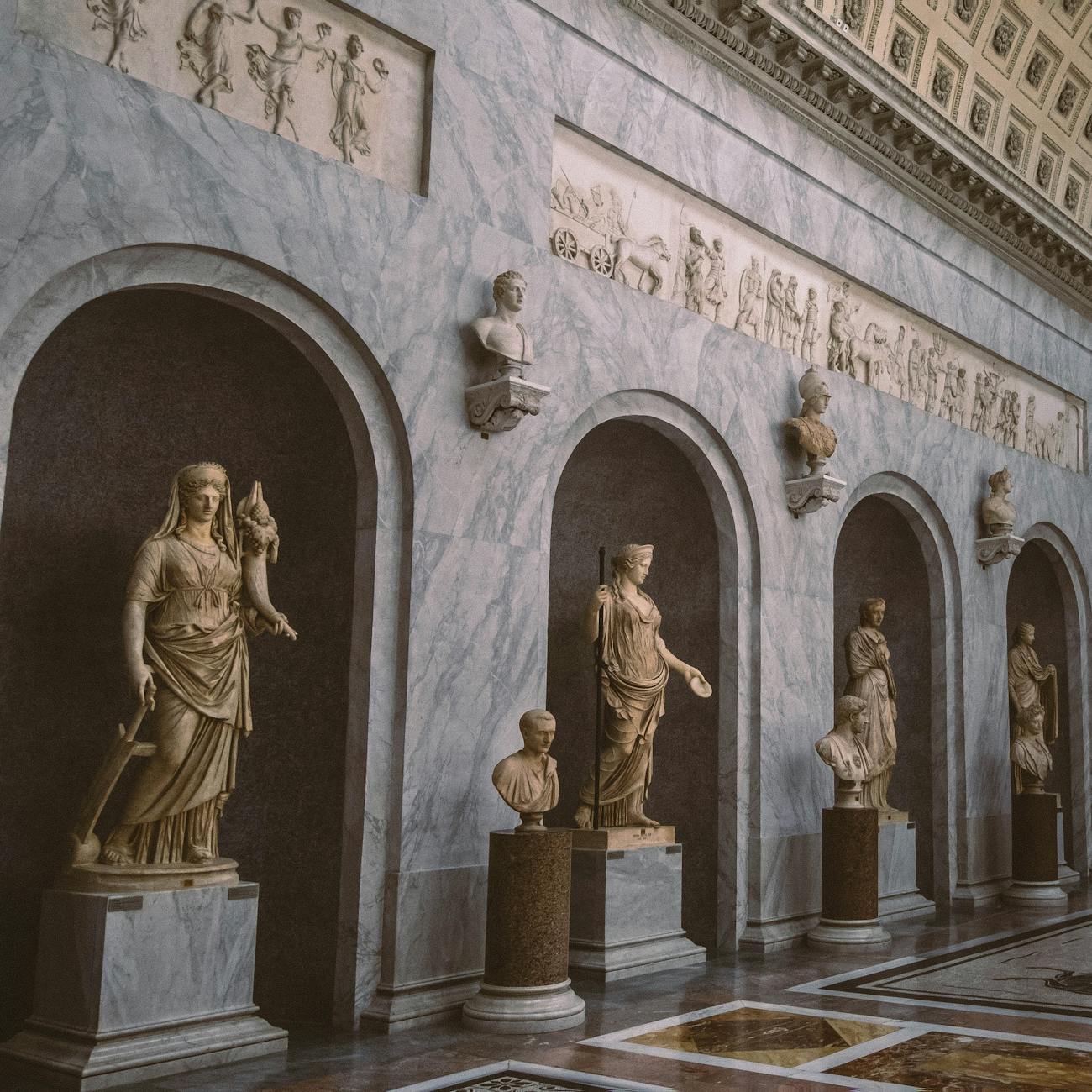
Art Transactions and Auctions:
Art transactions and auctions are key activities in the art market, where artworks are bought and sold. These transactions involve various legal, financial, and ethical considerations that art professionals and collectors need to understand to navigate the art market successfully. In this course, we will explore the key terms and concepts related to art transactions and auctions to provide you with a comprehensive understanding of the art market.
Key Terms:
1. Art Transaction: An art transaction refers to any buying or selling of artworks, whether it is done privately or through a public auction. These transactions can involve artists, galleries, collectors, dealers, and auction houses.
2. Auction: An auction is a public sale where items, including artworks, are sold to the highest bidder. Auctions can take place in physical auction houses or online platforms.
3. Provenance: Provenance is the documented history of ownership of an artwork. It includes information about previous owners, exhibitions, and sales. Provenance is crucial in determining the authenticity and value of an artwork.
4. Authenticity: Authenticity refers to the genuineness of an artwork. It is essential to verify the authenticity of an artwork before buying or selling it to ensure its value and legitimacy.
5. Valuation: Valuation is the process of determining the monetary value of an artwork. Various factors, such as the artist's reputation, provenance, condition, and market demand, can influence the valuation of an artwork.
6. Buyer's Premium: The buyer's premium is an additional fee paid by the buyer on top of the hammer price at an auction. This fee is usually a percentage of the final hammer price and goes to the auction house.
7. Reserve Price: The reserve price is the minimum price set by the seller that must be met for the artwork to be sold at an auction. If the bidding does not reach the reserve price, the artwork remains unsold.
8. Hammer Price: The hammer price is the final price at which an artwork is sold at an auction. It is the price when the auctioneer's hammer falls, indicating the winning bid.
9. Art Dealer: An art dealer is a professional who buys and sells artworks on behalf of artists, collectors, or investors. Art dealers play a significant role in facilitating art transactions and building relationships in the art market.
10. Consignment: Consignment is an agreement between an artist or owner of an artwork and a dealer or auction house to sell the artwork on their behalf. The consignor retains ownership of the artwork until it is sold.
11. Artist's Resale Right: The artist's resale right is a royalty paid to artists on the resale of their artworks. It ensures that artists benefit from the increasing value of their artworks in the secondary market.
12. Due Diligence: Due diligence is the process of investigating and verifying information related to an artwork before a transaction. It involves researching provenance, authenticity, condition, and legal issues to mitigate risks.
13. Copyright: Copyright is the legal right that protects the original works of artists from being reproduced, distributed, or displayed without their permission. Copyright law plays a crucial role in art transactions and auctions.
14. Forgery: Forgery refers to the creation of fake or counterfeit artworks with the intent to deceive buyers. Forgery is a significant risk in the art market, and thorough authentication processes are essential to detect forgeries.
15. Restitution: Restitution is the return of artworks to their rightful owners or heirs who were deprived of them due to theft, looting, or forced sales, often during times of war or political turmoil.
16. Money Laundering: Money laundering is the illegal process of concealing the origins of money obtained through criminal activities by making it appear legitimate. The art market is vulnerable to money laundering due to its high value and lack of transparency.
17. Export Controls: Export controls are regulations that restrict the export of artworks deemed culturally significant or valuable to a country. These controls aim to protect national heritage and prevent the illegal trafficking of cultural property.
18. Import Duties: Import duties are taxes imposed on artworks brought into a country from abroad. Import duties vary depending on the value and origin of the artwork and can impact the cost of art transactions and auctions.
19. Artist's Rights: Artist's rights refer to the legal protections granted to artists, including copyright, moral rights, and resale rights. These rights ensure that artists have control over the use and distribution of their artworks.
20. Art Market Regulation: Art market regulation encompasses laws and guidelines that govern art transactions, auctions, and the conduct of art market participants. Regulation aims to promote transparency, fairness, and ethical practices in the art market.
Practical Applications:
Understanding the key terms and concepts related to art transactions and auctions is essential for anyone involved in the art market, including artists, collectors, dealers, and auction houses. Here are some practical applications of this knowledge:
1. Buying and Selling Artworks: Knowing the valuation, provenance, and authenticity of artworks can help buyers and sellers make informed decisions in art transactions. Conducting due diligence before purchasing or consigning an artwork can prevent costly mistakes and ensure a smooth transaction process.
2. Participating in Auctions: Understanding the auction process, including the buyer's premium, reserve price, and hammer price, can help bidders navigate auctions effectively. Bidders can set their bidding strategy based on these factors to maximize their chances of acquiring artworks at a fair price.
3. Dealing with Legal Issues: Being aware of copyright, forgery, restitution, and money laundering risks can help art market participants protect themselves from legal disputes and financial losses. Compliance with export controls, import duties, and artist's rights is crucial for conducting art transactions ethically and legally.
4. Building Trust and Relationships: Art market professionals who demonstrate knowledge of key terms and concepts related to art transactions and auctions can build trust with clients and partners. Transparency, integrity, and professionalism are essential for fostering long-term relationships in the art market.
5. Navigating International Markets: Understanding art market regulations, export controls, and import duties in different countries is essential for art dealers, collectors, and artists operating in international markets. Compliance with local laws and regulations is crucial for avoiding legal issues and customs delays.
6. Ensuring Fair Compensation: Artists can benefit from knowing about artist's resale rights and royalties to ensure they receive fair compensation for the resale of their artworks. This knowledge empowers artists to negotiate better terms with dealers and auction houses and protect their economic interests.
Challenges:
Despite the importance of understanding key terms and concepts related to art transactions and auctions, art market participants face various challenges in navigating this complex and dynamic industry. Some of the challenges include:
1. Authentication: Verifying the authenticity of artworks can be challenging, especially with the rise of sophisticated forgeries in the art market. Art market participants must invest in expert authentication services and research to avoid purchasing or selling fake artworks.
2. Provenance Research: Tracing the provenance of artworks can be time-consuming and challenging, particularly for artworks with incomplete or questionable ownership histories. Conducting thorough provenance research is essential to establish the legitimacy and value of an artwork.
3. Regulatory Compliance: Complying with art market regulations, export controls, and import duties in different jurisdictions can be complex and costly. Art market participants must stay updated on legal requirements and seek professional advice to ensure compliance and avoid penalties.
4. Market Volatility: The art market is subject to fluctuating demand, trends, and economic conditions that can impact the valuation and sale of artworks. Art market participants must adapt to market changes and develop strategies to mitigate risks and maximize opportunities.
5. Transparency and Due Diligence: Ensuring transparency and conducting due diligence in art transactions can be challenging due to the confidentiality and complexity of some deals. Art market participants must balance the need for privacy with the importance of verifying information and maintaining ethical standards.
6. Legal Disputes: Art transactions and auctions can lead to legal disputes, such as copyright infringement, breach of contract, or authenticity challenges. Resolving these disputes can be time-consuming and costly, requiring legal expertise and negotiation skills to reach a fair resolution.
7. Ethical Dilemmas: Art market participants may face ethical dilemmas related to provenance, restitution, and cultural heritage issues. Balancing financial interests with ethical considerations can be challenging, requiring careful decision-making and adherence to ethical guidelines.
Conclusion:
Art transactions and auctions play a significant role in the art market, where artworks are bought, sold, and exchanged by artists, collectors, dealers, and auction houses. Understanding key terms and concepts related to art transactions and auctions is essential for navigating the complexities of the art market and ensuring successful and ethical transactions. By familiarizing yourself with terms such as provenance, authenticity, valuation, and buyer's premium, you can make informed decisions, mitigate risks, and build trust in the art market. Despite the challenges faced by art market participants, such as authentication, regulatory compliance, and market volatility, a comprehensive understanding of art transactions and auctions can empower you to navigate the art market effectively and ethically.
Key takeaways
- These transactions involve various legal, financial, and ethical considerations that art professionals and collectors need to understand to navigate the art market successfully.
- Art Transaction: An art transaction refers to any buying or selling of artworks, whether it is done privately or through a public auction.
- Auction: An auction is a public sale where items, including artworks, are sold to the highest bidder.
- Provenance: Provenance is the documented history of ownership of an artwork.
- It is essential to verify the authenticity of an artwork before buying or selling it to ensure its value and legitimacy.
- Various factors, such as the artist's reputation, provenance, condition, and market demand, can influence the valuation of an artwork.
- Buyer's Premium: The buyer's premium is an additional fee paid by the buyer on top of the hammer price at an auction.