
Enhancing Mental Clarity and Focus
Enhancing Mental Clarity and Focus
Enhancing Mental Clarity and Focus
In the Advanced Certificate in Water-Based Meditation Techniques, one of the key focuses is on enhancing mental clarity and focus through various practices and strategies. To fully understand and benefit from these techniques, it is important to grasp the key terms and vocabulary associated with this topic. Let's delve into these terms in detail:
Meditation: Meditation is a practice where an individual uses a technique – such as mindfulness, focusing on a particular object, or repeating a mantra – to train attention and awareness, and achieve a mentally clear and emotionally calm and stable state.
Mental Clarity: Mental clarity refers to the state of having a clear mind, free from confusion and distractions. It involves the ability to think clearly, make decisions, and focus on tasks without being overwhelmed by external or internal distractions.
Focus: Focus is the ability to concentrate on a specific task or goal without being distracted by other thoughts or stimuli. It involves directing attention and energy towards a particular object, idea, or activity.
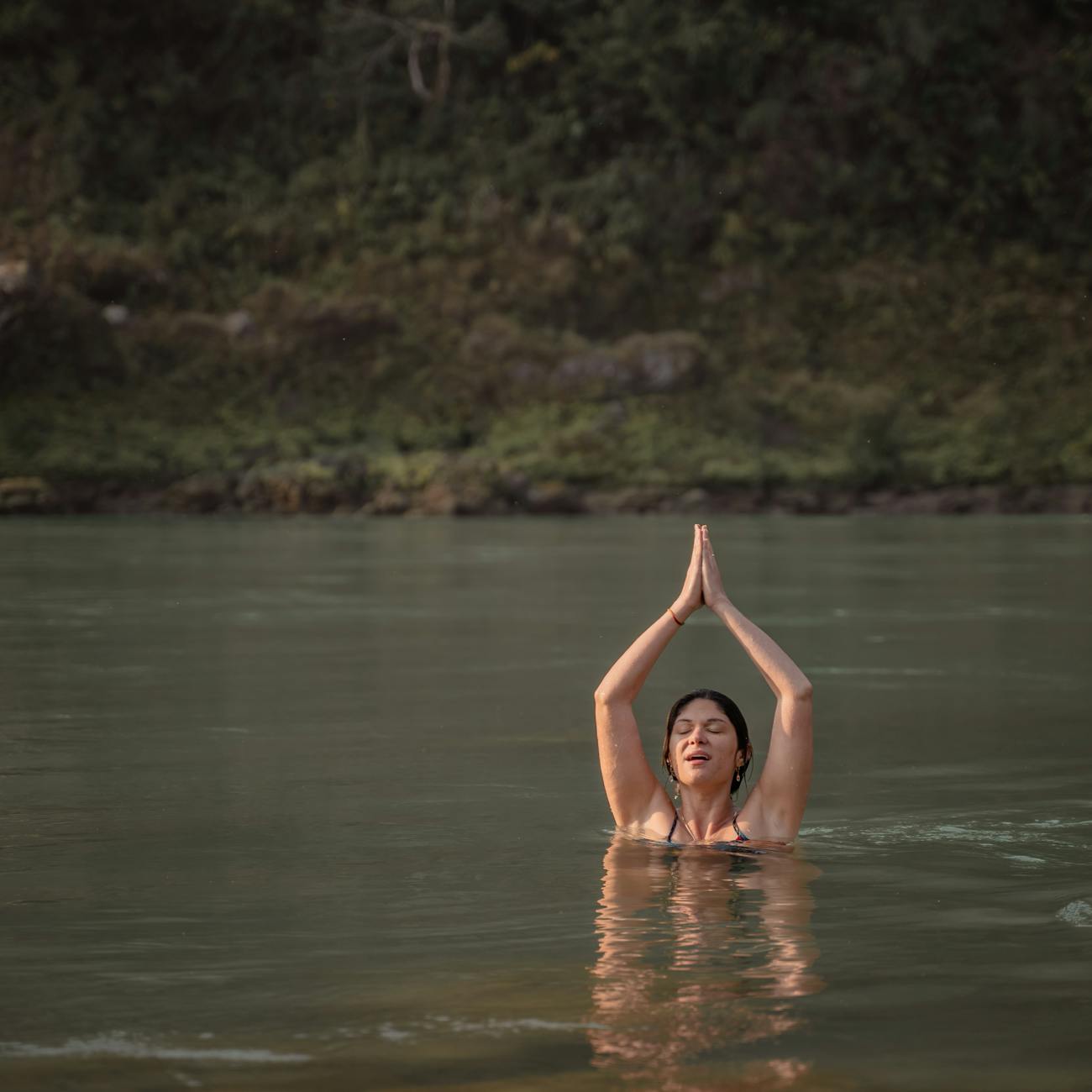
Water-Based Meditation: Water-based meditation is a form of meditation that involves being in or near water, such as a lake, river, or ocean. It combines the benefits of meditation with the calming and rejuvenating effects of water.
Awareness: Awareness is the state of being conscious of something, such as one's thoughts, feelings, sensations, or surroundings. In meditation, cultivating awareness helps in understanding oneself better and staying present in the moment.
Concentration: Concentration is the mental effort of focusing attention on a single object or task. It involves blocking out distractions and maintaining a high level of focus on the present moment.
Mindfulness: Mindfulness is the practice of being fully present and engaged in the moment, without judgment or attachment to thoughts or emotions. It involves paying attention to one's thoughts, feelings, and sensations without reacting to them.
Mantra: A mantra is a word, phrase, or sound that is repeated during meditation to help focus the mind and achieve a state of deep concentration. Mantras are often used to quiet the mind and enhance mental clarity.
Visualization: Visualization is a technique where one creates mental images or scenarios to achieve a specific goal or outcome. In meditation, visualization can be used to enhance focus, clarity, and relaxation.
Breath Awareness: Breath awareness is a common meditation practice where one focuses on the sensation of breathing. By paying attention to the breath, one can calm the mind, reduce stress, and improve mental clarity.
Challenges: Challenges refer to obstacles or difficulties that may arise during the practice of enhancing mental clarity and focus. These challenges can include distractions, negative thoughts, restlessness, and lack of motivation.
Guided Meditation: Guided meditation is a form of meditation where a teacher or guide leads the practitioner through a series of instructions or visualizations. This can help beginners or those struggling with focus to deepen their practice.
Body Scan: A body scan is a mindfulness practice where one systematically focuses on different parts of the body, noticing sensations and tensions. This can help increase awareness of the body and promote relaxation.
Flow State: Flow state, also known as being "in the zone," is a mental state where a person is fully immersed in an activity, feeling energized, focused, and enjoying the process. Achieving a flow state can enhance mental clarity and productivity.
Gratitude Practice: Gratitude practice involves expressing gratitude for the positive aspects of one's life. This practice can help shift focus from negative thoughts to positive ones, enhancing mental clarity and emotional well-being.
Sensory Awareness: Sensory awareness is the practice of tuning into one's senses, such as sight, sound, touch, taste, and smell. This can help increase mindfulness and presence, leading to improved mental clarity and focus.
Grounding Techniques: Grounding techniques are practices that help bring awareness back to the present moment and the physical body. These techniques can be useful for reducing anxiety, improving focus, and enhancing mental clarity.
Self-Compassion: Self-compassion is the practice of treating oneself with kindness, understanding, and acceptance. Cultivating self-compassion can help reduce self-criticism and enhance mental clarity and emotional well-being.
Progressive Muscle Relaxation: Progressive muscle relaxation is a technique where one systematically tenses and relaxes different muscle groups in the body. This practice can help release tension, reduce stress, and improve focus.
Emotional Regulation: Emotional regulation is the ability to manage and control one's emotions in a healthy and adaptive way. Developing emotional regulation skills can help enhance mental clarity, decision-making, and overall well-being.
Body-Mind Connection: The body-mind connection refers to the relationship between physical sensations, emotions, and mental processes. Cultivating awareness of this connection can lead to greater mental clarity, emotional balance, and overall health.
Self-Reflection: Self-reflection is the process of examining one's thoughts, feelings, and behaviors to gain insight and self-awareness. Engaging in self-reflection can help enhance mental clarity, self-understanding, and personal growth.
Gratitude Journaling: Gratitude journaling involves writing down things that one is grateful for on a regular basis. This practice can help shift focus to positive aspects of life, improve mood, and enhance mental clarity.
Visualization Practice: Visualization practice involves creating mental images of desired outcomes or goals. By visualizing success or positive experiences, one can enhance motivation, focus, and mental clarity.
Body-Mind Awareness: Body-mind awareness involves paying attention to the connection between physical sensations, thoughts, and emotions. Developing body-mind awareness can help improve mental clarity, emotional regulation, and overall well-being.
Anchor Point: An anchor point is a specific object, sensation, or thought that one uses to bring focus back to the present moment during meditation. By returning to the anchor point, one can enhance concentration and mental clarity.
Non-Judgment: Non-judgment is the practice of observing thoughts, emotions, and experiences without labeling them as good or bad. Cultivating non-judgmental awareness can help reduce self-criticism, enhance mental clarity, and promote acceptance.
Deep Breathing: Deep breathing involves taking slow, deliberate breaths to calm the mind and body. This practice can help reduce stress, improve focus, and enhance mental clarity.
Visualization Techniques: Visualization techniques involve using mental imagery to achieve a specific goal or outcome. By visualizing success, relaxation, or healing, one can enhance mental clarity, motivation, and well-being.
Body Awareness: Body awareness is the practice of tuning into physical sensations, such as tension, relaxation, or pain. Developing body awareness can help increase mindfulness, reduce stress, and improve mental clarity.
Self-Care Practices: Self-care practices are activities that promote physical, mental, and emotional well-being. Engaging in self-care can help reduce stress, enhance focus, and improve overall mental clarity.
Grounding Exercises: Grounding exercises are techniques that help bring awareness back to the present moment and the physical body. These exercises can be useful for reducing anxiety, improving focus, and enhancing mental clarity.
Sound Meditation: Sound meditation is a practice where one focuses on listening to sounds, such as music, nature, or chanting. This can help calm the mind, enhance focus, and promote mental clarity.
Emotional Awareness: Emotional awareness is the ability to recognize, understand, and express one's emotions effectively. Developing emotional awareness can help improve mental clarity, communication, and relationships.
Mind-Body Connection: The mind-body connection refers to the link between mental processes and physical health. Cultivating awareness of this connection can lead to improved mental clarity, emotional well-being, and overall health.
Compassion Practice: Compassion practice involves cultivating feelings of kindness, empathy, and understanding towards oneself and others. Engaging in compassion practice can help reduce stress, enhance focus, and promote mental clarity.
Presence: Presence is the state of being fully engaged in the present moment, without judgment or distraction. Cultivating presence can help improve focus, reduce stress, and enhance mental clarity.
Guided Imagery: Guided imagery is a practice where one visualizes specific scenes or scenarios to achieve a desired outcome. This can help enhance mental clarity, motivation, and relaxation.
Body Scan Meditation: Body scan meditation is a practice where one systematically focuses on different parts of the body, noticing sensations and tensions. This can help increase awareness of the body, promote relaxation, and enhance mental clarity.
Self-Compassion Practice: Self-compassion practice involves treating oneself with kindness, understanding, and acceptance. Cultivating self-compassion can help reduce self-criticism, enhance emotional well-being, and improve mental clarity.
Visualization Exercise: Visualization exercise involves creating mental images of desired outcomes or goals. By visualizing success or positive experiences, one can enhance motivation, focus, and mental clarity.
Grounding Techniques: Grounding techniques are practices that help bring awareness back to the present moment and the physical body. These techniques can be useful for reducing anxiety, improving focus, and enhancing mental clarity.
Sensory Awareness: Sensory awareness is the practice of tuning into one's senses, such as sight, sound, touch, taste, and smell. This can help increase mindfulness and presence, leading to improved mental clarity and focus.
Progressive Muscle Relaxation: Progressive muscle relaxation is a technique where one systematically tenses and relaxes different muscle groups in the body. This practice can help release tension, reduce stress, and improve focus.
Emotional Regulation: Emotional regulation is the ability to manage and control one's emotions in a healthy and adaptive way. Developing emotional regulation skills can help enhance mental clarity, decision-making, and overall well-being.
Mindfulness Meditation: Mindfulness meditation is a practice where one focuses on the present moment, observing thoughts, emotions, and sensations without judgment. This can help improve mental clarity, reduce stress, and enhance well-being.
Cognitive Distortions: Cognitive distortions are patterns of thinking that are inaccurate or negative. Identifying and challenging cognitive distortions can help improve mental clarity, emotional well-being, and decision-making.
Open Monitoring Meditation: Open monitoring meditation is a practice where one observes thoughts, emotions, and sensations without attachment or judgment. This can help increase awareness, enhance mental clarity, and promote acceptance.
Body Awareness: Body awareness is the practice of tuning into physical sensations, such as tension, relaxation, or pain. Developing body awareness can help increase mindfulness, reduce stress, and improve mental clarity.
Visualization Techniques: Visualization techniques involve using mental imagery to achieve a specific goal or outcome. By visualizing success, relaxation, or healing, one can enhance mental clarity, motivation, and well-being.
Sensory Awareness: Sensory awareness is the practice of tuning into one's senses, such as sight, sound, touch, taste, and smell. This can help increase mindfulness and presence, leading to improved mental clarity and focus.
Gratitude Practice: Gratitude practice involves expressing gratitude for the positive aspects of one's life. This practice can help shift focus from negative thoughts to positive ones, enhancing mental clarity and emotional well-being.
Anchor Point: An anchor point is a specific object, sensation, or thought that one uses to bring focus back to the present moment during meditation. By returning to the anchor point, one can enhance concentration and mental clarity.
Visualization Exercise: Visualization exercise involves creating mental images of desired outcomes or goals. By visualizing success or positive experiences, one can enhance motivation, focus, and mental clarity.
Sound Meditation: Sound meditation is a practice where one focuses on listening to sounds, such as music, nature, or chanting. This can help calm the mind, enhance focus, and promote mental clarity.
Emotional Awareness: Emotional awareness is the ability to recognize, understand, and express one's emotions effectively. Developing emotional awareness can help improve mental clarity, communication, and relationships.
Mind-Body Connection: The mind-body connection refers to the link between mental processes and physical health. Cultivating awareness of this connection can lead to improved mental clarity, emotional well-being, and overall health.
Compassion Practice: Compassion practice involves cultivating feelings of kindness, empathy, and understanding towards oneself and others. Engaging in compassion practice can help reduce stress, enhance focus, and promote mental clarity.
Presence: Presence is the state of being fully engaged in the present moment, without judgment or distraction. Cultivating presence can help improve focus, reduce stress, and enhance mental clarity.
Guided Imagery: Guided imagery is a practice where one visualizes specific scenes or scenarios to achieve a desired outcome. This can help enhance mental clarity, motivation, and relaxation.
Body Scan Meditation: Body scan meditation is a practice where one systematically focuses on different parts of the body, noticing sensations and tensions. This can help increase awareness of the body, promote relaxation, and enhance mental clarity.
Self-Compassion Practice: Self-compassion practice involves treating oneself with kindness, understanding, and acceptance. Cultivating self-compassion can help reduce self-criticism, enhance emotional well-being, and improve mental clarity.
Visualization Techniques: Visualization techniques involve using mental imagery to achieve a specific goal or outcome. By visualizing success, relaxation, or healing, one can enhance mental clarity, motivation, and well-being.
Grounding Techniques: Grounding techniques are practices that help bring awareness back to the present moment and the physical body. These techniques can be useful for reducing anxiety, improving focus, and enhancing mental clarity.
Sensory Awareness: Sensory awareness is the practice of tuning into one's senses, such as sight, sound, touch, taste, and smell. This can help increase mindfulness and presence, leading to improved mental clarity and focus.
Progressive Muscle Relaxation: Progressive muscle relaxation is a technique where one systematically tenses and relaxes different muscle groups in the body. This practice can help release tension, reduce stress, and improve focus.
Emotional Regulation: Emotional regulation is the ability to manage and control one's emotions in a healthy and adaptive way. Developing emotional regulation skills can help enhance mental clarity, decision-making, and overall well-being.
Mindfulness Meditation: Mindfulness meditation is a practice where one focuses on the present moment, observing thoughts, emotions, and sensations without judgment. This can help improve mental clarity, reduce stress, and enhance well-being.
Cognitive Distortions: Cognitive distortions are patterns of thinking that are inaccurate or negative. Identifying and challenging cognitive distortions can help improve mental clarity, emotional well-being, and decision-making.
Open Monitoring Meditation: Open monitoring meditation is a practice where one observes thoughts, emotions, and sensations without attachment or judgment. This can help increase awareness, enhance mental clarity, and promote acceptance.
Body Awareness: Body awareness is the practice of tuning into physical sensations, such as tension, relaxation, or pain. Developing body awareness can help increase mindfulness, reduce stress, and improve mental clarity.
Visualization Techniques: Visualization techniques involve using mental imagery to achieve a specific goal or outcome. By visualizing success, relaxation, or healing, one can enhance mental clarity, motivation, and well-being.
Sensory Awareness: Sensory awareness is the practice of tuning into one's senses, such as sight, sound, touch, taste, and smell. This can help increase mindfulness and presence, leading to improved mental clarity and focus.
Gratitude Practice: Gratitude practice involves expressing gratitude for the positive aspects of one's life. This practice can help shift focus from negative thoughts to positive ones, enhancing mental clarity and emotional well-being.
Anchor Point: An anchor point is a specific object, sensation, or thought that one uses to bring focus back to the present moment during meditation. By returning to the anchor point, one can enhance concentration and mental clarity.
Visualization Exercise: Visualization exercise involves creating mental images of desired outcomes or goals. By visualizing success or positive experiences, one can enhance motivation, focus, and mental clarity.
Sound Meditation: Sound meditation is a practice where one focuses on listening to sounds, such as music, nature, or chanting. This can help calm the mind, enhance focus, and promote mental clarity.
Emotional Awareness: Emotional awareness is the ability to recognize, understand, and express one's emotions effectively. Developing emotional awareness can help improve mental clarity, communication, and relationships.
Mind-Body Connection: The mind-body connection refers to the link between mental processes and physical health. Cultivating awareness of this connection can lead to improved mental clarity, emotional well-being, and overall health.
Compassion Practice: Compassion practice involves cultivating feelings of kindness, empathy, and understanding towards oneself and others. Engaging in compassion practice can help reduce stress, enhance focus, and promote mental clarity.
Presence: Presence is the state of being fully engaged in the present moment, without judgment or distraction. Cultivating presence can help improve focus, reduce stress, and enhance mental clarity.
Guided Imagery: Guided imagery is a practice where one visualizes specific scenes or scenarios to achieve a desired outcome. This can help enhance mental clarity, motivation, and relaxation.
Body Scan Meditation: Body scan meditation is a practice where one systematically focuses on different parts of the body, noticing sensations and tensions. This can help increase awareness of the body, promote relaxation, and enhance mental clarity.
Self-Compassion Practice: Self-compassion practice involves treating oneself with kindness, understanding, and acceptance. Cultivating self-compassion can help reduce self-criticism, enhance emotional well-being, and improve mental clarity.
Visualization Techniques: Visualization techniques involve using mental imagery to achieve a specific goal or outcome. By visualizing success, relaxation, or healing, one can enhance mental clarity, motivation, and well-being.
Grounding Techniques: Grounding techniques are practices that help bring awareness back to the present moment and the physical body. These techniques can be useful for reducing anxiety, improving focus, and enhancing mental clarity.
Sensory Awareness: Sensory awareness is the practice of tuning into one's senses, such as sight, sound, touch, taste, and smell. This can help increase mindfulness and presence, leading to improved mental clarity and focus.
Progressive Muscle Relaxation:
Key takeaways
- In the Advanced Certificate in Water-Based Meditation Techniques, one of the key focuses is on enhancing mental clarity and focus through various practices and strategies.
- It involves the ability to think clearly, make decisions, and focus on tasks without being overwhelmed by external or internal distractions.
- Focus: Focus is the ability to concentrate on a specific task or goal without being distracted by other thoughts or stimuli.
- Water-Based Meditation: Water-based meditation is a form of meditation that involves being in or near water, such as a lake, river, or ocean.
- Awareness: Awareness is the state of being conscious of something, such as one's thoughts, feelings, sensations, or surroundings.
- Concentration: Concentration is the mental effort of focusing attention on a single object or task.
- Mindfulness: Mindfulness is the practice of being fully present and engaged in the moment, without judgment or attachment to thoughts or emotions.