
RFI and Submittal Processes
Request for Information (RFI)
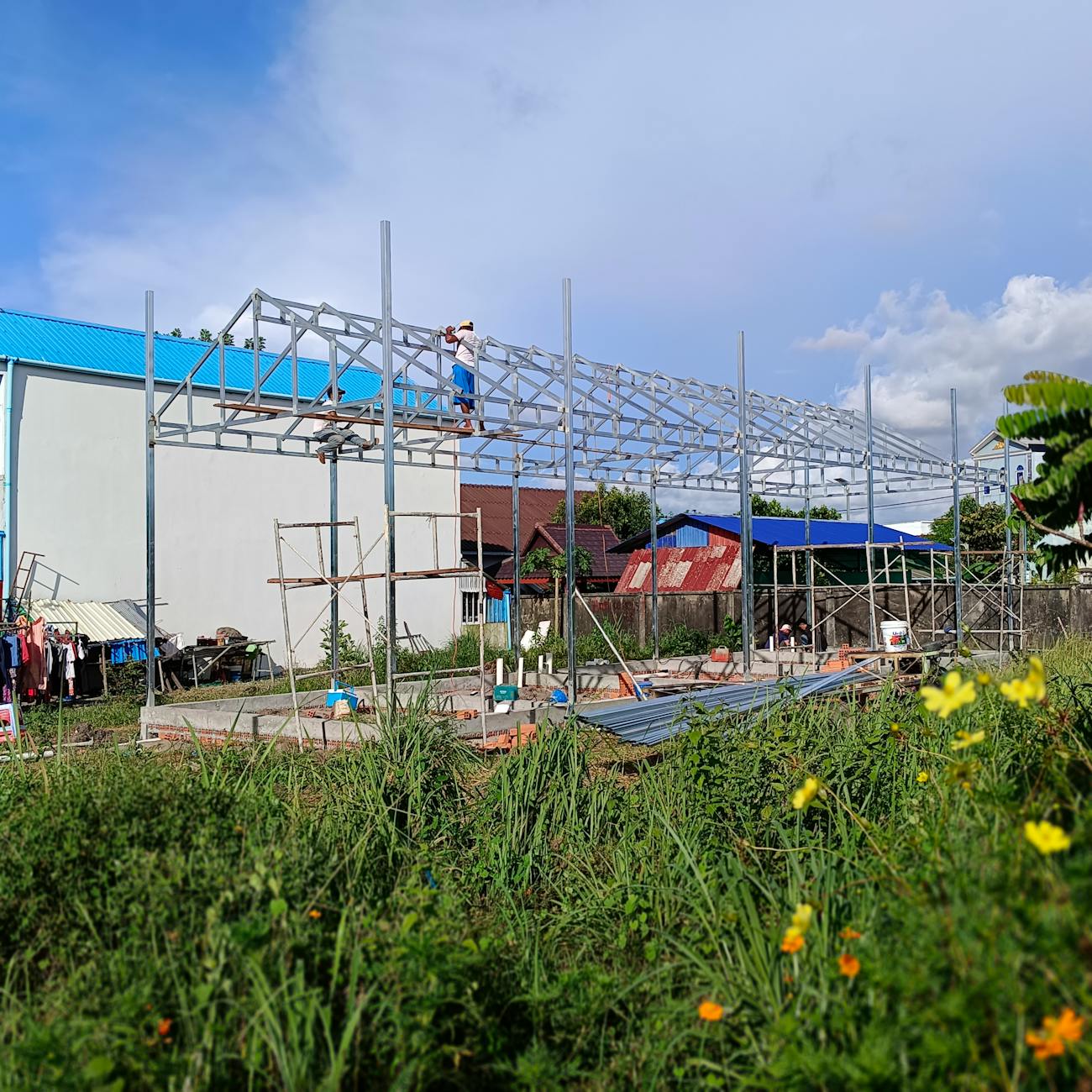
Request for Information (RFI)
An RFI is a formal document used in construction projects to obtain clarification or additional information about a specific aspect of the project. RFIs are typically submitted by contractors or subcontractors to the project owner, architect, or engineer. The purpose of an RFI is to resolve uncertainties, avoid delays, and ensure that the project proceeds smoothly.
RFIs are an essential part of the construction document control process as they help to ensure that all parties involved in the project have a clear understanding of the requirements and specifications. Without RFIs, misunderstandings and errors can occur, leading to costly delays and rework.
Key components of an RFI include the project name, RFI number, date of submission, description of the issue or question, and a request for a response within a specific timeframe. RFIs should be carefully drafted to ensure that the information requested is clear and specific.
Submittal Process
The submittal process is a critical aspect of construction document control that involves the review and approval of materials, products, and shop drawings before they are incorporated into the construction project. Submittals are typically submitted by contractors, subcontractors, or suppliers to the architect or engineer for review and approval.
The submittal process helps to ensure that the materials and products used in the project meet the specified requirements, standards, and codes. It also allows for coordination between different trades and ensures that all parties are working from the same set of approved documents.
Key components of the submittal process include the submittal register, which tracks the status of all submittals, and the review and approval process, which involves the architect or engineer reviewing the submittal to ensure that it complies with the project requirements.
Challenges in the submittal process can arise when submittals are not submitted in a timely manner, are incomplete or inaccurate, or do not meet the project requirements. Effective communication and coordination among all parties involved in the submittal process are essential to ensure that submittals are reviewed and approved in a timely manner.
RFI Process
The RFI process involves the submission, review, and response to RFIs to address questions or issues that arise during the construction project. The RFI process is designed to ensure that all parties have a clear understanding of the project requirements and specifications and to help resolve any uncertainties or discrepancies that may arise.
The RFI process typically begins when a contractor or subcontractor identifies a question or issue that requires clarification or additional information. The RFI is then submitted to the project owner, architect, or engineer for review and response.
Key components of the RFI process include the RFI log, which tracks the status of all RFIs, and the review and response process, which involves the architect or engineer reviewing the RFI and providing a timely and accurate response.
Challenges in the RFI process can arise when RFIs are not submitted in a timely manner, are unclear or incomplete, or do not receive a timely response. Effective communication and collaboration among all parties involved in the RFI process are essential to ensure that RFIs are addressed promptly and accurately.
RFI vs. Submittal Process
While both the RFI and submittal processes are essential components of construction document control, they serve different purposes and have distinct characteristics.
The RFI process is used to obtain clarification or additional information about a specific aspect of the project, while the submittal process is used to review and approve materials, products, and shop drawings before they are incorporated into the project.
RFIs are typically initiated by the contractor or subcontractor to address questions or issues that arise during the construction project, while submittals are submitted by contractors, subcontractors, or suppliers for review and approval by the architect or engineer.
Key differences between the RFI and submittal processes include the purpose of each process, the parties involved, and the documentation required. While RFIs focus on resolving uncertainties and clarifying project requirements, submittals focus on ensuring that materials and products meet the specified standards and codes.
RFI Process Steps
1. Identify the Issue: The first step in the RFI process is to identify the issue or question that requires clarification or additional information. This may involve reviewing the project drawings, specifications, or other project documents to determine the nature of the issue.
2. Draft the RFI: Once the issue has been identified, the next step is to draft the RFI. The RFI should be clear, specific, and include all relevant information to ensure that the recipient understands the question or issue.
3. Submit the RFI: After the RFI has been drafted, it should be submitted to the project owner, architect, or engineer for review. The RFI should be accompanied by any supporting documents or drawings that may help to clarify the issue.
4. Review and Response: The recipient of the RFI will review the question or issue and provide a response within a specified timeframe. The response should be clear, accurate, and address the question or issue raised in the RFI.
5. Record the RFI: Once a response has been received, the RFI should be recorded in the RFI log. The RFI log tracks the status of all RFIs and ensures that they are addressed in a timely manner.
Submittal Process Steps
1. Identify Submittal Requirements: The first step in the submittal process is to identify the materials, products, or shop drawings that require review and approval. This may involve reviewing the project specifications or consulting with the architect or engineer.
2. Prepare the Submittal: Once the submittal requirements have been identified, the next step is to prepare the submittal. The submittal should include all relevant information, such as product data, drawings, and samples, to ensure that it can be properly reviewed.
3. Submit the Submittal: After the submittal has been prepared, it should be submitted to the architect or engineer for review and approval. The submittal should be accompanied by any supporting documents or samples that may be required for review.
4. Review and Approval: The architect or engineer will review the submittal to ensure that it complies with the project requirements, standards, and codes. If the submittal meets the requirements, it will be approved, and the materials or products can be incorporated into the project.
5. Record the Submittal: Once the submittal has been approved, it should be recorded in the submittal register. The submittal register tracks the status of all submittals and ensures that they are reviewed and approved in a timely manner.
RFI and Submittal Process Integration
While the RFI and submittal processes are distinct, they are closely related and often overlap in construction projects. Effective integration of the RFI and submittal processes is essential to ensure that project requirements are met, uncertainties are resolved, and delays are minimized.
Integration of the RFI and submittal processes can occur in several ways, including:
1. RFI as a Submittal: In some cases, an RFI may be used as a submittal if it involves a question or issue related to materials or products. In this case, the RFI would be submitted for review and approval as a submittal before the materials or products are incorporated into the project.
2. Submittal as an RFI: Similarly, a submittal may be used as an RFI if it raises a question or issue that requires clarification or additional information. In this case, the submittal would be submitted as an RFI for review and response before it is approved.
3. Coordination of Responses: The responses to RFIs and submittals should be coordinated to ensure that they are consistent and aligned with the project requirements. Effective communication among all parties involved in the RFI and submittal processes is essential to ensure that responses are accurate and timely.
4. Tracking and Documentation: Both the RFI and submittal processes should be carefully tracked and documented to ensure that all questions, issues, and approvals are recorded. This helps to prevent misunderstandings, errors, and delays and provides a clear record of project communication.
Best Practices for RFI and Submittal Processes
1. Communication: Effective communication is essential for successful RFIs and submittals. Clear and concise communication helps to ensure that questions are understood, issues are resolved, and approvals are obtained in a timely manner.
2. Collaboration: Collaboration among all parties involved in the RFI and submittal processes is key to their success. By working together and sharing information, parties can address questions and issues more effectively and ensure that project requirements are met.
3. Timely Responses: Timely responses to RFIs and submittals are crucial to avoid delays and keep the project on track. All parties should respond promptly to RFIs and submittals to ensure that questions are addressed and approvals are obtained in a timely manner.
4. Documentation: Accurate and thorough documentation of RFIs and submittals is essential to track the status of all inquiries and approvals. Proper documentation helps to prevent misunderstandings, errors, and disputes and provides a clear record of project communication.
5. Training and Education: Providing training and education to all parties involved in the RFI and submittal processes can help to improve understanding and compliance with project requirements. By ensuring that all parties are knowledgeable about the processes, project communication can be more effective.
6. Continuous Improvement: Continuous improvement of the RFI and submittal processes is essential to address any issues or challenges that may arise. By regularly evaluating and refining the processes, project communication can be enhanced, and delays can be minimized.
Conclusion
In conclusion, the RFI and submittal processes are essential components of construction document control that help to ensure project requirements are met, uncertainties are resolved, and delays are minimized. By understanding the key terms and vocabulary associated with these processes and following best practices, project teams can effectively manage RFIs and submittals to keep construction projects on track and successful.
Key takeaways
- An RFI is a formal document used in construction projects to obtain clarification or additional information about a specific aspect of the project.
- RFIs are an essential part of the construction document control process as they help to ensure that all parties involved in the project have a clear understanding of the requirements and specifications.
- Key components of an RFI include the project name, RFI number, date of submission, description of the issue or question, and a request for a response within a specific timeframe.
- The submittal process is a critical aspect of construction document control that involves the review and approval of materials, products, and shop drawings before they are incorporated into the construction project.
- The submittal process helps to ensure that the materials and products used in the project meet the specified requirements, standards, and codes.
- Effective communication and coordination among all parties involved in the submittal process are essential to ensure that submittals are reviewed and approved in a timely manner.
- The RFI process is designed to ensure that all parties have a clear understanding of the project requirements and specifications and to help resolve any uncertainties or discrepancies that may arise.