
Implementing Assistive Technology in Music Education
Assistive Technology Assistive technology refers to any device, equipment, software, or system that helps individuals with disabilities perform tasks they would otherwise find challenging or impossible. In the context of music education for…
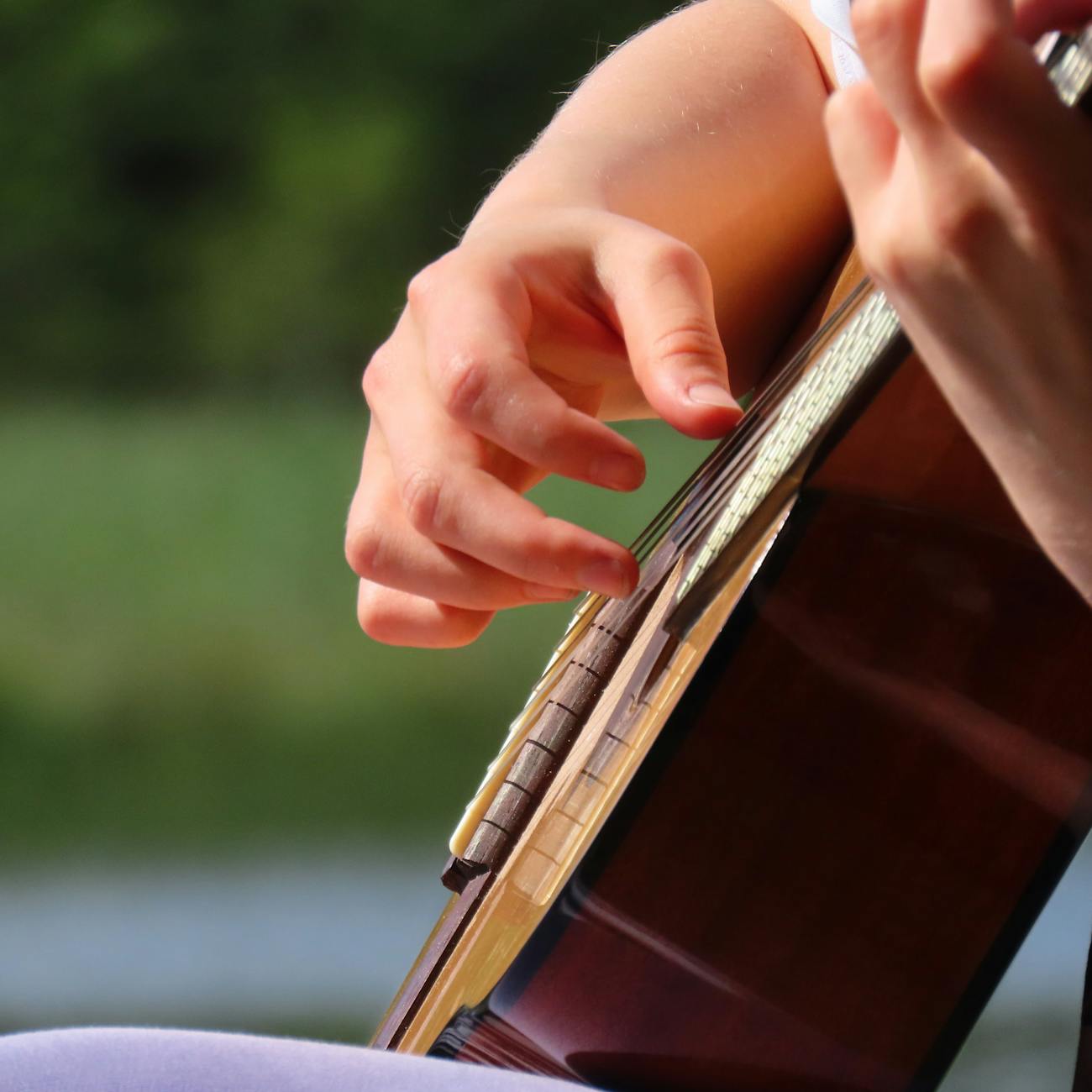
Assistive Technology Assistive technology refers to any device, equipment, software, or system that helps individuals with disabilities perform tasks they would otherwise find challenging or impossible. In the context of music education for special needs students, assistive technology can range from simple tools like adaptive instruments to complex software programs that aid in learning and creating music.
Assistive technology can play a crucial role in leveling the playing field for students with disabilities, enabling them to fully participate in music education and experience the joy of making music. By providing personalized support and accommodations, assistive technology can help students overcome barriers and reach their full potential in music learning and performance.
Some common examples of assistive technology in music education include:
- Adaptive instruments: These are specially designed instruments that are modified to suit the needs of students with physical disabilities. For example, a guitar with a modified neck or strings can make it easier for a student with limited hand mobility to play.
- Communication devices: For students with communication disorders, communication devices can help them express themselves musically. These devices can range from simple switches that trigger musical sounds to more complex speech-generating devices that allow students to communicate through music.
- Music software: There are many software programs available that can assist students with disabilities in learning and creating music. For example, music notation software can help students with visual impairments read and write music, while music production software can provide students with opportunities to compose and produce their own music.
- Adaptive technologies: These are technologies that can be adapted or customized to meet the specific needs of students with disabilities. For example, a MIDI controller with customizable buttons and switches can be tailored to accommodate students with physical disabilities.
Implementing assistive technology in music education requires careful planning and consideration to ensure that the technology meets the individual needs of each student. It is essential to involve the student, their parents or caregivers, and other relevant stakeholders in the decision-making process to ensure that the assistive technology chosen is appropriate and effective.
Special Needs Students Special needs students, also known as students with disabilities, are individuals who require additional support and accommodations to participate fully in educational activities. In the context of music education, special needs students may have a range of disabilities, including physical, sensory, cognitive, or developmental disabilities.
It is essential to recognize that each special needs student is unique and may have different abilities, challenges, and learning styles. Therefore, it is crucial to provide personalized support and accommodations to meet the individual needs of each student and help them succeed in music education.
Some common types of special needs students in music education include:
- Students with physical disabilities: These students may have limited mobility or dexterity, making it challenging for them to play traditional instruments. Adaptive instruments and technologies can help these students overcome physical barriers and participate in music-making activities.
- Students with sensory disabilities: Students with sensory disabilities, such as visual or hearing impairments, may require accommodations to access and engage with music. Braille music notation and tactile instruments can help students with visual impairments, while visual or vibrational cues can assist students with hearing impairments.
- Students with cognitive disabilities: Students with cognitive disabilities may have difficulty understanding musical concepts or following instructions. Simplified music notation, visual aids, and repetition can help these students learn and retain musical information effectively.
- Students with communication disorders: Students with communication disorders may struggle to express themselves verbally or non-verbally. Communication devices and visual supports can help these students communicate their musical preferences, ideas, and emotions.
It is essential for music educators to create an inclusive and supportive learning environment for special needs students by providing appropriate accommodations, fostering a sense of belonging, and encouraging active participation. By embracing diversity and individuality, music educators can help special needs students thrive and achieve their musical goals.
Music Education Music education is the process of teaching and learning music, encompassing a wide range of activities, including playing instruments, singing, composing, improvising, and listening to music. Music education can take place in various settings, such as schools, community centers, music studios, and online platforms, and can cater to learners of all ages and abilities.
Music education plays a vital role in developing students' musical skills, creativity, expression, and appreciation for music. It can also contribute to students' cognitive, emotional, social, and physical development, fostering holistic growth and well-being.
Some key components of music education include:
- Instrumental instruction: Learning to play musical instruments is a fundamental aspect of music education. Students can choose from a wide range of instruments, such as piano, guitar, violin, flute, drums, and voice, to develop their technical skills and musicality.
- Music theory: Understanding music theory, including concepts like rhythm, melody, harmony, form, and notation, is essential for students to analyze, interpret, and create music effectively. Music theory provides a framework for students to learn and apply musical principles in their practice and performance.
- Music history: Studying the history of music, including different musical styles, genres, composers, and cultural contexts, can help students develop a broader understanding of music's evolution and significance. Music history can also inspire students to explore diverse musical traditions and genres.
- Ensemble participation: Collaborating with peers in musical ensembles, such as bands, orchestras, choirs, and chamber groups, allows students to develop important skills like teamwork, communication, listening, and leadership. Ensemble participation also provides students with opportunities to perform music collectively and experience the joy of making music together.
Music education for special needs students requires a flexible and inclusive approach that accommodates students' diverse abilities, needs, and interests. By adapting teaching strategies, materials, and assessments to meet the individual needs of special needs students, music educators can create meaningful and engaging learning experiences that empower students to develop their musical talents and express themselves through music.
Advanced Skill Certificate in Teaching Music to Special Needs Students The Advanced Skill Certificate in Teaching Music to Special Needs Students is a specialized training program designed to enhance music educators' knowledge, skills, and competencies in working with special needs students. This certificate program equips music educators with advanced strategies, techniques, and resources to effectively teach, support, and empower special needs students in music education.
The Advanced Skill Certificate covers a wide range of topics related to teaching music to special needs students, including:
- Understanding disabilities: Educators learn about different types of disabilities, their impact on learning and participation, and strategies for accommodating students with disabilities in music education.
- Assistive technology: Educators explore various assistive technologies and adaptive instruments that can support special needs students in music learning and performance. They learn how to select, implement, and evaluate assistive technology to meet students' individual needs effectively.
- Inclusive teaching practices: Educators gain knowledge and skills in creating inclusive and accessible learning environments for special needs students. They learn how to differentiate instruction, provide multi-sensory learning experiences, and promote collaboration and communication among students with diverse abilities.
- Individualized education plans (IEPs): Educators learn how to develop, implement, and evaluate IEPs for special needs students in music education. They learn how to set specific goals, assess students' progress, and collaborate with parents, caregivers, and other professionals to support students' learning and development.
The Advanced Skill Certificate in Teaching Music to Special Needs Students is designed for music educators who are passionate about promoting inclusivity, diversity, and equity in music education. By completing this certificate program, educators can enhance their teaching practice, expand their professional skills, and make a positive impact on the lives of special needs students through music.
Key Terms and Vocabulary - Accessibility: The degree to which individuals with disabilities can access and participate in educational activities, programs, and services.
- Accommodations: Modifications or adjustments made to the learning environment, materials, or activities to meet the individual needs of special needs students.
- Adaptation: The process of modifying or customizing instruments, technologies, or materials to suit the specific needs of students with disabilities.
- Differentiation: Tailoring instruction, assessments, and activities to meet the diverse learning styles, abilities, and interests of students.
- Inclusion: The practice of ensuring that all students, regardless of their abilities or disabilities, are fully included and actively participate in educational settings.
- Universal Design for Learning (UDL): An educational framework that promotes the design of flexible and accessible learning environments that accommodate diverse learners' needs.
- Individualized Education Plan (IEP): A personalized plan developed for students with disabilities that outlines their educational goals, accommodations, and support services.
- Multi-sensory learning: Engaging students through multiple senses, such as visual, auditory, kinesthetic, and tactile, to enhance learning and retention.
- Peer support: Encouraging collaboration, communication, and positive interactions among students to promote social inclusion and mutual support.
- Self-advocacy: Empowering students with disabilities to advocate for their needs, preferences, and rights in educational settings.
- Therapeutic music: The use of music as a therapeutic tool to support individuals' physical, emotional, cognitive, or social well-being.
- Virtual learning: Online platforms, tools, and resources that enable students to engage in music education remotely, particularly in situations where in-person instruction is not feasible.
- Neurodiversity: The recognition and celebration of the diverse neurological differences among individuals, including those with learning disabilities, autism, ADHD, and other cognitive variations.
- Sensory integration: The process of organizing and interpreting sensory information from the environment to support students' learning, communication, and behavior.
- Music therapy: The clinical use of music interventions by trained professionals to address physical, emotional, cognitive, and social needs of individuals.
- Transition planning: The process of preparing special needs students for post-secondary education, employment, independent living, and community participation after completing their formal education.
- Positive behavior support: Strategies and interventions designed to promote positive behaviors, social skills, and emotional regulation in students with disabilities.
- Cultural competence: The awareness, knowledge, and skills needed to respect and respond effectively to cultural differences among students, families, and communities.
- Collaboration: Working together with parents, caregivers, educators, therapists, and other professionals to support the holistic development and well-being of special needs students.
- Resilience: The ability to adapt, cope with challenges, and bounce back from setbacks or adversities, promoting students' emotional strength and perseverance.
Key takeaways
- Assistive Technology Assistive technology refers to any device, equipment, software, or system that helps individuals with disabilities perform tasks they would otherwise find challenging or impossible.
- Assistive technology can play a crucial role in leveling the playing field for students with disabilities, enabling them to fully participate in music education and experience the joy of making music.
- - Adaptive instruments: These are specially designed instruments that are modified to suit the needs of students with physical disabilities.
- These devices can range from simple switches that trigger musical sounds to more complex speech-generating devices that allow students to communicate through music.
- For example, music notation software can help students with visual impairments read and write music, while music production software can provide students with opportunities to compose and produce their own music.
- - Adaptive technologies: These are technologies that can be adapted or customized to meet the specific needs of students with disabilities.
- It is essential to involve the student, their parents or caregivers, and other relevant stakeholders in the decision-making process to ensure that the assistive technology chosen is appropriate and effective.