
Advanced Skin Care Products and Ingredients
Skin care products and ingredients play a crucial role in the field of aesthetic skin treatments. Understanding the key terms and vocabulary associated with advanced skin care products is essential for professionals in the industry to deliv…
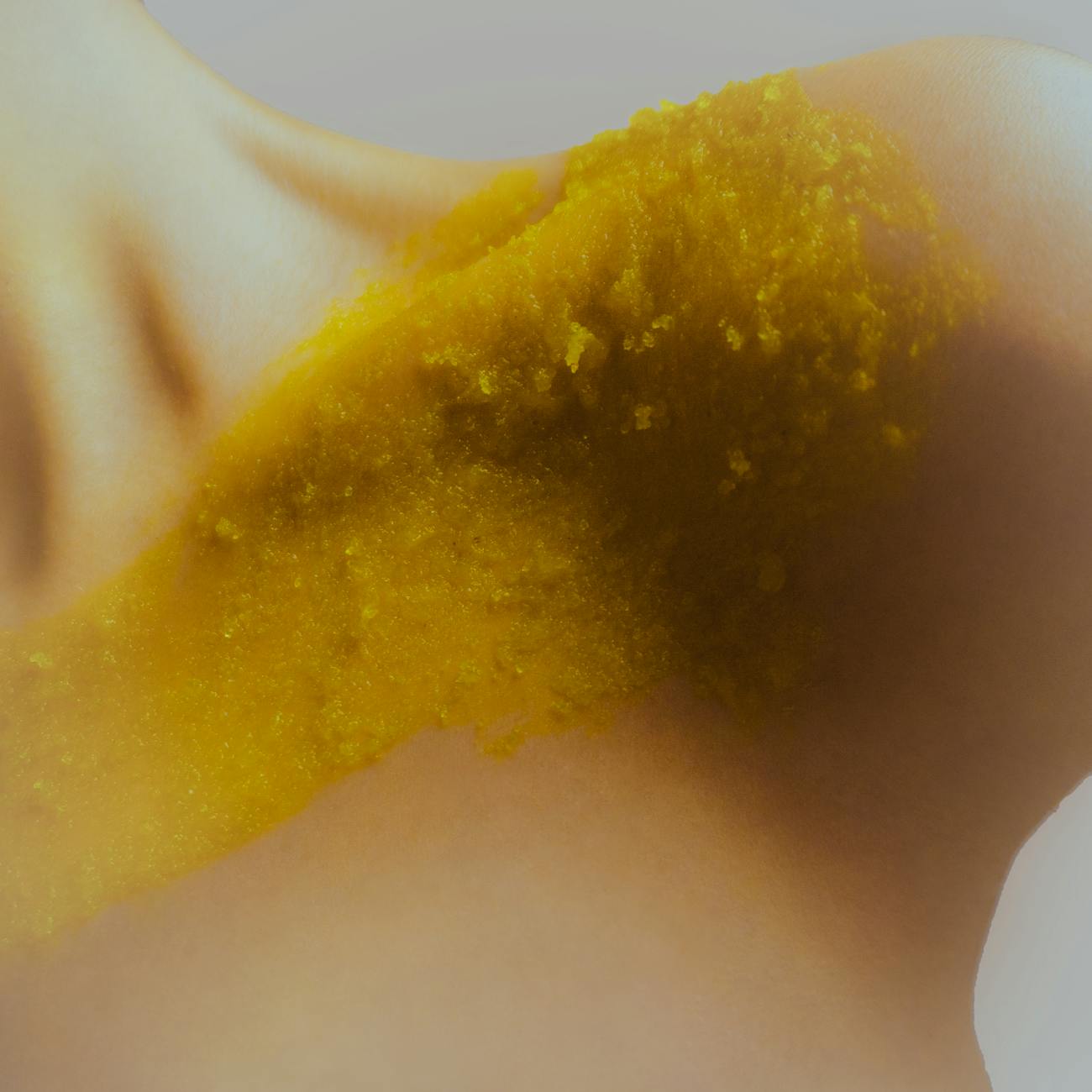
Skin care products and ingredients play a crucial role in the field of aesthetic skin treatments. Understanding the key terms and vocabulary associated with advanced skin care products is essential for professionals in the industry to deliver effective treatments and achieve optimal results for their clients. In this guide, we will explore a range of important terms related to advanced skin care products and ingredients.
**1. Active Ingredients:** Active ingredients are the components in a skin care product that deliver specific benefits to the skin. These ingredients are typically added in higher concentrations to target particular skin concerns such as anti-aging, acne, or hyperpigmentation. Examples of active ingredients include retinol, hyaluronic acid, and vitamin C.
**2. Antioxidants:** Antioxidants are substances that help protect the skin from damage caused by free radicals, which are unstable molecules that can accelerate the aging process. Antioxidants can help reduce inflammation, improve skin tone, and enhance the overall health of the skin. Common antioxidants used in skin care products include vitamin E, vitamin C, and green tea extract.
**3. Exfoliants:** Exfoliants are ingredients that help remove dead skin cells from the surface of the skin, revealing smoother and brighter skin underneath. There are two main types of exfoliants: physical exfoliants, which use abrasive particles to physically scrub away dead skin cells, and chemical exfoliants, which use acids or enzymes to dissolve the bonds between skin cells. Examples of exfoliating ingredients include glycolic acid, salicylic acid, and jojoba beads.
**4. Humectants:** Humectants are ingredients that attract moisture from the environment and bind it to the skin, helping to hydrate and plump the skin. These ingredients are essential for maintaining skin hydration and preventing dryness. Common humectants found in skin care products include glycerin, hyaluronic acid, and sorbitol.
**5. Emollients:** Emollients are ingredients that help soften and smooth the skin by forming a protective barrier on the skin's surface. These ingredients help lock in moisture and prevent water loss, making the skin feel softer and more supple. Examples of emollients include shea butter, squalane, and coconut oil.
**6. Peptides:** Peptides are short chains of amino acids that can help improve various skin concerns such as wrinkles, firmness, and elasticity. Peptides work by stimulating collagen production in the skin, which can help reduce the signs of aging and improve skin texture. Popular peptides used in skin care products include palmitoyl pentapeptide-4, acetyl hexapeptide-8, and copper peptides.
**7. Retinoids:** Retinoids are a class of compounds derived from vitamin A that are known for their anti-aging benefits. These ingredients can help reduce the appearance of wrinkles, improve skin tone, and increase collagen production. Retinoids are available in different forms, including retinol, retinaldehyde, and prescription-strength tretinoin.
**8. Hyaluronic Acid:** Hyaluronic acid is a humectant that is naturally found in the skin and can hold up to 1000 times its weight in water. This ingredient helps hydrate and plump the skin, reducing the appearance of fine lines and wrinkles. Hyaluronic acid is commonly used in moisturizers, serums, and dermal fillers.
**9. Sunscreen:** Sunscreen is a crucial part of any skin care routine as it helps protect the skin from the damaging effects of UV radiation. Sunscreen works by absorbing or reflecting UV rays to prevent sunburn, premature aging, and skin cancer. It is important to use a broad-spectrum sunscreen with an SPF of 30 or higher every day, even on cloudy days.
**10. Ceramides:** Ceramides are lipids that help form the skin's natural barrier and prevent moisture loss. These ingredients are essential for maintaining healthy skin function and protecting the skin from external irritants. Ceramides can help improve the skin's hydration, texture, and resilience.
**11. Niacinamide:** Niacinamide, also known as vitamin B3, is a versatile ingredient that offers a range of benefits for the skin. This ingredient can help improve the skin's barrier function, reduce inflammation, regulate oil production, and fade hyperpigmentation. Niacinamide is suitable for all skin types and can be found in a variety of skin care products.
**12. Antimicrobial Agents:** Antimicrobial agents are ingredients that help control the growth of bacteria, fungi, and other microorganisms on the skin. These ingredients are commonly used in acne treatments to reduce inflammation and prevent breakouts. Examples of antimicrobial agents include benzoyl peroxide, salicylic acid, and tea tree oil.
**13. Antioxidant Serums:** Antioxidant serums are lightweight formulations that contain a high concentration of antioxidants to protect the skin from free radical damage. These serums can help brighten the skin, improve skin tone, and reduce the signs of aging. Antioxidant serums are typically applied after cleansing and before moisturizing.
**14. Collagen Boosters:** Collagen boosters are ingredients that stimulate collagen production in the skin to improve firmness and elasticity. These ingredients can help reduce the appearance of wrinkles and fine lines, resulting in smoother and more youthful-looking skin. Collagen boosters can be found in serums, creams, and treatments.
**15. Hydrating Masks:** Hydrating masks are treatments that deliver intense moisture to the skin to hydrate and nourish dry or dehydrated skin. These masks typically contain humectants, emollients, and soothing ingredients to replenish the skin's moisture barrier. Hydrating masks are ideal for all skin types, especially those with dry or sensitive skin.
**16. AHA (Alpha Hydroxy Acids):** Alpha hydroxy acids are a group of water-soluble acids that exfoliate the skin by dissolving the bonds between dead skin cells. AHAs can help improve skin texture, reduce hyperpigmentation, and smooth fine lines. Common AHAs used in skin care products include glycolic acid, lactic acid, and mandelic acid.
**17. BHA (Beta Hydroxy Acid):** Beta hydroxy acid is a type of exfoliating acid that is oil-soluble and can penetrate deep into the pores to unclog them. BHAs are particularly effective for treating acne-prone skin and reducing blackheads and whiteheads. Salicylic acid is the most commonly used BHA in skin care products.
**18. Growth Factors:** Growth factors are proteins that help regulate cell growth, proliferation, and differentiation in the skin. These ingredients can help improve the skin's texture, firmness, and elasticity by promoting collagen production and cell renewal. Growth factors are often used in anti-aging treatments to rejuvenate the skin.
**19. Peeling Agents:** Peeling agents are ingredients that promote exfoliation by removing the outermost layer of dead skin cells. These ingredients can help improve skin texture, reduce pigmentation, and stimulate collagen production. Peeling agents are commonly used in chemical peels and exfoliating treatments.
**20. Skin Brightening Agents:** Skin brightening agents are ingredients that help reduce hyperpigmentation and even out skin tone. These ingredients work by inhibiting melanin production, fading dark spots, and promoting cell turnover. Skin brightening agents include ingredients like kojic acid, arbutin, and vitamin C.
**21. Moisturizers:** Moisturizers are products that help hydrate and protect the skin by sealing in moisture and preventing water loss. These products are essential for maintaining skin hydration, improving skin texture, and preventing dryness. Moisturizers come in various forms such as creams, lotions, and gels.
**22. Sun Damage Repair:** Sun damage repair products are designed to help repair and reverse the effects of UV radiation on the skin. These products typically contain ingredients that promote cell repair, reduce inflammation, and fade sunspots. Sun damage repair products can help improve the overall health and appearance of the skin.
**23. Barrier Repair:** Barrier repair products are formulated to strengthen the skin's natural barrier and prevent moisture loss. These products contain ingredients like ceramides, fatty acids, and cholesterol to repair and protect the skin barrier. Barrier repair products are ideal for those with dry, sensitive, or compromised skin.
**24. Skin Tightening Treatments:** Skin tightening treatments are designed to firm and lift sagging skin by stimulating collagen production and improving skin elasticity. These treatments can help reduce the appearance of fine lines, wrinkles, and sagging skin. Skin tightening treatments may include radiofrequency, ultrasound, or laser therapies.
**25. Antioxidant-rich Foods:** Antioxidant-rich foods are a valuable addition to a healthy diet that can help promote skin health from the inside out. Foods like berries, leafy greens, nuts, and seeds are rich in antioxidants that can help protect the skin from damage, reduce inflammation, and improve skin tone. Incorporating antioxidant-rich foods into your diet can help support your skin care routine.
**26. Skin Barrier Function:** The skin barrier function refers to the outermost layer of the skin, known as the stratum corneum, which acts as a protective barrier against external irritants and moisture loss. A healthy skin barrier function is essential for maintaining skin hydration, preventing inflammation, and protecting the skin from environmental damage. Disruption of the skin barrier function can lead to dryness, sensitivity, and other skin issues.
**27. Skin Renewal Process:** The skin renewal process refers to the natural shedding and regeneration of skin cells that occurs over a 28-day cycle. This process helps maintain healthy skin function, repair damage, and promote cell turnover. Factors like age, sun exposure, and skin care products can influence the skin renewal process. Encouraging skin renewal through exfoliation, hydration, and active ingredients can help improve skin texture and appearance.
**28. Skin Resurfacing Treatments:** Skin resurfacing treatments are procedures that help improve skin texture, tone, and clarity by removing the outermost layers of the skin. These treatments can help reduce the appearance of fine lines, wrinkles, acne scars, and hyperpigmentation. Common skin resurfacing treatments include chemical peels, microdermabrasion, and laser resurfacing.
**29. Skin Sensitivity:** Skin sensitivity refers to the skin's tendency to react to external stimuli such as skincare products, environmental factors, or stress. Sensitive skin may experience redness, itching, burning, or dryness in response to certain ingredients or conditions. It is important to use gentle, soothing products and avoid harsh ingredients to prevent irritation and maintain skin health.
**30. Skin Types:** There are four main skin types: normal, dry, oily, and combination. Understanding your skin type is essential for selecting the right skincare products and treatments that address your specific needs. Different skin types require different approaches to hydration, exfoliation, and protection. By identifying your skin type, you can tailor your skincare routine to achieve optimal results.
In conclusion, mastering the key terms and vocabulary related to advanced skin care products and ingredients is essential for professionals in the field of aesthetic skin treatments. By understanding the functions and benefits of active ingredients, antioxidants, exfoliants, and other key elements, skincare professionals can provide effective treatments and achieve desired outcomes for their clients. By staying informed about the latest advancements in skincare technology and ingredients, professionals can elevate their practice and deliver exceptional results for their clients.
Key takeaways
- Understanding the key terms and vocabulary associated with advanced skin care products is essential for professionals in the industry to deliver effective treatments and achieve optimal results for their clients.
- These ingredients are typically added in higher concentrations to target particular skin concerns such as anti-aging, acne, or hyperpigmentation.
- Antioxidants:** Antioxidants are substances that help protect the skin from damage caused by free radicals, which are unstable molecules that can accelerate the aging process.
- There are two main types of exfoliants: physical exfoliants, which use abrasive particles to physically scrub away dead skin cells, and chemical exfoliants, which use acids or enzymes to dissolve the bonds between skin cells.
- Humectants:** Humectants are ingredients that attract moisture from the environment and bind it to the skin, helping to hydrate and plump the skin.
- Emollients:** Emollients are ingredients that help soften and smooth the skin by forming a protective barrier on the skin's surface.
- Peptides:** Peptides are short chains of amino acids that can help improve various skin concerns such as wrinkles, firmness, and elasticity.