
Public Transport Economics
Public transport economics is a critical field in the study of transportation systems, focusing on the economic aspects of public transportation services and infrastructure. In this course, the Postgraduate Certificate in Advanced Transport…
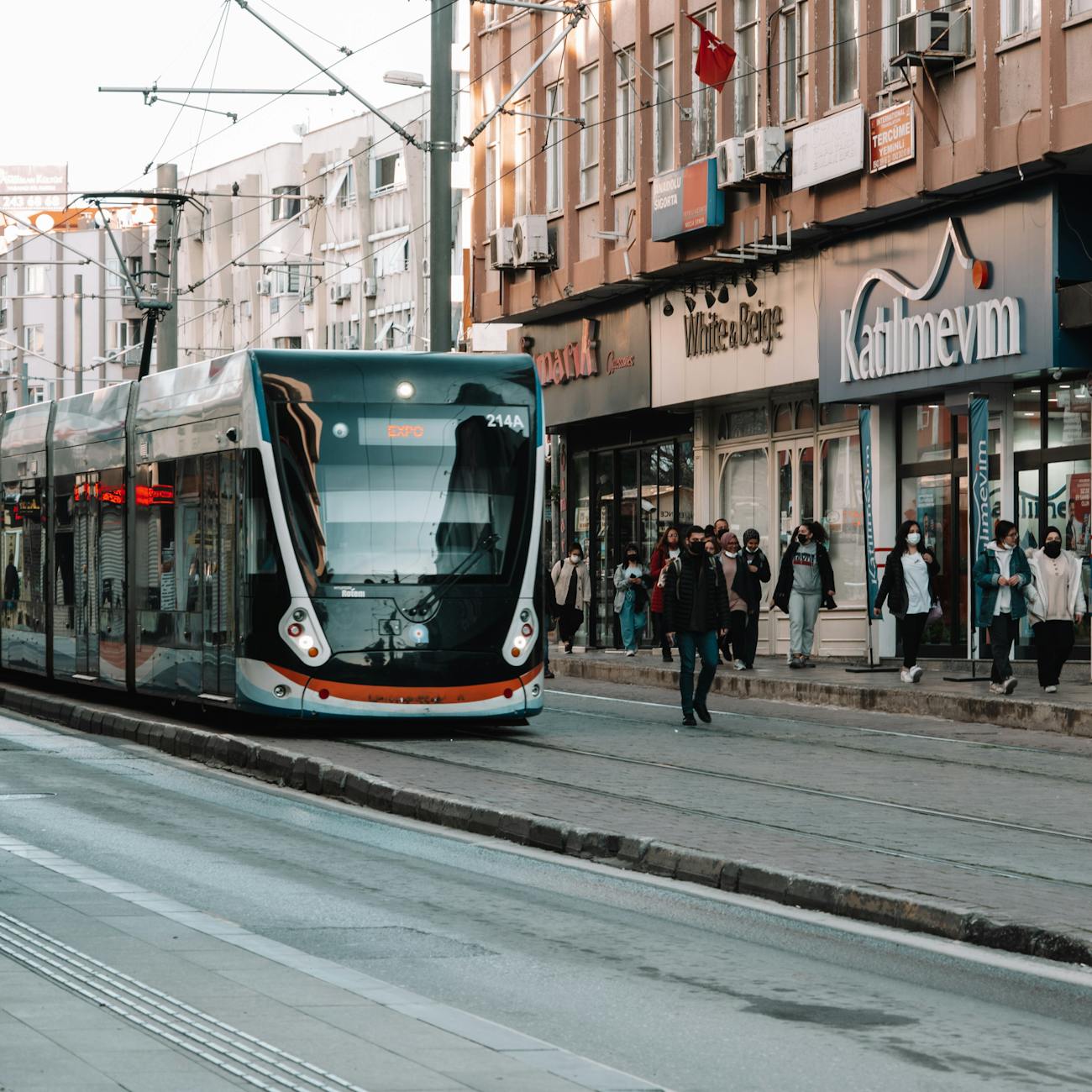
Public transport economics is a critical field in the study of transportation systems, focusing on the economic aspects of public transportation services and infrastructure. In this course, the Postgraduate Certificate in Advanced Transport Economics, students delve into the complexities of public transport economics to understand the various factors that influence the efficiency, sustainability, and affordability of public transportation systems. To grasp the nuances of this discipline, it is essential to familiarize oneself with key terms and vocabulary that are commonly used in the context of public transport economics.
1. **Public Transport**: Public transport refers to the system of transportation that is available for use by the general public, typically operated by government or private entities. It includes various modes such as buses, trains, trams, and ferries, providing services to passengers for a fee.
2. **Economics**: Economics is the study of how individuals, businesses, and societies allocate resources to meet their needs and wants. In the context of public transport, economics plays a crucial role in analyzing the costs, benefits, and overall efficiency of transportation services.
3. **Demand**: Demand in public transport economics refers to the quantity of transportation services that passengers are willing and able to purchase at a given price. Understanding demand patterns is essential for optimizing service levels and pricing strategies.
4. **Supply**: Supply in public transport economics pertains to the quantity of transportation services that operators are willing and able to provide at a given price. It encompasses factors such as fleet size, route coverage, and frequency of services.
5. **Cost-Benefit Analysis**: Cost-benefit analysis is a method used to evaluate the economic feasibility of public transport projects or policies. It involves comparing the costs and benefits of an intervention to determine its overall impact on society.
6. **Fare Structure**: Fare structure refers to the pricing system used in public transport, including ticket prices, fare zones, discounts, and payment methods. Designing an optimal fare structure is crucial for maximizing revenue while ensuring affordability for passengers.
7. **Subsidies**: Subsidies are financial support provided by governments or other entities to public transport operators to offset operating costs, improve service quality, or promote ridership. Subsidies play a significant role in ensuring the sustainability of public transport systems.
8. **Externalities**: Externalities are the unintended effects of public transport activities on third parties, such as air pollution, noise, and congestion. Managing externalities is essential for minimizing negative impacts and maximizing the social benefits of public transport.
9. **Network Design**: Network design involves planning the routes, stops, and schedules of public transport services to optimize coverage, connectivity, and efficiency. A well-designed network can enhance accessibility and attract more passengers.
10. **Mode Choice**: Mode choice refers to the decision-making process through which passengers select a particular mode of transport for their journeys. Factors influencing mode choice include cost, travel time, comfort, and convenience.
11. **Accessibility**: Accessibility in public transport economics refers to the ease with which passengers can reach their destinations using transportation services. Improving accessibility is crucial for enhancing mobility, social inclusion, and economic development.
12. **Integration**: Integration involves coordinating different modes of public transport, such as buses, trains, and bicycles, to provide seamless and efficient travel options for passengers. Integrated transport systems can improve connectivity and transferability between modes.
13. **Pricing Strategies**: Pricing strategies in public transport economics encompass various approaches to setting fares, such as flat fares, distance-based fares, time-based fares, and peak/off-peak pricing. Effective pricing strategies can influence demand patterns and revenue generation.
14. **Revenue Management**: Revenue management involves optimizing the pricing and capacity of public transport services to maximize revenue and profitability. Techniques such as dynamic pricing and yield management are commonly used in revenue management.
15. **Service Quality**: Service quality refers to the level of satisfaction and reliability experienced by passengers when using public transport services. Enhancing service quality through improved comfort, safety, and punctuality can attract more passengers and increase loyalty.
16. **Sustainability**: Sustainability in public transport economics pertains to the environmental, social, and economic impacts of transportation activities. Promoting sustainable practices, such as electrification, emission reduction, and modal shift, is essential for mitigating climate change and enhancing livability.
17. **Public-Private Partnerships**: Public-private partnerships (PPPs) involve collaborations between government agencies and private companies to deliver public transport services or infrastructure. PPPs can leverage the strengths of both sectors to achieve cost-effective and innovative solutions.
18. **Regulation**: Regulation in public transport economics refers to the rules, policies, and standards imposed by government authorities to ensure the safety, fairness, and efficiency of transportation operations. Effective regulation is crucial for protecting consumer rights and promoting competition.
19. **Competition**: Competition among public transport operators or modes can lead to improvements in service quality, efficiency, and innovation. However, managing competition to prevent market distortions and ensure equitable access is essential for a well-functioning transport sector.
20. **Smart Mobility**: Smart mobility encompasses the use of technology and data-driven solutions to optimize public transport services, enhance user experience, and reduce environmental impacts. Innovations such as mobile ticketing, real-time information, and ride-sharing platforms contribute to smart mobility initiatives.
21. **Congestion Pricing**: Congestion pricing is a strategy that involves charging vehicles for using congested roads or areas during peak hours. Implementing congestion pricing can help reduce traffic congestion, improve air quality, and generate revenue for public transport investments.
22. **Transit-Oriented Development**: Transit-oriented development (TOD) is a planning concept that promotes mixed-use, high-density development around public transport hubs. TOD aims to create walkable, vibrant communities that encourage transit use and reduce car dependency.
23. **Public Transport Accessibility Level**: Public Transport Accessibility Level (PTAL) is a measure used to assess the accessibility of public transport services within a specific area. PTAL considers factors such as service frequency, travel time, and walking distance to determine the quality of transport access.
24. **Mobility as a Service**: Mobility as a Service (MaaS) is a concept that integrates various modes of transport into a single digital platform, allowing users to plan, book, and pay for their journeys seamlessly. MaaS aims to provide convenient, personalized mobility solutions to users.
25. **Transport Equity**: Transport equity refers to the fair distribution of transportation benefits and burdens among different social groups. Promoting transport equity involves ensuring accessibility, affordability, and inclusivity in public transport services for all members of society.
26. **Urbanization**: Urbanization is the process of population growth and spatial expansion of cities, leading to increased demand for transportation services. Managing urbanization challenges such as traffic congestion, air pollution, and land use conflicts is crucial for sustainable urban development.
27. **Transport External Cost**: Transport external costs are the negative impacts of transport activities on the environment, public health, and society, which are not reflected in the prices paid by users. Addressing external costs through pricing mechanisms or regulatory measures is essential for sustainable transport planning.
28. **Mobility Management**: Mobility management involves promoting sustainable travel behaviors and modes, such as walking, cycling, carpooling, and public transport, to reduce reliance on private cars and alleviate transportation problems. Effective mobility management strategies can enhance urban mobility and quality of life.
29. **Transport Infrastructure**: Transport infrastructure comprises the physical facilities and assets that support transportation services, including roads, railways, airports, ports, and public transport networks. Investing in efficient and resilient transport infrastructure is essential for facilitating economic growth and connectivity.
30. **Demand-Responsive Transport**: Demand-responsive transport (DRT) is a flexible transport service that adapts to passengers' travel requests, operating on a pre-booked or on-demand basis. DRT can complement traditional fixed-route services and improve accessibility in low-density or underserved areas.
31. **Transport Mode Shift**: Transport mode shift involves encouraging travelers to switch from private cars to more sustainable modes of transport, such as public transport, cycling, or walking. Promoting mode shift is essential for reducing traffic congestion, emissions, and energy consumption in urban areas.
32. **Innovative Financing**: Innovative financing mechanisms involve exploring new sources of funding for public transport projects, such as public-private partnerships, value capture, crowdfunding, or green bonds. Leveraging innovative financing can help bridge funding gaps and support sustainable transport investments.
33. **Integrated Ticketing**: Integrated ticketing systems allow passengers to use a single ticket or smart card to access multiple modes of transport within a region or network. Integrated ticketing simplifies the travel experience, encourages multimodal journeys, and promotes seamless interchanges between modes.
34. **Transport Planning**: Transport planning is the process of designing and managing transportation systems to meet current and future mobility needs effectively. Integrating land use, environmental, and social considerations into transport planning is essential for creating sustainable and inclusive urban environments.
35. **Transport Accessibility Planning**: Transport accessibility planning focuses on improving transport services and infrastructure to enhance accessibility for people with disabilities, seniors, and other vulnerable groups. Ensuring equal access to public transport facilities and services is essential for promoting social inclusion and mobility rights.
36. **Carbon Pricing**: Carbon pricing is a policy tool that assigns a monetary value to carbon emissions, aiming to internalize the social costs of pollution and incentivize emission reductions. Implementing carbon pricing in the transport sector can encourage the adoption of cleaner technologies and behaviors.
37. **Transport Data Analytics**: Transport data analytics involves collecting, analyzing, and interpreting transportation-related data to gain insights into travel patterns, demand trends, and operational efficiencies. Harnessing data analytics can improve decision-making, optimize service delivery, and enhance the overall performance of public transport systems.
38. **Ride-Sharing**: Ride-sharing services enable passengers to share a vehicle with others traveling in the same direction, reducing the number of private cars on the road and optimizing vehicle occupancy. Ride-sharing platforms offer a convenient and cost-effective alternative to traditional modes of transport.
39. **Transport Governance**: Transport governance refers to the institutional arrangements, policies, and decision-making processes that shape the planning, regulation, and management of transport systems. Effective transport governance involves stakeholder engagement, transparency, and accountability to ensure the sustainable development of transport infrastructure and services.
40. **Transport Resilience**: Transport resilience is the capacity of transport systems to withstand and recover from disruptions, such as natural disasters, extreme weather events, or pandemics. Building resilient transport infrastructure and operational strategies is essential for ensuring continuity and mobility in the face of unforeseen challenges.
41. **Mobility Hubs**: Mobility hubs are strategic locations where different modes of transport converge, offering seamless connections, amenities, and services to passengers. Mobility hubs facilitate transfers between modes, enhance the overall travel experience, and support sustainable urban mobility patterns.
42. **Public Transport Patronage**: Public transport patronage refers to the number of passengers using public transport services within a given period, reflecting the demand for and popularity of public transport. Monitoring patronage levels is essential for assessing service performance, capacity requirements, and revenue generation.
43. **Transport Demand Management**: Transport demand management (TDM) encompasses policies and measures to reduce travel demand, optimize transport choices, and alleviate congestion and environmental impacts. Implementing TDM strategies, such as telecommuting, carpooling, and flexible work hours, can help optimize transport system efficiency and sustainability.
44. **Micro-Mobility**: Micro-mobility refers to the use of small, lightweight vehicles, such as electric scooters, bicycles, and e-bikes, for short-distance trips in urban areas. Micro-mobility solutions offer a sustainable and convenient mode of transport for first and last-mile connectivity, complementing traditional public transport services.
45. **Transport Equity Analysis**: Transport equity analysis involves evaluating the distributional impacts of transport policies and projects on different social groups, considering factors such as income, age, gender, and disability. Conducting equity analysis helps identify disparities and ensure fair access to transport services for all members of society.
46. **Modal Integration**: Modal integration entails seamless coordination and connectivity between different transport modes to provide passengers with efficient, convenient, and sustainable travel options. Enhancing modal integration can improve intermodal transfers, reduce travel times, and enhance the overall user experience.
47. **Demand Forecasting**: Demand forecasting is the process of predicting future travel patterns, passenger volumes, and service requirements based on historical data, demographic trends, and economic factors. Accurate demand forecasting is crucial for planning public transport investments, optimizing resources, and meeting growing mobility needs.
48. **Transport Equity Impact Assessment**: Transport equity impact assessment involves evaluating the social, economic, and environmental consequences of transport policies, projects, or investments on vulnerable or marginalized groups. Conducting equity impact assessments helps identify potential risks, mitigate negative effects, and promote inclusive transport planning.
49. **Shared Mobility**: Shared mobility services enable multiple passengers to utilize the same vehicle or ride for their journeys, promoting resource efficiency, cost savings, and reduced environmental impacts. Shared mobility options, such as car-sharing, bike-sharing, and ride-hailing, offer flexible and sustainable alternatives to private car ownership.
50. **Transport Infrastructure Financing**: Transport infrastructure financing refers to the funding mechanisms and financial instruments used to support the development, maintenance, and operation of transport infrastructure projects. Leveraging diverse financing sources, such as public funds, private investments, and international partnerships, is essential for meeting infrastructure needs and fostering sustainable transport development.
In conclusion, mastering the key terms and vocabulary of public transport economics is essential for students pursuing the Postgraduate Certificate in Advanced Transport Economics. By understanding these concepts in-depth, learners can analyze, evaluate, and propose solutions to the complex challenges facing public transport systems worldwide. From demand and supply dynamics to pricing strategies, sustainability initiatives, and innovative technologies, the field of public transport economics offers a rich tapestry of topics to explore and apply in the real-world context of transport planning, management, and policy-making.
Key takeaways
- To grasp the nuances of this discipline, it is essential to familiarize oneself with key terms and vocabulary that are commonly used in the context of public transport economics.
- **Public Transport**: Public transport refers to the system of transportation that is available for use by the general public, typically operated by government or private entities.
- In the context of public transport, economics plays a crucial role in analyzing the costs, benefits, and overall efficiency of transportation services.
- **Demand**: Demand in public transport economics refers to the quantity of transportation services that passengers are willing and able to purchase at a given price.
- **Supply**: Supply in public transport economics pertains to the quantity of transportation services that operators are willing and able to provide at a given price.
- **Cost-Benefit Analysis**: Cost-benefit analysis is a method used to evaluate the economic feasibility of public transport projects or policies.
- **Fare Structure**: Fare structure refers to the pricing system used in public transport, including ticket prices, fare zones, discounts, and payment methods.