
Culinary Techniques for Hair Nourishment
Culinary Techniques for Hair Nourishment
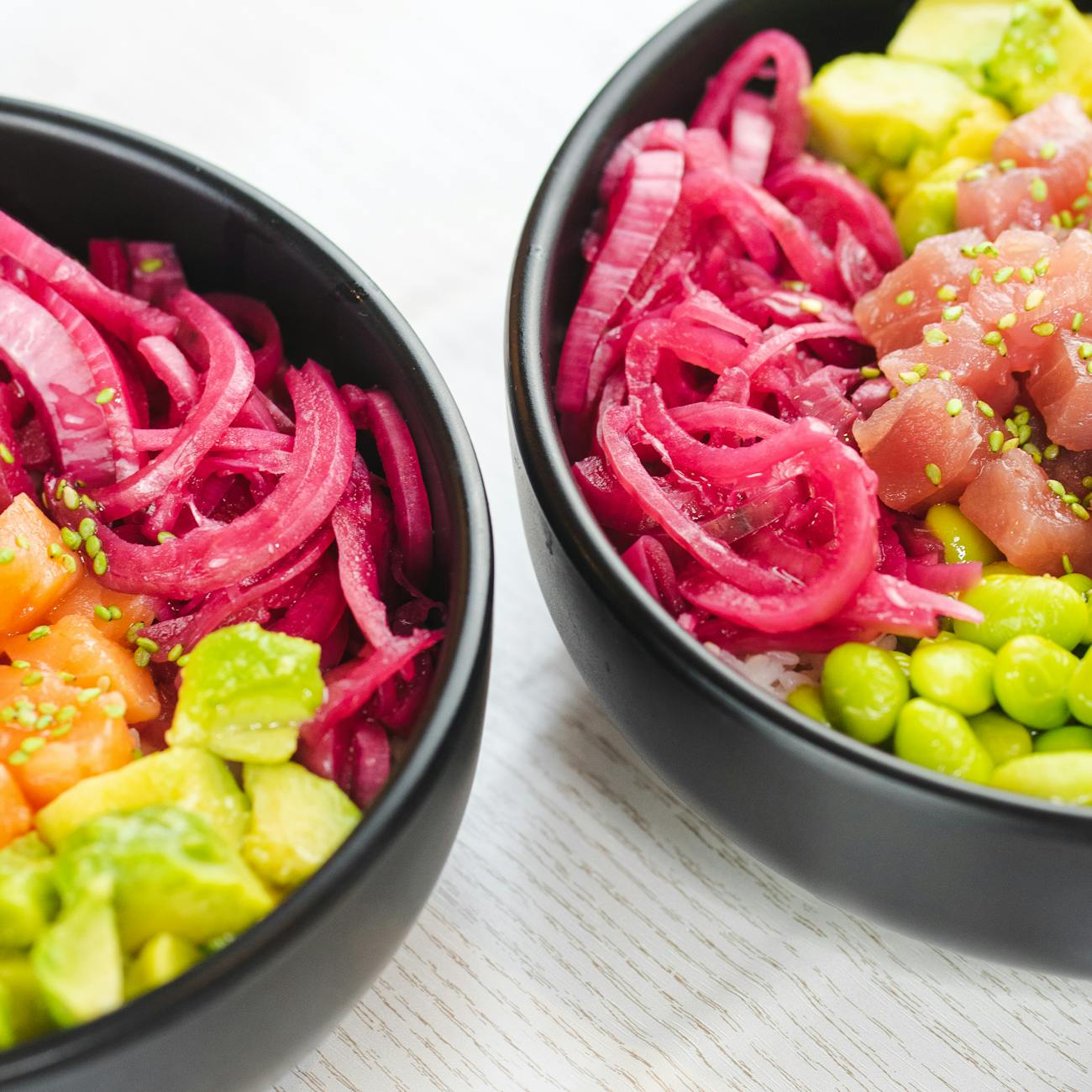
Culinary Techniques for Hair Nourishment
Advanced Certificate in Nutrition for Hair Health
In the Advanced Certificate in Nutrition for Hair Health, students will explore various culinary techniques for nourishing the hair. This course delves into the connection between nutrition and hair health, emphasizing the importance of a balanced diet for maintaining strong, shiny, and healthy hair. Understanding how specific nutrients impact hair growth and quality is essential for anyone looking to improve the condition of their hair.
Key Terms and Vocabulary
1. Protein: Proteins are essential for hair growth and strength. Hair is made up of a protein called keratin, so consuming an adequate amount of protein in your diet is crucial for maintaining healthy hair. Good sources of protein for hair health include lean meats, fish, eggs, dairy products, and plant-based sources such as beans, lentils, and nuts.
2. Vitamins: Vitamins play a vital role in the health of your hair. Key vitamins for hair health include Vitamin A, Vitamin C, Vitamin D, Vitamin E, and the B-complex vitamins (Biotin, Niacin, and Pantothenic Acid). These vitamins help promote hair growth, prevent hair loss, and maintain the overall health of your hair follicles.
3. Minerals: Minerals such as iron, zinc, and selenium are essential for healthy hair growth. Iron helps carry oxygen to the hair follicles, zinc promotes hair growth and repair, and selenium helps prevent dandruff. Including foods rich in these minerals in your diet can help improve the condition of your hair.
4. Omega-3 Fatty Acids: Omega-3 fatty acids are important for maintaining a healthy scalp and promoting hair growth. These healthy fats can be found in fatty fish like salmon and mackerel, as well as in flaxseeds, chia seeds, and walnuts. Including omega-3 fatty acids in your diet can help reduce inflammation in the scalp and nourish your hair follicles.
5. Antioxidants: Antioxidants help protect your hair from damage caused by free radicals and environmental stressors. Foods rich in antioxidants, such as berries, dark leafy greens, and colorful fruits and vegetables, can help improve the overall health and appearance of your hair.
6. Collagen: Collagen is a protein that provides structure to your hair, skin, and nails. Consuming collagen-rich foods like bone broth, gelatin, and collagen supplements can help strengthen your hair and improve its elasticity.
7. Probiotics: Probiotics are beneficial bacteria that support gut health and can have a positive impact on your hair. A healthy gut microbiome is essential for nutrient absorption and overall well-being, which can contribute to the health of your hair.
8. Hydration: Staying hydrated is essential for maintaining healthy hair. Drinking an adequate amount of water each day helps keep your hair and scalp hydrated, preventing dryness and promoting hair growth.
9. Whole Foods: Whole foods are foods that are minimally processed and contain a variety of nutrients essential for hair health. Including a variety of whole foods like fruits, vegetables, whole grains, lean proteins, and healthy fats in your diet can provide your hair with the essential nutrients it needs to thrive.
10. Superfoods: Superfoods are nutrient-dense foods that offer a wide range of health benefits, including promoting hair health. Examples of superfoods for hair health include acai berries, spirulina, chia seeds, and goji berries. Incorporating these superfoods into your diet can help nourish your hair from the inside out.
11. Amino Acids: Amino acids are the building blocks of protein and play a crucial role in hair growth and repair. Consuming foods rich in essential amino acids, such as quinoa, chickpeas, and soy products, can help support the health and strength of your hair.
12. Essential Fatty Acids: Essential fatty acids like omega-3 and omega-6 are important for maintaining healthy hair and scalp. These fats help nourish the hair follicles, reduce inflammation, and promote hair growth. Including sources of essential fatty acids like fatty fish, flaxseed oil, and avocado in your diet can benefit your hair health.
13. Herbs and Spices: Herbs and spices not only add flavor to your dishes but also offer a variety of health benefits for your hair. Herbs like rosemary and peppermint can help stimulate hair growth, while spices like turmeric and cinnamon have anti-inflammatory properties that can benefit your scalp health.
14. Healthy Cooking Methods: The way you cook your food can impact its nutrient content. Healthy cooking methods like steaming, baking, grilling, and sautéing help preserve the nutrients in your food, ensuring that you get the maximum benefit for your hair health.
15. Meal Planning: Planning your meals in advance can help ensure that you are getting the necessary nutrients for healthy hair. Including a variety of foods from all food groups in your meals can provide your hair with a balanced diet rich in essential nutrients.
16. Food Pairing: Combining certain foods together can enhance the absorption of nutrients and maximize their benefits for your hair health. For example, pairing foods rich in Vitamin C with iron-rich foods can help improve iron absorption, which is essential for healthy hair growth.
17. Food Sensitivities: Some individuals may have food sensitivities that can impact their hair health. Identifying and avoiding foods that trigger sensitivities or allergies can help improve the condition of your hair and overall well-being.
18. Organic and Locally Sourced Foods: Choosing organic and locally sourced foods can help ensure that you are consuming high-quality, nutrient-dense ingredients that support your hair health. Organic foods are free from harmful pesticides and chemicals, while locally sourced foods are fresher and more environmentally friendly.
19. Seasonal Eating: Eating seasonally allows you to enjoy a variety of fresh, nutrient-rich foods that are at their peak in flavor and nutritional value. Incorporating seasonal fruits, vegetables, and herbs into your diet can provide your hair with a diverse range of nutrients throughout the year.
20. Food Preservation: Properly storing and preserving foods can help extend their shelf life and maintain their nutrient content. Techniques like freezing, drying, and pickling can help you enjoy seasonal produce year-round and ensure you always have access to fresh ingredients for nourishing your hair.
21. Meal Prepping: Preparing meals in advance can save time and make it easier to stick to a healthy eating plan. Meal prepping allows you to have nutritious meals ready to go, ensuring that you have access to nourishing foods that support your hair health throughout the week.
22. Food Diversity: Eating a diverse range of foods ensures that you are getting a wide variety of nutrients essential for hair health. Including foods from different food groups, colors, and textures in your diet can help provide your hair with the essential nutrients it needs to thrive.
23. Portion Control: Maintaining portion control is important for overall health and can also impact the condition of your hair. Eating the right portion sizes helps prevent overeating and ensures that you are getting a balanced diet that supports your hair health.
24. Food Quality: Choosing high-quality, nutrient-dense foods is essential for nourishing your hair from the inside out. Opting for whole, minimally processed foods that are rich in vitamins, minerals, and antioxidants can help improve the overall health and appearance of your hair.
25. Food Sustainability: Supporting sustainable food practices can benefit both the environment and your hair health. Choosing foods that are ethically sourced and produced helps reduce your carbon footprint and ensures that you are consuming foods that are good for you and the planet.
26. Food Waste Reduction: Minimizing food waste is important for both your budget and the environment. Planning meals, using leftovers creatively, and storing food properly can help reduce food waste and ensure that you are making the most of the ingredients that nourish your hair.
27. Food Safety: Practicing proper food safety measures is crucial for preventing foodborne illness and ensuring that the foods you consume are safe and healthy. Washing produce, cooking foods to the appropriate temperature, and storing perishable items correctly are essential for maintaining hair health.
28. Emotional Eating: Emotional eating can have a negative impact on your hair health and overall well-being. Being mindful of your eating habits and finding healthy ways to cope with emotions can help you make better food choices that support the health of your hair.
29. Stress Management: Stress can affect the condition of your hair and contribute to hair loss. Managing stress through techniques like meditation, yoga, exercise, and self-care can help improve the health of your hair and prevent damage caused by stress.
30. Sleep: Getting an adequate amount of sleep is essential for overall health, including the health of your hair. During sleep, your body repairs and regenerates cells, including those responsible for hair growth. Prioritizing quality sleep can help support the growth and vitality of your hair.
31. Physical Activity: Regular exercise promotes circulation, which can help deliver essential nutrients to your hair follicles and support hair growth. Incorporating physical activity into your routine can help improve the health and appearance of your hair.
32. Hygiene: Maintaining good hygiene practices, such as washing your hair regularly and using products that are suitable for your hair type, is important for keeping your hair clean and healthy. Proper hygiene can help prevent scalp issues and promote optimal hair growth.
33. Professional Hair Care: Visiting a professional hair stylist for regular trims and treatments can help keep your hair in top condition. Professional hair care services can address specific hair concerns and provide tailored solutions for nourishing and maintaining healthy hair.
34. Home Hair Care: Taking care of your hair at home with the right products and techniques is essential for promoting hair health. Using gentle shampoos, conditioners, and styling products that are suitable for your hair type can help keep your hair strong, shiny, and nourished.
35. Hair Masks: Hair masks are deep conditioning treatments that can help nourish and repair your hair. Using natural ingredients like avocado, coconut oil, honey, and yogurt in DIY hair masks can provide your hair with essential nutrients and promote overall hair health.
36. Scalp Massage: Massaging your scalp can help stimulate blood flow to the hair follicles, promoting hair growth and improving scalp health. Incorporating scalp massages into your hair care routine can help nourish your hair from the root and encourage healthy hair growth.
37. Hot Oil Treatments: Hot oil treatments are an effective way to nourish and moisturize your hair. Heating natural oils like coconut oil, olive oil, or argan oil and applying them to your hair can help repair damage, reduce frizz, and promote hair growth.
38. Aromatherapy: Aromatherapy involves using essential oils to promote relaxation and improve overall well-being. Certain essential oils like lavender, rosemary, and peppermint can also benefit your hair health by promoting growth, reducing dandruff, and improving scalp health.
39. Ayurvedic Hair Care: Ayurvedic hair care involves using natural ingredients and techniques based on Ayurvedic principles to nourish and maintain healthy hair. Ayurvedic herbs like amla, brahmi, and neem can help strengthen your hair, reduce hair loss, and promote overall hair health.
40. Home Remedies: Home remedies using common kitchen ingredients can provide effective solutions for common hair concerns. Ingredients like apple cider vinegar, aloe vera, and baking soda can be used to cleanse, condition, and nourish your hair naturally.
41. DIY Hair Care: Creating your own hair care products using natural ingredients allows you to customize your hair care routine and avoid potentially harmful chemicals. DIY hair care recipes for shampoos, conditioners, and treatments can help you nourish your hair in a natural and sustainable way.
42. Hair Nutrition Challenges: While incorporating nutritious foods into your diet is essential for hair health, there are challenges that may arise. These challenges include food allergies or sensitivities, busy schedules, limited access to fresh ingredients, and budget constraints. Overcoming these challenges requires creativity, planning, and dedication to prioritizing your hair health.
43. Food Substitutions: Making food substitutions can help address dietary restrictions or preferences while still providing your hair with essential nutrients. For example, replacing dairy products with plant-based alternatives, using gluten-free grains, or opting for organic produce can help tailor your diet to support your hair health.
44. Supplements: In some cases, supplements may be necessary to fill nutrient gaps and support hair health. Supplements like biotin, collagen, omega-3 fatty acids, and multivitamins can help provide your hair with the nutrients it needs to grow strong and healthy.
45. Consulting a Nutritionist: If you have specific concerns about your hair health or are unsure how to optimize your diet for hair nourishment, consulting a nutritionist or dietitian can provide personalized guidance. A nutritionist can help assess your nutritional needs, create a customized meal plan, and offer recommendations for improving the health of your hair through nutrition.
46. Monitoring Progress: Tracking your progress in improving your hair health through nutrition can help you stay motivated and make adjustments as needed. Monitoring changes in the condition of your hair, such as increased shine, reduced breakage, and improved growth, can help you see the impact of your dietary choices on your hair health.
47. Consistency: Consistency is key when it comes to nourishing your hair through nutrition. Making healthy food choices consistently over time can help support the long-term health and vitality of your hair. Establishing a balanced diet rich in essential nutrients and sticking to it can help you achieve your hair health goals.
48. Healthy Eating Habits: Developing healthy eating habits is essential for maintaining hair health and overall well-being. Eating a balanced diet, staying hydrated, avoiding excessive sugar and processed foods, and listening to your body's hunger and fullness cues are all important aspects of healthy eating habits that can benefit your hair.
49. Community Support: Engaging with a community of like-minded individuals who are also focused on improving their hair health through nutrition can provide motivation, inspiration, and accountability. Joining online forums, support groups, or social media communities dedicated to hair health can help you stay on track with your nutrition goals.
50. Continuing Education: Learning about the latest research, trends, and developments in nutrition for hair health is important for staying informed and making informed choices about your diet. Continuing your education through workshops, seminars, webinars, and courses can help deepen your understanding of how nutrition impacts hair health and how you can optimize your diet for better hair outcomes.
In conclusion, the Advanced Certificate in Nutrition for Hair Health offers students a comprehensive understanding of the role of nutrition in promoting healthy hair. By exploring culinary techniques for nourishing the hair, students can learn how to use food as a powerful tool for improving the condition, strength, and vitality of their hair. Understanding key terms and vocabulary related to hair health and nutrition is essential for applying these concepts in practice and achieving optimal results for hair nourishment. By incorporating a variety of nutrient-dense foods, herbs, spices, and superfoods into their diets, students can support the health of their hair from the inside out and enjoy strong, shiny, and beautiful hair for years to come.
Key takeaways
- This course delves into the connection between nutrition and hair health, emphasizing the importance of a balanced diet for maintaining strong, shiny, and healthy hair.
- Good sources of protein for hair health include lean meats, fish, eggs, dairy products, and plant-based sources such as beans, lentils, and nuts.
- Key vitamins for hair health include Vitamin A, Vitamin C, Vitamin D, Vitamin E, and the B-complex vitamins (Biotin, Niacin, and Pantothenic Acid).
- Iron helps carry oxygen to the hair follicles, zinc promotes hair growth and repair, and selenium helps prevent dandruff.
- These healthy fats can be found in fatty fish like salmon and mackerel, as well as in flaxseeds, chia seeds, and walnuts.
- Foods rich in antioxidants, such as berries, dark leafy greens, and colorful fruits and vegetables, can help improve the overall health and appearance of your hair.
- Consuming collagen-rich foods like bone broth, gelatin, and collagen supplements can help strengthen your hair and improve its elasticity.